
"Link Between Movement and Emotions: The Brain's Dual Role Unveiled"
TL;DR Summary
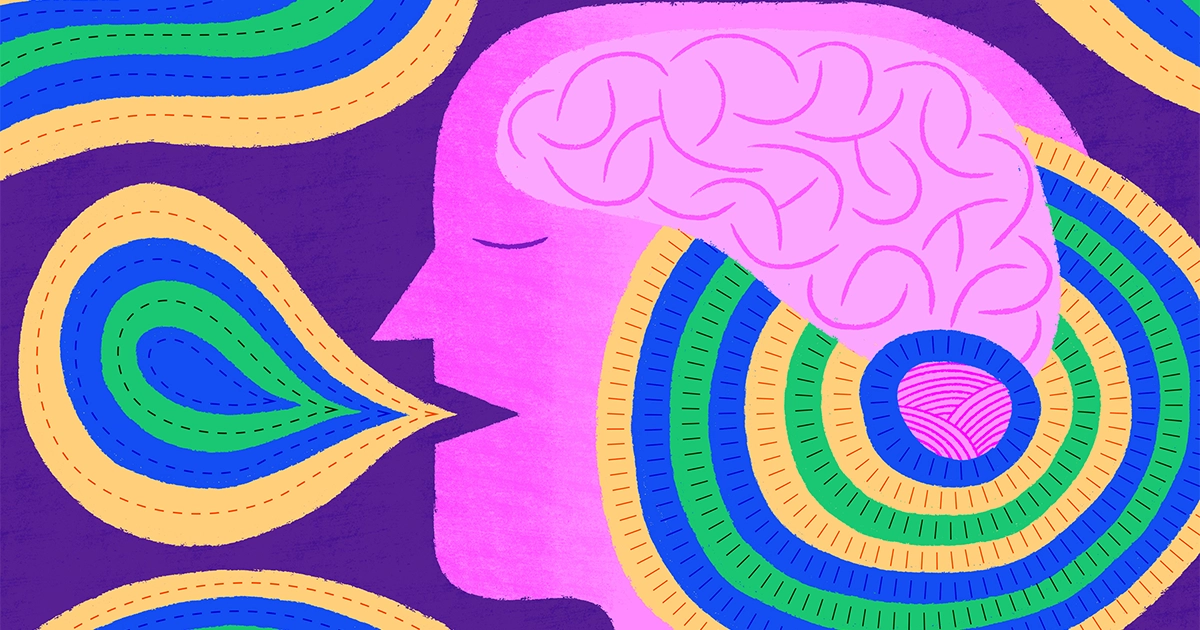
The cerebellum, long believed to solely control movement, is now being recognized for its role in regulating complex behaviors, social interactions, emotions, and more. Recent research using new experimental techniques has revealed the cerebellum's extensive neural circuitry and its connections to various brain regions involved in higher cognitive functions. These findings suggest that the cerebellum acts as a data-crunching hub, influencing not only movement but also complex mental processes and behaviors, shedding new light on its role as a "little brain."
Reading Insights
Total Reads
0
Unique Readers
10
Time Saved
7 min
vs 8 min read
Condensed
95%
1,515 → 81 words
Want the full story? Read the original article
Read on Quanta Magazine