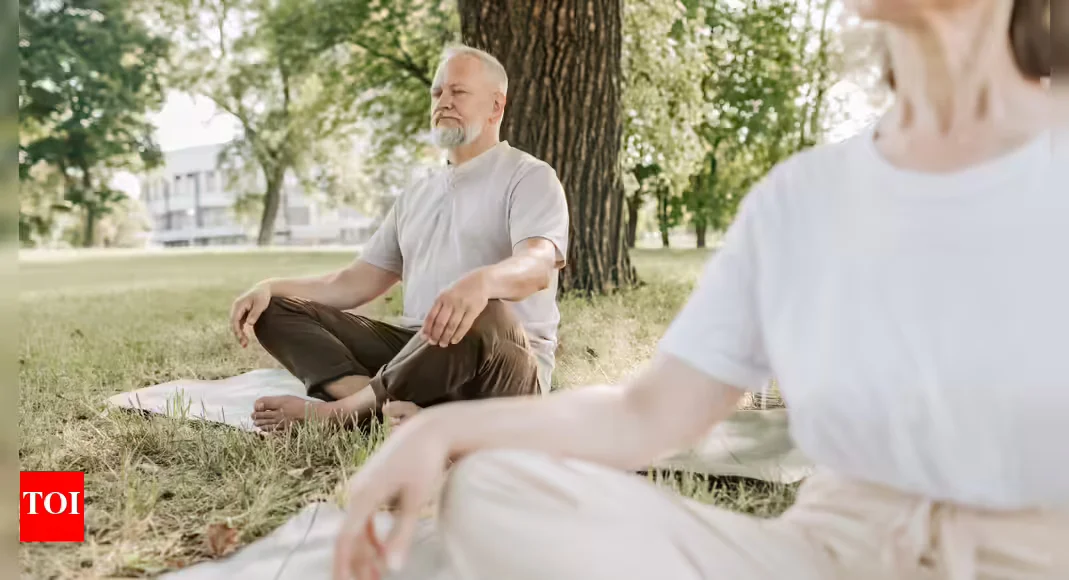
Renowned cardiologist Dr. Aseem Malhotra advocates a 21-day lifestyle plan emphasizing a Mediterranean diet, daily exercise, stress reduction through meditation, and quality sleep to significantly improve heart health naturally, reducing reliance on medication.
Fitness trainer Dan Go advocates for daily walking as a simple, effective way to reverse biological age, improve mental health, and promote overall well-being, emphasizing its accessibility, low cost, and numerous health benefits.
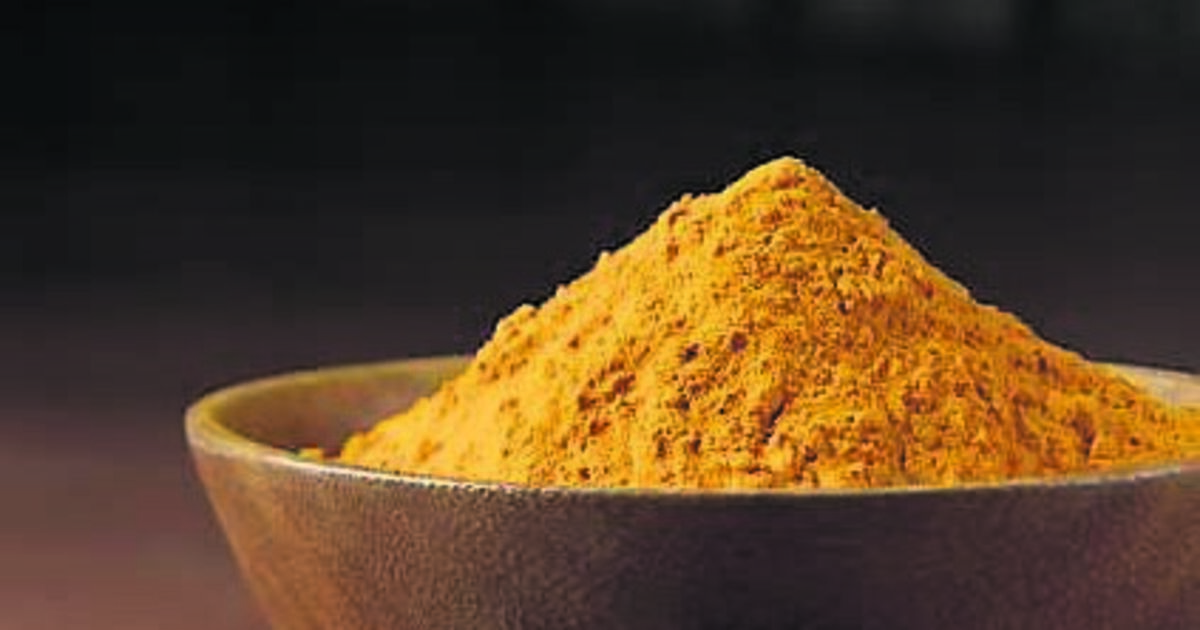
Turmeric is being investigated as an effective complementary medicine in supporting COVID-19 recovery due to its active ingredient curcumin. To combat post-viral fatigue, it is recommended to take a good probiotic supplement, consume traditional botanicals like Rehmannia root, star anise, Schisandra berries, nigella seeds, fennel seeds, turmeric root, garlic cloves, ginger root, cayenne pepper, lemon peel, and raw honey, choose dark-colored foods rich in antioxidants, and eat healthy fats. Additionally, staying hydrated, getting quality sleep, managing stress levels, and practicing conscious breathing and meditation can help. For children experiencing leg pain, it is suggested to consider restless legs syndrome (RLS) and address potential nutritional deficiencies of folic acid, iron, and magnesium through supplementation. Always consult a doctor for medical advice.
Ashwagandha, an herb used in Ayurvedic medicine, is gaining attention for its potential to help with stress, anxiety, and sleep. As an adaptogen, it enhances the body's resilience to stress and works with GABA-A and GABA-B receptors to produce calming effects. However, not all ashwagandha supplements are created equal, and only specific products have been studied for their effectiveness. It's important to inform your doctor before taking ashwagandha, as it can affect other systems and may have side effects. While ashwagandha can be a useful tool for stress relief, it's important to also consider other factors such as sleep, exercise, and community connection.