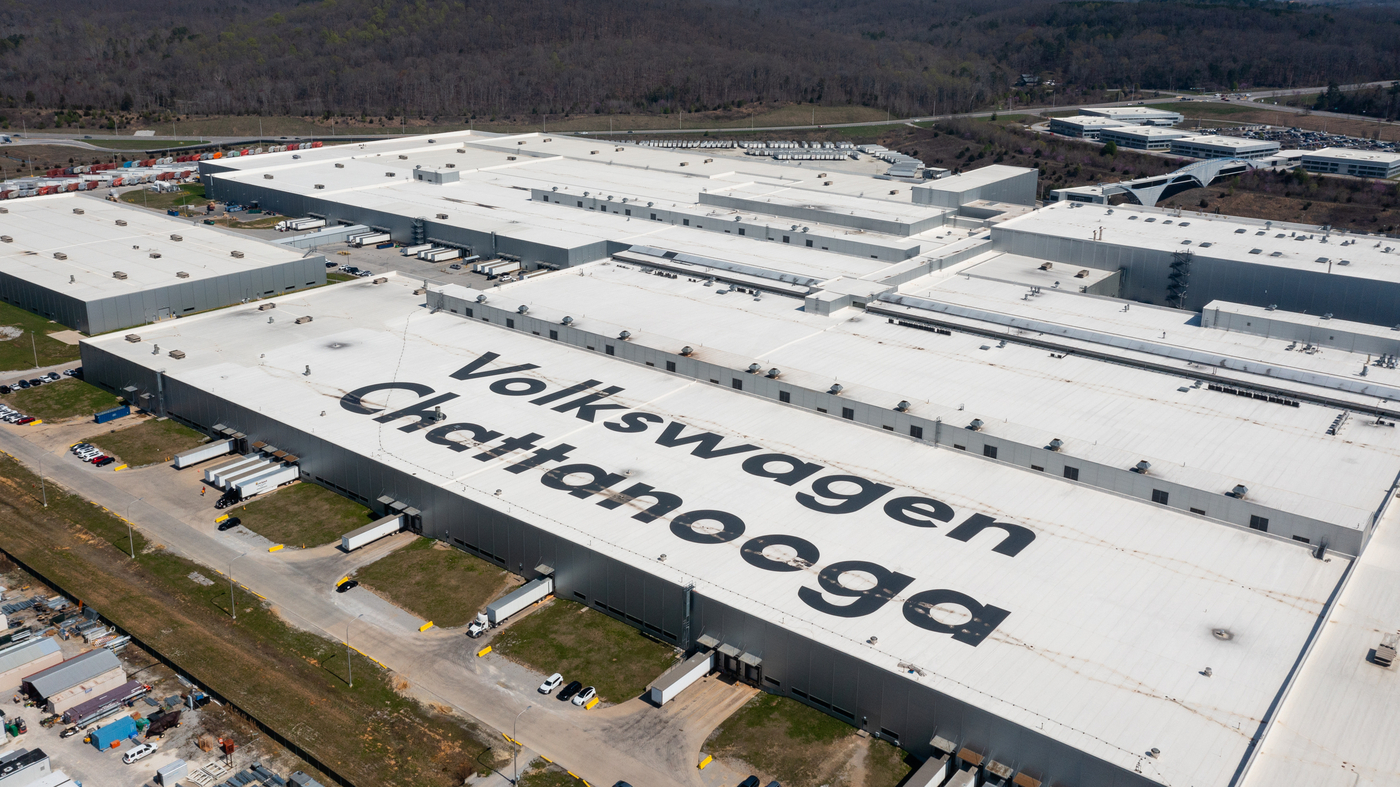
Over 4,300 Volkswagen workers in Chattanooga, Tennessee are voting on whether to join the United Auto Workers union, a move that could significantly impact unionization in the South. The UAW, buoyed by recent successes, is making a $40 million push to appeal to workers at nonunion auto factories, particularly in the South. A victory would build momentum for the UAW, while a loss could stall the union drive. The plant, the only Volkswagen plant in the world without worker representation, has seen previous unionization attempts fail due to strong pushback from local politicians. Pro-union workers hope the UAW can help negotiate better pay, benefits, and more flexible time off, while the carmaker has invested billions in the plant and added new jobs.
Workers at Volkswagen's Chattanooga, Tennessee factory have filed a petition with the National Labor Relations Board to hold a unionization vote, marking a significant step in the United Auto Workers' efforts to expand its reach into the Southern auto industry. The UAW is targeting several U.S. factories, including those of Tesla, Honda, and Toyota, in a push to unionize. The union's campaign in the South has seen progress, with workers at a Mercedes factory in Alabama and a Hyundai plant also expressing interest in joining the UAW.
The Teamsters and Anheuser-Busch have reached a tentative agreement on a contract, averting a potential strike by the union's 5,000 members at the company's 12 breweries across the U.S. The deal includes significant wage gains, job security protections, increased pension contributions, and the restoration of retirement benefits for current and retired members. Union members will vote on the contract, which offers an average wage increase of 23% over five years. This agreement comes amid a period of heightened labor activism in the U.S., with workers securing contracts with double-digit raises through strikes and threats.
Amazon has filed a legal document arguing that the National Labor Relations Board (NLRB) is unconstitutional, following similar claims made by SpaceX and Trader Joe’s. The filing is in response to a case involving alleged retaliation against workers who voted to unionize at a New York City warehouse. Amazon's attorneys argue that the NLRB's structure violates the separation of powers and infringes on executive powers stipulated in the Constitution, and that NLRB proceedings deny the company a trial by jury and violate its due-process rights. This legal trend is seen as concerning by labor representatives, as it follows similar claims made by other companies resisting union organizing efforts.
Amazon has filed a legal argument claiming that the National Labor Relations Board (NLRB) is unconstitutional, following similar claims made by SpaceX and Trader Joe's. The filing is in response to a case involving alleged retaliation against workers who voted to unionize at a New York City warehouse. Amazon's attorneys argue that the NLRB's structure violates the separation of powers and infringes on executive powers stipulated in the Constitution, while also claiming that NLRB proceedings deny the company a trial by jury and violate its due-process rights.
Amazon, facing numerous labor law violations and NLRB investigations, has joined other corporations in claiming the National Labor Relations Board is "unconstitutional," alleging violations of its rights. Critics fear this could hinder workers' ability to organize, while Amazon has faced over 250 NLRB complaints for labor law violations.
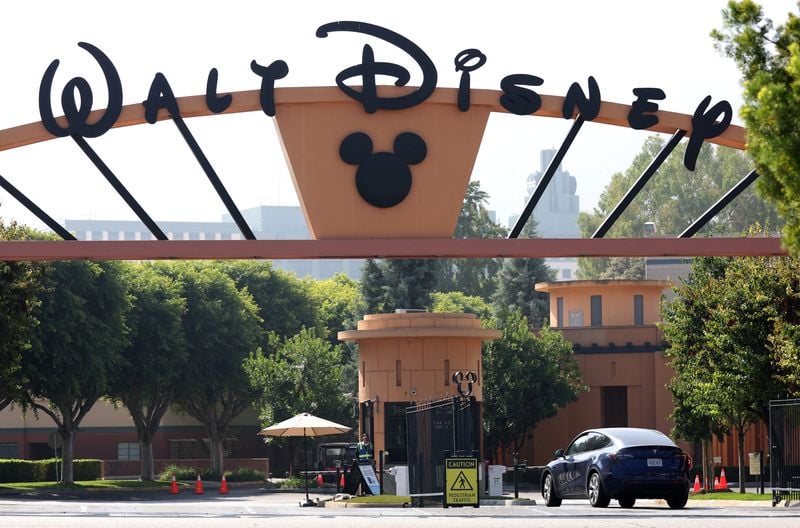
Performers of Disney's cartoon characters at Disneyland are seeking to join the Actors' Equity Association, with plans to seek voluntary recognition from Disney Resort Entertainment. If the company declines, the union will file with the National Labor Relations Board. This move follows similar efforts by animation workers at Disney last year. The union's president emphasized the workers' loyalty to Disney and their expectation of fair pay and safety. If the vote to unionize is successful, Disney will be required to negotiate a contract with the union under federal law.
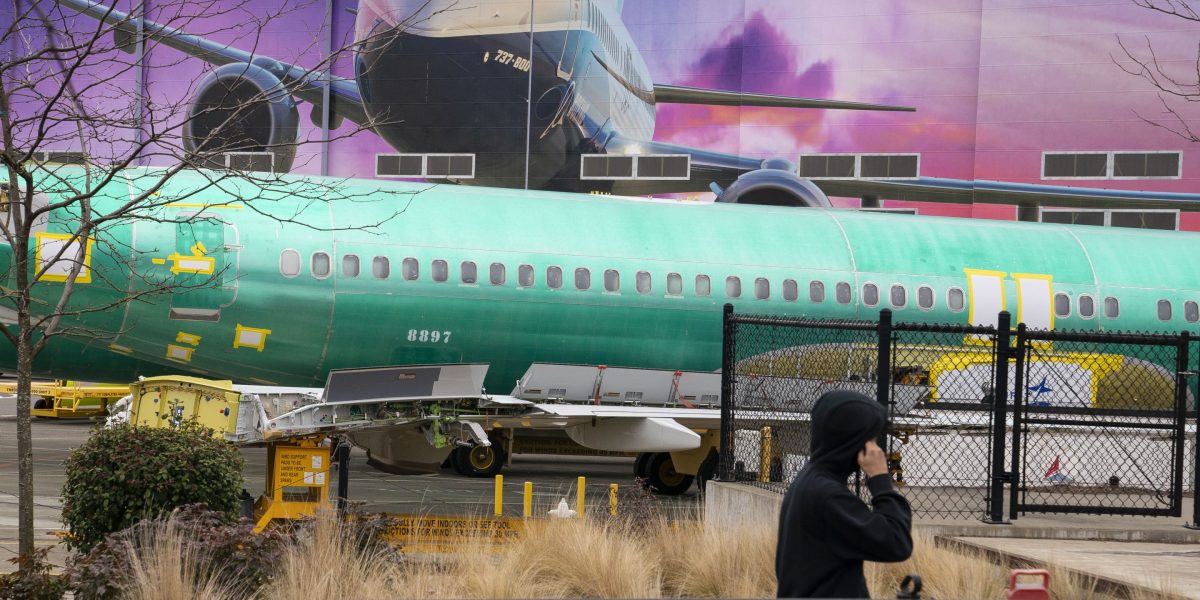
Boeing faces potential labor unrest as its largest union, the International Association of Machinists and Aerospace Workers, prepares to demand a 40% pay raise over three or four years, citing a decade-old grudge over pension sacrifices and minimal raises. With the current contract set to expire in September, the union's demands come amidst a resurgent US labor movement, a scarcity of qualified aerospace workers, and pressure on Boeing to stabilize work in its factories. The company, already grappling with manufacturing problems and increased regulatory scrutiny, faces the risk of a work stoppage that could further impact its financial outlook and production goals.
The NewsGuild of New York and Sports Illustrated Union have taken legal action against The Arena Group over recent layoffs, accusing the company of terminating employees due to their support of the union and engaging in protected activities. The union alleges that the layoffs are a cover for union-busting tactics. Despite the layoffs, new content continues to be published on SI.com, leading to confusion about the state of the business.
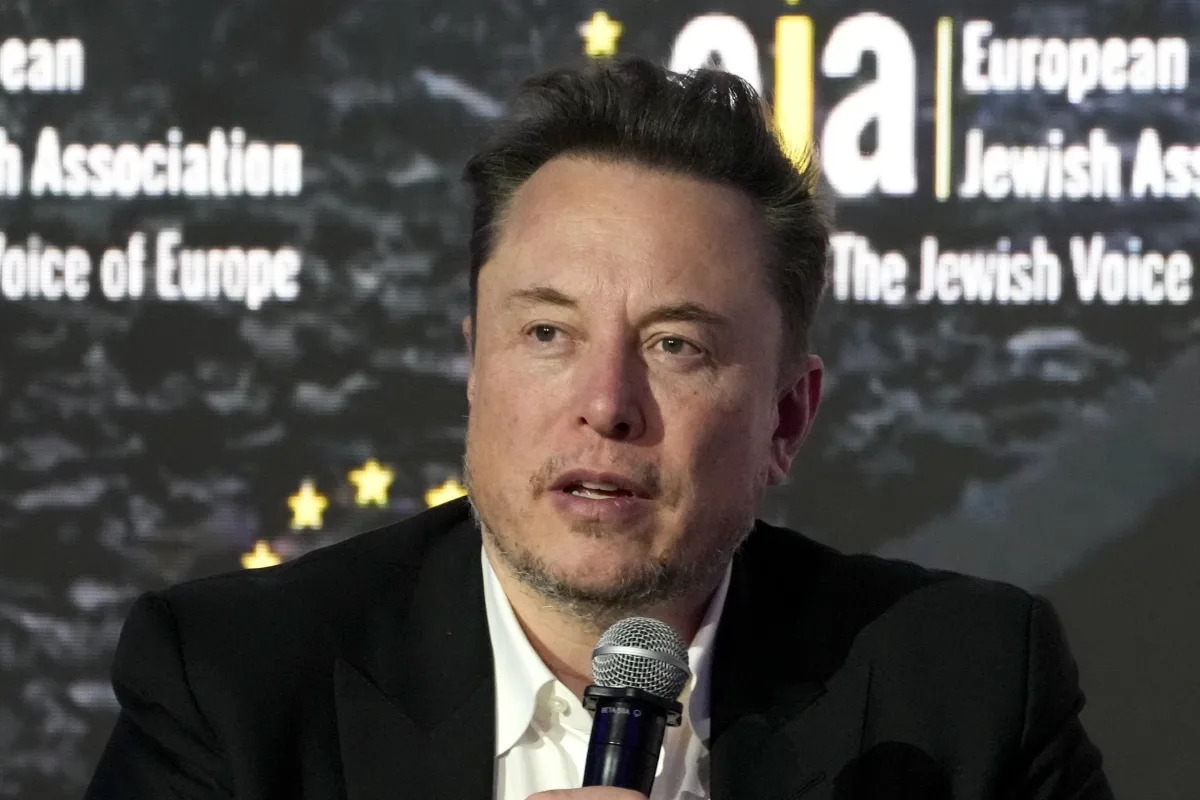
A federal appeals court in New Orleans is reconsidering whether a 2018 Twitter post by Elon Musk unlawfully threatened Tesla employees with the loss of stock options if they chose union representation, with the National Labor Relations Board deeming it an illegal threat. The 5th U.S. Circuit Court of Appeals initially upheld this decision, but later voted to rehear the matter, leading to a recent hearing before a panel of 17 judges. The case revolves around a tweet made during United Auto Workers organizing efforts at a Tesla facility in California, with the judges questioning whether the post, which appeared on Musk's personal account, constituted a threat to workers.
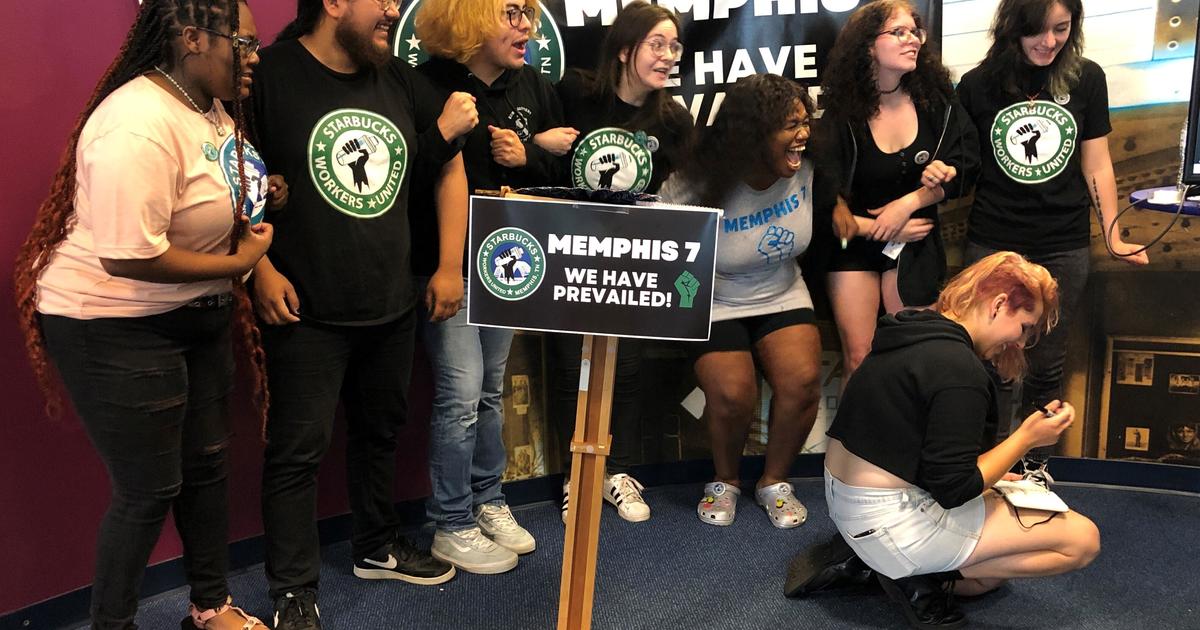
The Supreme Court has agreed to hear Starbucks' appeal of a court order to reinstate seven employees at a Memphis store who were fired for pro-union activities, with the case focusing on the standard used for court injunctions requested by the National Labor Relations Board. Starbucks claims that differing appeals court rulings threaten the uniformity of federal labor law, while the workers' union asserts that the case expands Starbucks' conflict with its employees to a broader war on U.S. workers. A decision is expected by the end of June.
The Supreme Court has agreed to hear the case of the "Memphis 7," a group of Starbucks employees who were fired after attempting to unionize, sparking a major legal battle. The employees allege they were terminated in retaliation for their unionization efforts, leading to a federal judge's order for their reinstatement. The case will address the standard federal courts must use to require companies to keep employees on the payroll during ongoing legal disputes, with implications for broader labor relations and the balance of power between unions and employers.