Tag

Nanopore Sequencing

All articles tagged with #nanopore sequencing

health1 year ago

Revolutionary Cancer Fingerprint Enhances Early Tumor Detection

Researchers have developed a new technique to detect cancer early by identifying unique molecular 'fingerprints' in ribosomal RNA, using portable scanners with near-perfect accuracy. This method, which distinguishes between healthy and cancerous tissues, could lead to non-invasive diagnostic tools that require only blood samples. The study highlights the potential of nanopore direct RNA sequencing to revolutionize cancer diagnostics by capturing chemical modifications in rRNA, offering a promising approach for early detection and treatment.

health1 year ago

"Identifying Chromosome End Targets for Degenerative Disease Prevention"

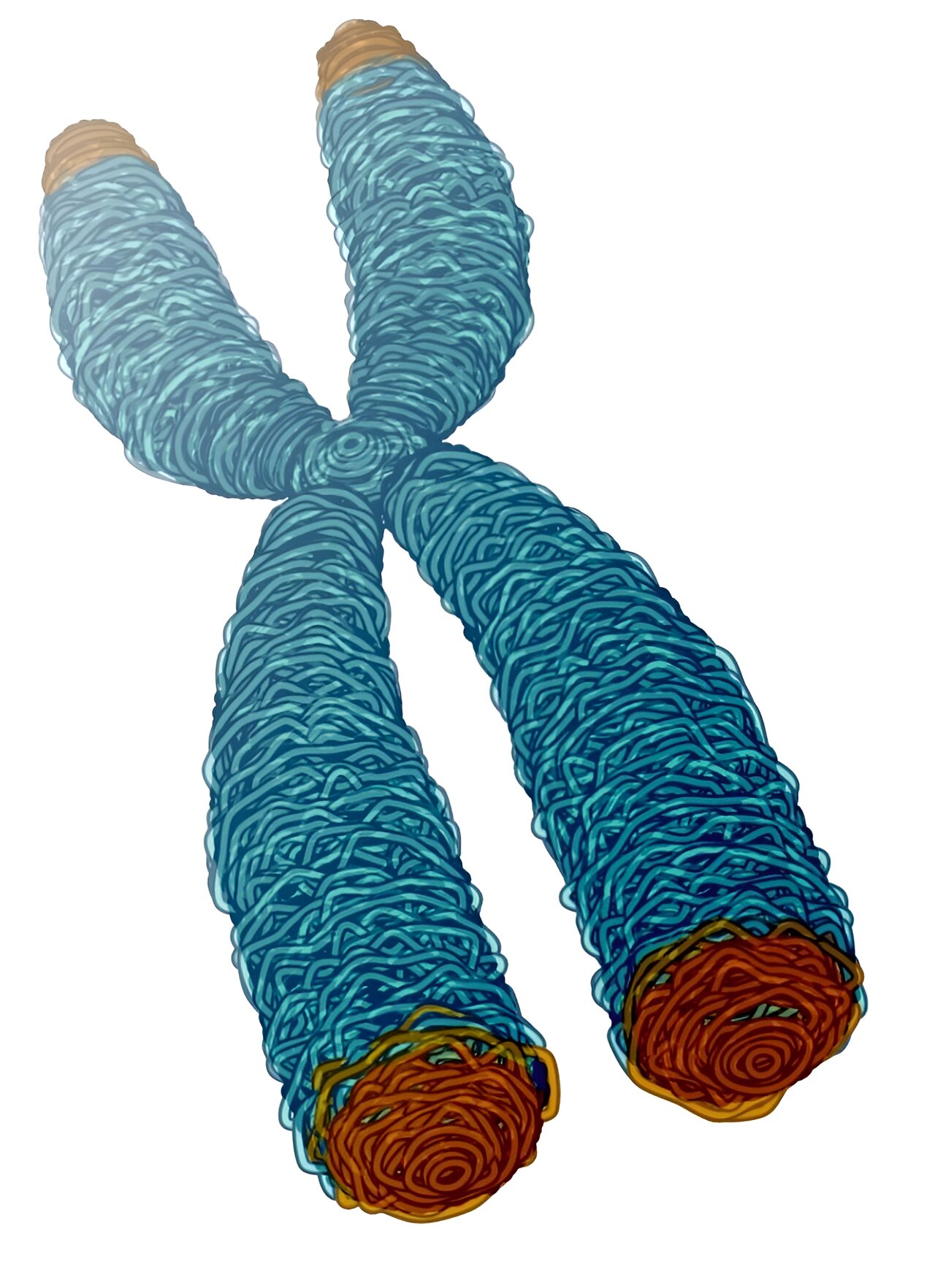
A new study published in Science reveals that telomere lengths vary across different chromosome ends, challenging the previous understanding of a singular telomere-length range. The research, led by UC Santa Cruz professor Carol Greider, utilized nanopore sequencing to make precise measurements and found that specific chromosome ends may be the first to trigger stem-cell failure. The study suggests that the regions adjacent to telomeres could serve as potential targets for new drugs to prevent degenerative diseases, and the nanopore sequencing technique has widespread potential for use in research, diagnostics, and drug development.

medical-technology2 years ago

Advancements in AI for Real-Time Brain Tumor Diagnosis and Classification

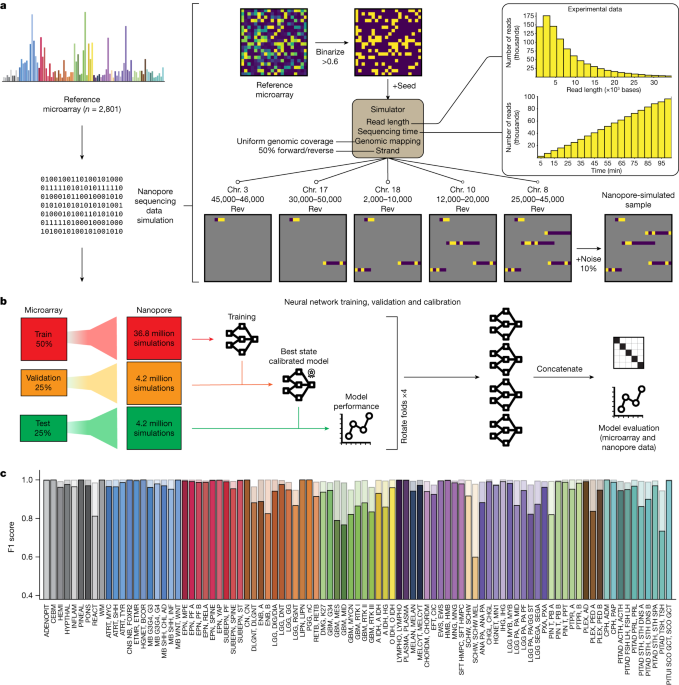
Researchers have developed a neural network classifier called Sturgeon that can rapidly classify central nervous system (CNS) tumours during surgery using nanopore DNA sequencing. The classifier, trained on simulated nanopore sequencing data, demonstrated high accuracy in classifying tumour samples based on methylation profiles, even with limited sequencing data. The study showed that Sturgeon could provide a molecular diagnosis within 25-50 minutes of sequencing, allowing for real-time decision-making during surgery. The classifier was also validated on real nanopore-sequenced samples, further confirming its robustness and accuracy. This technology has the potential to improve surgical strategies and reduce the need for additional surgeries in CNS tumour patients.

science-and-technology2 years ago

The Mystery of Black Stains on Leonardo da Vinci's Codex Atlanticus Solved.

Researchers at the Politecnico di Milan in Italy have identified the cause of mysterious black stains on a folio of Leonardo da Vinci's Codex Atlanticus as starch and vinyl glues applied during an earlier restoration effort some 50 years ago. They also found nanoparticles of a mercury sulphide called metacinnabar in the protective paper holding the folio, although it is unclear how this unusual black crystalline phase might have formed. In 2020, scientists analyzed the microbes found on seven of da Vinci's drawings and found that each drawing had its own unique microbiome, dominated by bacteria rather than fungi, contradicting widespread belief.