Tag

Multimessenger Astronomy

All articles tagged with #multimessenger astronomy

"New Methods to Detect Hawking Radiation from Black Holes"
science-and-technology1 year ago

"New Methods to Detect Hawking Radiation from Black Holes"

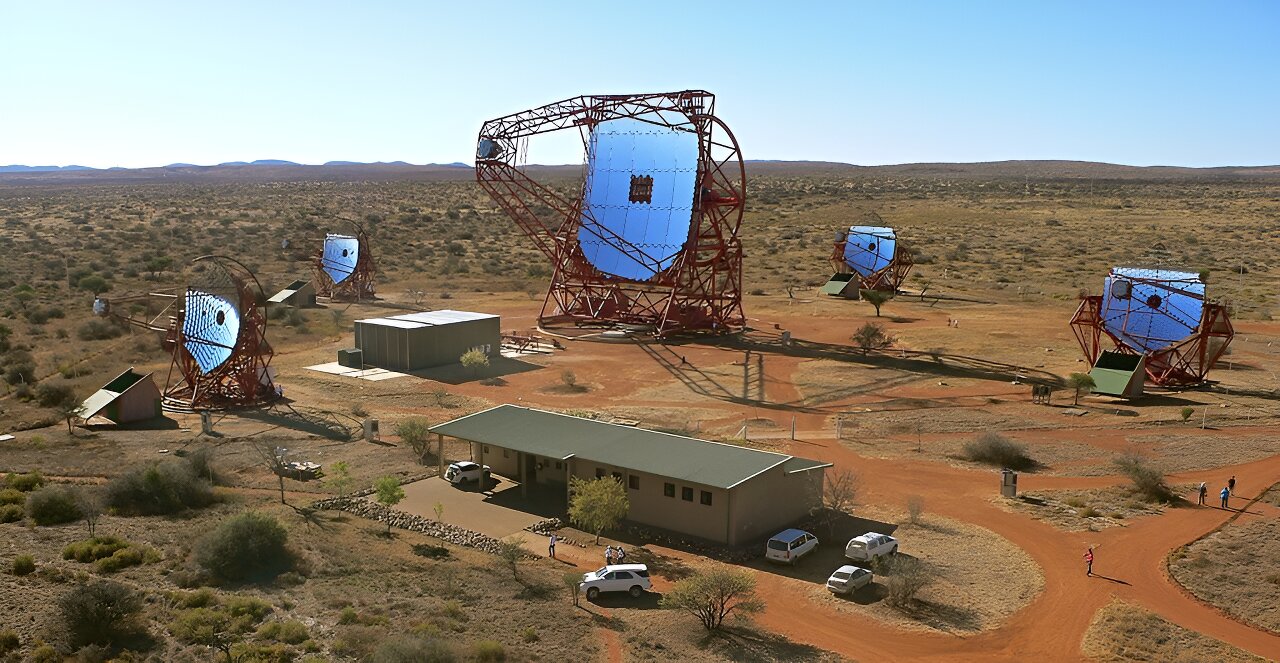
A European research group has proposed that Hawking radiation, theorized by Stephen Hawking in 1974, could be detected using existing high-energy gamma-ray telescopes. This radiation, emitted from "black hole morsels" formed during black hole mergers, produces gamma ray bursts with a distinctive fingerprint. Detecting this radiation would provide evidence of the quantum behavior of black holes and could reveal new physics. The team plans to collaborate with experimental groups to search for these signals.
"NASA Observes Record-Breaking Cosmic Event"
astronomy1 year ago

"NASA Observes Record-Breaking Cosmic Event"

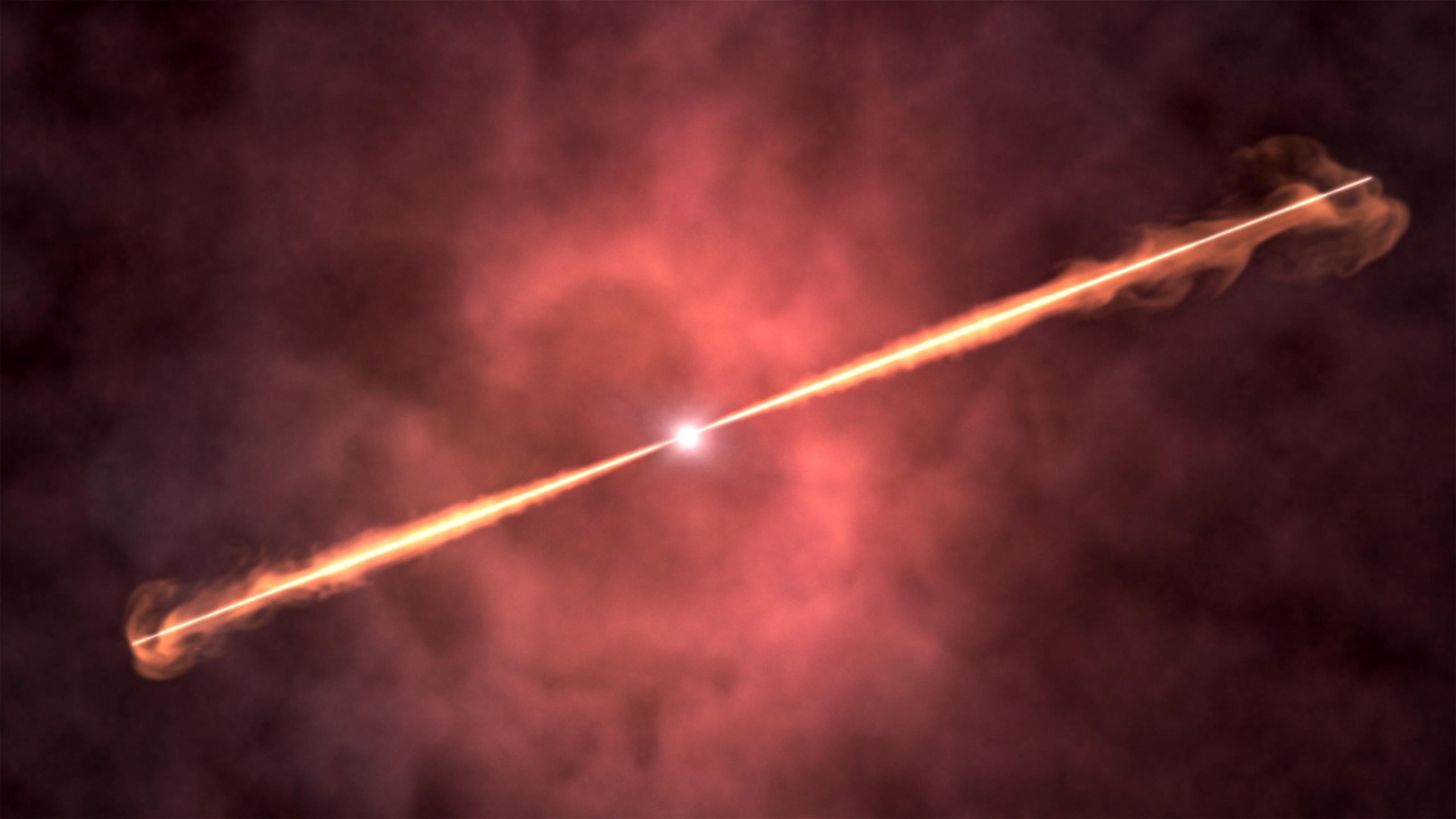
NASA's Fermi and Swift satellites detected the brightest cosmic event ever recorded, known as the BOAT, a long gamma-ray burst possibly originating from a massive star's core collapse. This event showcases the power of Time-Domain and Multimessenger Astronomy, allowing scientists to study dynamic processes in the universe. Follow-up observations from over 150 telescopes provided insights into the event's origin and composition, while newer signals like GRB 230307A offer further mysteries and opportunities for study. NASA plans to launch new satellites and missions to continue monitoring transient events and unraveling the universe's secrets.

"Unveiling the Harmonious Symphony of Gravitational Waves in Our Universe"
science2 years ago

"Unveiling the Harmonious Symphony of Gravitational Waves in Our Universe"

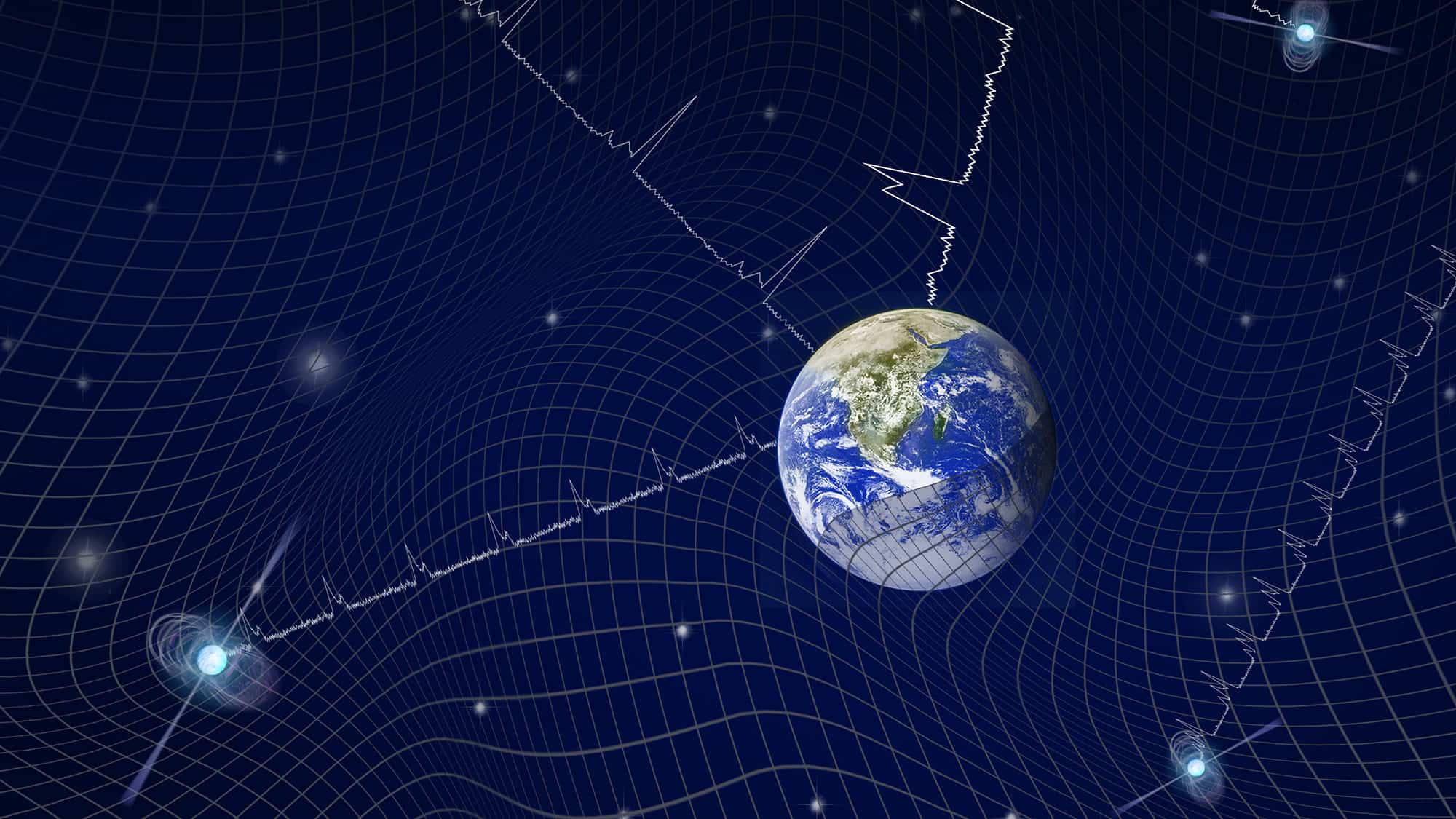
Recent discoveries using radio telescopes across the globe have revealed a background hum of gravitational waves in our universe, leaving a faint fingerprint in the signals received from pulsars. This breakthrough in multimessenger astronomy provides insights into the massive objects responsible for these waves, likely the merger of supermassive black holes.

"Unveiling the Dazzling Gamma-Ray Sky: NASA's Fermi Telescope Reveals Cosmic Fireworks"
science-and-astronomy2 years ago

"Unveiling the Dazzling Gamma-Ray Sky: NASA's Fermi Telescope Reveals Cosmic Fireworks"

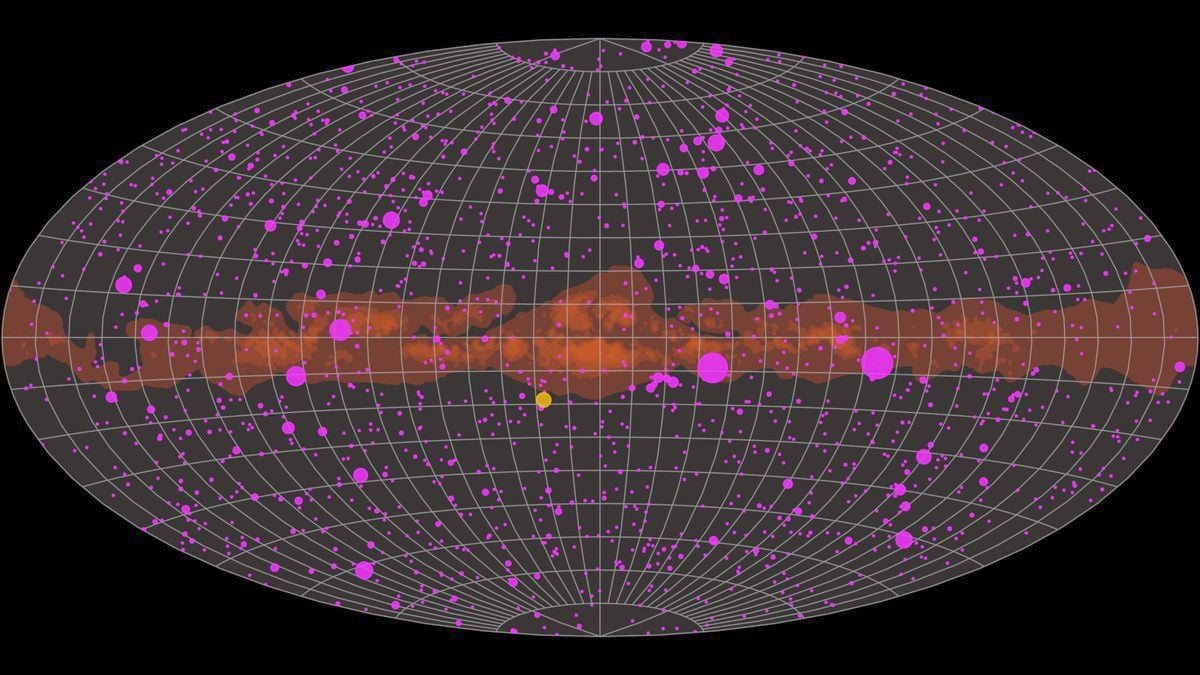
A new NASA animation shows what the sky over Earth would look like to humans if we could see high-energy gamma-ray light. The animation represents a cosmic firework display created as Earth's atmosphere is belted by gamma rays from astrophysical sources and powerful cosmic events. Over 90% of the cosmic firework gamma-rays in the animation originate from active galaxies called "blazars," in which feeding supermassive black holes blast out jets of material and radiation directly toward Earth. The footage was created using data collected by the Large Area Telescope (LAT) aboard NASA's Fermi Gamma-ray Space Telescope, which has been examining the gamma-ray sky from space for nearly 15 years.