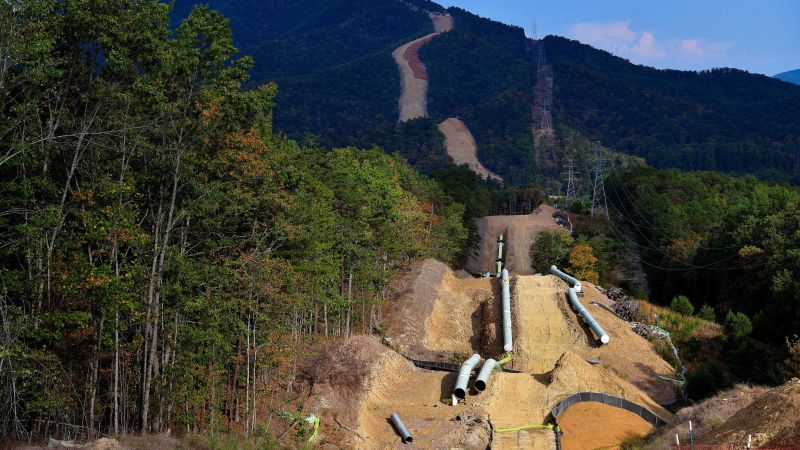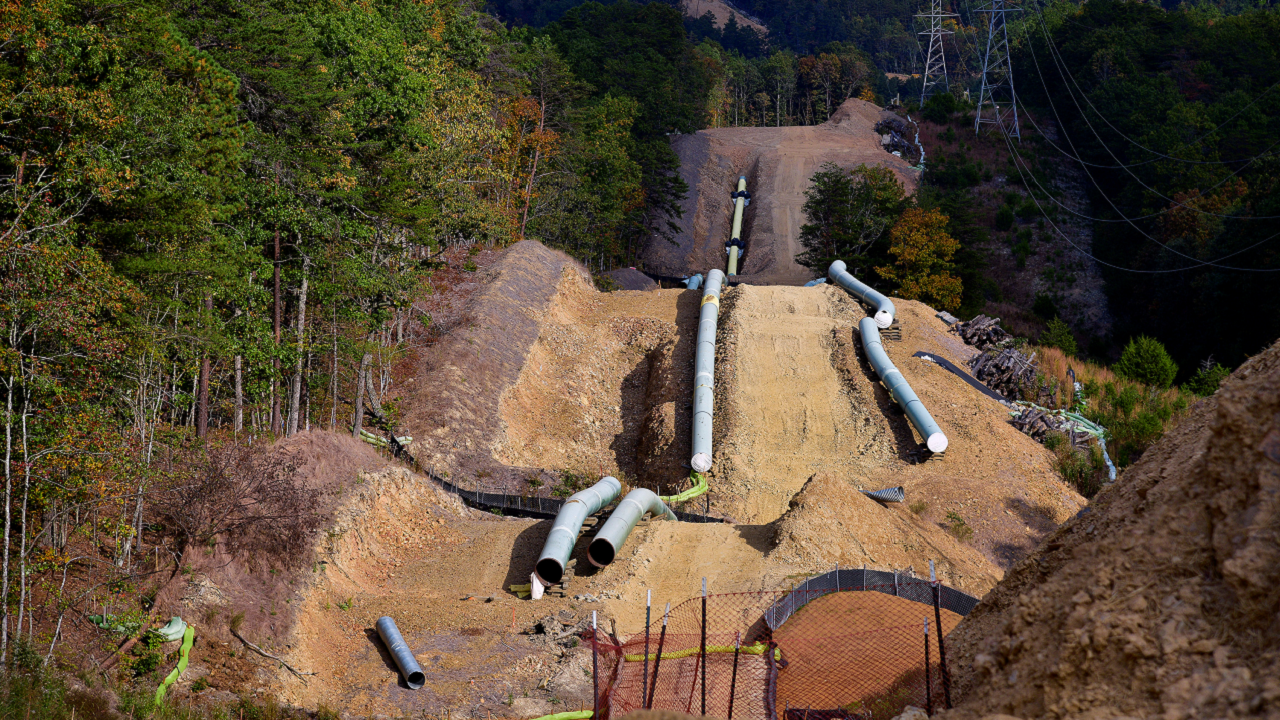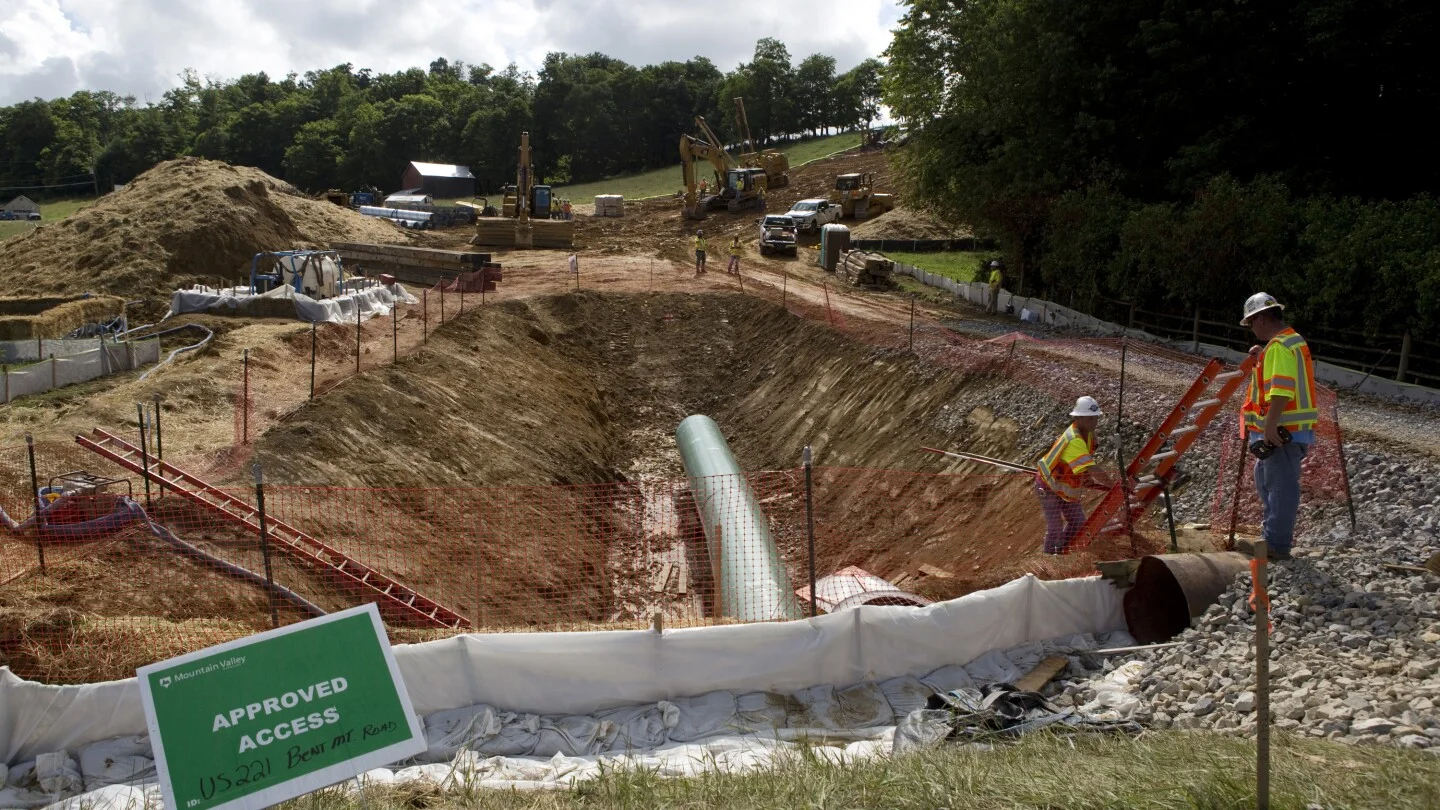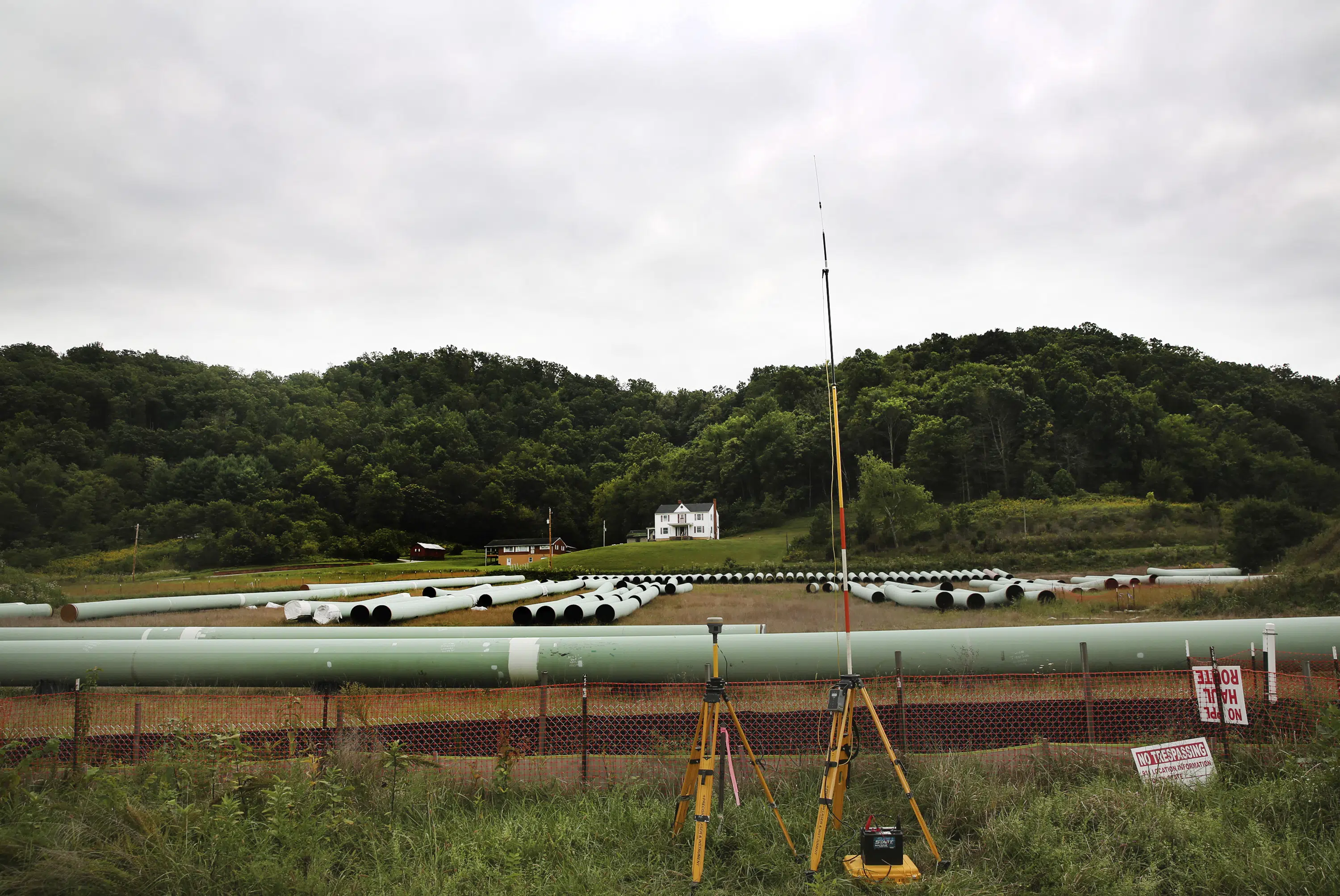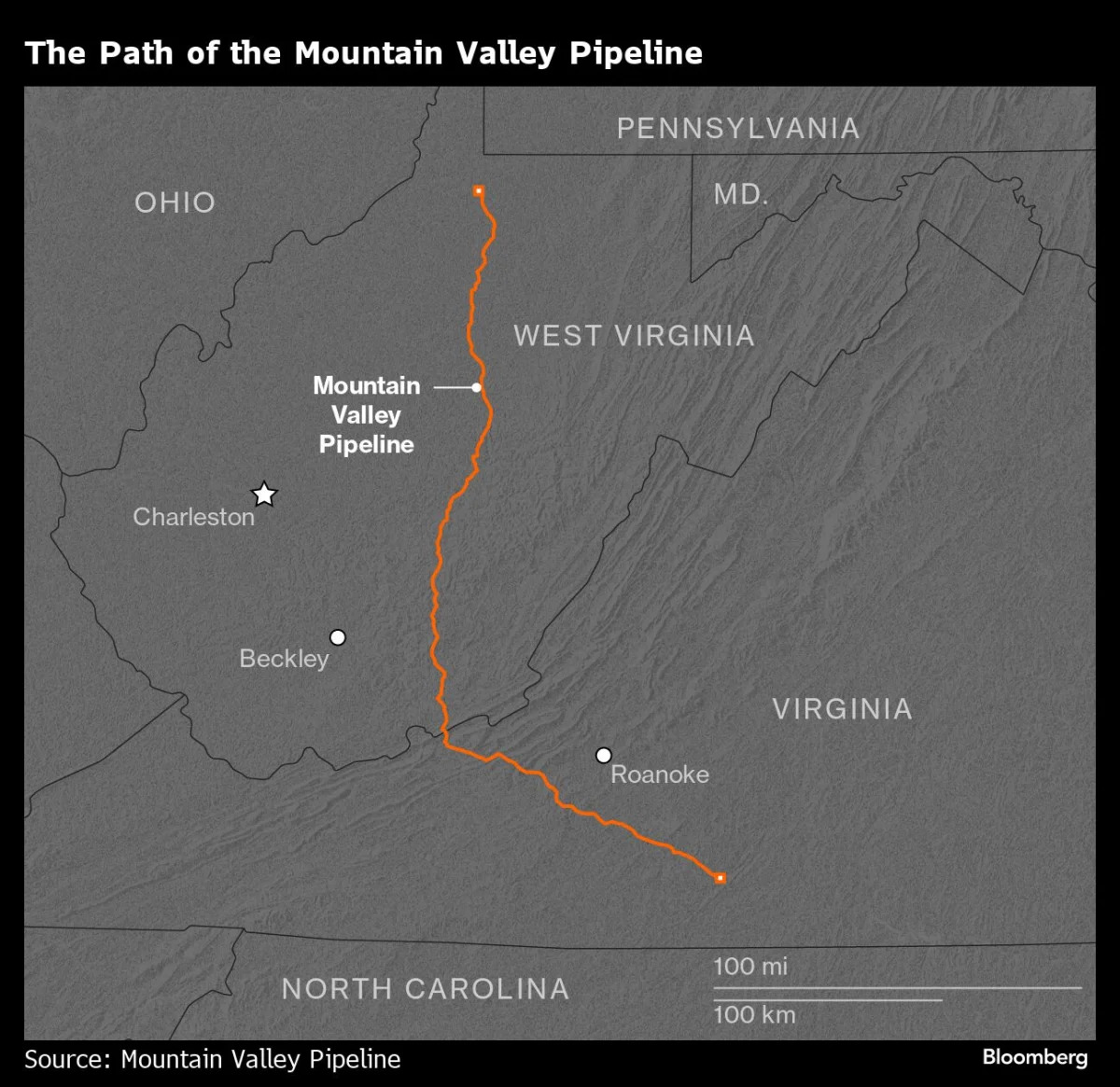
EQT Corp has agreed to buy back former unit Equitrans Midstream Corp for about $5.5 billion in stock, gaining control of the controversial Mountain Valley Pipeline project. The acquisition is expected to create annual cost savings of $250 million and help EQT cut its break-even point, reduce the need for hedging, and enhance its agility to cash in on increases in gas prices. The deal reflects a trend in the US fossil fuel sector favoring the vertical integration of upstream, midstream, and downstream assets, and is part of a series of recent transactions in the North American midstream industry.
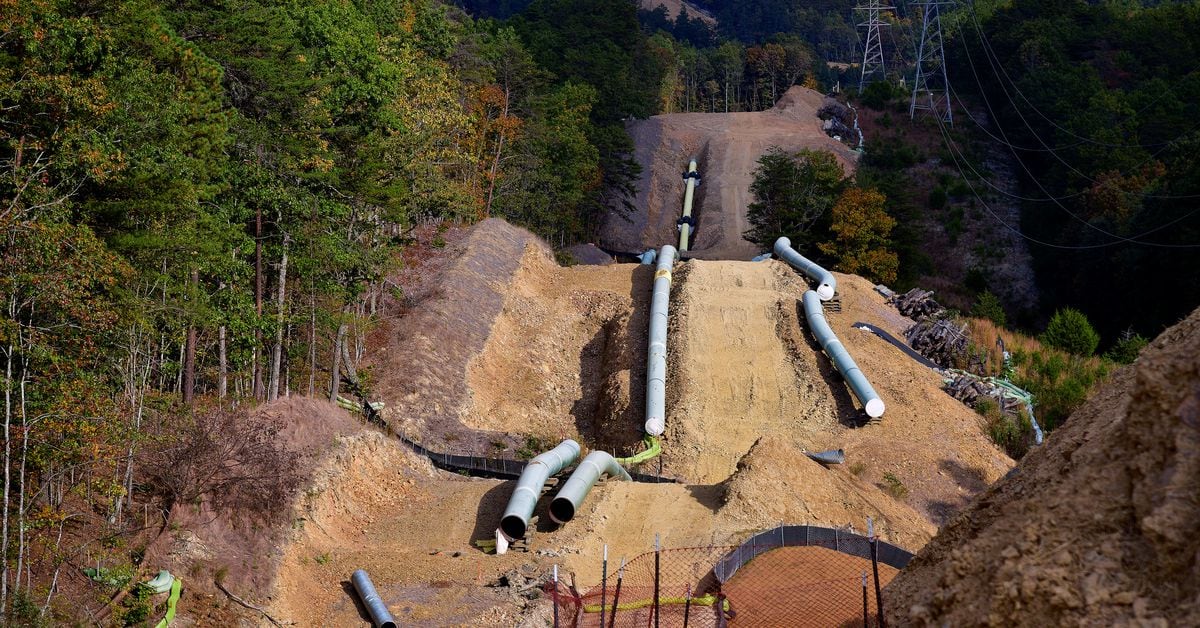
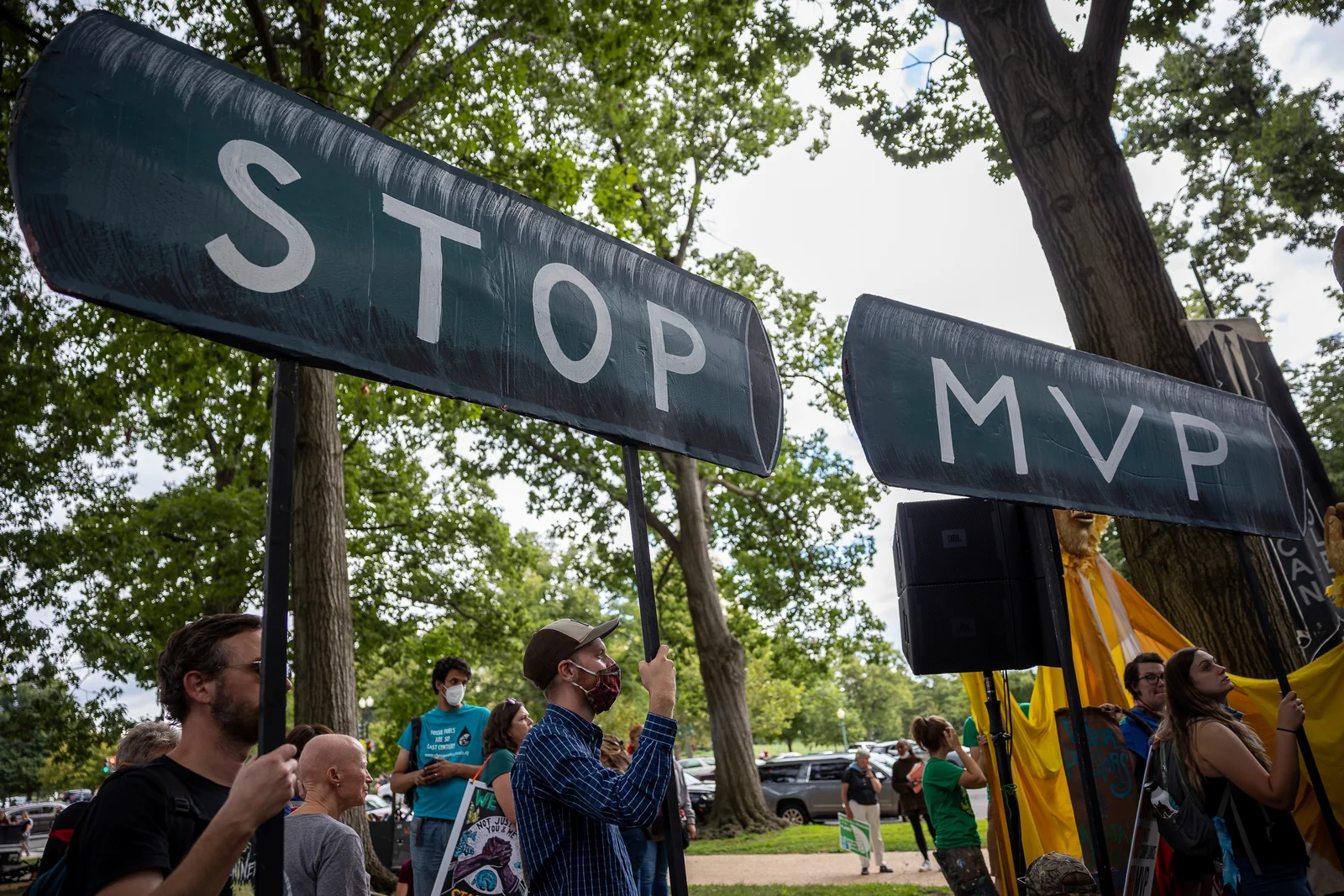
Equitrans Midstream has reached a consent agreement with the US pipeline regulator, the Pipeline and Hazardous Materials Safety Administration (PHMSA), for the Mountain Valley Pipeline (MVP) project. The agreement allows for previously planned inspections to verify the pipeline's integrity and includes other measures. The $6.6 billion gas pipeline project has faced legal challenges since its construction began in 2018. Environmentalists have raised concerns about its impact on soil and water quality. Equitrans Midstream believes that transparently outlining the steps being taken to responsibly complete construction will enhance public confidence in the pipeline's safe operation. The consent agreement is not expected to significantly affect the project's cost or schedule.
The Supreme Court has granted an emergency request to lift lower court orders that froze construction of the Mountain Valley Pipeline, allowing the controversial project to proceed. The 300-mile-long pipeline, which would transport gas from West Virginia to Virginia, has faced legal challenges and environmental concerns. The project has been delayed due to court challenges and permits being repeatedly tossed by the 4th US Circuit Court of Appeals. Congress passed a law mandating the completion of the pipeline, stripping jurisdiction from courts to hear challenges, and President Biden signed it into law. Environmental groups argue that Congress exceeded its authority, and a hearing is scheduled for Thursday at the appeals court.
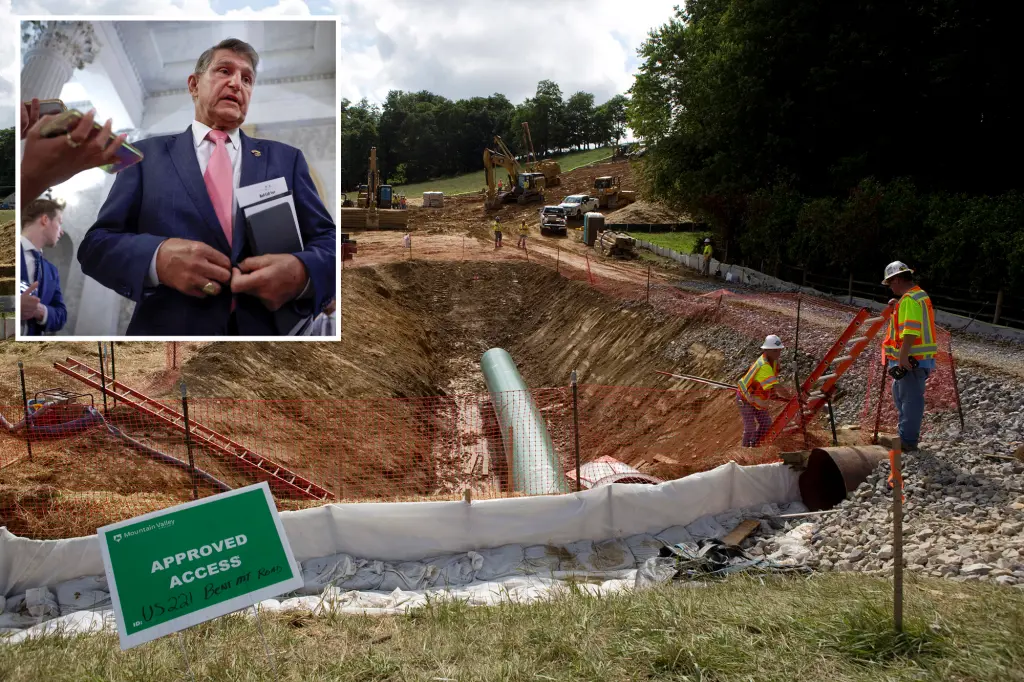
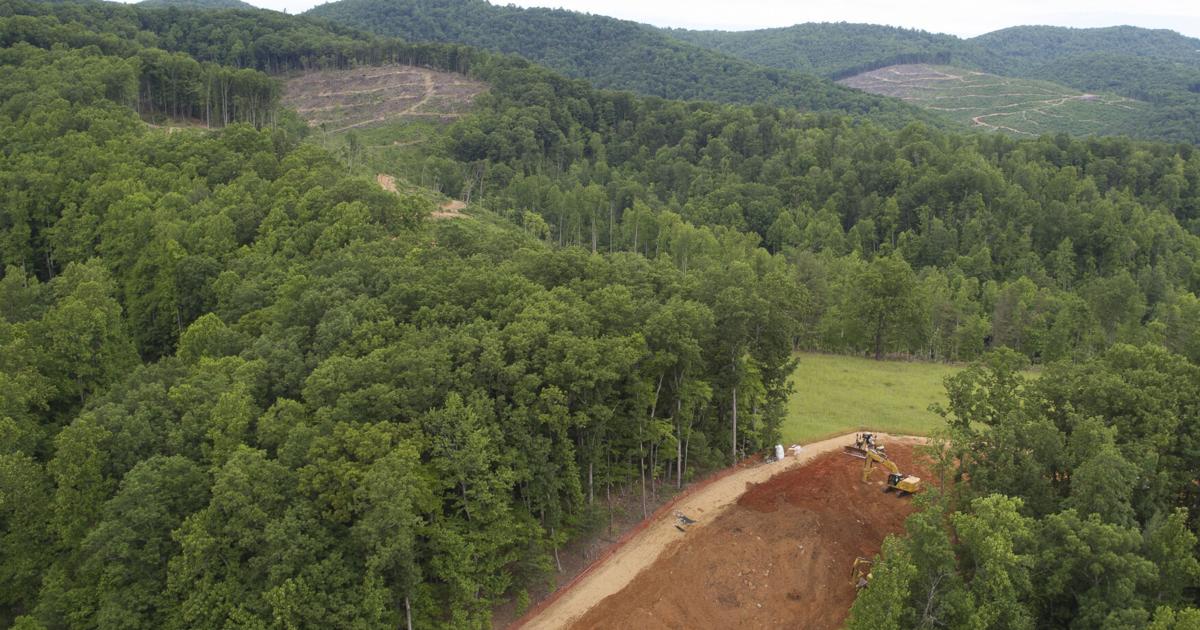
The Fourth Circuit Court of Appeals has issued a stay on the construction of a portion of the Mountain Valley Pipeline, a natural gas pipeline supported by Senator Joe Manchin. Congress had fast-tracked the completion of the pipeline by removing the Fourth Circuit's jurisdiction over the matter, but environmentalists argued that Congress overstepped its authority. The stay affects a three-mile portion of the pipeline running through the Jefferson National Forest. Senator Manchin criticized the court's decision, while Equitrans Midstream, the energy company involved in the project, is considering legal options, including an emergency appeal to the US Supreme Court.
Construction on the Mountain Valley Pipeline, a natural gas pipeline being built through Virginia and West Virginia, has been halted once again by a federal appeals court, despite a recent congressional order to issue all necessary permits. The court's stay focuses on a three-mile section of the pipeline that cuts through the Jefferson National Forest, with environmentalists arguing that the construction plan will cause erosion and harm soil and water quality. Supporters of the project, including Senator Joe Manchin, have criticized the court's decision, stating that it ignores the law passed by Congress. The pipeline, which is 94% complete, is projected to transport natural gas and create jobs and tax revenue for the region.
Equitrans Midstream is considering all legal options, including a potential appeal to the U.S. Supreme Court, after an appellate court ordered a construction halt on the Mountain Valley natural gas pipeline. The court's decision, which is being reviewed due to challenges from environmental groups, has caused Equitrans shares to drop and could potentially delay the project's completion until 2023. The pipeline, crucial for accessing gas supplies from Appalachia, is owned by Equitrans, NextEra Energy, Consolidated Edison, AltaGas, and RGC Resources. The Biden administration has expressed support for dismissing the appeals, and analysts believe the cases may ultimately be dismissed by the Supreme Court.
The 4th Circuit Court of Appeals has once again halted construction on the Mountain Valley Pipeline, a controversial natural gas pipeline in Virginia and West Virginia, despite Congress passing legislation requiring its approval. Environmentalists argue that Congress overstepped its authority and violated the separation of powers. The pipeline company is considering an emergency appeal to the U.S. Supreme Court. The stay focuses on a section of the pipeline that cuts through the Jefferson National Forest, with environmentalists claiming it will cause erosion and harm soil and water quality. The court also issued a similar stay related to allegations of Endangered Species Act violations. The pipeline is already substantially complete, and the project's lawyers argue that Congress has the right to strip the court's jurisdiction over the case.
A federal appeals court has ordered a temporary halt to the construction of the Mountain Valley Pipeline in a national forest, granting a request by environmental groups to challenge the Biden administration's approval of the natural gas pipeline. The court ruled that construction should stop while it reviews the Interior Department's decision allowing pipeline construction in the national forest. The decision only applies to a three-mile stretch of the pipeline planned to travel over 300 miles. Supporters of the pipeline, including Senator Joe Manchin, criticized the court's decision, while environmental groups welcomed the reprieve from further damage to public lands.
A federal appeals court has issued a stay on the construction of the Mountain Valley Pipeline in the Jefferson National Forest, halting its progress while the court considers arguments that Congress violated the separation of powers doctrine when it passed a law expediting the project. The court order comes after a challenge filed by The Wilderness Society, arguing that the law was unconstitutional. The same court has previously set aside nearly a dozen permits issued to Mountain Valley over the past five years. The construction of the pipeline has been plagued by environmental concerns and violations of erosion and sedimentation control regulations.
A mystery trader made a huge bullish bet on Equitrans Midstream Corp. several days before the US government announced a deal that would give the long-delayed Mountain Valley Pipeline the final approvals needed to complete the project. The bet involved snapping up 100,000 call options on the firm's stock, which proved prescient and wildly profitable within just a few days. The bet has raised suspicions of insider trading, with some questioning whether the parameters of the debt deal had somehow leaked out ahead of time. No one has been accused of any wrongdoing with the options trade, and Equitrans said neither the company nor any of its executives were involved in the transaction.
A mystery trader made a $7.5 million profit on Equitrans Midstream call options just days before the announcement of the inclusion of the Mountain Valley Pipeline in the debt ceiling deal. The timing of the trade has raised suspicions of insider trading, as the pipeline's inclusion was kept secret until the deal was announced. Congress members are prohibited from trading on confidential information, but a 2021 investigation found repeated violations of the STOCK Act. Ethics watchdogs are calling for an investigation into the matter.
Senator Joe Manchin criticized Republicans for taking credit for the inclusion of a provision green-lighting the Mountain Valley Pipeline in the debt ceiling bill, saying he was the lead voice advocating for it. Manchin praised Republican leaders for supporting the pipeline but said it was ultimately his longstanding and persistent advocacy for the project that won the White House over. The pipeline has been significantly slowed by a lengthy permitting process, and environmental groups have vowed to challenge permits in court.
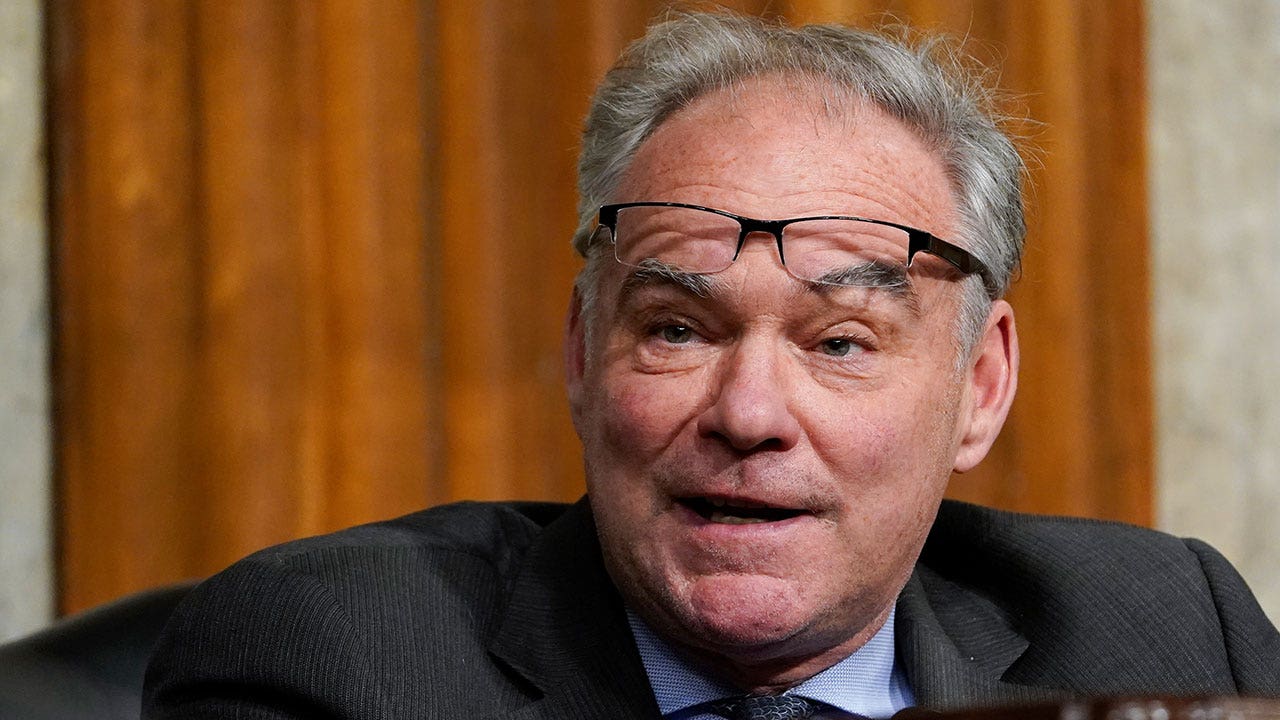
Sen. Tim Kaine has introduced an amendment to the House-passed debt ceiling bill to strip approval for the Mountain Valley Pipeline, a controversial pipeline backed by fellow Democratic Sen. Joe Manchin. Kaine and other Virginia Democrats have opposed the inclusion of the pipeline approval in the bill, arguing that it is unfair and opens the door to corruption. Manchin, who is up for reelection next year, is a top target for Republicans hoping to retake the Senate in 2024 and securing approval for the pipeline is a key priority for the senator.
Democratic Virginia Senator Tim Kaine criticized the White House for not consulting him before agreeing to include a provision in the debt ceiling bill to fast-track permitting for the Mountain Valley Pipeline project, which runs through his state. Kaine suggested that the White House consulted Sen. Joe Manchin, D-W.Va., on the provision while ignoring him. The pipeline has been 94% completed but has been slowed by a lengthy permitting process.
The White House and House Republicans have agreed on limited changes to overhaul environmental regulations and streamline federal permitting as part of their debt ceiling deal. The final legislation includes provisions to speed up infrastructure projects under the National Environmental Policy Act, but it does not clear the way to build large-scale electricity transmission lines, instead ordering a two-year study of the issue. The legislation essentially ensures construction of the long-delayed Mountain Valley Pipeline, a $6.6 billion project to transport natural gas through Appalachia. The failure to agree on a more sweeping overhaul on permitting rules leaves an important item on Biden’s legislative to-do list.