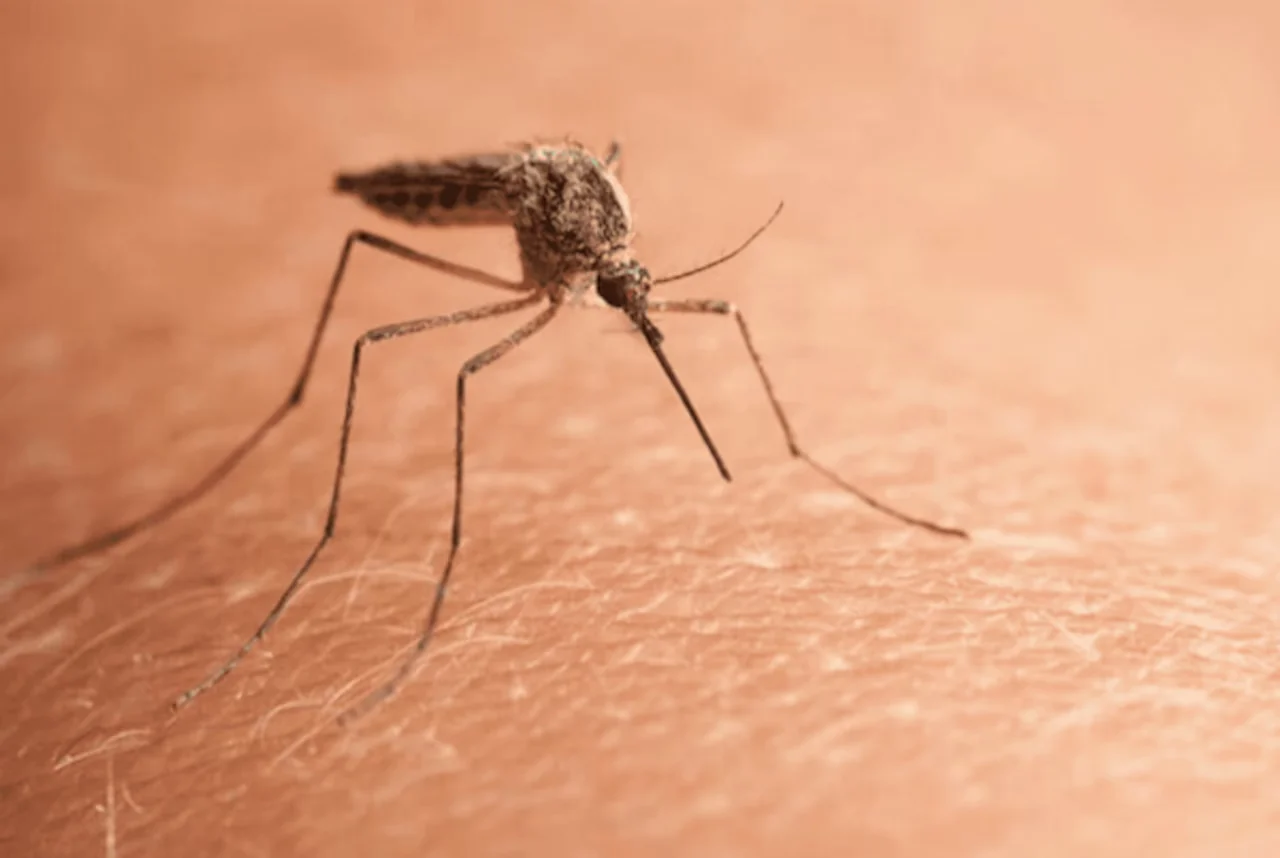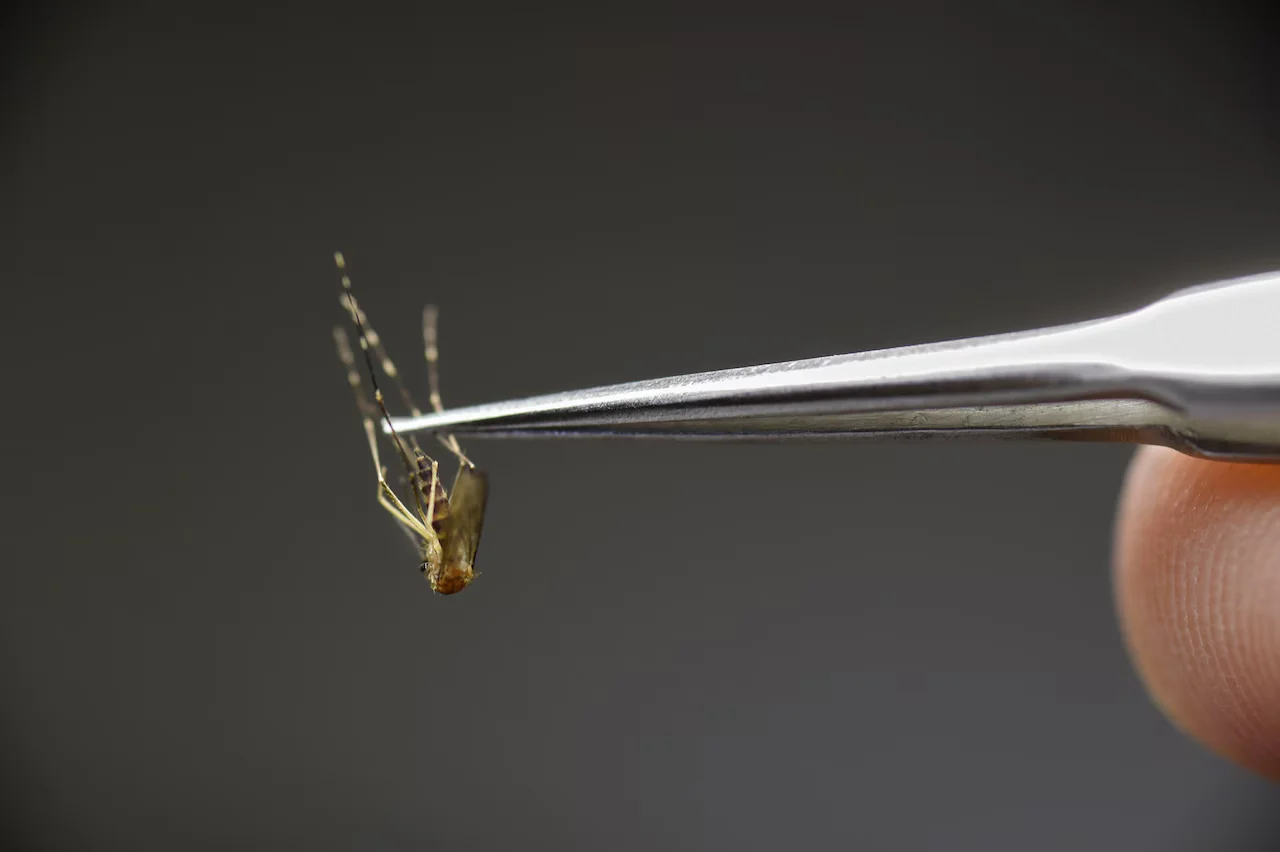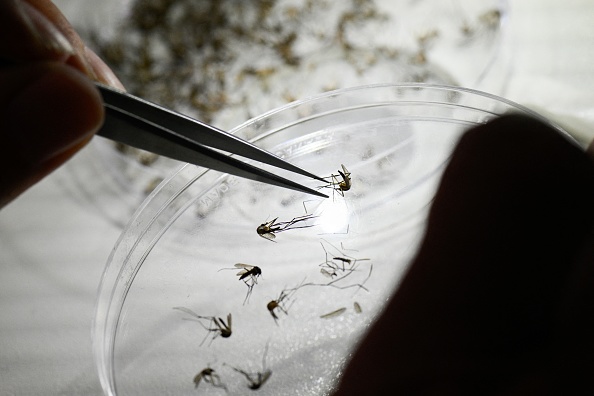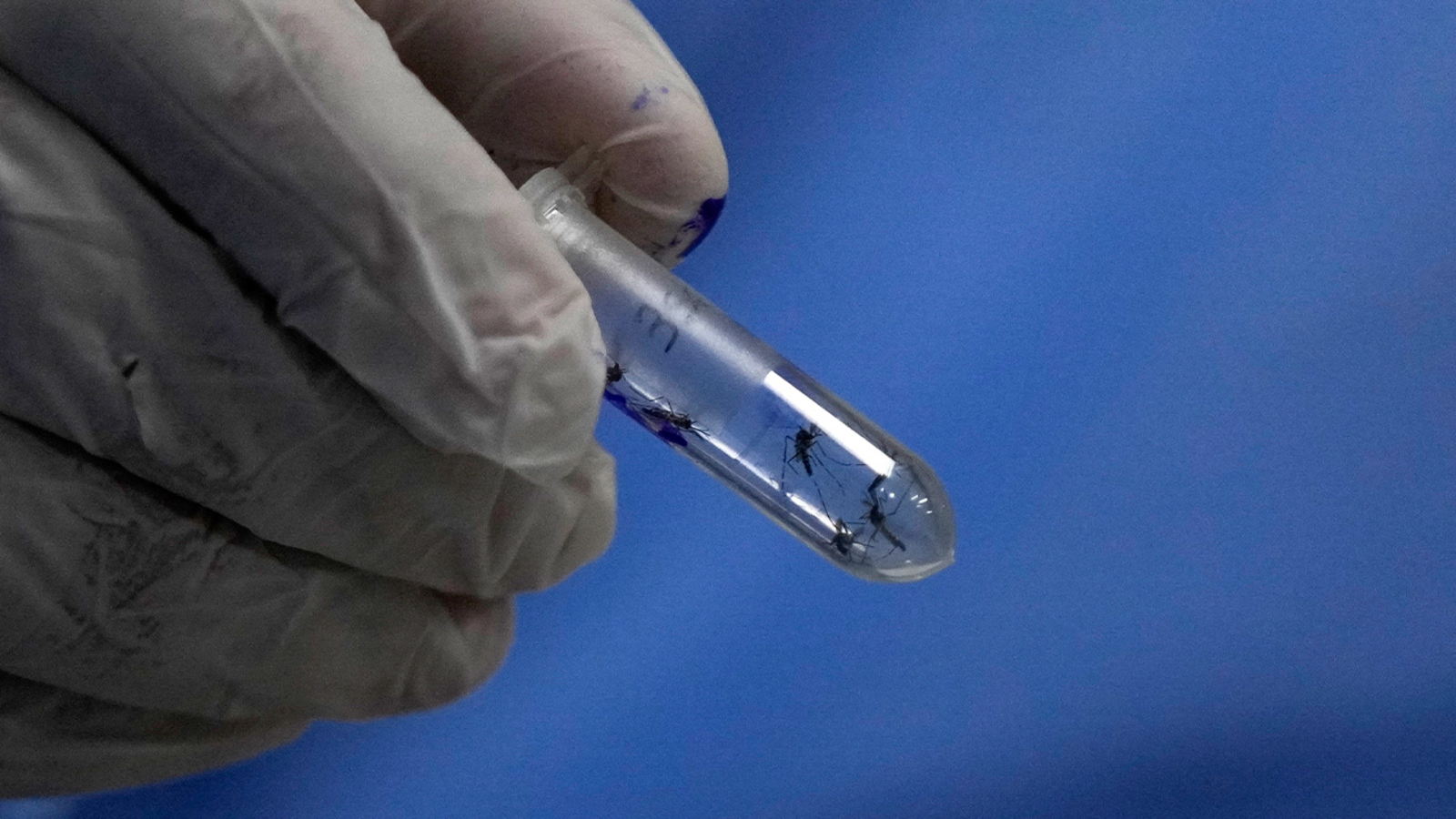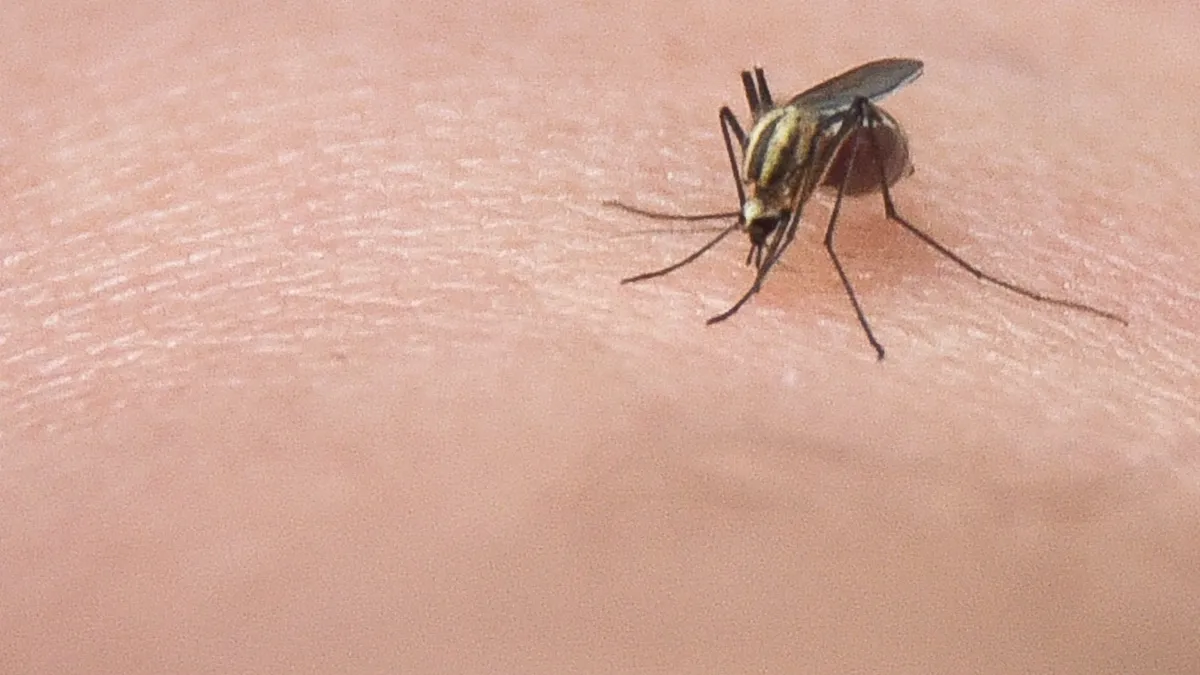
Health officials in Australia have detected the first case of Japanese encephalitis virus for the summer, raising concerns due to increased mosquito populations driven by climate change. The virus, which can cause severe brain inflammation and is spread by mosquitoes, prompts precautions like using bug spray and removing stagnant water. Researchers are exploring new control methods, but reducing pollution remains key to managing mosquito-borne diseases.

George Baker Jr., a healthy and active volunteer firefighter and outdoorsman from Central New York, died at age 79 from eastern equine encephalitis (EEE), a rare and deadly mosquito-borne virus with no cure, marking the first EEE-related death in the region in 10 years.
A 79-year-old man from Madison County has died from eastern equine encephalitis (EEE), marking the first EEE-related death in Central New York since 2015, highlighting ongoing mosquito-borne disease risks amid climate change effects.
Madison County reports its first human case of Eastern Equine Encephalitis (EEE), a rare but deadly mosquito-borne virus that attacks the brain, with no available vaccine or treatment, highlighting ongoing public health concerns about mosquito-borne diseases in Central New York.
Chikungunya, a mosquito-borne virus causing debilitating joint pain, is rapidly spreading worldwide due to climate change expanding mosquito habitats, with over 240,000 cases reported this year. While not usually fatal, the disease can cause long-term health issues and economic impacts, and current vaccines are limited in availability. Efforts focus on mosquito control and surveillance to prevent further outbreaks.
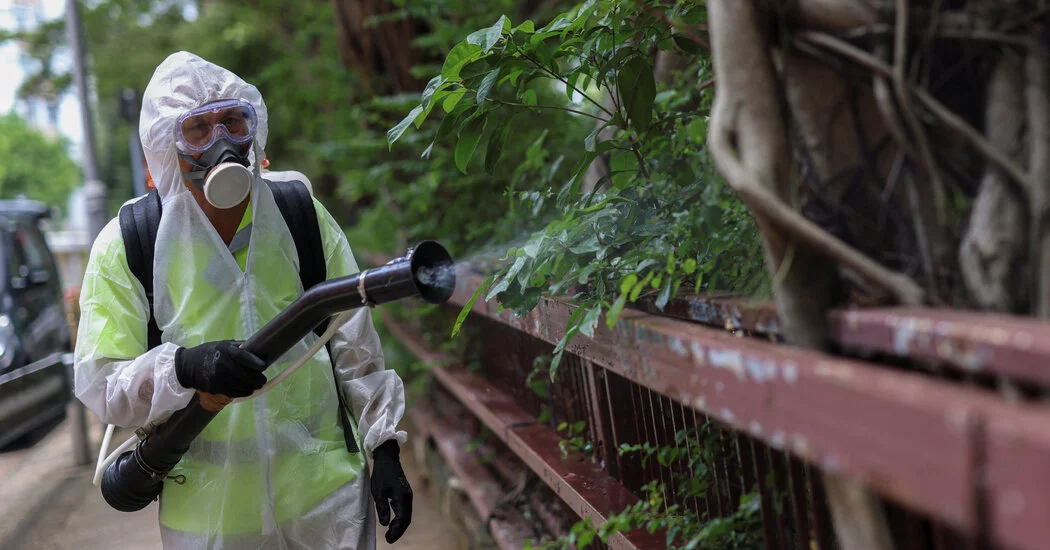
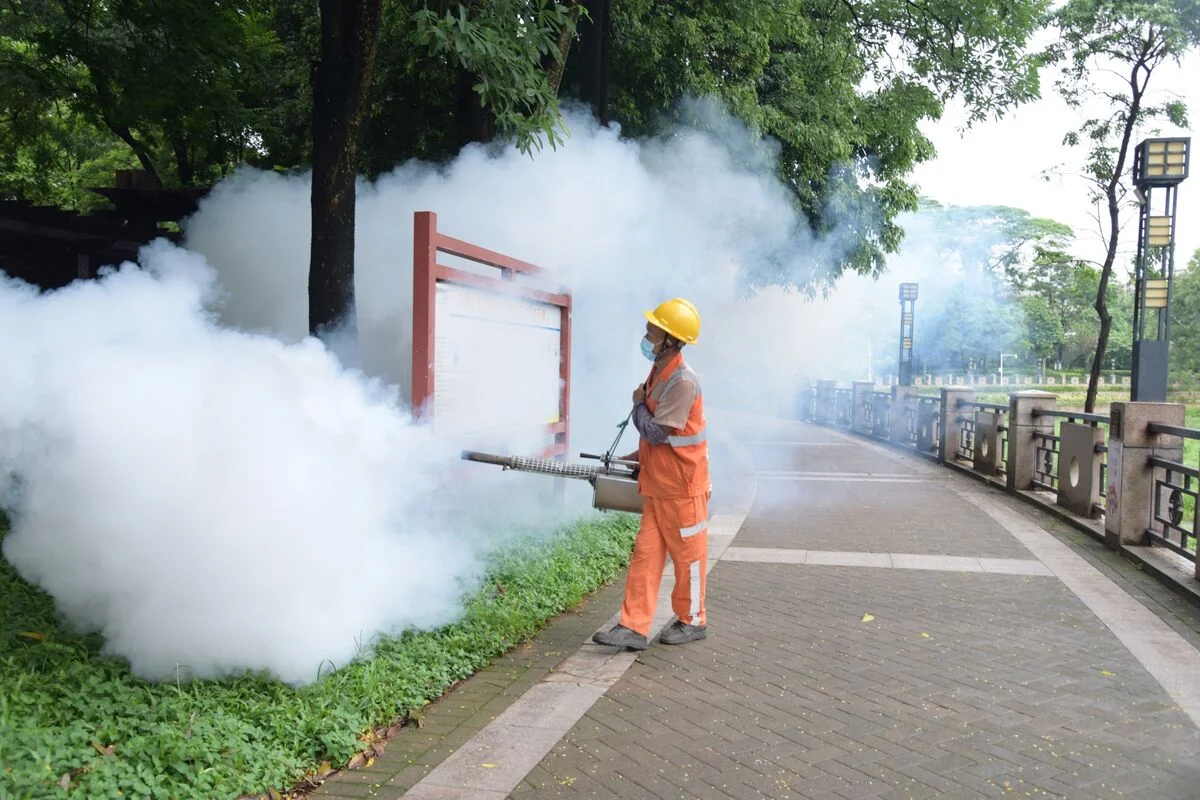
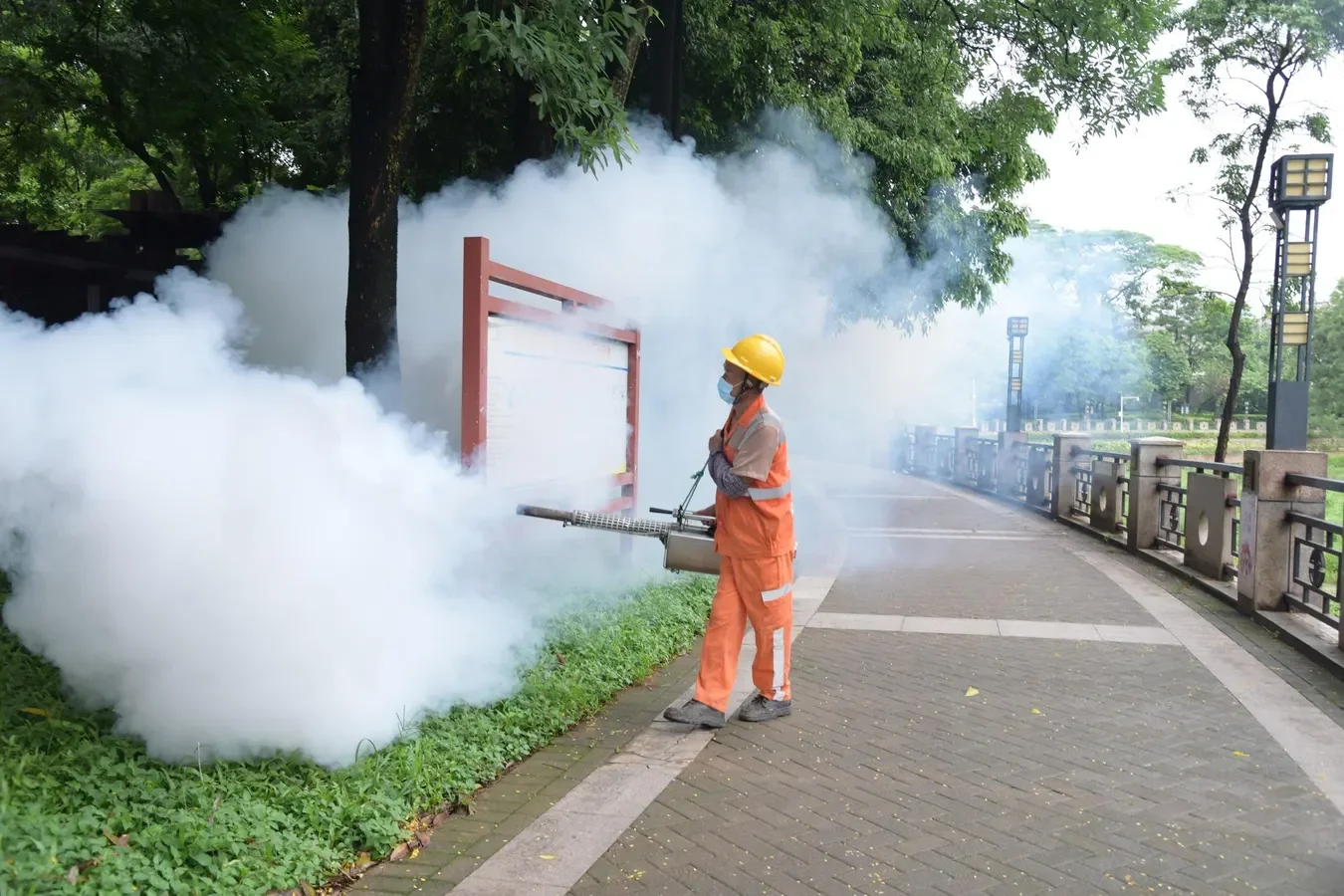
China has reinstated some Covid-era health measures in Guangdong to control a chikungunya outbreak, including tracking medication purchases and community disinfection, amid social media criticism and concerns over the virus's spread through mosquito vectors, with neighboring cities implementing additional travel and health monitoring protocols.
A chikungunya virus outbreak has infected over 7,000 people across 13 cities in China's Guangdong province, prompting strict quarantine and mosquito control measures similar to COVID-19 protocols, despite the virus not being person-to-person transmissible. The virus, spread by infected mosquitoes, causes symptoms like joint pain and rash, and has a vaccine available in the US. Travel advisories have been issued for affected regions, with efforts underway to control mosquito populations and prevent further spread.
The Pan American Health Organization (PAHO) has reported over 5.2 million cases of dengue in the Americas, surpassing the 2023 yearly record, with Brazil being the hardest hit. PAHO warns that countries in the northern hemisphere should prepare for an increase in cases as spring approaches. Factors contributing to the rise in cases include rising temperatures, extreme weather events, and inadequate water and sanitation services. While a vaccine is available, it is not capable of immediately interrupting outbreaks, and PAHO recommends focusing on surveillance, mosquito control, and clinical management to control the outbreak.
Puerto Rico has declared a public health emergency due to a surge in dengue cases, with 549 cases registered so far this year. Dengue, the most common mosquito-borne virus worldwide, is spread by the Aedes aegypti mosquito and can cause severe symptoms, including shock and internal bleeding. Health officials are urging people to use insect repellent and eliminate mosquito breeding sites, while also considering installing mosquito nets. Climate change is expected to encourage the spread of dengue around the world.
Puerto Rico has declared a public health emergency due to a significant increase in dengue cases, with 549 cases reported so far this year. Dengue, the most common mosquito-borne virus worldwide, is endemic in tropical and subtropical climates, and can cause severe symptoms including fever, nausea, and body aches. Health officials are urging people to use insect repellent and eliminate mosquito breeding sites, while also noting the potential impact of climate change on the spread of the virus.
Puerto Rico's health secretary has declared an epidemic of dengue following a significant increase in cases, with over 549 reported so far this year compared to 1,293 cases in all of last year. More than 340 people have been hospitalized due to the mosquito-borne virus, which can cause severe symptoms including headaches, fever, vomiting, and rash. While dengue has been reported in more than half of the U.S. this year, only 3 cases in Florida are believed to be from local infections. The rise in cases is attributed to higher rainfall, humidity, and heat linked to climate change.
Puerto Rico's health secretary has declared an epidemic after a surge in dengue cases, with at least 549 reported so far this year, compared to 1,293 for all of last year. Over 340 people have been hospitalized, with the majority of cases in the capital, San Juan. The World Health Organization notes that climate change-related factors like higher rainfall, humidity, and heat have contributed to a rise in cases, with the Western Hemisphere reporting nearly 80% of the 5 million cases worldwide last year.
Puerto Rico has declared a public health emergency due to a significant increase in dengue fever cases, with at least 549 reported and over 340 hospitalizations. The virus, transmitted by mosquitoes, has also been on the rise in Central and South America. The CDC has issued a travel warning for several countries experiencing dengue outbreaks, urging travelers to protect themselves from mosquito bites. Jamaica has also faced a dengue outbreak, with over 3,100 cases and nine deaths reported.
Puerto Rico's health secretary has declared an epidemic following a significant increase in dengue cases, with at least 549 reported so far this year compared to 1,293 cases for all of last year. More than 340 people have been hospitalized for the mosquito-borne virus, and health officials attribute the rise in cases to higher rainfall, humidity, and heat linked to climate change. Dengue can cause severe symptoms and even death in some cases.
Puerto Rico has declared an epidemic due to a surge in dengue cases, with over 500 reported so far this year. The majority of cases have been in the capital, San Juan, and more than 340 people have been hospitalized. Health officials attribute the rise in cases to climate change-related factors such as increased rainfall, humidity, and heat. Dengue can cause severe symptoms and even death in some cases.