George Baker Jr., a healthy and active volunteer firefighter and outdoorsman from Central New York, died at age 79 from eastern equine encephalitis (EEE), a rare and deadly mosquito-borne virus with no cure, marking the first EEE-related death in the region in 10 years.
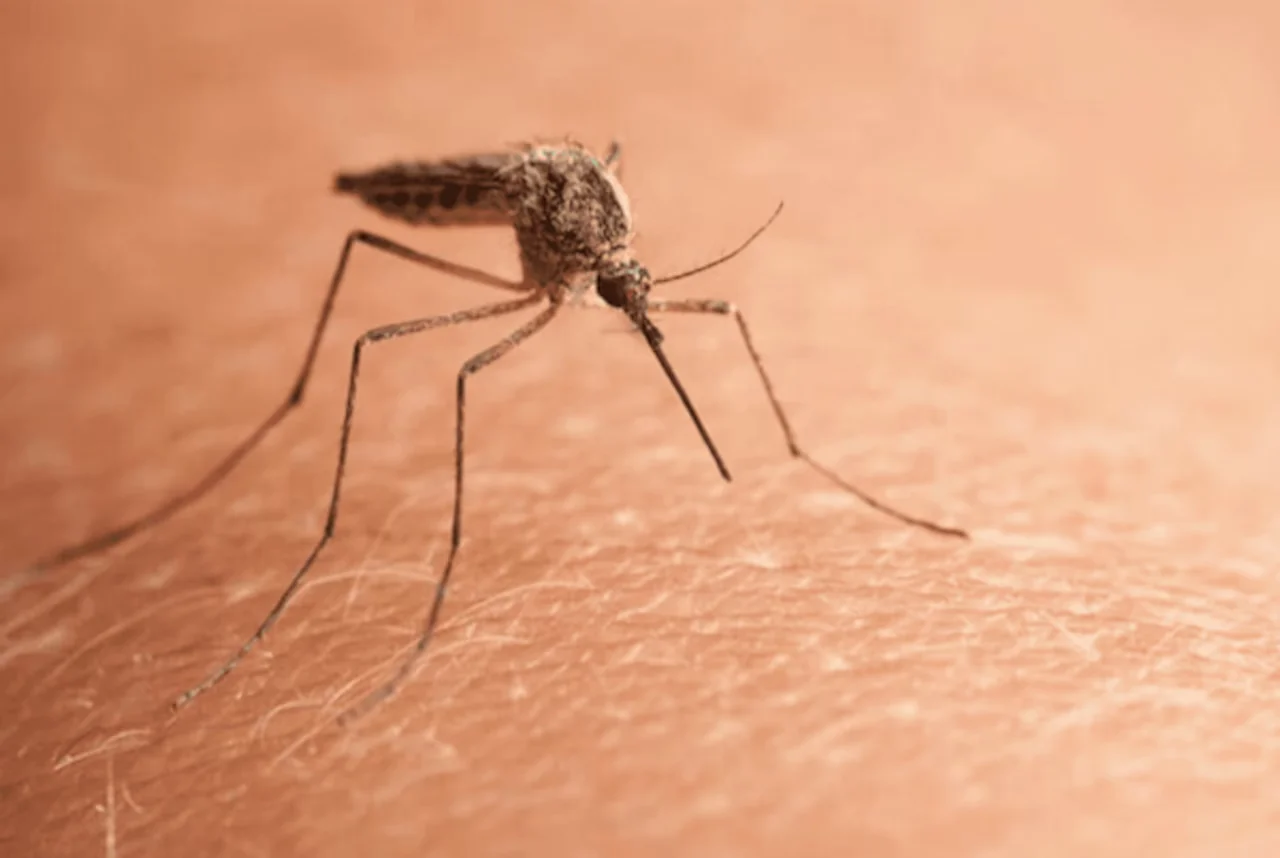
A 79-year-old man from Madison County has died from eastern equine encephalitis (EEE), marking the first EEE-related death in Central New York since 2015, highlighting ongoing mosquito-borne disease risks amid climate change effects.
Madison County reports its first human case of Eastern Equine Encephalitis (EEE), a rare but deadly mosquito-borne virus that attacks the brain, with no available vaccine or treatment, highlighting ongoing public health concerns about mosquito-borne diseases in Central New York.
Mosquito-borne diseases like EEE and West Nile virus have decreased in Massachusetts compared to last year, with EEE being particularly deadly in humans, though cases remain rare and localized.
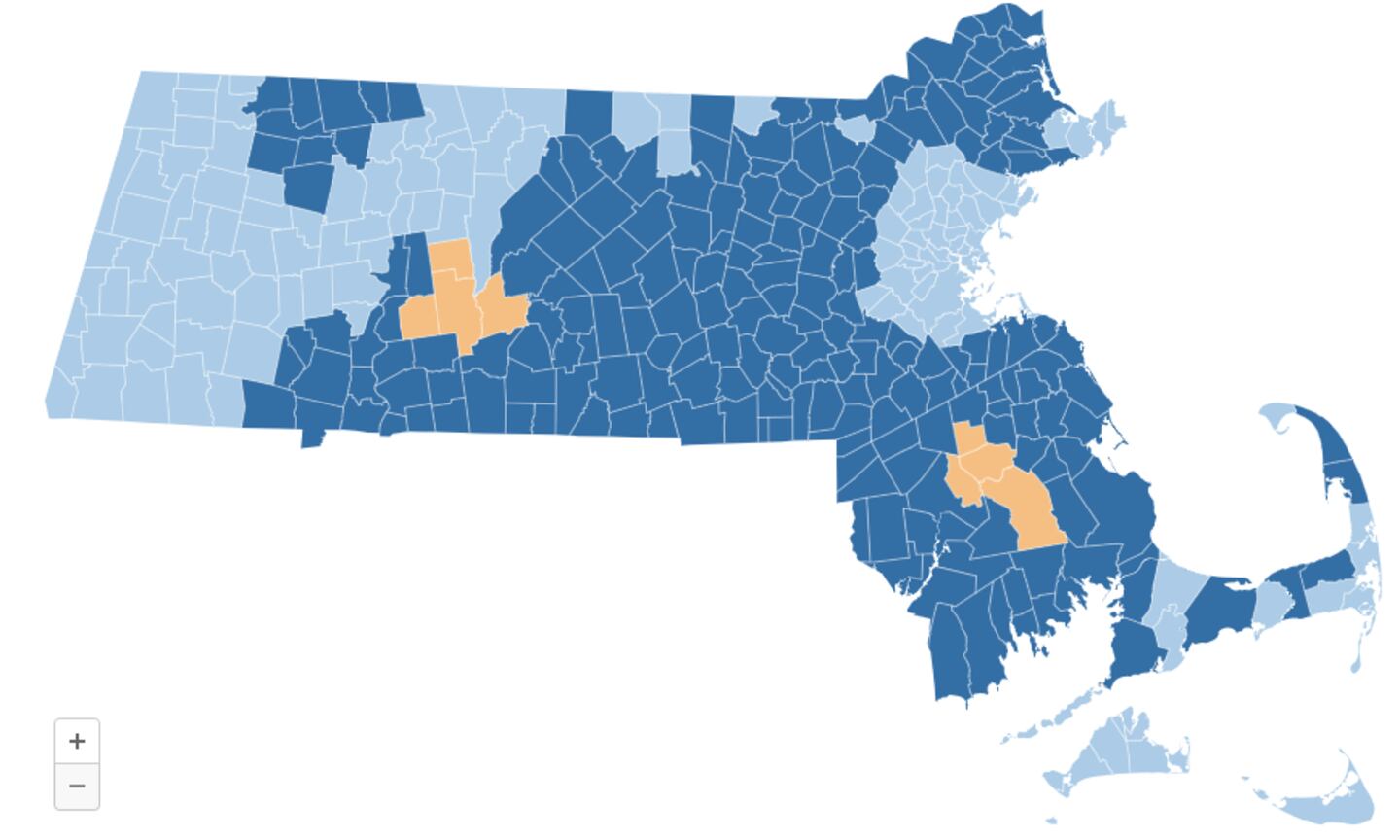
Massachusetts has confirmed its second case of Eastern Equine Encephalitis (EEE) in mosquitoes this year, with no human or animal cases reported yet. The infected mosquitoes were found in Bridgewater and Belchertown, prompting health officials to advise precautions such as using insect repellent and eliminating standing water to reduce mosquito bites. EEE is a deadly virus with a high fatality rate and potential for severe neurological damage, but most human cases occur in late summer and early fall.
Massachusetts has detected its first case of eastern equine encephalitis (EEE) in mosquitoes this year in Belchertown, prompting health officials to urge residents to take precautions against mosquito bites as the risk of outbreak may increase during the summer.
The New York State Department of Health has confirmed the presence of eastern equine encephalitis (EEE), a rare and extremely serious viral disease spread by mosquitoes, in multiple counties in the Hudson Valley. Nearly one in three people die from the disease, and there is currently no vaccine available. Health officials advise taking proactive measures to prevent mosquito bites, as two cases have been confirmed in horses and mosquito pools have tested positive for the virus in certain counties.
Rhode Island is on high alert as mosquito samples in the state have tested positive for Eastern Equine Encephalitis (EEE) and West Nile virus. The presence of these mosquito-borne diseases has raised concerns for public health and prompted increased surveillance and prevention efforts in the area.
A horse in Mecosta County, Michigan, has contracted Eastern Equine Encephalitis (EEE), the first case in a domestic animal this year. EEE is a mosquito-borne virus that can be fatal to horses and humans. Another horse in Calhoun County has also contracted West Nile virus. The Michigan Department of Agriculture and Rural Development advises horse owners to vaccinate their animals against EEE and West Nile, keep them indoors during peak mosquito activity, and use approved insect repellents. Four people in Michigan have contracted West Nile virus this year, and the threat of mosquito-borne illnesses will continue until the first hard freeze of the season.
A horse in Schuyler Falls, Clinton County, has tested positive for the Eastern Equine Encephalitis (EEE) virus, marking the second case of the virus in northern New York this summer. EEE is a rare but serious virus transmitted by mosquitoes that can cause inflammation of the brain. While there have been no human cases reported in New York so far in 2023, it is important to protect oneself from mosquito bites as there are no medications to prevent or treat EEE virus infections in humans.
A horse in Baldwin County has tested positive for Eastern Equine Encephalitis (EEE), a potentially deadly disease transmitted by mosquitoes. This raises concerns for public health in the area and highlights the need for increased mosquito control measures to prevent the spread of the disease.
A second horse in St. Lawrence County, New York, has tested positive for eastern equine encephalitis (EEE), a virus transmitted by mosquitoes that can cause inflammation of the brain. Health officials urge horse owners to consult a veterinarian about vaccinating their horses against EEE.
Mosquitoes in Barry County, Michigan have tested positive for Eastern Equine Encephalitis (EEE), a mosquito-borne disease with a 33% fatality rate in humans. The disease is most dangerous for individuals under 15 or above 50 and can cause symptoms such as fever, chills, body aches, and brain inflammation. To protect against EEE, people are advised to use insect repellent, wear protective clothing, use window and door screens, and eliminate mosquito breeding sites. Horses are also at risk, with a 90% fatality rate from EEE, and can be protected through vaccination, sheltering in a barn with fans, and using horse-safe insect repellent.
Health officials in Michigan have confirmed the presence of Eastern Equine Encephalitis (EEE) in mosquitoes collected in Bay County. While there have been no human cases reported so far this year, EEE is a dangerous mosquito-borne disease with a 33% fatality rate. People under 15 years old and over 50 are at the greatest risk. Symptoms include fever, chills, body aches, and can progress to severe encephalitis, seizures, and paralysis. Prevention measures include using insect repellents, wearing protective clothing, maintaining window and door screening, and eliminating mosquito breeding sites. Horses are also vulnerable to EEE, with a 90% fatality rate, and vaccination and other protective measures are recommended.