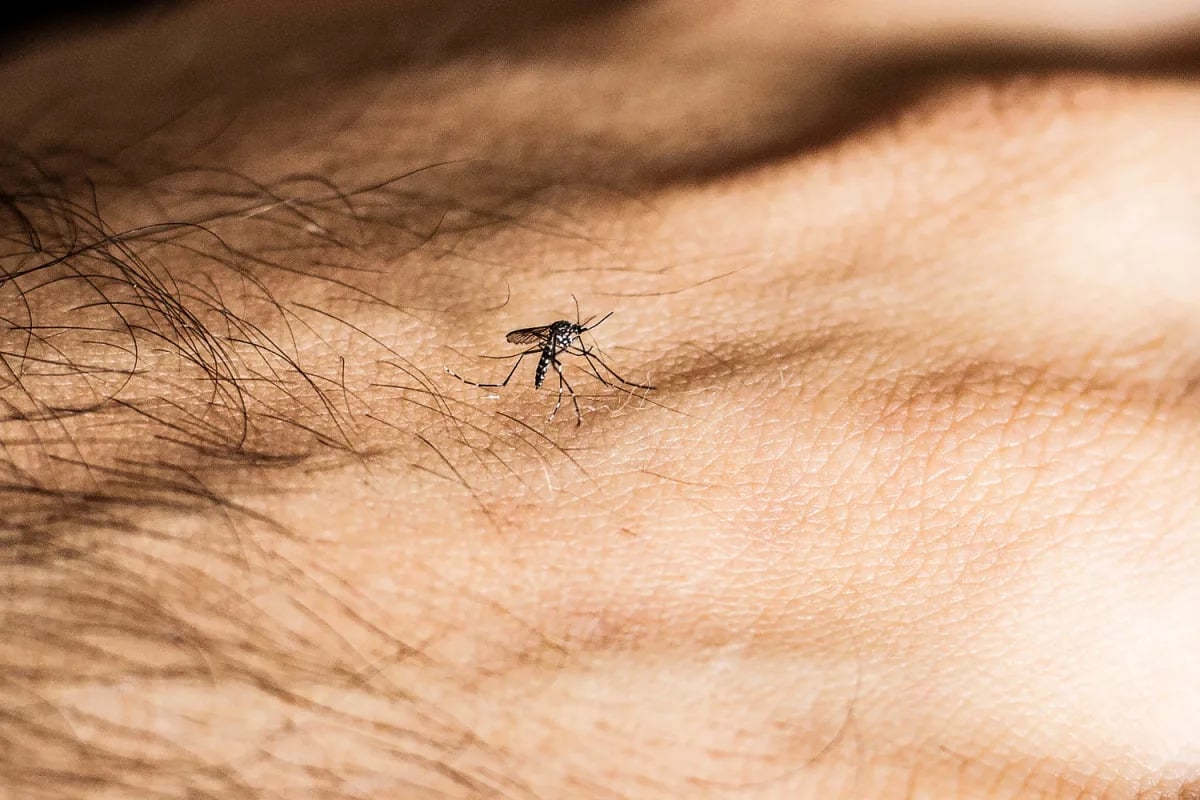
France is experiencing a surge in mosquito-borne illnesses like chikungunya, prompting authorities to deploy insecticide and preventive measures to control the outbreak, which is linked to rising temperatures and climate change.
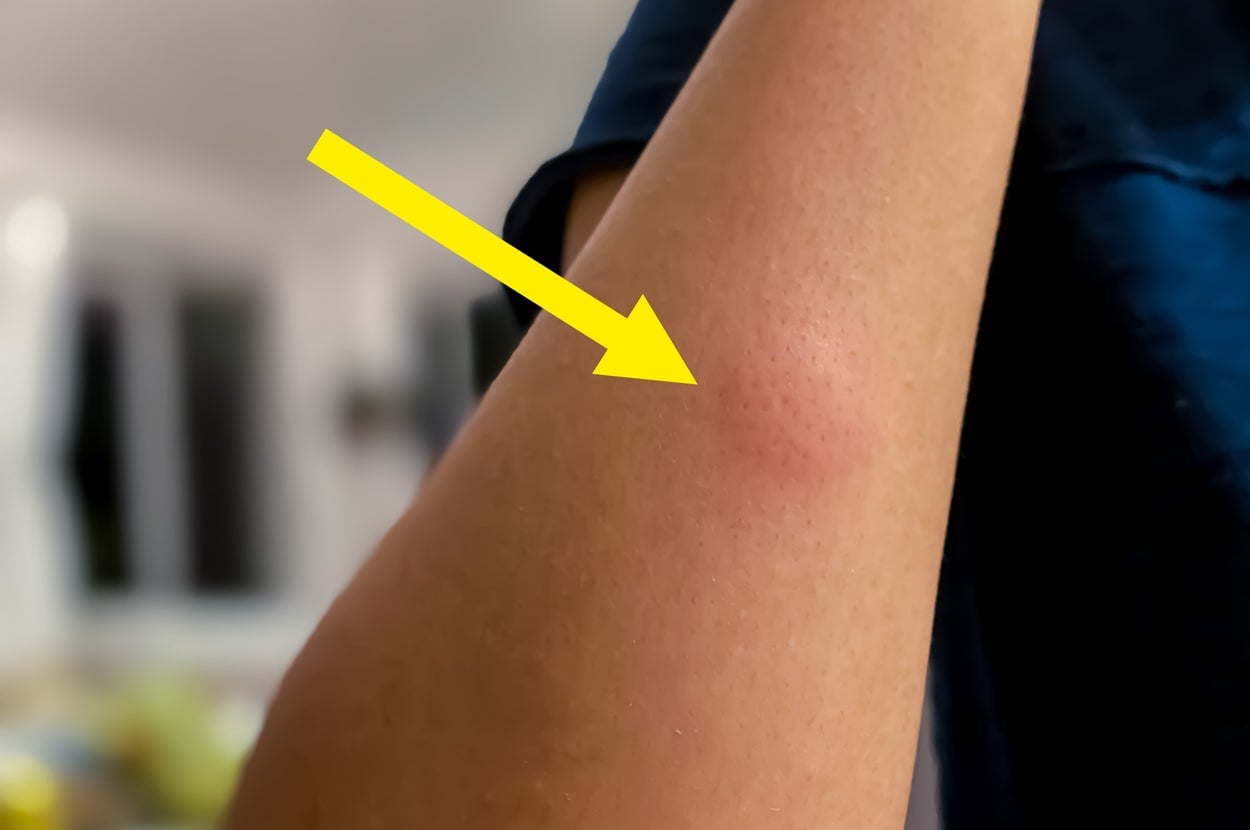
To properly care for mosquito bites, avoid scratching to prevent infection and worsening symptoms. Instead, clean the area, apply ice, and use anti-itch creams or DIY remedies. Monitor for symptoms of mosquito-borne diseases like Zika or West Nile virus, and seek medical attention if necessary.
A case of chikungunya in Hong Kong highlights the growing threat of mosquito-borne diseases spreading into new regions due to climate change, with efforts underway to control mosquito populations and prevent further infections.
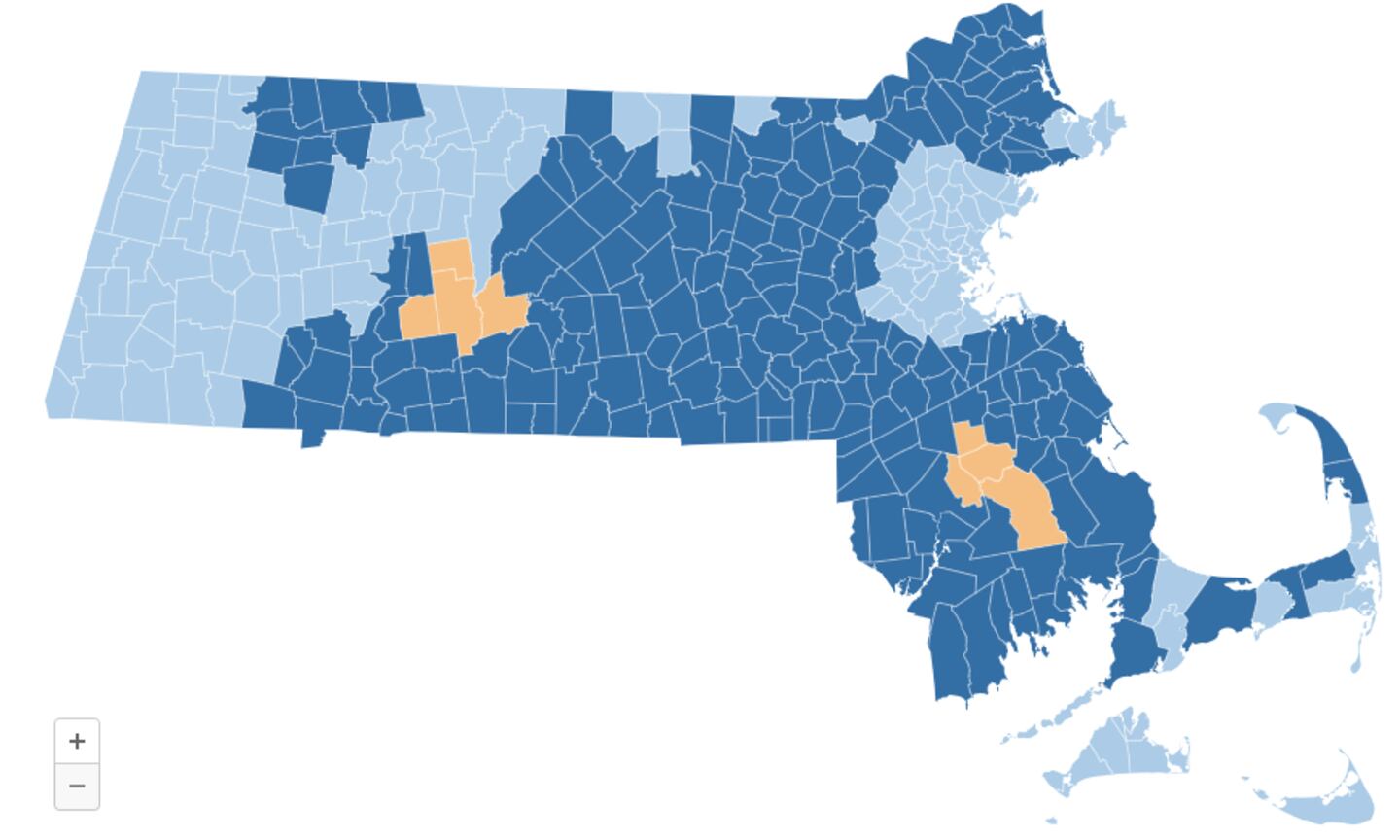
Mosquito-borne diseases like EEE and West Nile virus have decreased in Massachusetts compared to last year, with EEE being particularly deadly in humans, though cases remain rare and localized.
Mosquitoes in Washtenaw County tested positive for Jamestown Canyon virus, but no human cases have been reported in Michigan in 2025. The virus can cause mild symptoms or, rarely, severe neurological diseases. Health officials recommend using repellents and protective clothing to reduce risk.
The article criticizes cruises, highlighting the risk of dengue fever outbreaks at popular ports, which are caused by mosquito-borne transmission and worsened by crowded ships, suggesting that traveling to places like Toronto might be safer and more enjoyable.
Alabama reports its first West Nile Virus case of 2025 amid rising mosquito-borne illnesses, with health officials urging precautions like eliminating standing water, using repellents, and wearing protective clothing to reduce infection risk.
Chikungunya, a mosquito-borne disease, has expanded into new regions due to globalization, urbanization, and climate change, causing significant health and economic impacts. From 2011 to 2020, it affected millions and incurred nearly $50 billion in costs across 110 countries, with Latin America and the Caribbean being the hardest hit. The disease, which can lead to chronic joint pain and other severe health issues, resulted in an estimated 1.95 million disability-adjusted life years lost. The study highlights the need for better resource allocation to protect vulnerable populations.
A new study links climate change to nearly 20% of global dengue cases, predicting a potential 60% increase by 2050 if global warming continues unmitigated. Rising temperatures enhance mosquito reproduction, facilitating the spread of dengue, particularly in regions like Peru, Mexico, and Brazil. While the U.S. wasn't included in the study, increasing local cases suggest climate change is making the country more susceptible to dengue. Reducing carbon emissions could mitigate this trend, highlighting the need for enhanced public health measures.
Maine has reported its first human case of Eastern Equine Encephalitis (EEE) since 2015, involving a Penobscot County resident who remains hospitalized. The Maine CDC is awaiting confirmation from the U.S. CDC. This year, Maine has also seen two human cases of West Nile virus, with one locally contracted. EEE and other mosquito-borne viruses like West Nile and Jamestown Canyon are spread through mosquito bites, not human-to-human contact. Health officials urge vigilance for symptoms, as severe cases can lead to encephalitis and meningitis.
The Onondaga County Health Department has confirmed the presence of two rare mosquito-borne diseases, Jamestown Canyon Virus (JCV) and Flanders Virus (FLAV), in local mosquitoes. While JCV can cause symptoms ranging from mild flu-like symptoms to severe encephalitis, FLAV has not been known to cause disease in humans but may indicate potential West Nile Virus transmission. The Health Department advises the public to take precautions against mosquito bites and will continue monitoring and reporting on these viruses.
A mosquito in Kent County, Michigan, has tested positive for the Jamestown Canyon virus (JCV), a potentially serious mosquito-borne disease. The Kent County Health Department advises residents to take precautions such as using DEET-based repellents, wearing long sleeves, and eliminating standing water to prevent mosquito bites. No human cases have been reported this summer, but several mosquitoes and animals have tested positive for JCV and West Nile virus in the state.
As dengue fever cases rise in Trinidad and Tobago, with over 200 infections and two deaths reported, survivors are urging the public to take mosquito-borne diseases seriously. The Caribbean Public Health Agency noted a 200-fold increase in dengue cases in the region, which could impact the way of life and tourism. Survivors recount severe symptoms and long recovery times, emphasizing the need for preventive measures like removing standing water and using insect screens.
Dengue fever, traditionally confined to tropical regions, is now threatening the U.S. due to climate change, which is expanding the habitat of the mosquitoes that carry the virus. The U.S. has seen its first locally transmitted cases in states like California, Arizona, Florida, and Texas. Experts warn that rising global temperatures and increased travel could lead to more frequent and widespread outbreaks in temperate regions, including North America and Europe.
Dengue fever, traditionally confined to tropical regions, is now threatening the U.S. due to climate change, which is expanding the habitat of the mosquitoes that spread the virus. Latin America is experiencing its worst dengue outbreak on record, with cases significantly higher than previous years. Experts warn that the U.S. and Europe could see more frequent and severe outbreaks as warmer temperatures allow mosquitoes to breed year-round and carry more viral copies. Local transmission has already been reported in several U.S. states, raising concerns about future public health impacts.