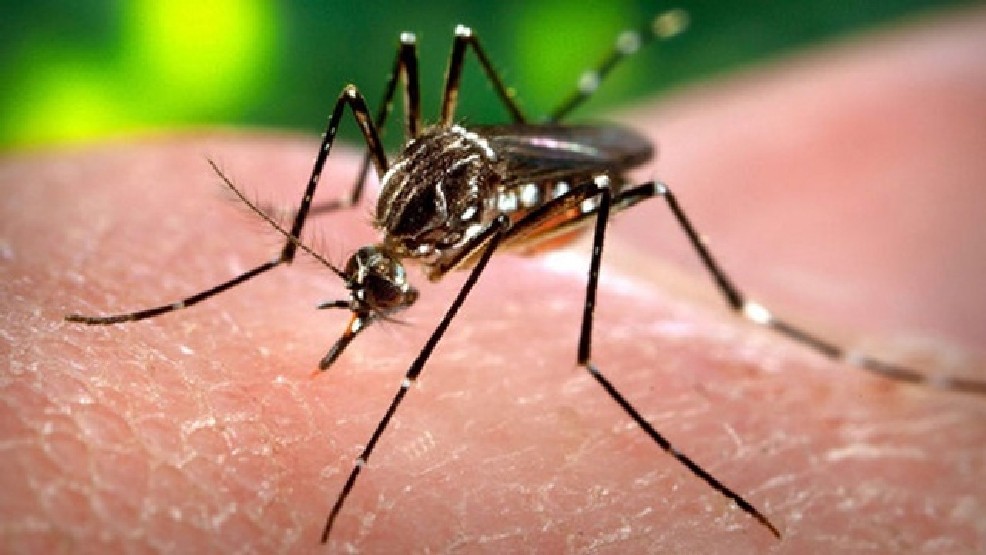
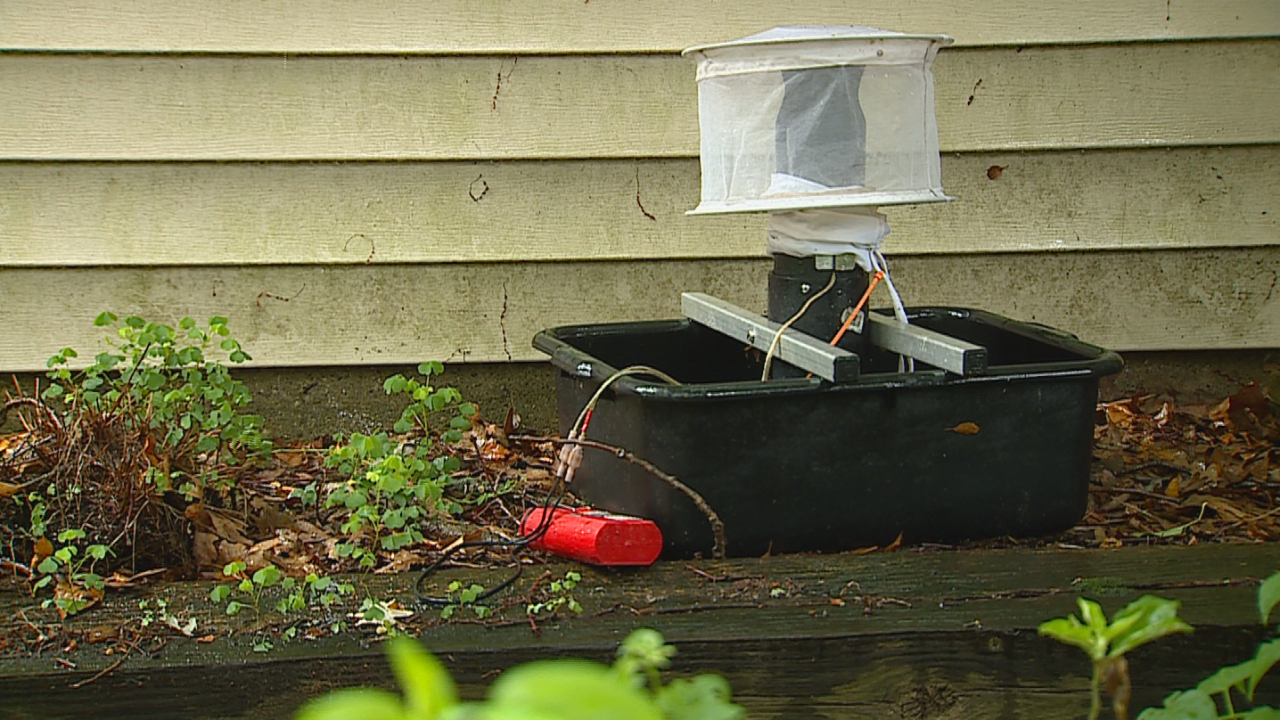
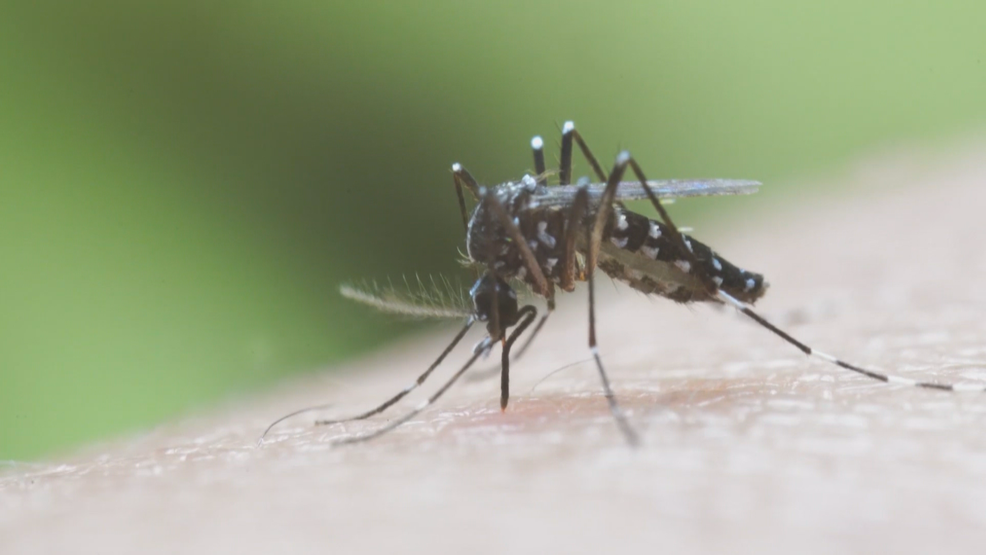
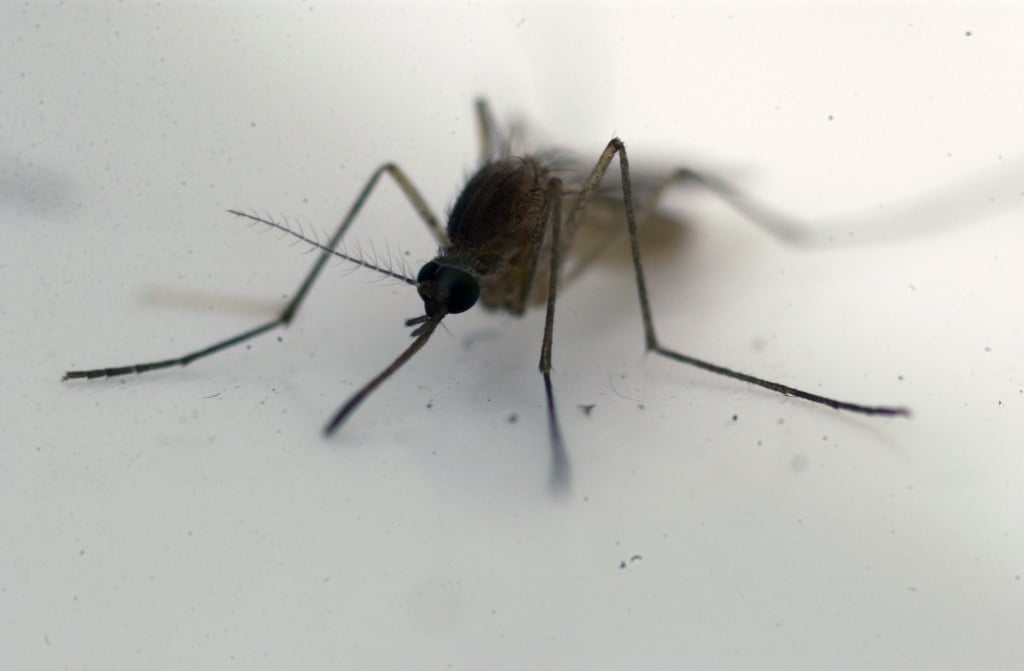
Vermont has reported its first human case of Jamestown Canyon virus, a mosquito-borne illness, in Windsor County, with no current treatments or vaccines available. The state has tested mosquitoes since July, with positive results in three areas, emphasizing the need for mosquito bite prevention as cooler weather approaches.
Vermont has confirmed its first human case of Jamestown Canyon virus, a mosquito-borne disease with mild symptoms for most, but potentially severe for vulnerable populations. The virus was detected in local mosquitoes, prompting health advisories to prevent bites and reduce standing water. Monitoring will continue until the first fall frost, with no current cases of West Nile or EEE viruses reported this year.
Vermont has detected Jamestown Canyon Virus in mosquitoes for the first time, along with West Nile Virus, prompting health officials to advise protective measures against mosquito bites, as there are no vaccines or specific treatments for these viruses.
Mosquitoes in Washtenaw County tested positive for Jamestown Canyon virus, but no human cases have been reported in Michigan in 2025. The virus can cause mild symptoms or, rarely, severe neurological diseases. Health officials recommend using repellents and protective clothing to reduce risk.
Mosquitoes in Madison County tested positive for Jamestown Canyon Virus, a mosquito-borne disease that can cause symptoms ranging from mild flu-like illness to severe neurological conditions, though no human cases have been reported yet.
The Onondaga County Health Department has confirmed the presence of two rare mosquito-borne diseases, Jamestown Canyon Virus (JCV) and Flanders Virus (FLAV), in local mosquitoes. While JCV can cause symptoms ranging from mild flu-like symptoms to severe encephalitis, FLAV has not been known to cause disease in humans but may indicate potential West Nile Virus transmission. The Health Department advises the public to take precautions against mosquito bites and will continue monitoring and reporting on these viruses.
A mosquito in Kent County, Michigan, has tested positive for the Jamestown Canyon virus (JCV), a potentially serious mosquito-borne disease. The Kent County Health Department advises residents to take precautions such as using DEET-based repellents, wearing long sleeves, and eliminating standing water to prevent mosquito bites. No human cases have been reported this summer, but several mosquitoes and animals have tested positive for JCV and West Nile virus in the state.
State health officials in Michigan are urging residents to take precautions against mosquito bites after mosquitos in Saginaw County tested positive for Jamestown Canyon virus, which can cause severe brain and spinal cord diseases. Residents are advised to use EPA-approved insect repellents, wear protective clothing, and eliminate standing water around their homes.
The first human case of Jamestown Canyon Virus (JCV) has been identified in New Hampshire, along with two cases of Powassan Virus (POWV), both spread by insect bites. JCV was found in an adult in Hillsborough County, transmitted by mosquitoes, while POWV was discovered in an adult in Rockingham County and a child from Carroll County, transmitted by blacklegged ticks. There are no vaccines or anti-virus medications for either illness. New Hampshire is the fourth state to report a JCV case this year, while nine states have reported POWV infections. Public health agencies are urging the public to take precautions against insect bites.
Mosquito samples in 12 towns in Connecticut have tested positive for the Jamestown Canyon Virus (JCV), a rare but potentially serious mosquito-borne virus that can cause encephalitis. Although JCV is considered an emerging pathogen, there have only been two recorded human cases in the state over the past 20 years. Additionally, 26 towns in Connecticut have tested positive for mosquitoes carrying West Nile Virus this year. Mosquitoes trapped in Thompson have also tested positive for Eastern Equine Encephalitis (EEE). The Connecticut Agricultural Experiment Station advises people to take precautions such as wearing mosquito repellent and covering bare skin to reduce the risk of mosquito-borne diseases.
Two residents in Suffolk County, New York, have been diagnosed with West Nile virus, marking the first reported human cases of the year. One person is recovering at home after being hospitalized, while the other is improving after hospitalization. Additionally, mosquitoes that tested positive for the rare Jamestown Canyon virus were found in the area, although no human cases have been reported. West Nile virus is the most common mosquito-borne disease in the US, with symptoms ranging from mild to severe. The CDC has received 237 reports of human West Nile virus cases in the US this year, with over 56,000 cases and 2,773 deaths reported since 1999. It is advised to seek medical attention if experiencing symptoms, as a lab test is needed for diagnosis. Preventive measures include wearing insect repellent, protective clothing, and eliminating standing water.
Mosquitoes in Wells, Maine, have tested positive for the Jamestown Canyon virus, according to the state's Centers for Disease Control and Prevention. This is the first positive test for the virus in the state since 2019. While there are no known human cases of the virus or other locally-acquired mosquito-borne illnesses this year in Maine, the CDC advises taking precautions such as wearing protective clothing, using repellent, and eliminating standing water to prevent mosquito bites and the spread of the virus.
Mosquitoes collected in southern Maine have tested positive for the Jamestown Canyon Virus (JCV), a virus that can cause fever and flu-like symptoms. Although there are currently no known human cases in Maine, state officials are urging residents to take precautions against mosquito bites. Other mosquito-borne illnesses, such as eastern equine encephalitis and West Nile virus, have not been detected in Maine this year. The rainy and humid weather in the state has created ideal breeding conditions for mosquitoes, making it important for residents to wear protective clothing, use insect repellent, and eliminate standing water to prevent mosquito bites.
Mosquitoes in the town of Wells, Maine, have tested positive for Jamestown Canyon virus, marking the first positive test in the state since 2019. There are currently no known human cases of the virus or other locally-acquired mosquito-borne illnesses in Maine. The virus is spread through mosquito bites and can cause symptoms ranging from no symptoms to severe illness such as encephalitis or meningitis. The CDC recommends preventive measures such as wearing protective clothing, using repellent, and eliminating standing water to avoid mosquito bites.
The Jamestown Canyon virus, a mosquito-borne disease transmissible to humans, has been detected in a mosquito sample in Suffolk County for the first time this year. In addition, the West Nile virus was found in five other samples. So far, there have been no known cases of West Nile in humans in Suffolk this year, and there has never been a known case of Jamestown Canyon in the county. Precautions against mosquito bites, such as wearing protective clothing and using insect repellent, are recommended.