Tag

Moon Io

All articles tagged with #moon io

space-exploration1 year ago

"Juno's Closest Views: Erupting Volcanoes on Jupiter's Moon Io"

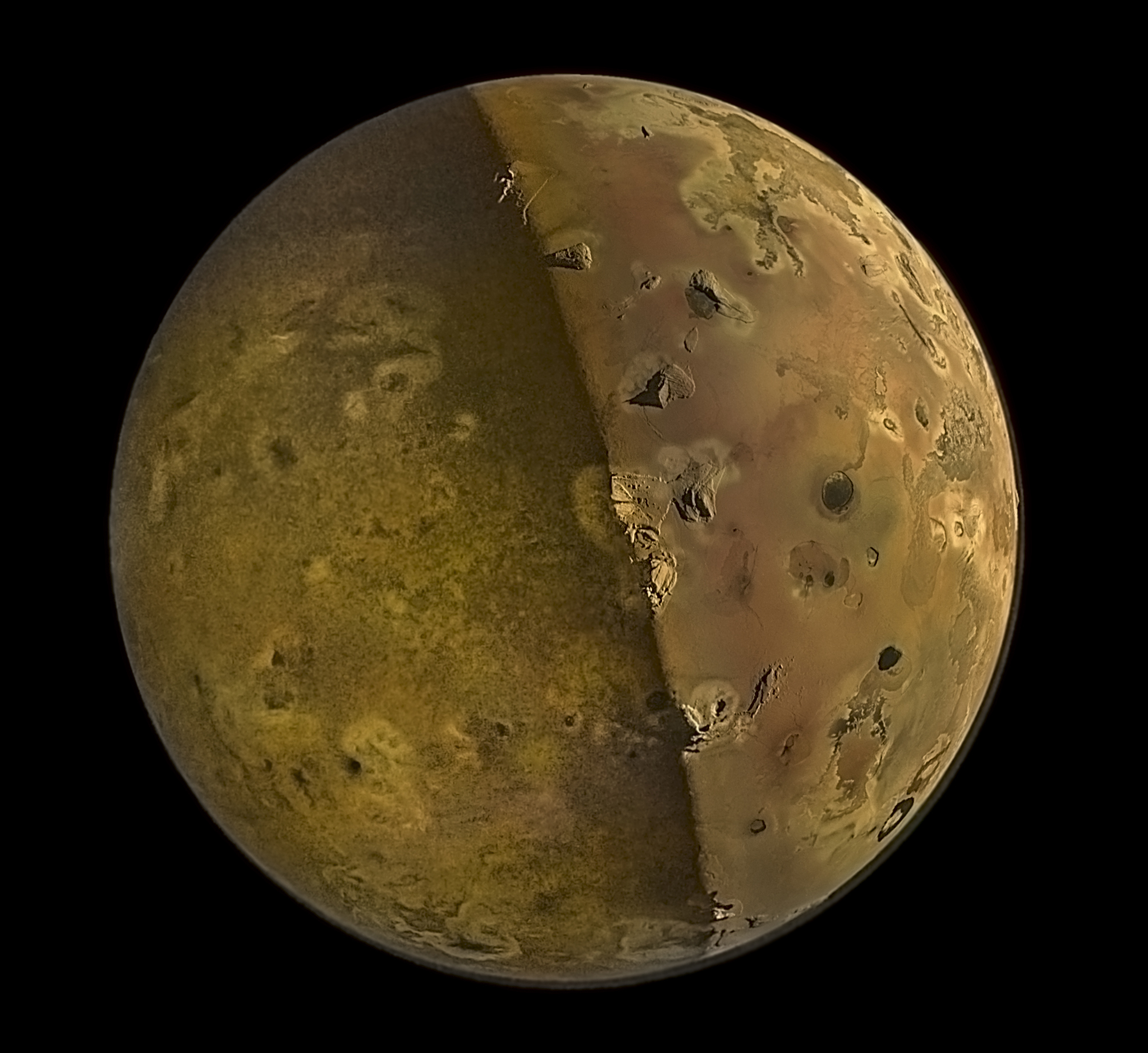
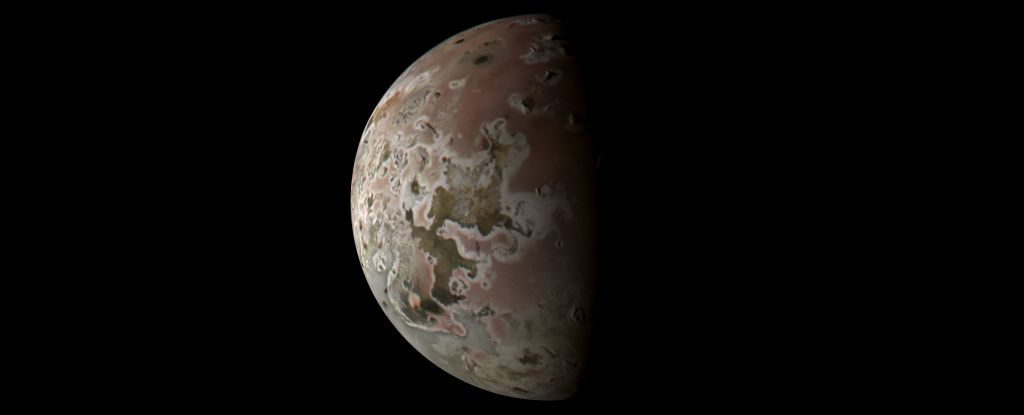
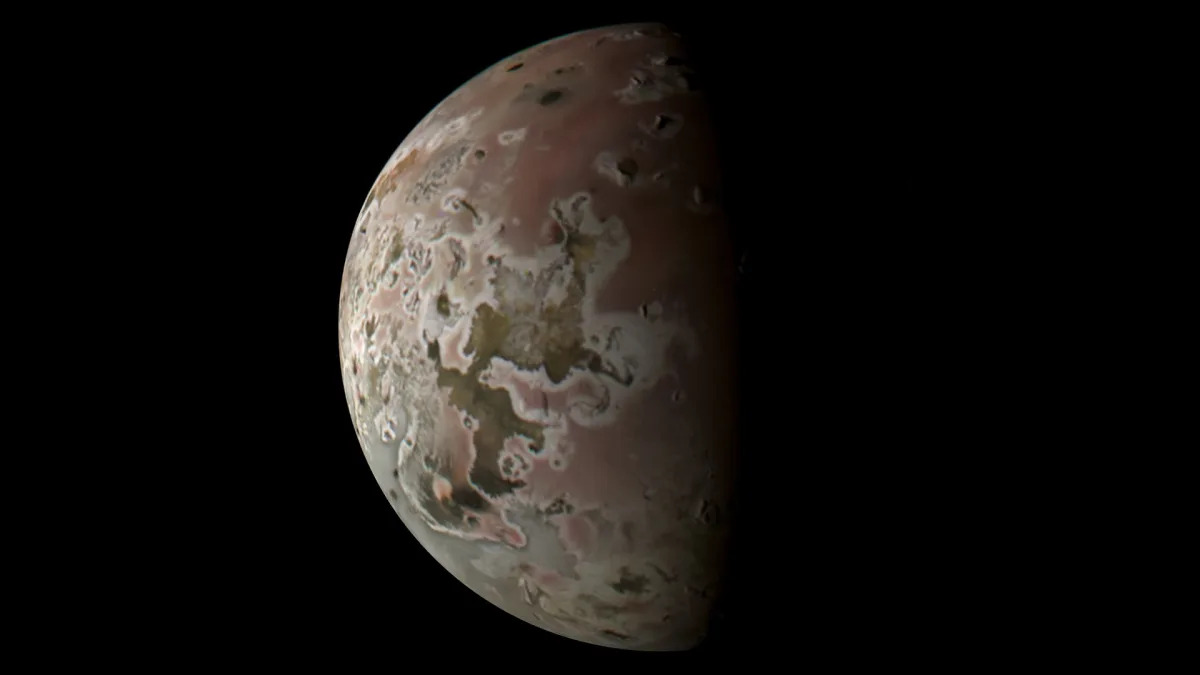
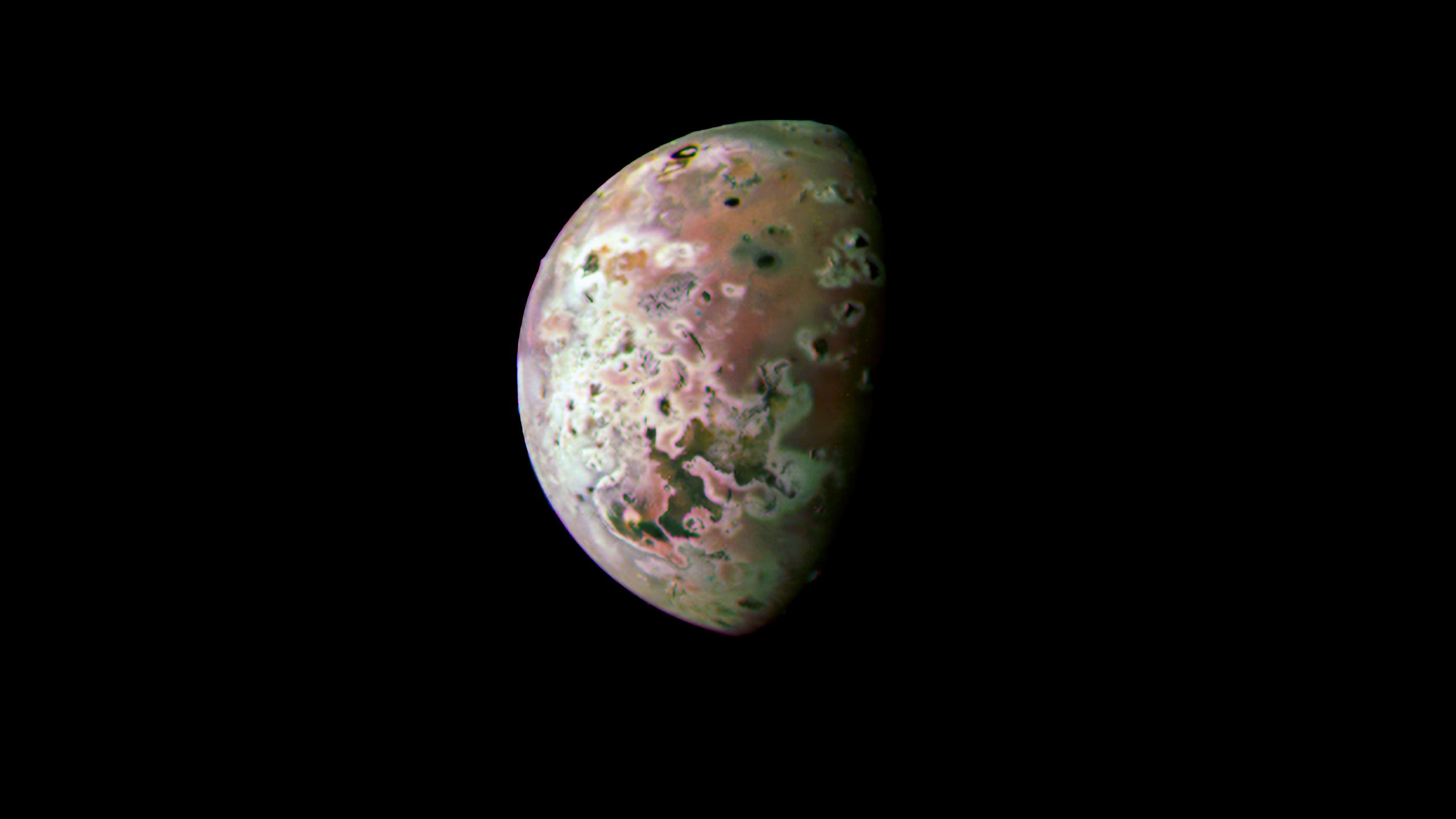
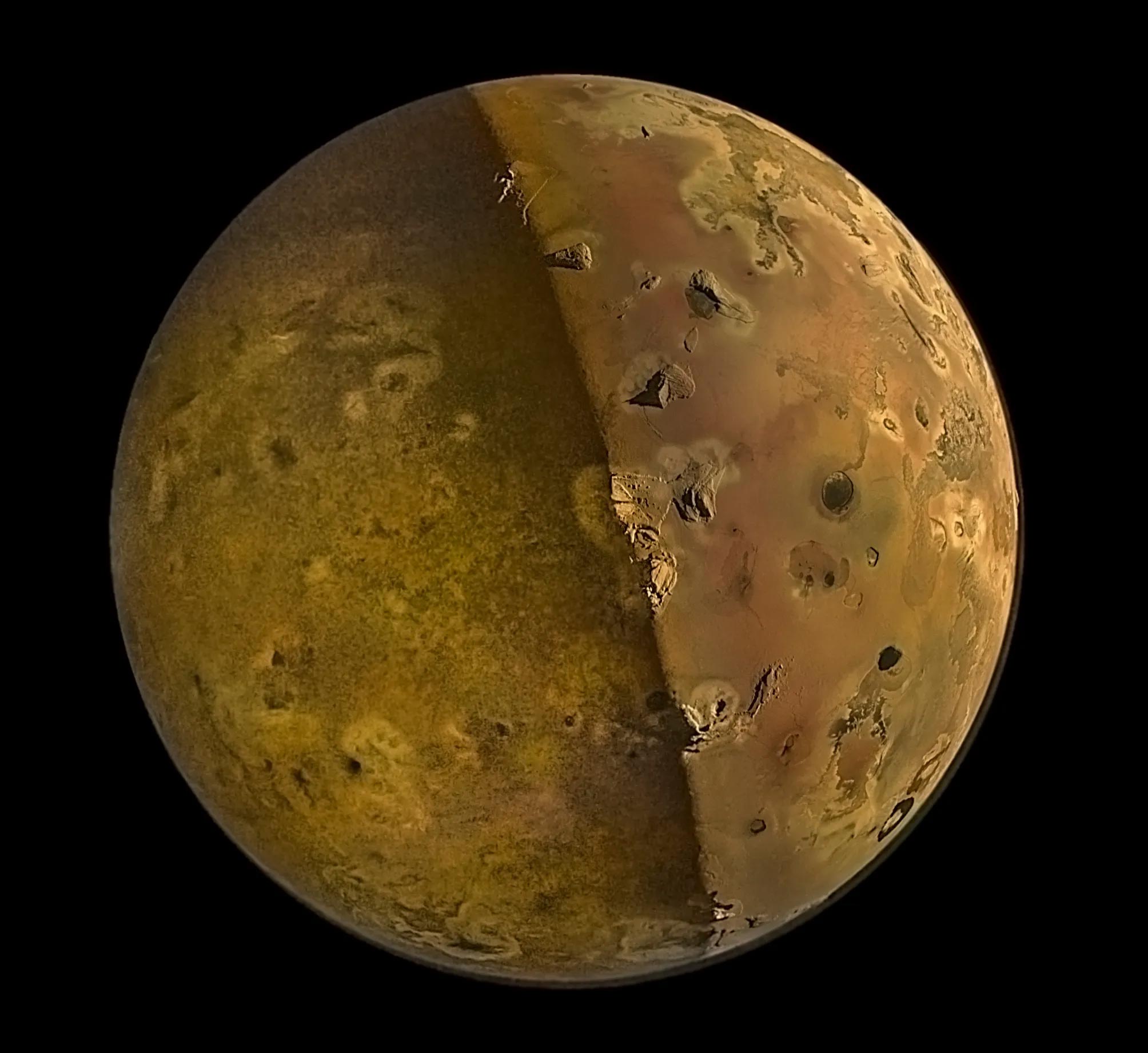
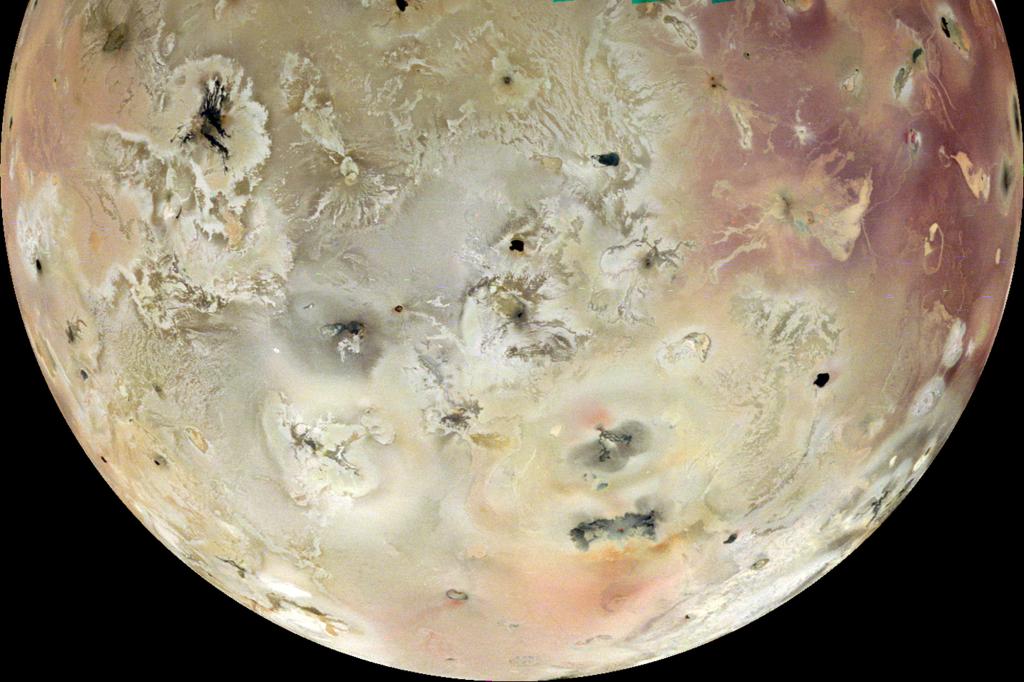
NASA's Juno probe captured stunning visuals of erupting volcanoes on Jupiter's moon Io during a recent flyby, showcasing the moon's intense volcanic activity. Io is known as the most volcanically active world in the solar system, with hundreds of volcanoes, some erupting lava fountains dozens of miles high. The images, processed to remove noise and distortion, were shared by professional and amateur image processors. Juno's close observations of Io provide valuable insights into the moon's geology and the complex interactions between Jupiter and its moons.
space-exploration1 year ago

"Juno's Closest Flybys Capture Stunning Images of Jupiter's Volcanic Moon Io"

NASA's Juno spacecraft has completed the closest flybys of Jupiter's moon Io in over two decades, capturing detailed images with its JunoCam instrument. The raw data from the flybys is now available for public processing and investigation. Io, known for its extreme volcanic activity, displays evidence of active plumes, mountain peaks, and lava lakes in the images. Juno's mission aims to understand Jupiter's atmosphere, magnetic environment, and structure to gain insights into its formation and evolution, contributing significantly to our knowledge of the solar system's history and the formation of planetary systems elsewhere in the universe.

space-exploration1 year ago

"NASA's Juno Mission Captures Stunning Images of Volcanic Activity on Jupiter's Moon Io"

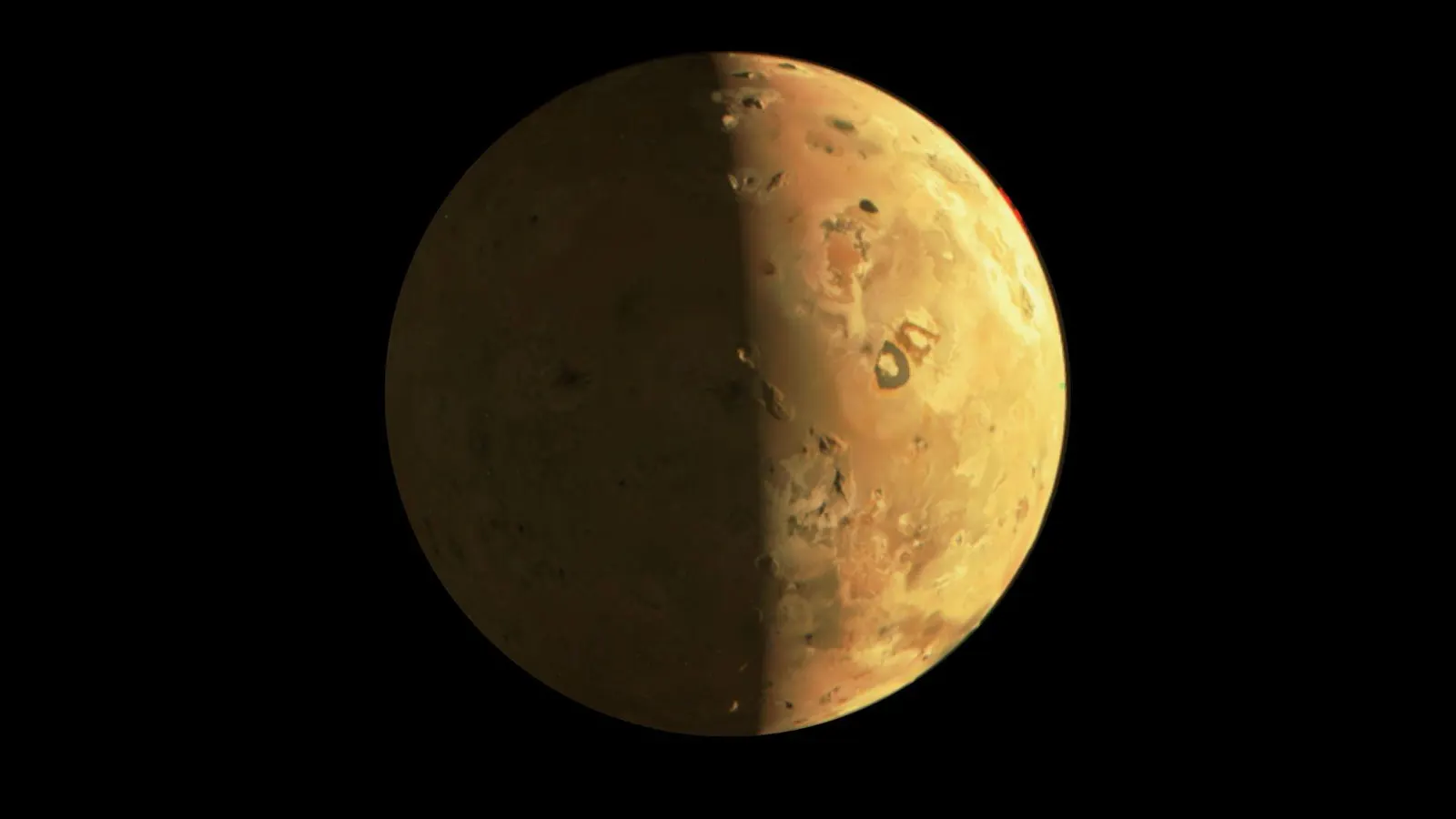
NASA's Juno mission captured stunning images of Jupiter's volcanic moon Io, showcasing its heavily cratered surface and active volcanoes spewing plumes of debris into its thin atmosphere. The spacecraft made a close approach to Io, marking its 58th circle of Jupiter, and is set to make seven more passes. Scientists are studying Io's volcanic activity, its connection to Jupiter's magnetosphere, and the effects of tidal forces from Jupiter. The mission aims to understand the moon's unique geology and its interaction with its parent planet.

space-science1 year ago

"NASA's Juno Captures Spectacular Volcanic Eruptions on Jupiter's Moon Io"

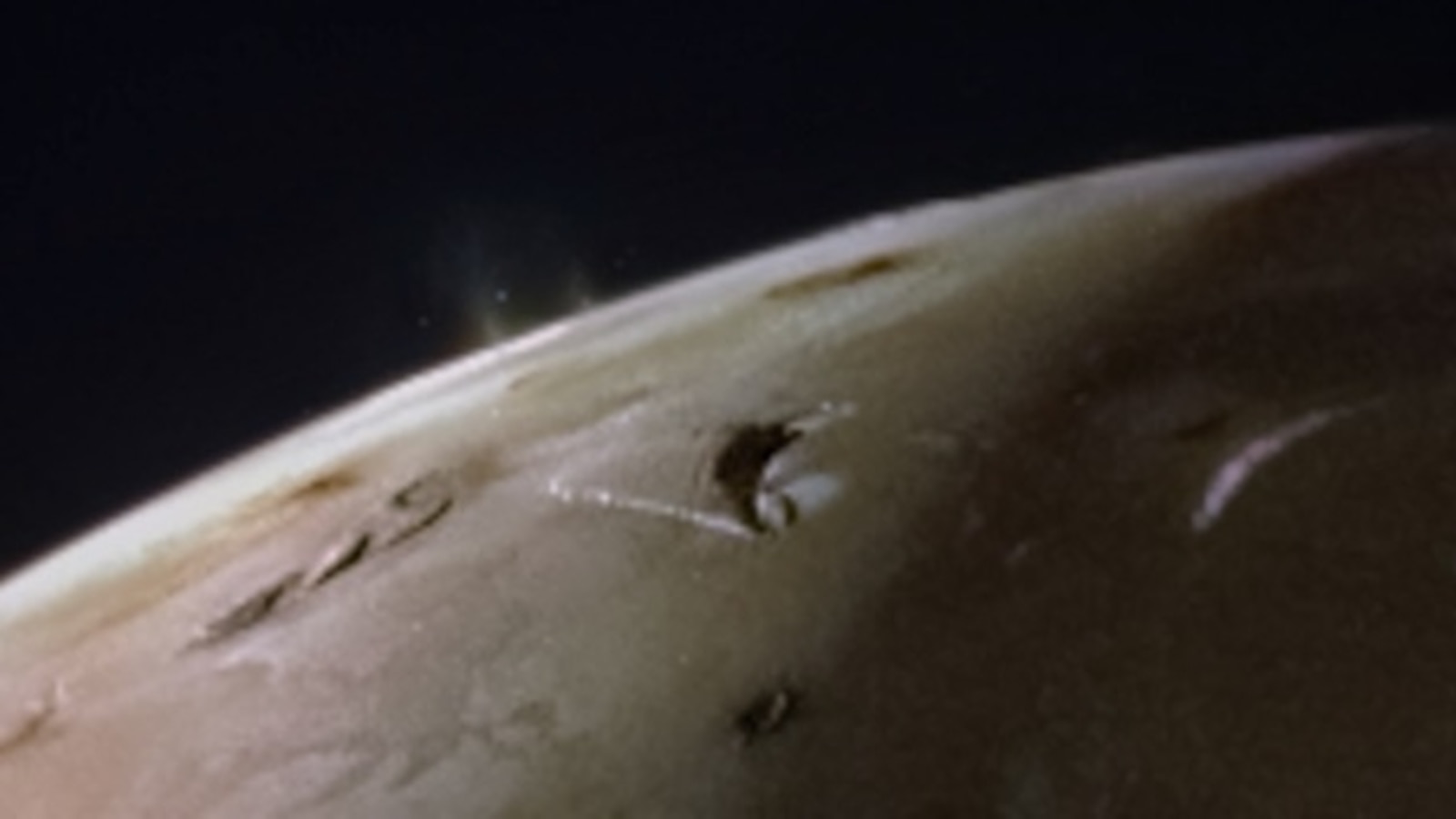
NASA's Juno spacecraft completed two flybys of Jupiter's moon, Io, capturing new images of fiery volcanic eruptions on the moon's surface. Io, the most volcanically active celestial body in our solar system, displayed twin volcanic plumes spewing into space, along with evidence of active plumes, mountain peaks, and lava lakes. Scientists hope to gain insight into Io's volcanic engine and the potential existence of a global magma ocean beneath its surface. The moon's powerful volcanic activity is attributed to its gravitational position between Jupiter and two neighboring moons.

space-exploration1 year ago

"Juno's Close-Up: Stunning Images of Volcanic Activity on Jupiter's Moon Io"

NASA's Juno spacecraft recently completed the closest flybys of Jupiter's moon Io in over 20 years, capturing high-resolution images with its JunoCam instrument. The raw data from the flybys is now available for public processing and analysis. The images reveal evidence of active plumes, mountain peaks, and lava lakes on Io's surface, providing valuable insights into the moon's volcanic activity.

science1 year ago

"NASA's Juno Probe Captures Close-Up Images of Erupting Volcanoes on Jupiter's Moon Io"

NASA's Juno spacecraft made a second close flyby of Jupiter’s moon Io, capturing images of what appears to be a double volcanic plume spewing into space, a phenomenon never caught before. The mission aims to understand the driving force behind Io's numerous volcanoes, which may be a global magma ocean just beneath its crust or pockets of molten rock under the surface. This is the last close flyby of Io for Juno, but the mission will continue to conduct more distant observations every 60 days to monitor the ever-changing moon.

space1 year ago

"NASA's Close Encounter: Stunning Images of Volcano-Covered Moon Io"

NASA's Juno spacecraft conducted its second close flyby of Jupiter's moon Io, capturing detailed images of the moon's volcanic activity, including potential plumes of sulfur and sulfur dioxide erupting from its surface. Io, the most volcanic world in the solar system, experiences immense heat and frictional tidal heating due to the gravitational pull of Jupiter and its large moons, resulting in high volcanic activity and an ocean of magma beneath its rocky surface. Juno's next perijove is scheduled for March 7, continuing its exploration of Jupiter's cloud tops, while its scientific instruments have made notable discoveries since the mission began in 2016.

space-exploration2 years ago

"Captivating Spaceflight Images: October's Stellar Trek to the Stars"

October was an eventful month in spaceflight and exploration, with highlights including NASA's OSIRIS-REx mission revealing traces of high-carbon content and water in asteroid samples, Juno spacecraft capturing images of Jupiter's volcanic moon Io, SpaceX's successful landing of a side booster during the Psyche mission, a wet dress rehearsal for the Ariane 6 rocket, and the unveiling of Space Force's first official painting depicting a retrofuturistic spaceplane. Additionally, Russian cosmonauts had to evacuate the International Space Station during a spacewalk due to a coolant leak, and NASA's Artemis program made progress with the mounting of all four RS-25 core stage engines onto Core Stage-2.

space2 years ago

Jupiter's Volcano Moon: Stunning Close-Up Photo from Space

NASA's Juno spacecraft captured the highest-resolution image of Jupiter's moon Io, the most volcanic world in the solar system, in 22 years. The photo reveals new details about Io's north polar region, which is covered by mountains as tall as 20,000 feet. Io is the third-largest moon orbiting Jupiter and is known for its intense volcanic activity, which is caused by tidal friction. Juno will make even closer passes of Io in December 2023 and February 2024.

space2 years ago

"Stunning Images Reveal Solar System's Most Volcanic World"

NASA's Juno probe has captured breathtaking new images of Jupiter's moon Io, the most volcanically active body in the Solar System. The images showcase the moon's north polar region and capture volcanic plumes from ongoing eruptions. Io, slightly larger than Earth's Moon, is covered in volcanoes due to its hectic gravitational environment. The constant stream of sulfur dioxide gas erupting from Io forms a huge torus of plasma in Jupiter's orbit, generating powerful ultraviolet aurorae. The new images reveal non-volcanic mountains reaching up to 6,000 meters in height and captured at least two volcanic plumes. Juno will conduct even closer flybys in the coming months, providing more stunning photos.

space2 years ago

"Juno Probe Captures Stunning Images of Volcanic Moon Io Orbiting Jupiter"

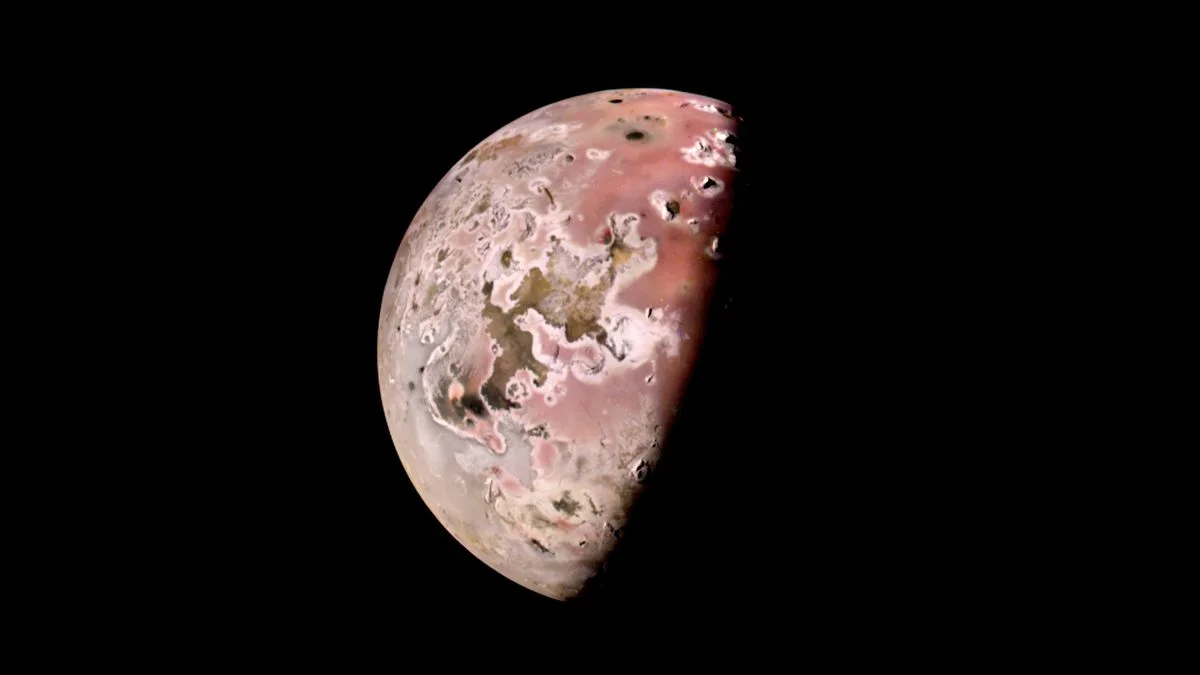
NASA's Juno mission has captured stunning new images of Jupiter's moon Io, the most volcanically active body in the solar system. The moon's surface appears tie-dyed with swirls of light and dark spots and large swaths of molten-red patches. Io is home to hundreds of volcanoes that regularly erupt with molten lava and spew sulfurous gas plumes hundreds of miles upward into the atmosphere. The detailed images were processed by citizen scientists using raw data captured by the Juno spacecraft, and they reveal striking new details about the gas giant planet and its many moons.

space2 years ago

"Juno Probe Captures Stunning Images of Volcanic Moon Io Orbiting Jupiter"

NASA's Juno mission has captured stunning new images of Jupiter's moon Io, the most volcanically active body in the solar system. The moon's surface appears tie-dyed with swirls of light and dark spots and large swaths of molten-red patches. Io is home to hundreds of volcanoes that regularly erupt with molten lava and spew sulfurous gas plumes hundreds of miles upward into the atmosphere. The detailed images were processed by citizen scientists using raw data captured by the Juno spacecraft, and the public is encouraged to download and share their creations to aid in studying the gas giant planet and its moons.

space2 years ago

Juno Unveils Breathtaking Images of Jupiter's Fiery Moon Io

NASA's Juno probe has captured stunning new images of Io, one of Jupiter's moons known for its volcanic activity. The latest image shows the volcano Prometheus spewing out lava from a 28-km-wide volcanic pit named Prometheus Patera. Juno's close flyby of Io also allowed for the collection of extensive data on the moon's surface and volcanic regions. Scientists are excited to see new pictures of Io's eruptions, and Juno's mission has been extended until September 2025, with two more close passes to Io planned. The raw images are available for download and processing on the JunoCam website.

space2 years ago

Juno's Journey: NASA's Probe Nears Io, Jupiter's Moon

NASA's Juno spacecraft will make its closest approach yet to Jupiter's moon Io on July 30, coming within 13,700 miles of it. The mission aims to collect data on the hundreds of erupting volcanoes on Io, providing valuable information on the moon's volcanic activity. Juno's instruments, including the JIRAM infrared imager, will help scientists better understand the surface features and changes over time. The spacecraft has been studying the Jovian system since 2016 and will begin the third year of its extended mission on July 31.

space2 years ago

Juno spacecraft captures closest images of Jupiter's fiery moon Io.

NASA's Juno spacecraft completed its 51st perijove, getting as close as 35,500 kilometers to Jupiter's volcanic moon Io and taking its closest pictures yet. Juno's mission is to study Jupiter, but as the spacecraft entered its extended mission, the team has been more daring in exploring beyond the planet, with several flybys of three out of the four Galilean moons: Io, Europa, and Ganymede. The upcoming flybys in July and October will bring Juno even closer to Io, leading up to twin flyby encounters in December of this year and February of next year, providing spectacular views of the volcanic activity of this amazing moon.