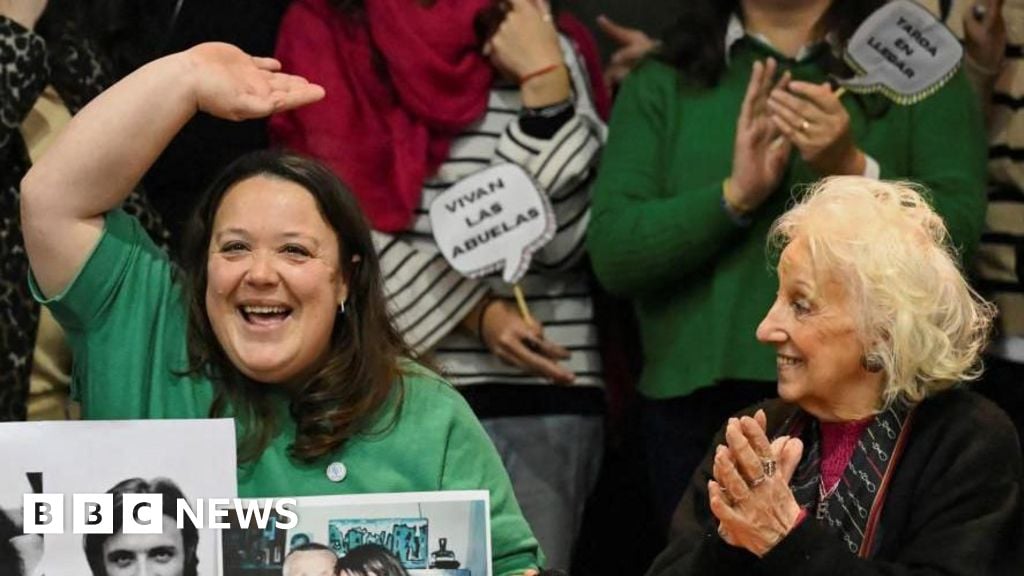
A man abducted as a baby during Argentina's military dictatorship has been identified after 48 years through DNA testing, reuniting with his sister, thanks to the efforts of the Grandmothers of the Plaza de Mayo.
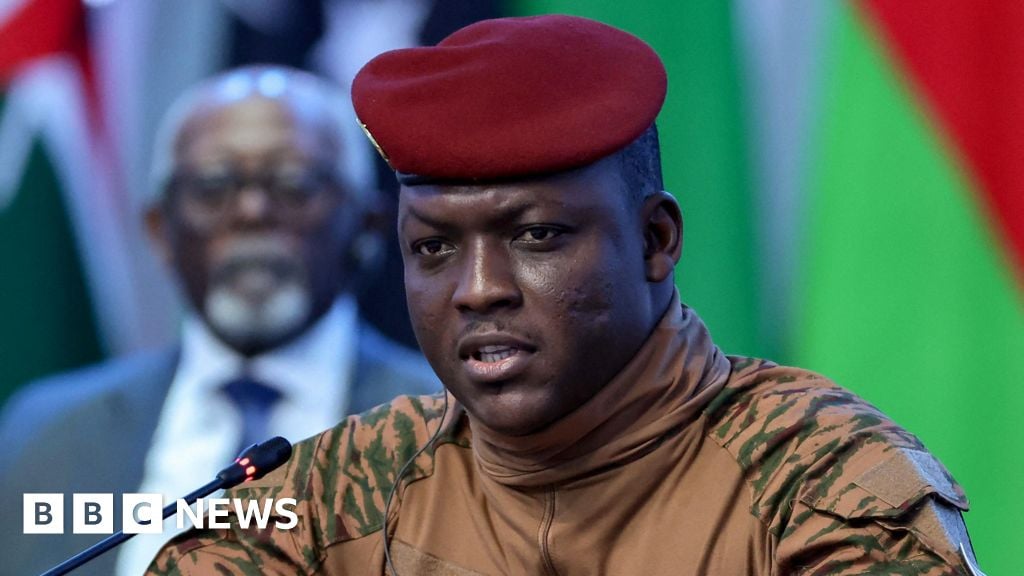
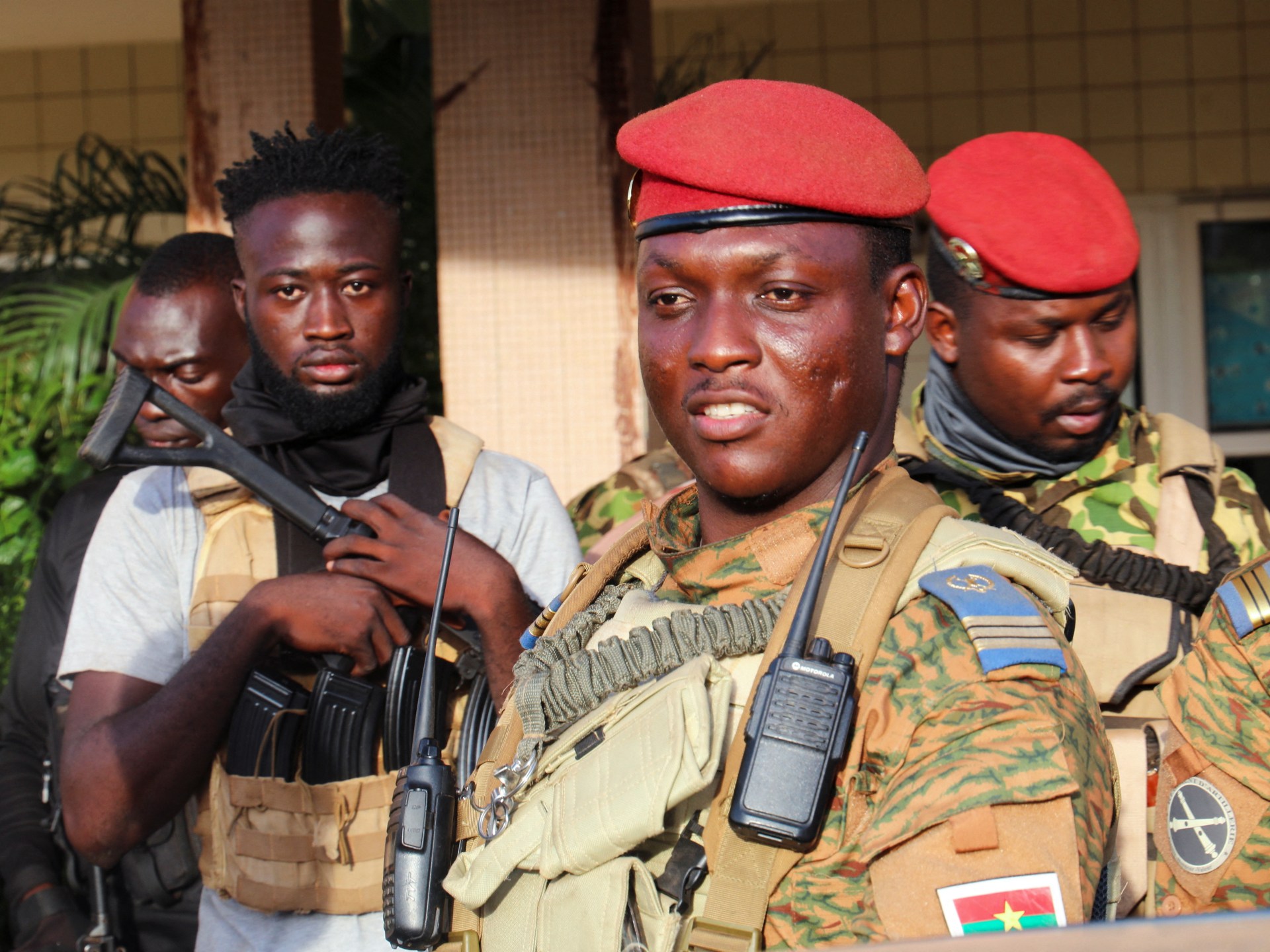
Burkina Faso's military government, led by Capt Ibrahim Traoré, has extended its rule by five years, allowing Traoré to contest the next presidential election. This decision follows a national consultation and an amended charter, citing the need to address ongoing jihadist insurgency before holding elections. The move aligns Burkina Faso with neighboring Mali, which has also extended military rule. The international community has criticized Burkina Faso for human rights violations in its fight against Islamist militants.
Burkina Faso's military rulers will extend their control for another five years, delaying the transition to civilian rule initially promised for July 2024. The new charter, signed after national talks, prioritizes security and allows military leader Ibrahim Traore to run for president. The decision, amid ongoing violence and a shift in military alliances from France to Russia, raises concerns about democratic backsliding in the region.
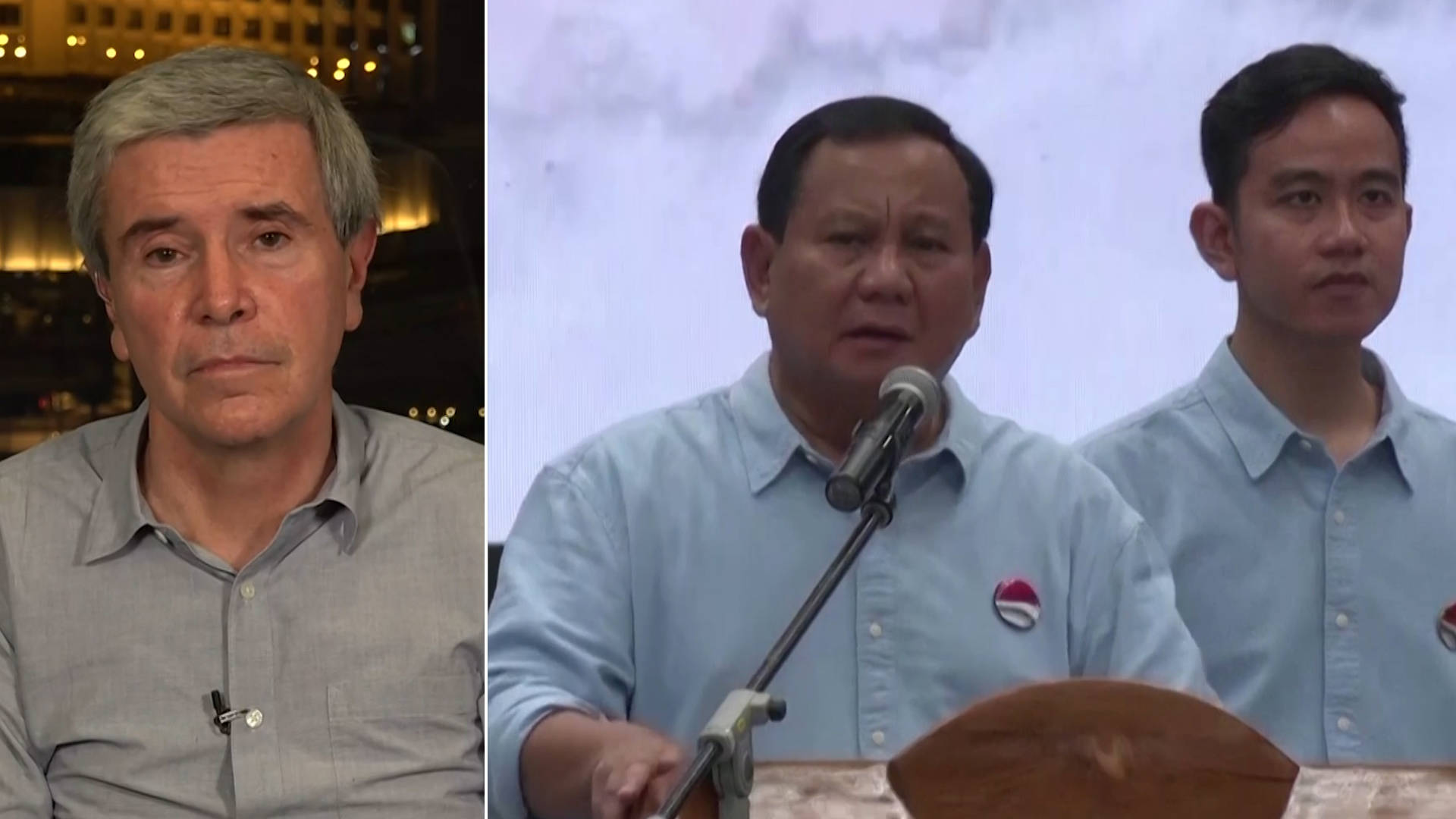
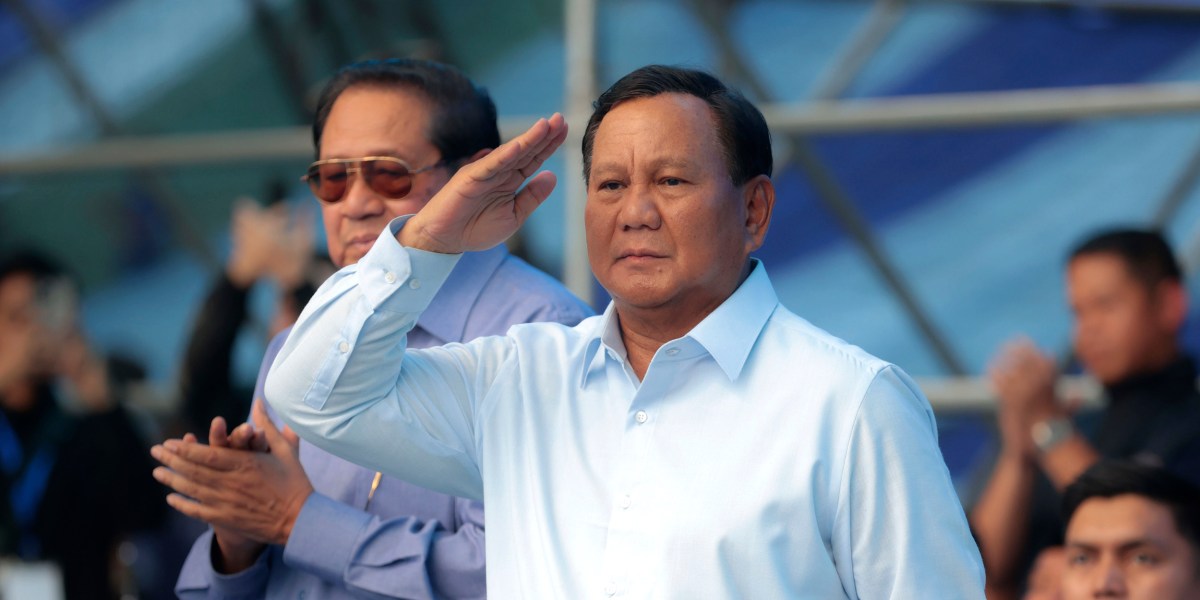
Allan Nairn, an investigative journalist, warns of the potential return to military rule in Indonesia as notorious massacre general Prabowo Subianto, a former U.S. protégé implicated in mass killings and abductions, is a serious threat to assume the presidency. Nairn details Prabowo's close ties to the U.S., his involvement in massacres in East Timor, and the incumbent president's backing of him, raising concerns about intimidation tactics and potential voter fraud in the upcoming election. Nairn also discusses Prabowo's attempts to rebrand himself and his controversial policies, including efforts to draw Indonesia closer to Israel.
General Prabowo Subianto, a notorious figure implicated in Indonesia's massacres, is a serious threat to assume the presidency in the upcoming election. Backed by the state apparatus and incumbent President Joko Widodo, Prabowo's campaign involves coercion, threats, and potential electoral fraud. His history includes involvement in massacres, torture, and disappearances, with ties to the U.S. and support from Indonesia's oligarchs. The situation raises concerns about the potential return to army rule and the erosion of Indonesian democracy.
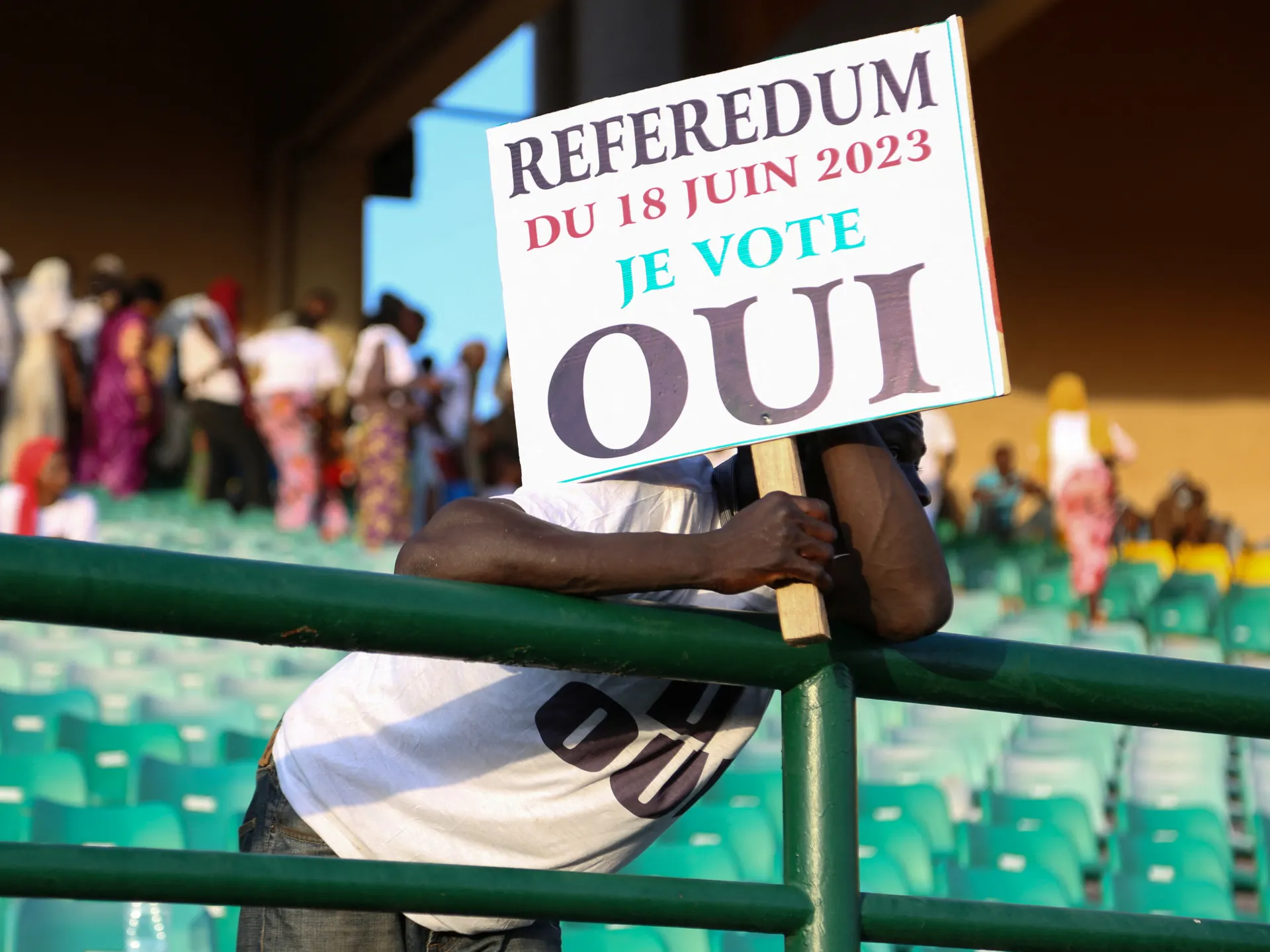
Mali's military rulers are holding a constitutional referendum vote, promising a return to civilian rule, but opponents argue changes would give excessive power to the president. The military government, which seized power in coups in 2020 and 2021, promised to hold the plebiscite as part of a transition to democracy under pressure from the Economic Community of West African States (ECOWAS). Voter turnout is expected to be low due to armed conflict. Some of the changes in the committee-drafted constitution are contentious, with proponents saying they would strengthen fragile political institutions and opponents saying they would give excessive power to the president.
Transgender women in Argentina are testifying about the sexual abuse and torture they suffered during the country's military dictatorship from 1976 to 1983. The trans community was particularly targeted and brutalized by the dictatorship, and their suffering has only recently been recognized. Argentina has passed laws to protect the rights of trans individuals, including a landmark gender-identity law and a law reserving 1% of public sector jobs for trans people. The trial of former security officers charged with crimes against humanity is ongoing, and the sentences are expected by the end of the year.
Former Pakistan Prime Minister Imran Khan has been at the center of an unprecedented political crisis as he faces corruption charges and his supporters face off against the military in a campaign aimed at excluding them from political life. The conflict highlights the reality of military rule in Pakistan, and journalist Omar Waraich provides historical context and insight into U.S. relations with Pakistan.
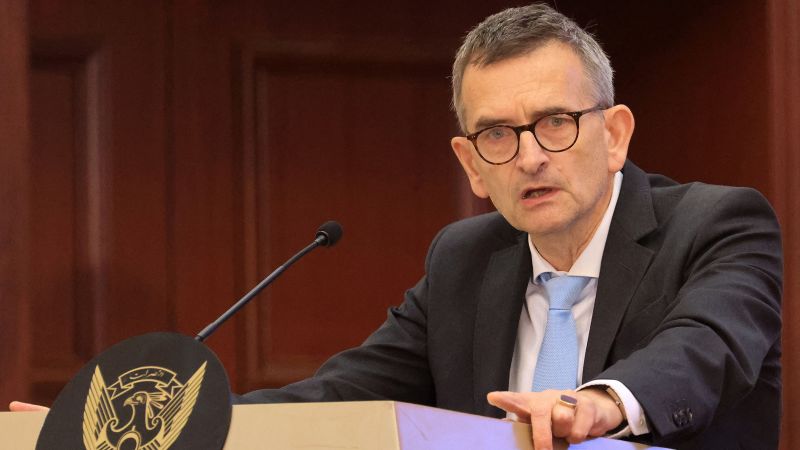
Sudan's military ruler, General Abdel Fattah al-Burhan, has reportedly asked the UN to remove its special envoy to Sudan, Volker Perthes, a move that has shocked UN Secretary-General Antonio Guterres. Perthes has voiced strong concern over the conflict in Sudan, which has resulted in over 700 deaths and more than a million people displaced. Despite a seven-day ceasefire, fighting has continued between the Sudanese Armed Forces and the Rapid Support Forces.
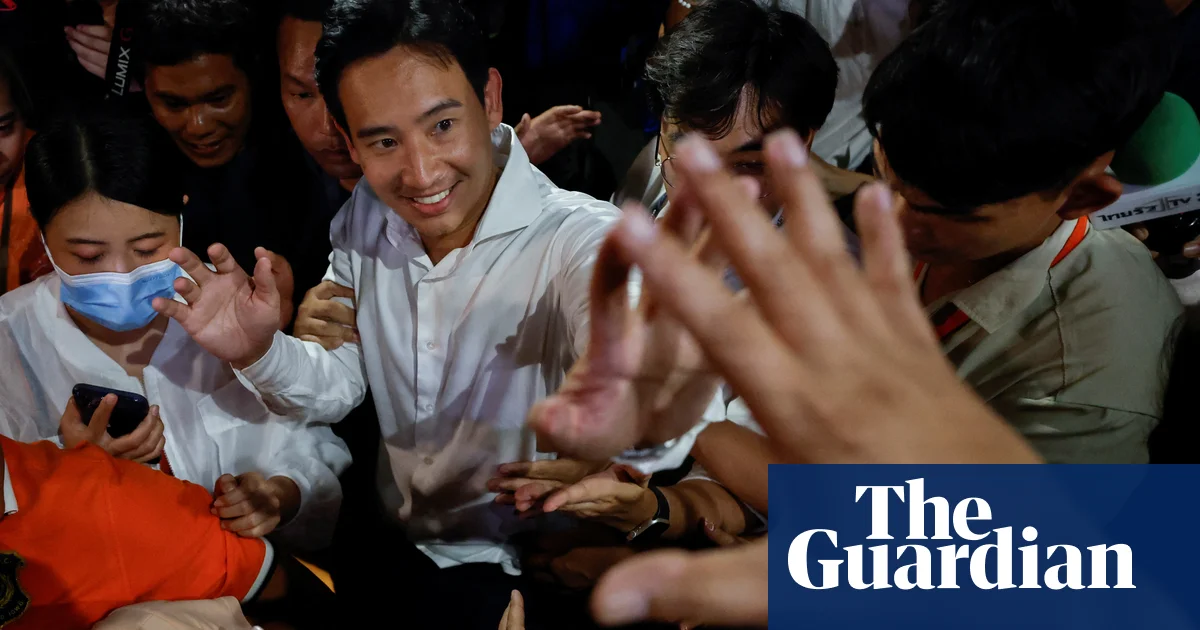
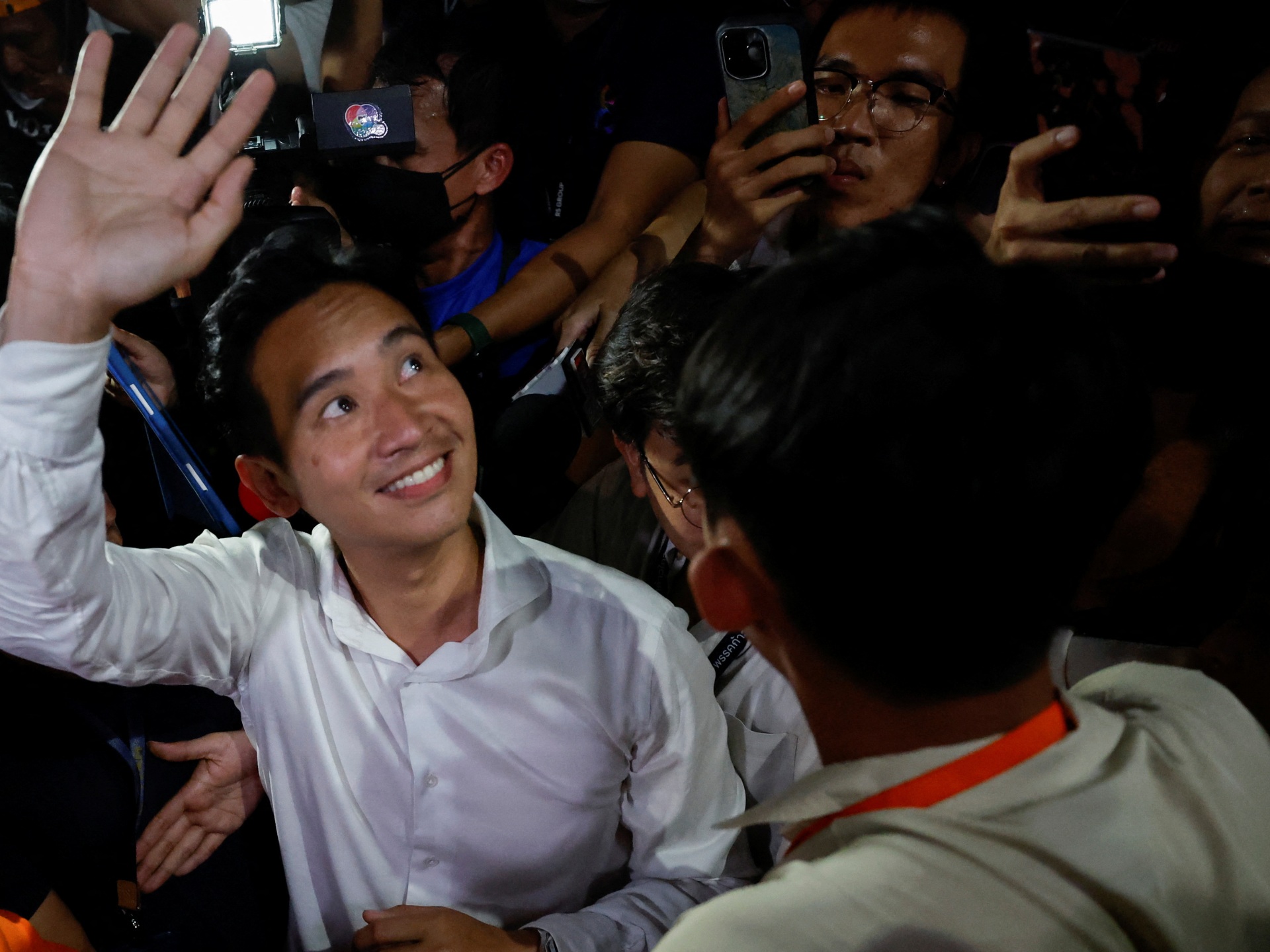
Thailand's opposition parties, including the progressive Move Forward party and the populist Pheu Thai party, have secured the largest number of votes in national elections, dealing a blow to the military-backed government that has ruled the country for nearly a decade. The Move Forward party, which has developed a huge following among young people, has outperformed expectations and campaigned for military reform and the reform of Thailand's strict lese majesty law. However, Thailand's skewed electoral rules make it unclear what the future government will look like.
Thailand's opposition parties, the progressive Move Forward Party (MFP) and the populist Pheu Thai Party, have won the most seats and the largest share of the popular vote in the country's election, marking a rejection of nearly a decade of military and military-backed rule. However, it remains uncertain whether they will form the next government as the 250 military-appointed members of the upper house also vote on the prime minister. MFP and Pheu Thai will need to negotiate deals with many other parties to form the next administration.
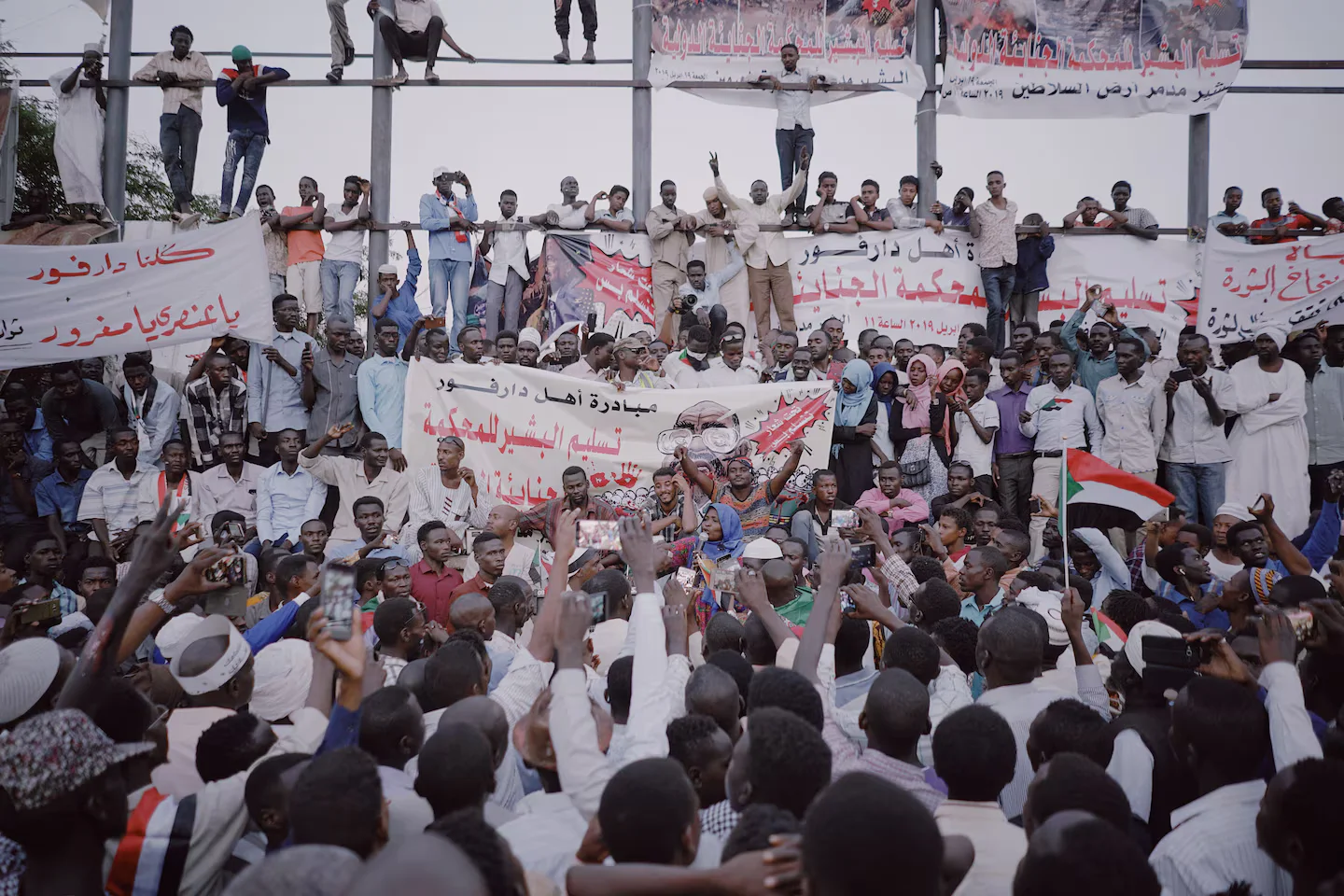
Sudan's hopes for democracy after the overthrow of President Omar Hassan al-Bashir in 2019 have turned into a power struggle between two generals, killing at least 500 civilians and sparking an exodus of tens of thousands of refugees. The conflict can be traced back to Bashir, who fostered rival paramilitary units and armed groups to head off potential challengers. The hybrid civilian-military government set up after Bashir's ouster concentrated power in the hands of the men with guns. The failure of foreign powers to sanction the two generals when they jointly overthrew the government in 2021 also contributed to the conflict.
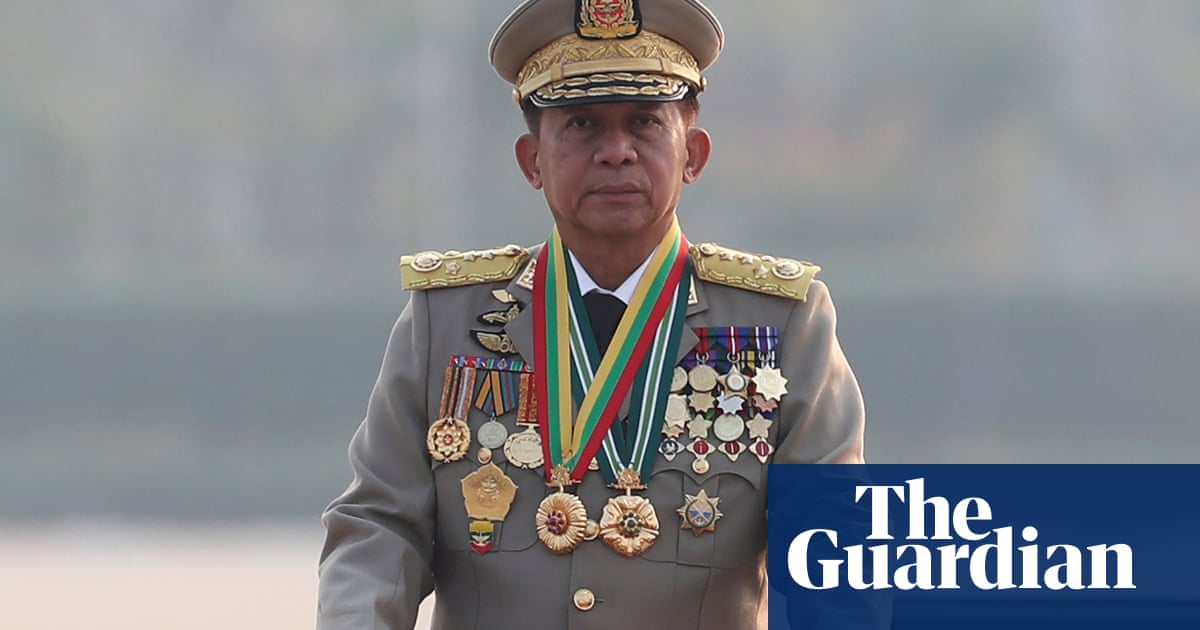
Myanmar's military council has released over 2,100 political prisoners as a humanitarian gesture on the occasion of the most important Buddhist holy day. However, thousands more remain imprisoned on charges related to nonviolent protests or criticism of military rule. The terms of the pardons warn that if the freed detainees violate the law again, they will have to serve the remainder of their original sentences in addition to whatever term they are given for their new offence. Amnesty International has called for the immediate release of all individuals who have been arbitrarily detained for exercising their basic rights to freedom of expression and peaceful assembly or other human rights.
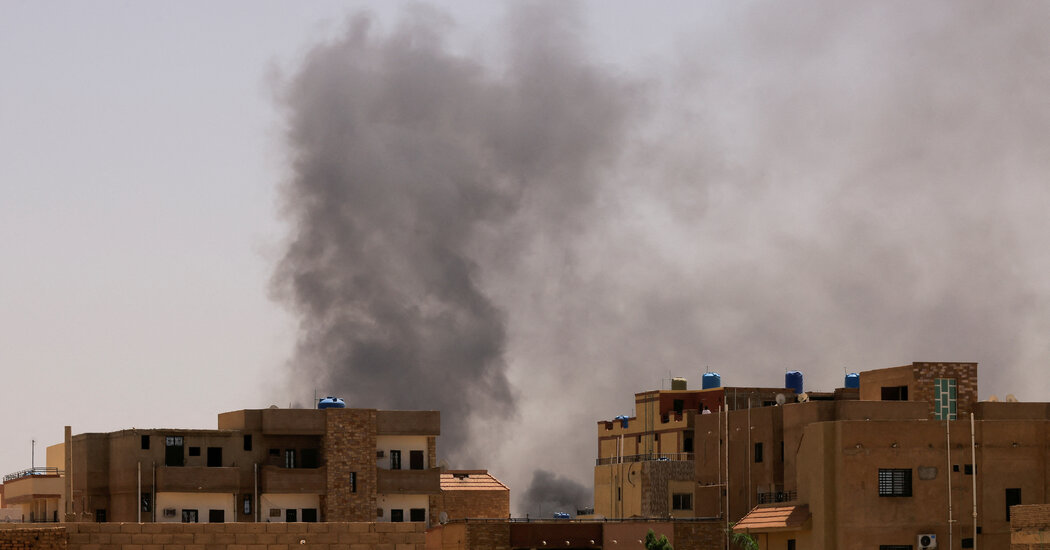
Sudan, a country of 45 million people, has been thrown into violent chaos as two factions battle for control. The country was supposed to be moving away from military rule and toward democracy, but an explosive rivalry between two generals turned into a catastrophic conflict. As they talked peace, the military leaders were preparing to turn their forces on each other, devastating the country.
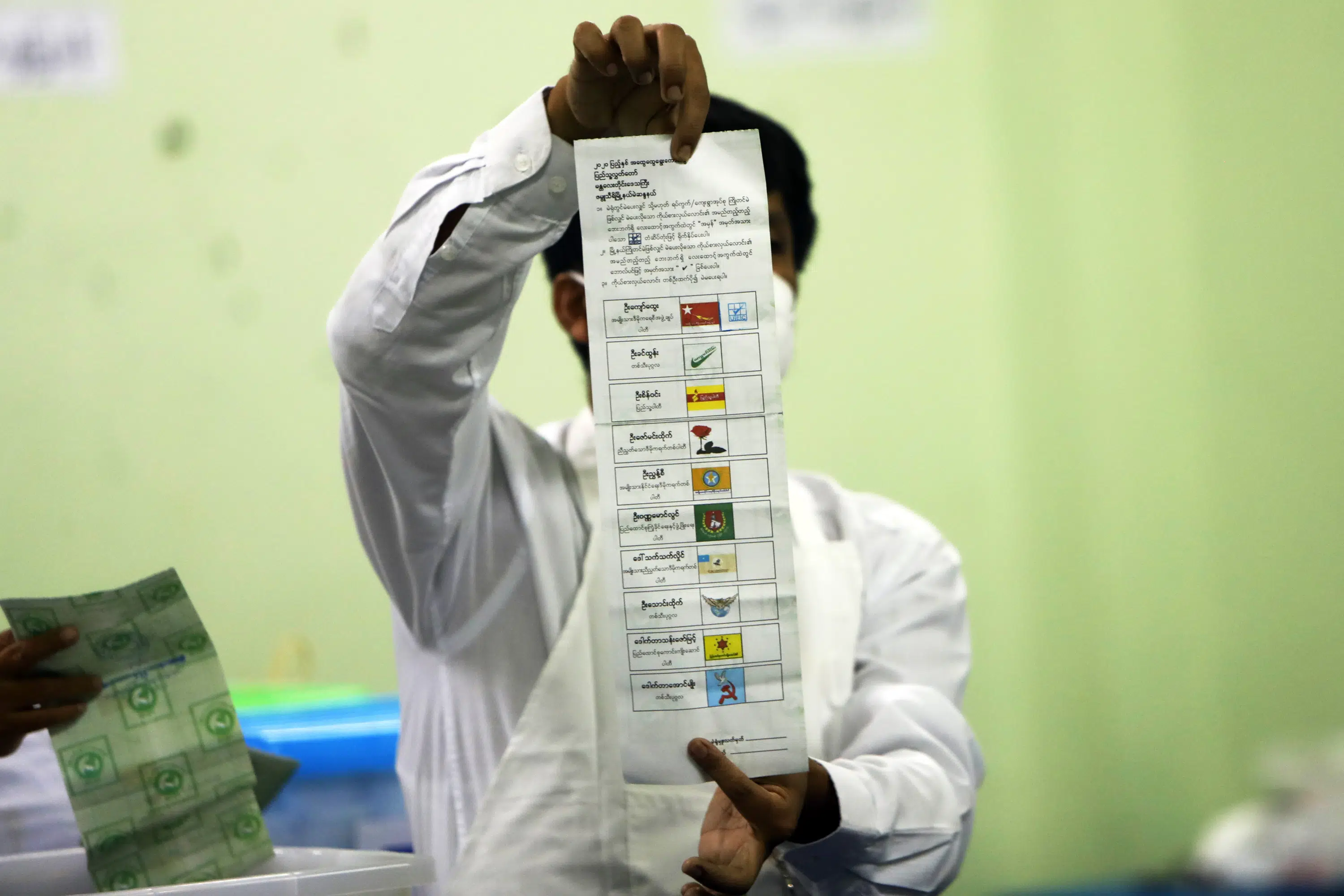
Sai Kyaw Thu, the deputy director-general of Myanmar's Union Election Commission, was assassinated in Yangon by urban guerrilla group "For The Yangon," which opposes the military-installed government. The group claimed that Sai Kyaw Thu was targeted for being a plaintiff in the election fraud case against Aung San Suu Kyi and for being the deputy director-general of the illegal election commission of the military council. The military seized power in February 2021 and has since clamped down harshly on opponents, triggering widespread armed resistance.