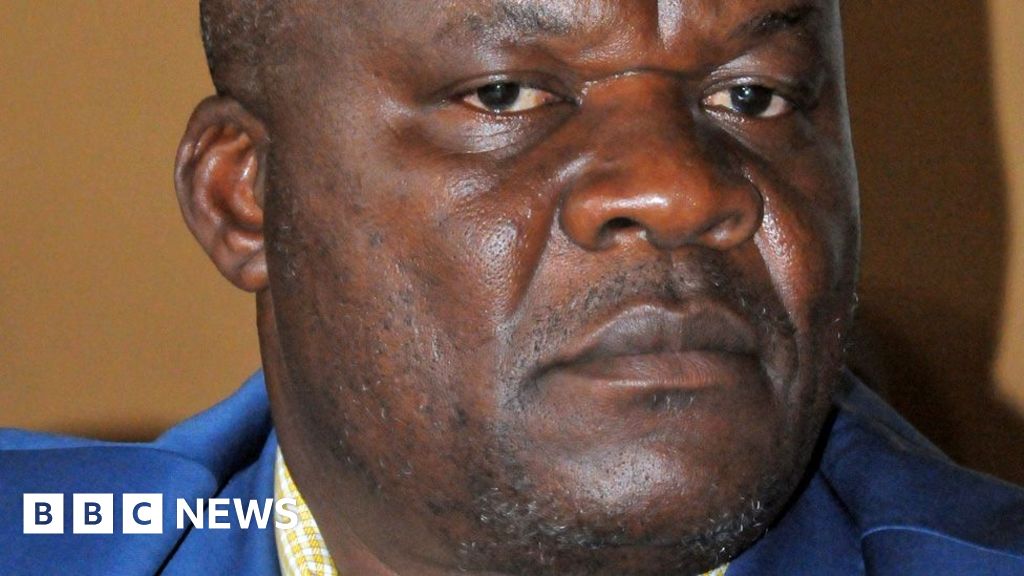
A French court sentenced former DR Congo rebel leader Roger Lumbala to 30 years in prison for crimes against humanity committed during the Second Congo War, marking a significant milestone in accountability for atrocities committed decades ago.
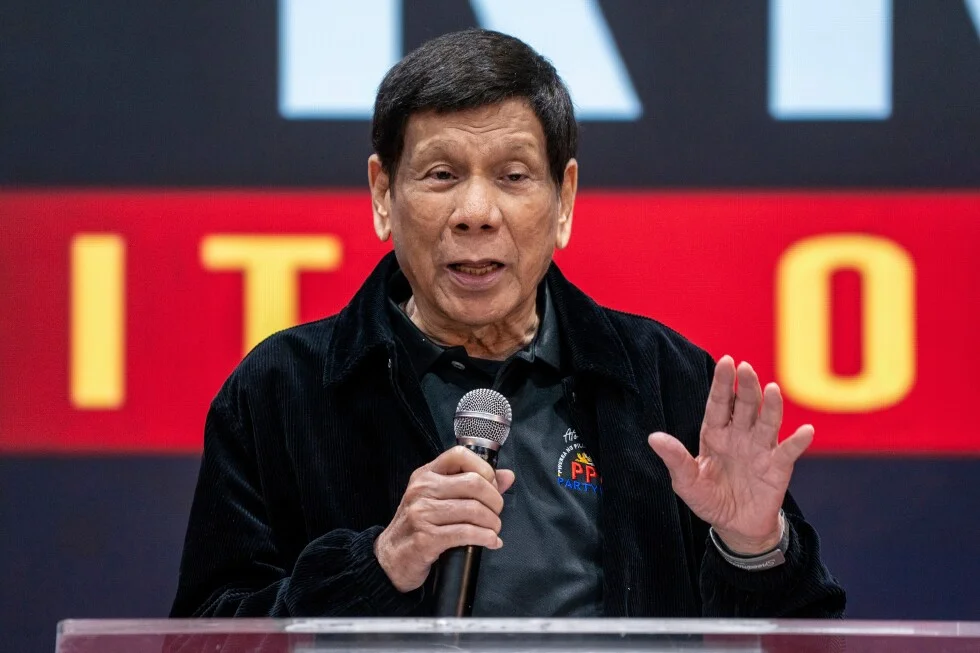
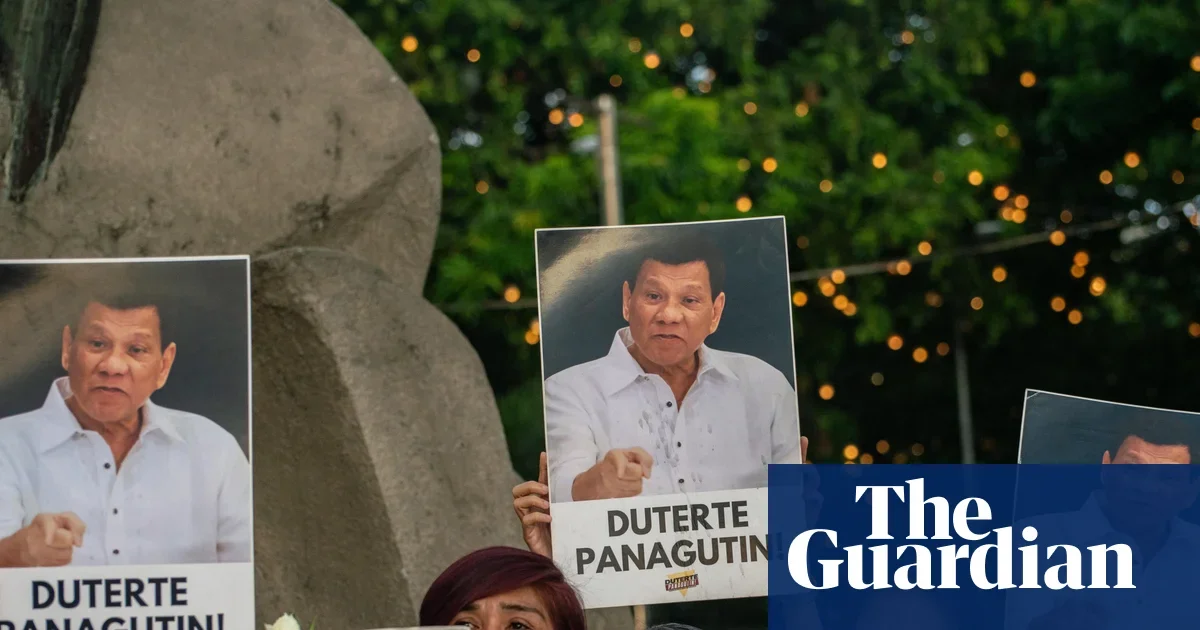
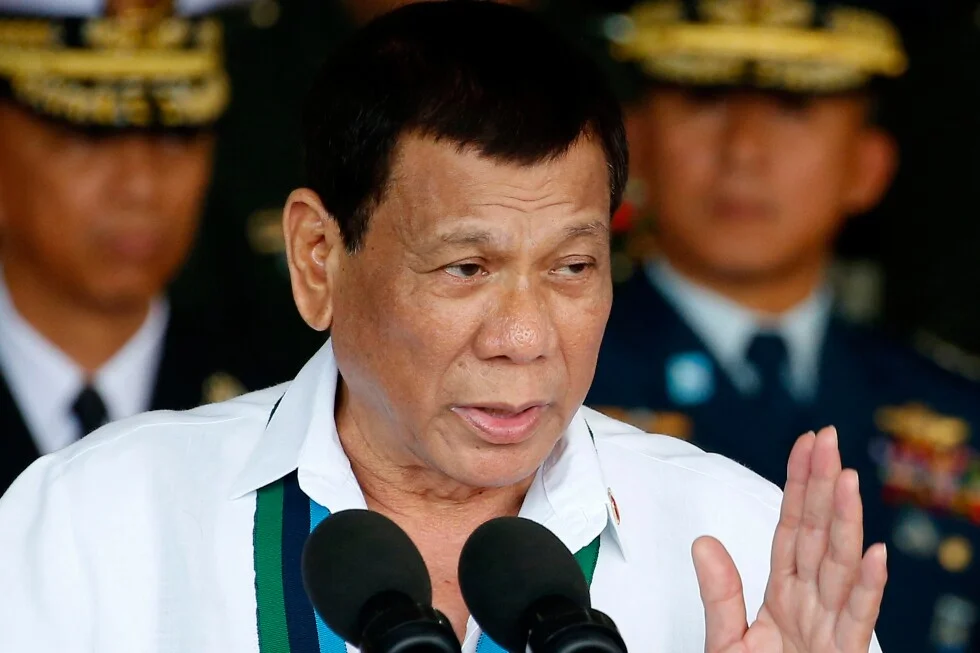
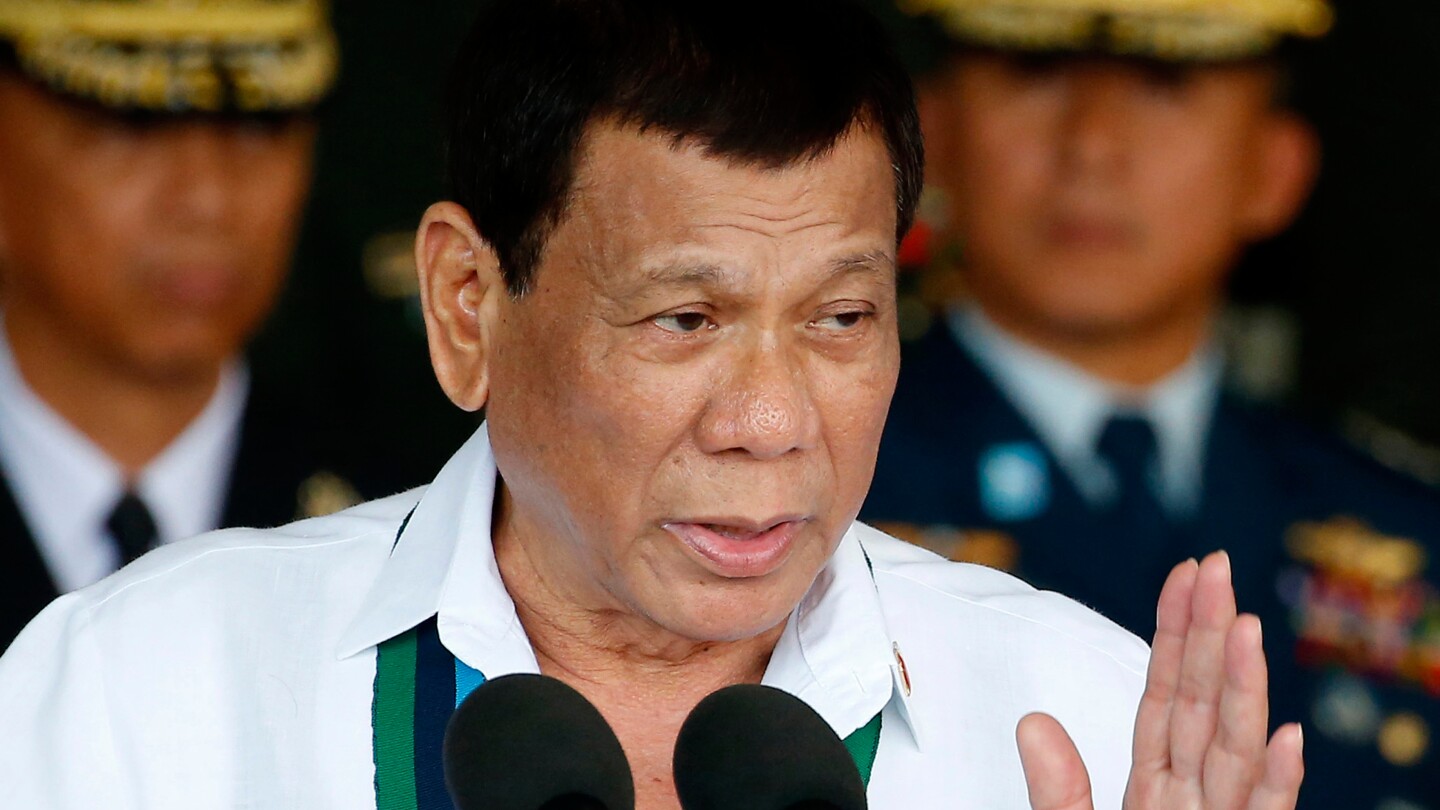
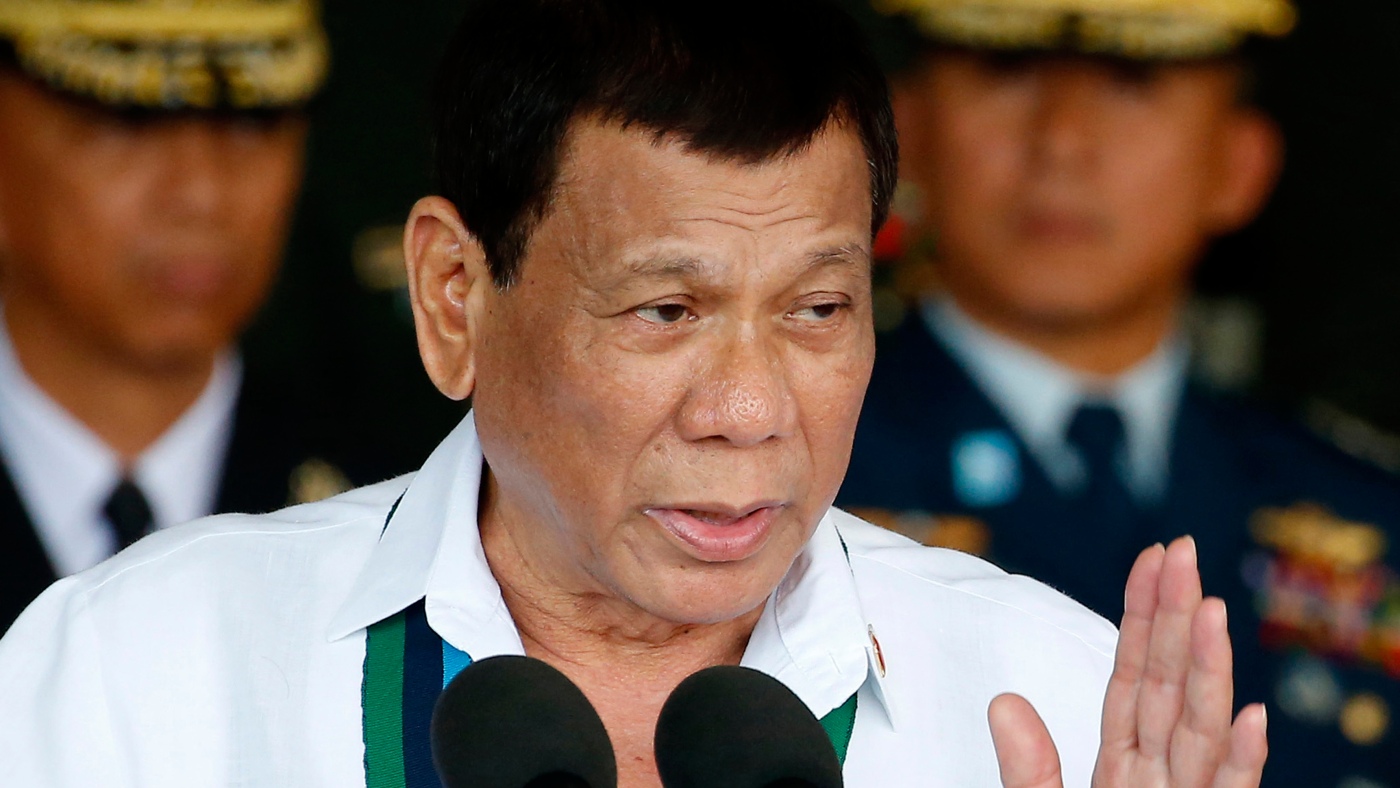
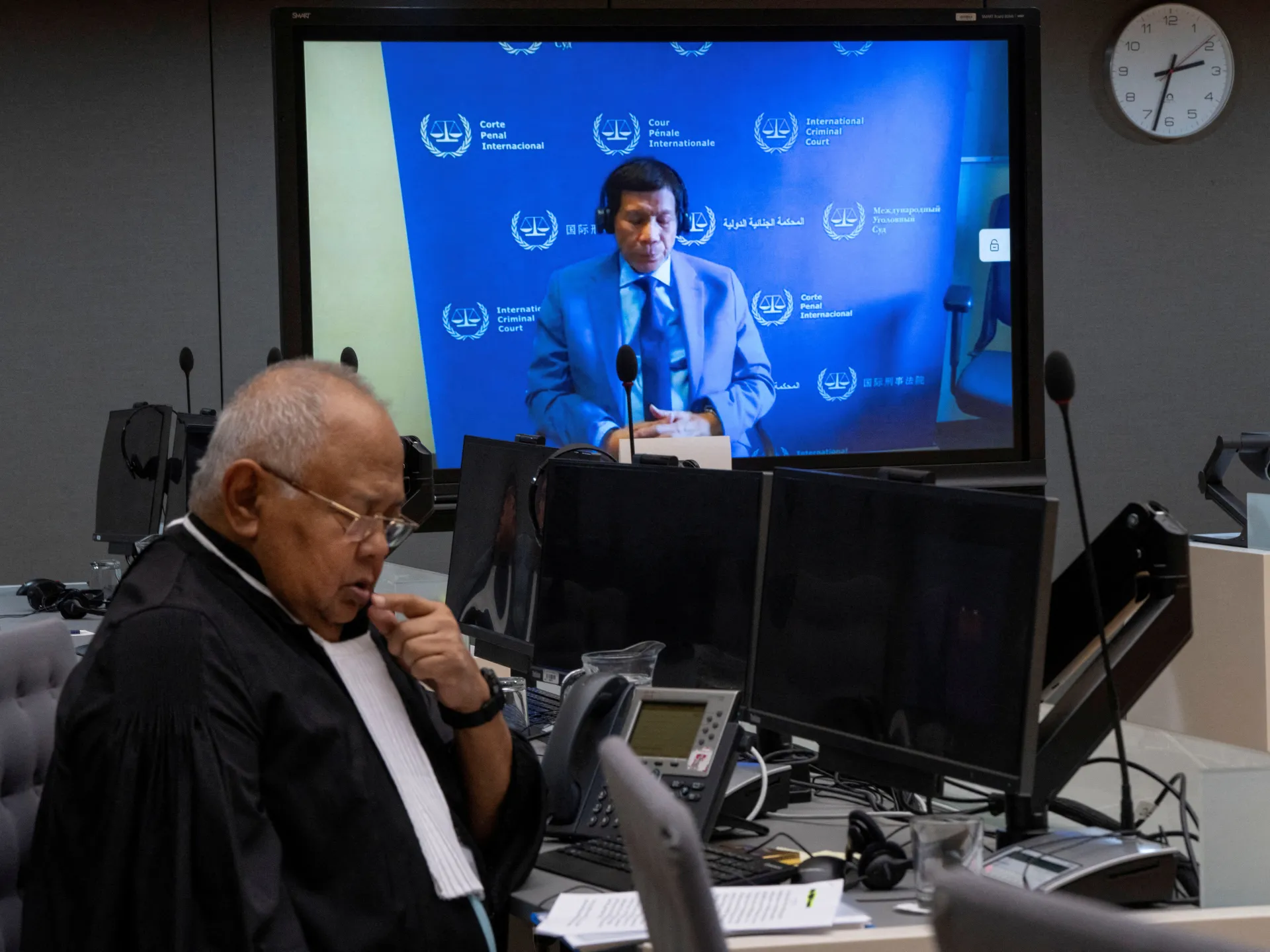
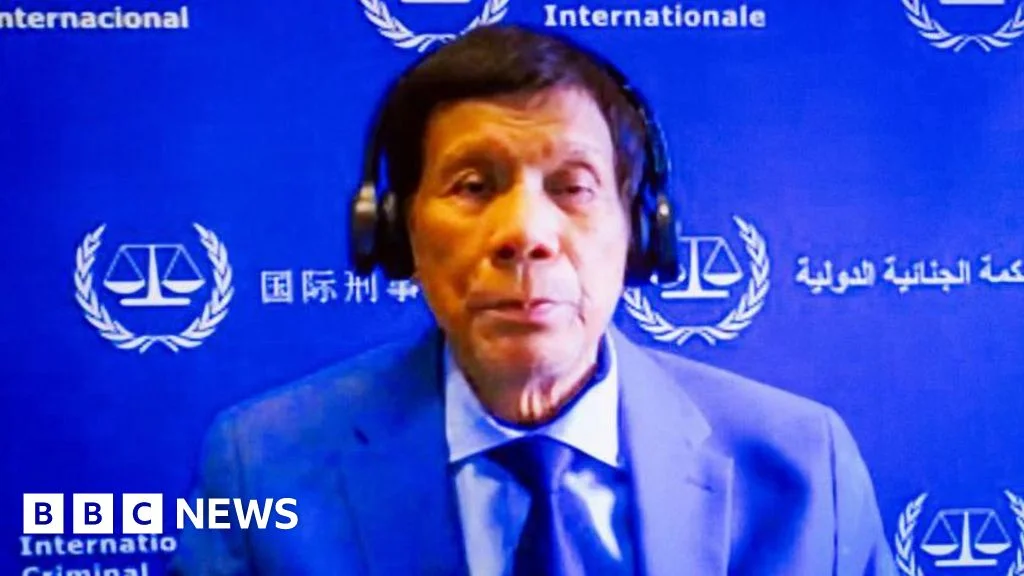
The International Criminal Court has revealed charges of crimes against humanity against former Philippine President Rodrigo Duterte, accusing him of involvement in at least 76 killings during his time as mayor and president, including murder and extrajudicial killings related to drug enforcement. Duterte, currently detained in the Netherlands, denies authorizing such acts, and his trial has been postponed as his attorneys argue he is unfit to stand trial.
The ICC has charged former Philippine President Rodrigo Duterte with crimes against humanity, alleging his involvement in at least 76 killings during his time as mayor and president, including targeted killings and 'clearance operations.' Duterte, currently detained in the Netherlands, denies authorizing such acts, and his trial has been postponed as his attorneys argue he is unfit to stand trial.
Prosecutors at the ICC have charged former Philippines president Rodrigo Duterte with crimes against humanity for his involvement in at least 76 murders during his anti-drug campaign, with charges covering murders from 2013 to 2018. Duterte, currently detained in The Hague, faces allegations related to his time as mayor of Davao City and as president, with proceedings postponed due to his claimed cognitive impairments.
Former Philippine President Rodrigo Duterte has been charged by the ICC with crimes against humanity for his role in the deaths of at least 76 people during his anti-drug campaign, spanning his time as mayor and president, with charges focusing on murders carried out by police and non-state actors between 2013 and 2018. Duterte, currently detained in the Netherlands, disputes the charges and claims his arrest is unlawful, while his supporters view his detention as politically motivated.
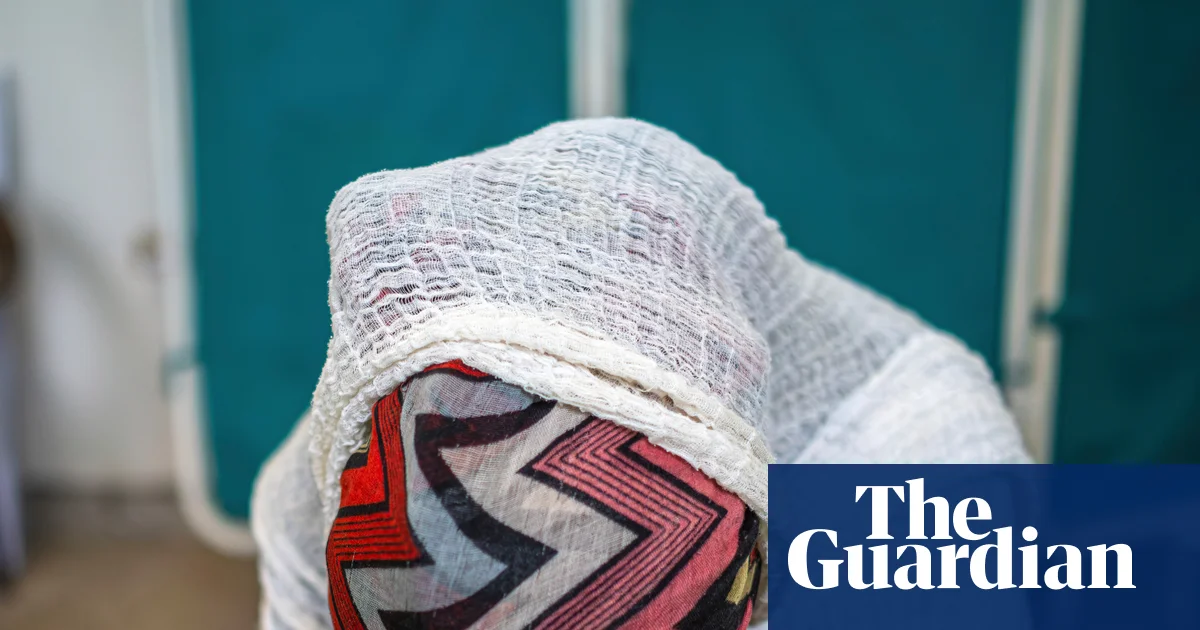
A comprehensive report documents systematic sexual violence, including mass rape and forced pregnancy, committed by Ethiopian and Eritrean forces in Tigray, amounting to crimes against humanity, with ongoing violence and impunity hindering justice and recovery.
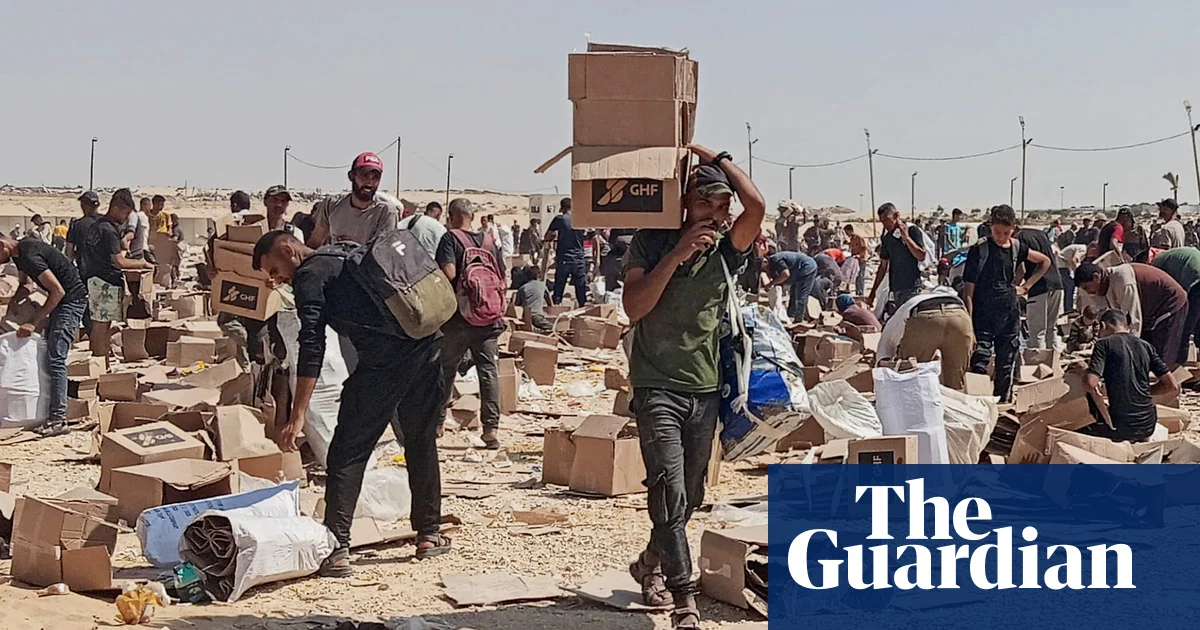
Israel's defense minister has proposed plans to forcibly transfer Gaza's population into a designated camp, a move condemned by legal experts as a potential crime against humanity, raising serious concerns about violations of international law and human rights.
A key UN General Assembly committee has adopted a resolution to begin negotiations on the first-ever treaty to prevent and punish crimes against humanity, following Russia's withdrawal of amendments that could have stalled the process. The resolution, supported by 98 countries, sets a timeline for preparatory sessions in 2026 and 2027, with negotiations in 2028 and 2029. This initiative aims to address a gap in international law, as the International Criminal Court does not cover all countries. Human rights advocates hail this as a historic step towards reinforcing international justice.
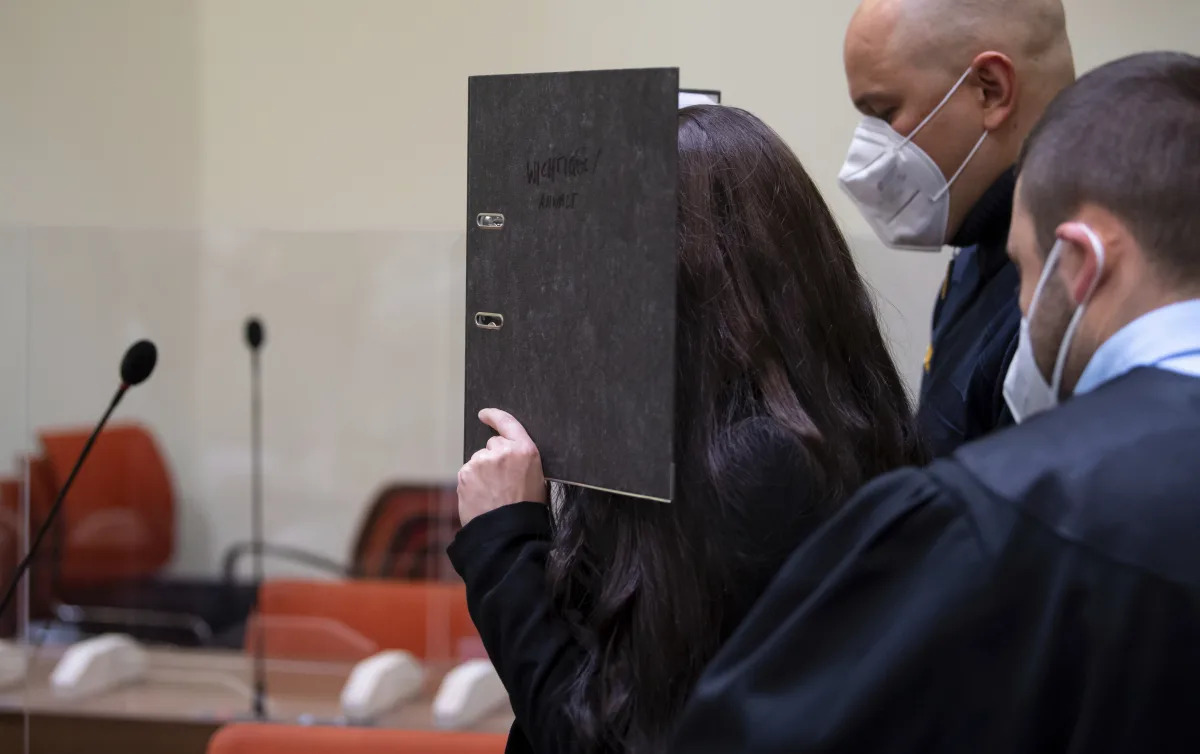
A German woman, identified as Jennifer W., has lost her appeal of a 14-year sentence for allowing a 5-year-old Yazidi girl, whom she and her husband kept as a slave when they were members of the Islamic State group in Iraq, to die of thirst in the sun. The woman was convicted of crimes against humanity through enslavement, one case resulting in death, and membership in a terrorist organization abroad. The court rejected her appeal as "manifestly unfounded," and her former husband, an Iraqi citizen, was convicted of genocide, crimes against humanity, war crimes, and bodily harm resulting in death and sentenced to life imprisonment.
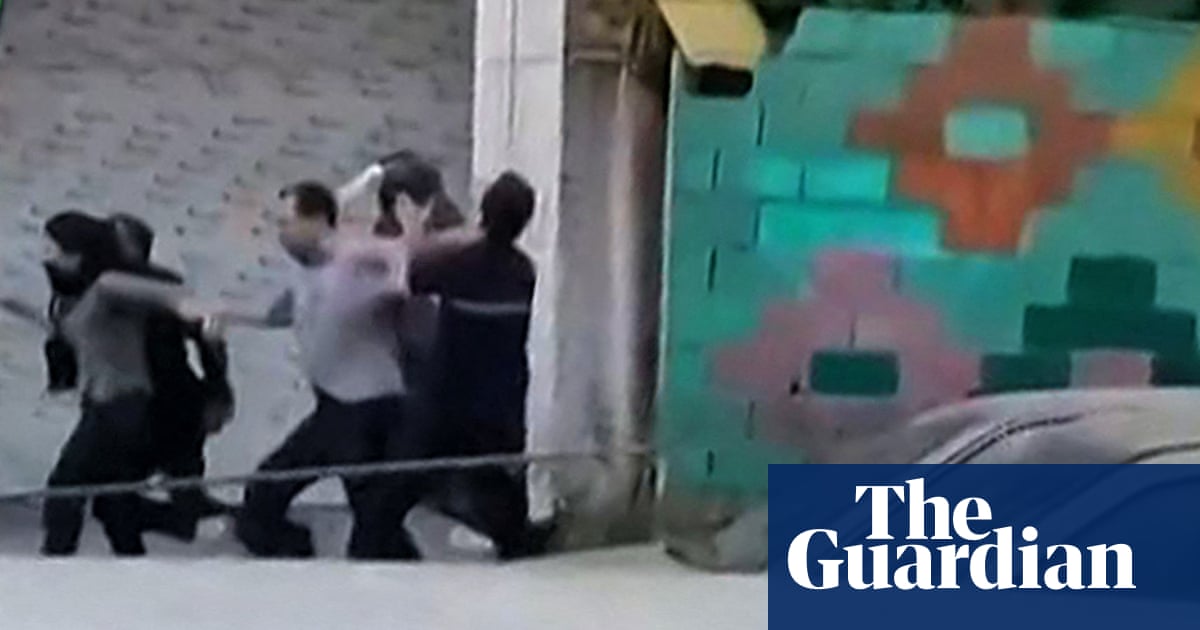
A UN fact-finding mission has concluded that the Iranian regime's crackdown on protests in 2022 amounted to crimes against humanity, specifically targeting women and girls. The report details widespread and systematic human rights violations, including murder, imprisonment, torture, rape, and persecution. The Iranian government has been urged to provide justice and reparations to the victims, but has refused to cooperate with the investigation. Human rights groups have also reported ongoing repression of protesters' families, journalists, activists, and enforcement of compulsory hijab laws on women and girls.
Ousman Sonko, former Gambian interior minister, is on trial in Switzerland for alleged complicity in torture, murder, and rape during the regime of former dictator Yahya Jammeh. If convicted, he could face life imprisonment, marking a pivotal case for Switzerland's universal jurisdiction principle. Sonko's trial represents a significant step towards justice for victims of Jammeh's regime, with the Gambian Truth, Reconciliation and Reparations Commission recommending prosecution of Jammeh and his accomplices.
Ousman Sonko, a former Gambian interior minister, is on trial in Switzerland for crimes against humanity, including killings, torture, and rape allegedly committed during President Yahya Jammeh's repressive regime. Sonko's lawyer denies his responsibility, claiming that the National Intelligence Agency was behind the crimes. Switzerland is using universal jurisdiction to prosecute him, and this trial is seen as a warning to repressive governments. The case is based on extensive evidence, including testimonies from alleged victims and witnesses. This is the second time Switzerland has tried someone under universal jurisdiction for crimes against humanity, and other countries are also pursuing cases against former members of Jammeh's regime.
Ousman Sonko, a former Gambian minister, is on trial in Switzerland for crimes against humanity, including murder, rape, and torture, becoming the highest-ranking official to be tried in Europe under universal jurisdiction. The trial involves nine Gambian plaintiffs, including a woman who alleges that Sonko raped her multiple times and held her captive. Sonko denies the charges, and his lawyer has requested the case be abandoned due to issues with the investigation and hearings. If convicted, Sonko could face a life sentence.
The United States Department of State has determined that members of the Sudanese Armed Forces (SAF) and the Rapid Support Forces (RSF) have committed war crimes, while members of the RSF and allied militias have committed crimes against humanity and ethnic cleansing. The conflict in Sudan has caused immense suffering, with civilians being targeted and abused. The SAF and RSF are urged to comply with international law, hold those responsible for atrocities accountable, and allow unhindered humanitarian assistance. The determination aims to bring renewed urgency to efforts to end the violence and achieve justice for victims.
A German court has sentenced a former member of Gambia's "Junglers" death squad, Bai Lowe, to life in prison for crimes against humanity, murder, and attempted murder. The court found Lowe guilty of being involved in illegal killing orders and suppressing opposition during his time as a driver for the military unit. The trial took place in Germany based on the principle of universal jurisdiction, allowing countries to prosecute such crimes regardless of where they occurred. Two other alleged accomplices of former Gambian President Yahya Jammeh, Ousman Sonko and Michael Sang Correa, have also been detained abroad.