Denver is facing a humanitarian crisis as it struggles to support the influx of thousands of migrants, with nearly 40,000 migrants arriving in the city, the most per capita of any city in the nation. The city has spent over $42 million on migrant support and may face a total cost of $180 million in 2024, prompting budget cuts in other areas. Mayor Mike Johnston has appealed for help from the White House and Congress, but the city's support system is starting to buckle after Congress rejected a deal aimed at slowing the flow of migrants.

Texas Governor Greg Abbott ordered more razor wire along the border despite the Supreme Court's ruling, prompting Texas Democrats to call on President Biden to take control of the Texas National Guard. The federal government usually has authority over immigration policy, but Title 10 of the U.S. Code grants the Secretary of Defense control over troops in certain situations. However, the governor's consent is required to activate the National Guard under this subsection, and Gov. Abbott is unlikely to consent. The governor argues that Texas has the right to protect itself from invasion, while cities across the U.S. are struggling with the costs of housing and feeding migrants, with New York City alone spending over $2 billion last year.
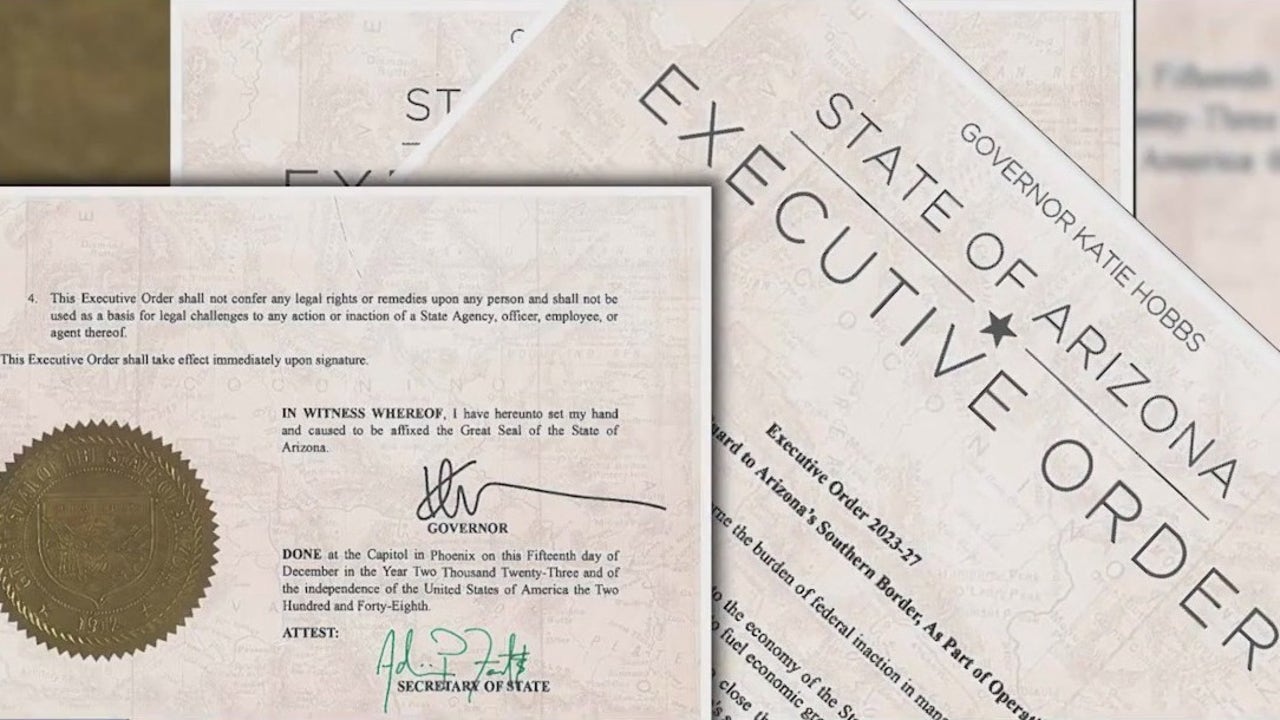
Arizona Governor Katie Hobbs has signed an executive order to send the National Guard to the southern border to assist with enforcement activities, including fentanyl interdiction, analytical support, and human trafficking enforcement efforts. The move comes after the Lukeville Port of Entry was closed due to a surge of migrants. The National Guard will be working in a support role, providing administrative assistance to the Department of Public Safety and local law enforcement agencies. The number of guardsmen needed is currently unknown.
Finland has announced the closure of all land borders with Russia following an influx of migrants. The decision comes as Finland seeks to manage the increasing number of asylum seekers entering the country. The closure is expected to last for at least three weeks, during which time only Finnish citizens and residents will be allowed to cross the border.
The European Union will assist Finland in strengthening its borders as the country faces an increase in migrants attempting to enter from Russia. Frontex, the European Border and Coast Guard Agency, will deploy 50 border-guard officers and other personnel, along with equipment, to support Finland's border-control efforts. The reinforcement, including surveillance officers, document experts, and interpreters, is expected to arrive next week.
President Biden's favorability and job approval ratings have dropped, with 52% of Democrats wanting a different presidential nominee in 2024. In a head-to-head matchup, Biden leads Trump by 9 points, but that lead narrows to 7 points if RFK and West are on the ballot. The recent influx of migrants is seen as a serious problem by 84% of voters, with 64% saying New York has done enough and needs to slow the flow of immigrants. Mayor Eric Adams' statement that the migrant issue will "destroy NYC" is agreed upon by 58% of New Yorkers. Crime has worsened in New York State according to 59% of voters. A majority of voters support military and economic aid for Israel and Ukraine.
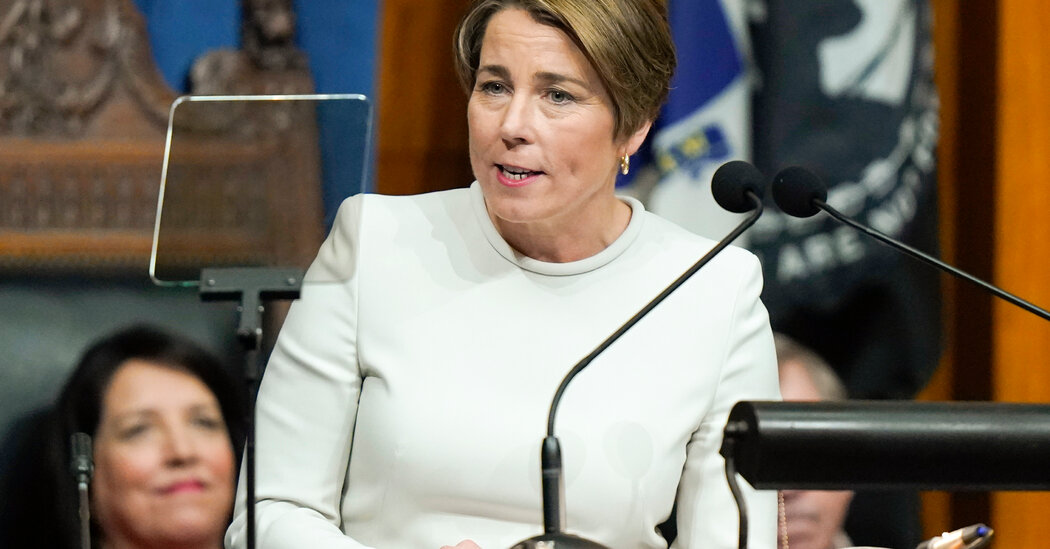
Massachusetts Governor Maura Healey announced that the state will no longer guarantee shelter placements for new arrivals starting next month due to the overwhelming strain on the emergency shelter system caused by an unprecedented influx of migrants, primarily from Haiti. The number of families in emergency housing has doubled in the past year, reaching nearly 7,000 statewide, and is expected to rise to 7,500 by the end of October. Governor Healey emphasized that the state is not abolishing its right-to-shelter law but will prioritize families with health or safety risks and place others on waiting lists. The announcement has sparked calls to re-examine the right-to-shelter law, with some lawmakers proposing to limit it to U.S. citizens. Governor Healey called for a federal solution to address the ongoing crisis.
New York City is experiencing a significant surge in tuberculosis (TB) cases, with preliminary data showing a 20% increase compared to last year. The rise is attributed to factors such as Covid fatigue, with people avoiding clinics and treatments, as well as funding cuts resulting in the closure of the only TB clinic in Manhattan. The influx of migrants, who are at a higher risk of infection due to cramped housing conditions, is also a concern. TB cases in the city are at their highest level in over a decade, raising fears of the disease spreading to other areas of the country.
New York Governor Kathy Hochul has announced the availability of 18,000 jobs for eligible asylum seekers and migrants in response to the influx of over 125,000 people in New York City. The state's Department of Labor has identified job openings in various sectors, including accommodation and food services, healthcare, manufacturing, and administrative support. Governor Hochul called on businesses to sign up for more job opportunities and urged Washington and Congress to expand work authorizations for a wider range of migrants. The job openings are spread across different regions in the state, with New York City having the most positions available. The move comes as Mayor Eric Adams implements a decompression strategy to alleviate the burden on the city.
New York's Democrat Governor Kathy Hochul criticized the open southern border and called for limits on the number of people entering the US, stating that the current situation is overwhelming border states and sanctuary cities like New York. Hochul demanded more controls at the border and an increase in the number of Border Patrol officers. The influx of migrants has strained resources and diverted attention from the needs of the local population. Hochul has lobbied for state funds to support housing and feeding migrants, but the cost is estimated to reach $12 billion in the next three years, jeopardizing crucial city services. Eagle Pass, Texas, has declared a state of emergency due to the overwhelming number of migrants crossing the border. Texas Governor Greg Abbott has proposed busing migrants to northern blue states to share the burden of ineffective border policies.
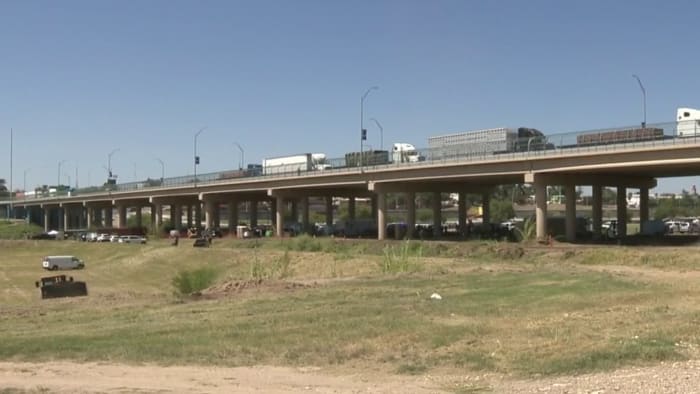
The Migrant Resource Center in San Antonio is experiencing an influx of migrants arriving from the U.S.-Mexico border, with an average of 750 migrants per day, exceeding its capacity of 700. Migrants from countries such as Venezuela, Honduras, Haiti, Guatemala, and Colombia are seeking humanitarian aid, including food, clothing, and case management. Some migrants are forced to sleep behind dumpsters and in ditches due to limited space. The local authorities have not yet responded to inquiries about how they plan to handle the situation.
Tensions are escalating on Italy's Lampedusa island as around 6,700 migrants arrived this week, overwhelming reception centers and emergency workers. The island, located off the coast of Sicily, is struggling to cope with the influx, with many migrants requesting relocation to other European Union countries. Videos show overcrowded areas and clashes between migrants and Italian police. The situation poses a political challenge for Prime Minister Giorgia Meloni's government, which promised stricter immigration controls. The local and national governments are working to send aid and transfer migrants to the mainland, but the issue of stopping arrivals in Italy remains unresolved.
Thirteen people have been arrested following violent protests against refugees and migrants in the Cypriot city of Limassol. The mob vandalized shops and set fire to rubbish bins during an anti-immigration march. Cyprus, which has the highest proportion of refugees and migrants in the EU, has been struggling to cope with the influx. The violence comes just days after a group of Greek Cypriots attempted to attack protesting Syrians in another village.
The New York City Council plans to hold an oversight hearing in the fall to examine the billions of dollars in no-bid contracts awarded by the Adams administration to address the city's significant migrant influx. The contracts have raised concerns from politicians on both sides of the aisle, prompting calls for transparency and accountability. Councilwoman Gale Brewer will lead the hearing, focusing on reviewing the contracts and the programs they support. Councilwoman Inna Vernikov intends to introduce a bill mandating a public website to track taxpayer spending on migrants. The contracts, issued under a state of emergency, have not undergone thorough review by the City Comptroller's office. Mayor Eric Adams estimates the cost of the migrant crisis could reach $12 billion over the next three years.
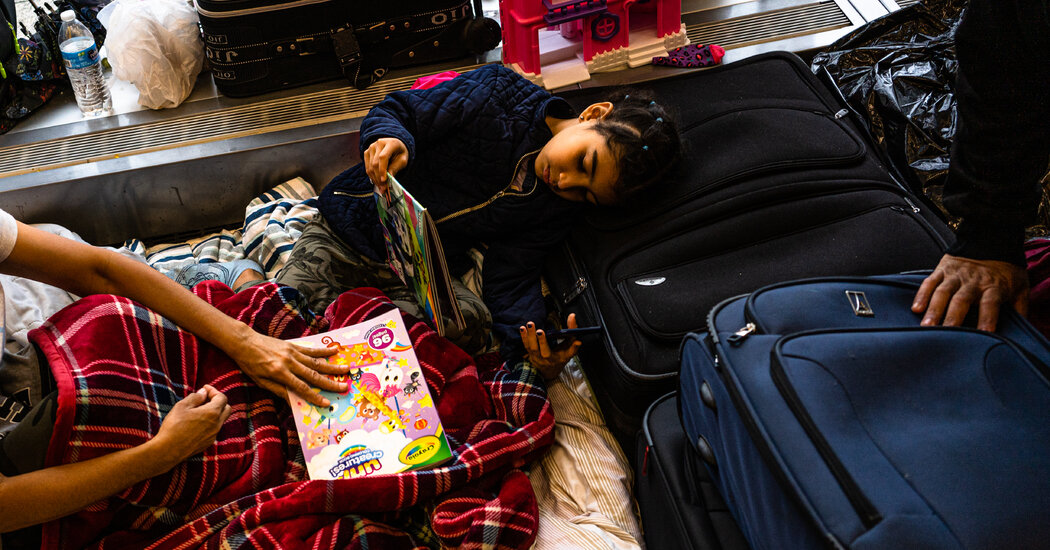
Chicago is facing a sudden surge of migrants, mostly from South America, who have been bused or flown from southern states to the city, and then brought to police stations to await shelter beds. The influx is expected to increase after a change in federal rules takes effect on Thursday. The challenge is not merely practical but also a test of the city’s own sense of identity. The city has set up at least 10 shelters for housing migrants, working with community organizations to provide transportation and other services. The cost of handling the influx of migrants from January to June is close to $125 million, a city official said.