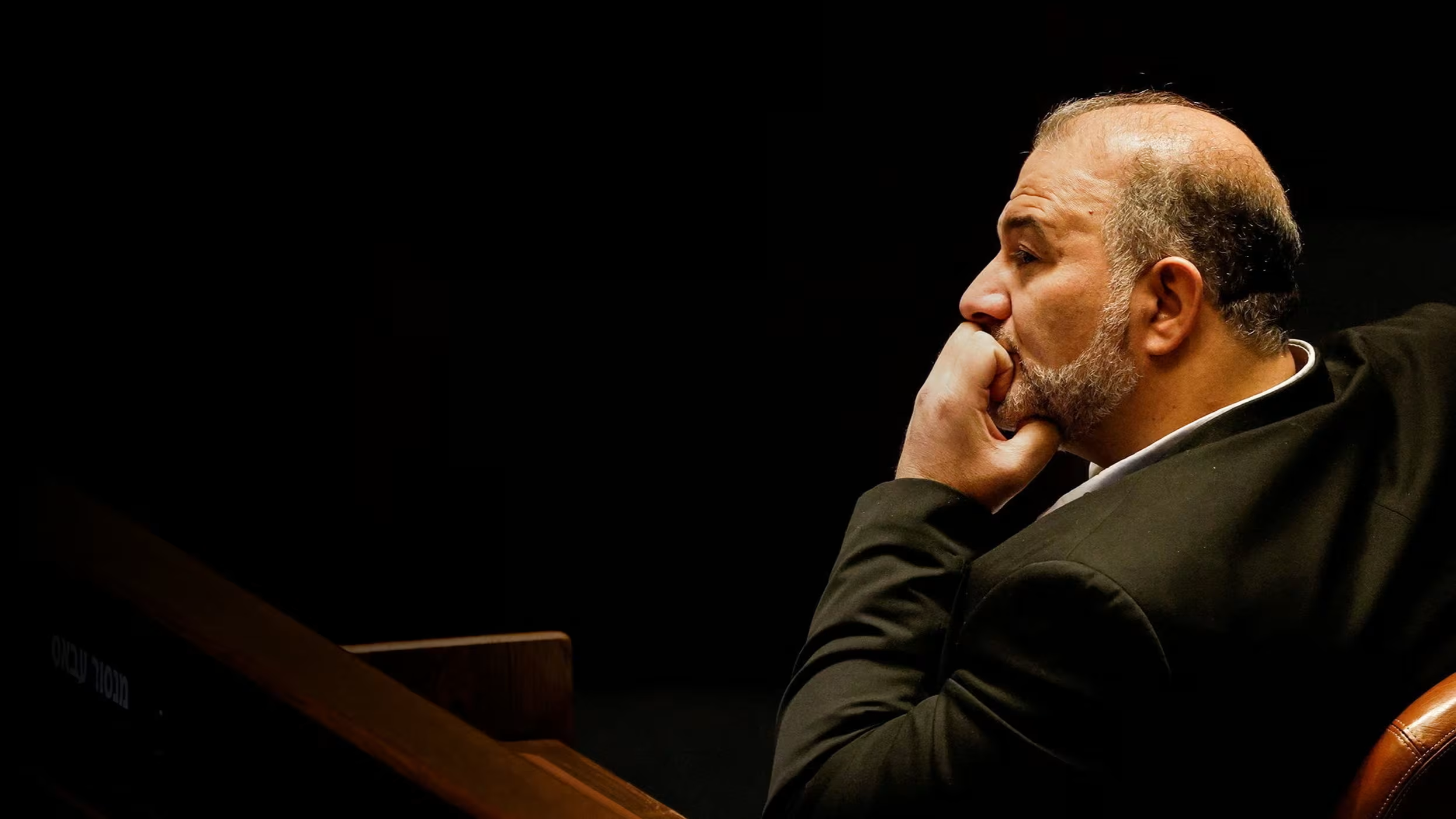
Arab Kingmaker Seeks to Influence Israel's Upcoming Election
The article discusses an unlikely Arab figure who is emerging as a key influencer in shaping Israel's upcoming election, highlighting regional political dynamics and strategic alliances.

All articles tagged with #middle east politics
The article discusses an unlikely Arab figure who is emerging as a key influencer in shaping Israel's upcoming election, highlighting regional political dynamics and strategic alliances.
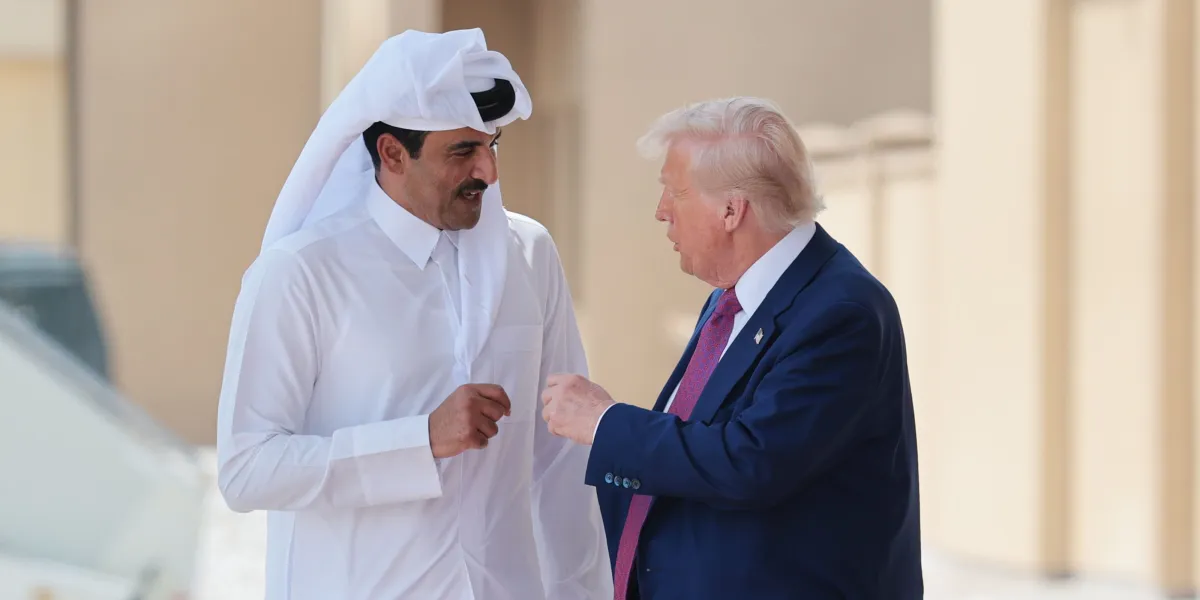
The article explores how Trump's close ties with Qatar and financial interests in the Middle East may have influenced his push for a Gaza ceasefire, especially after Israel's attack on Doha and subsequent regional pressures, highlighting the intertwining of geopolitics, business, and personal profit in U.S. Middle East policy.
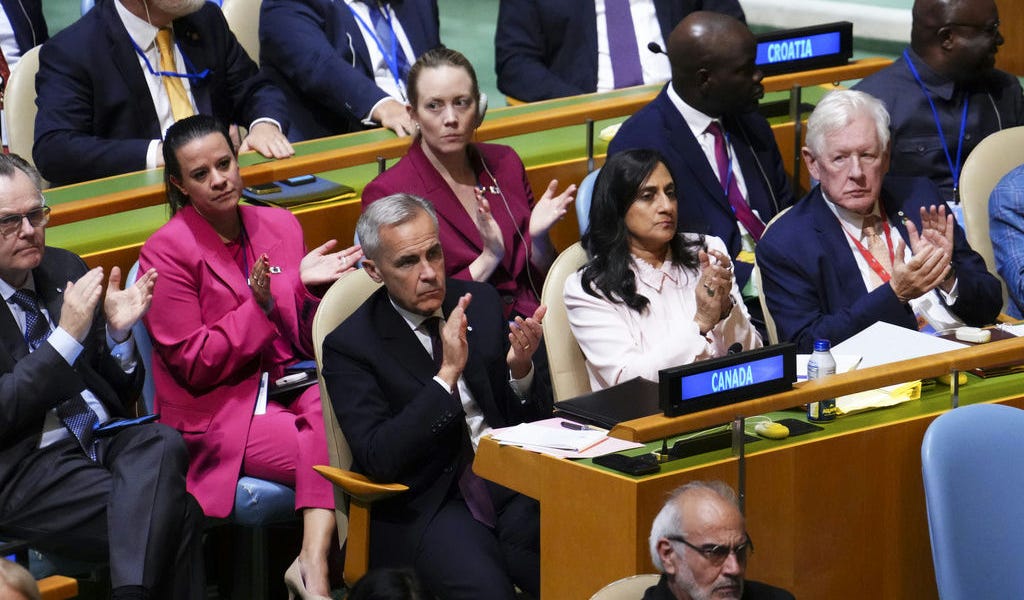
Canada, along with the UK and Australia, recognized Palestinian statehood despite unfulfilled promises of reforms from the Palestinian Authority, raising concerns about the credibility of such recognition amid ongoing political tensions and postponed elections.
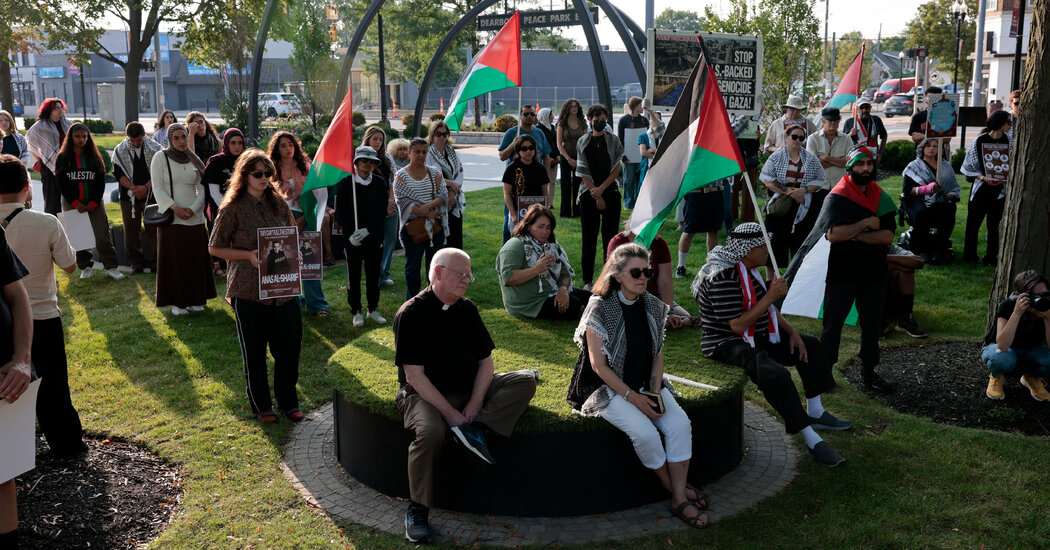
The U.S. has implemented broad restrictions on visas for Palestinian passport holders, affecting travel for medical, educational, familial, and business reasons, amid tensions over Palestinian state recognition and U.S. support for Israel.
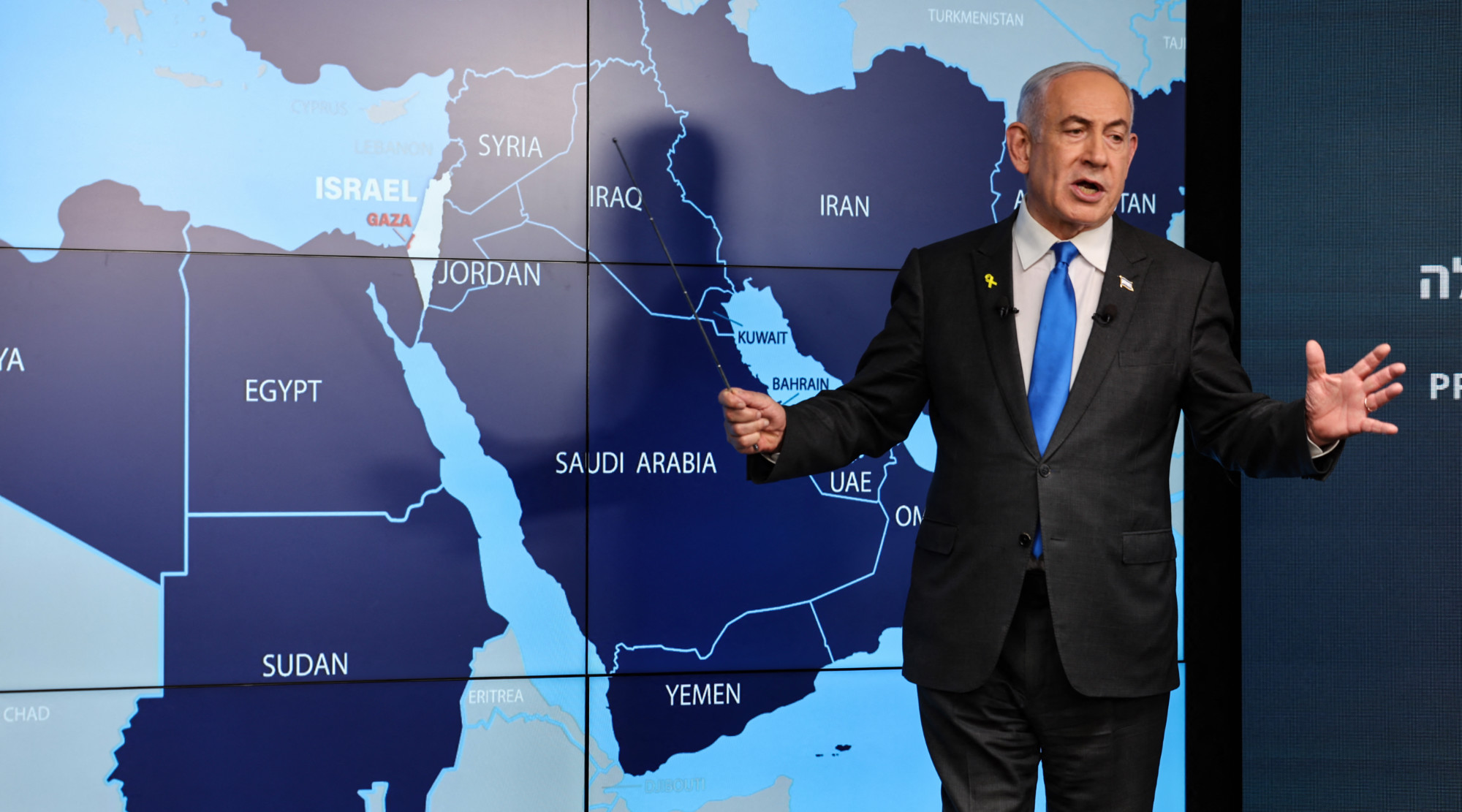
Israeli Prime Minister Benjamin Netanyahu expressed support for the concept of Greater Israel, a vision of territorial expansion encompassing parts of Palestine, Lebanon, Jordan, Syria, Iraq, Egypt, and Saudi Arabia, sparking condemnation from Arab states. The idea, rooted in religious and historical claims, has evolved from early Zionist ideas and gained renewed prominence under Israel's current government, especially amid ongoing conflicts and territorial disputes in the region.
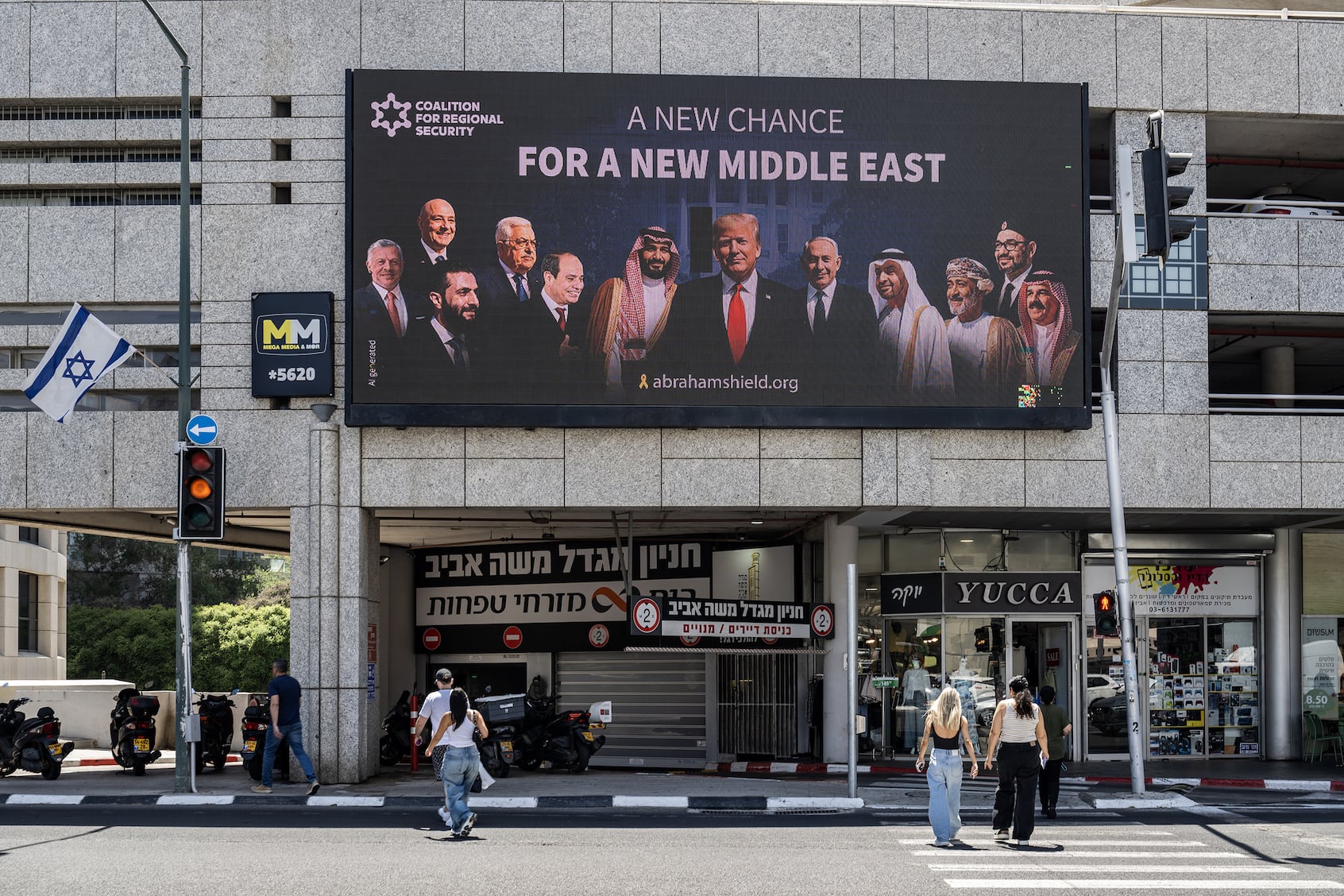
The article argues that the two-state solution for Israel and Palestine is no longer feasible due to ongoing conflicts, settlement expansion, and political realities, suggesting that alternative visions like a one-state democratic solution should be explored despite their unlikelihood in the current climate.
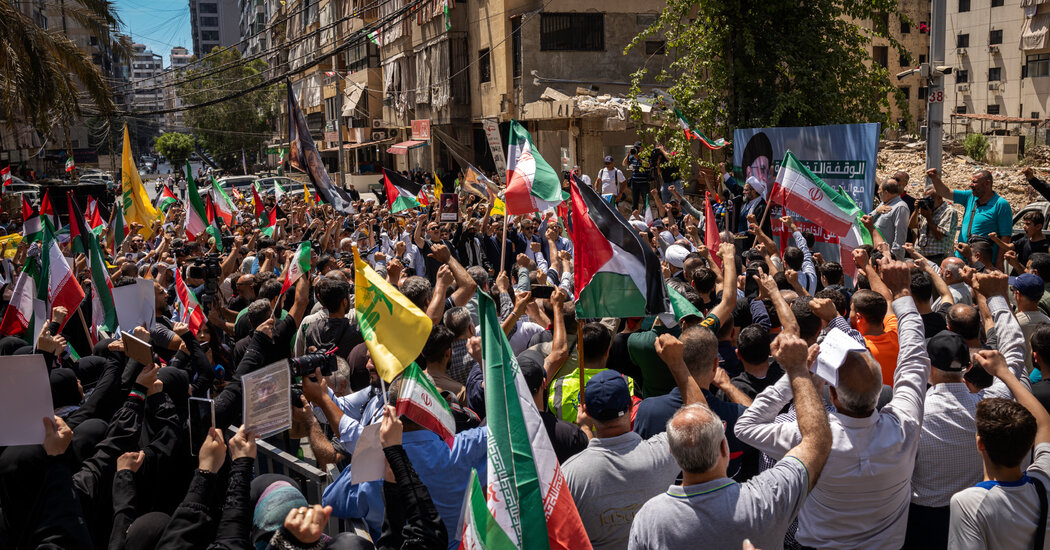
Hezbollah, weakened after recent conflicts with Israel and facing pressure from Lebanon and international backers to disarm, continues to resist surrendering its arsenal amid ongoing regional tensions and internal challenges, with its future uncertain as Israel maintains a strong presence along the Lebanese border.
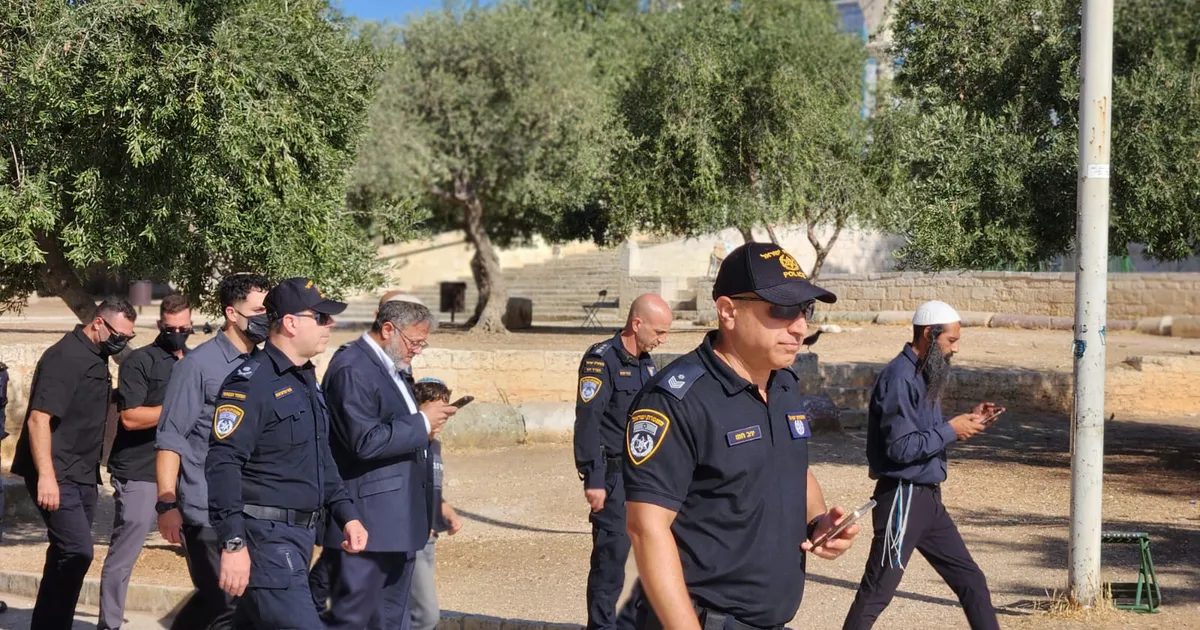
Israeli far-right Minister Ben-Gvir's provocative visit to the Temple Mount amid ongoing Gaza conflict appears aimed at sabotaging a potential ceasefire deal, while Netanyahu balances internal and external pressures amidst escalating tensions and regional conflicts involving Syria and the Druze community.
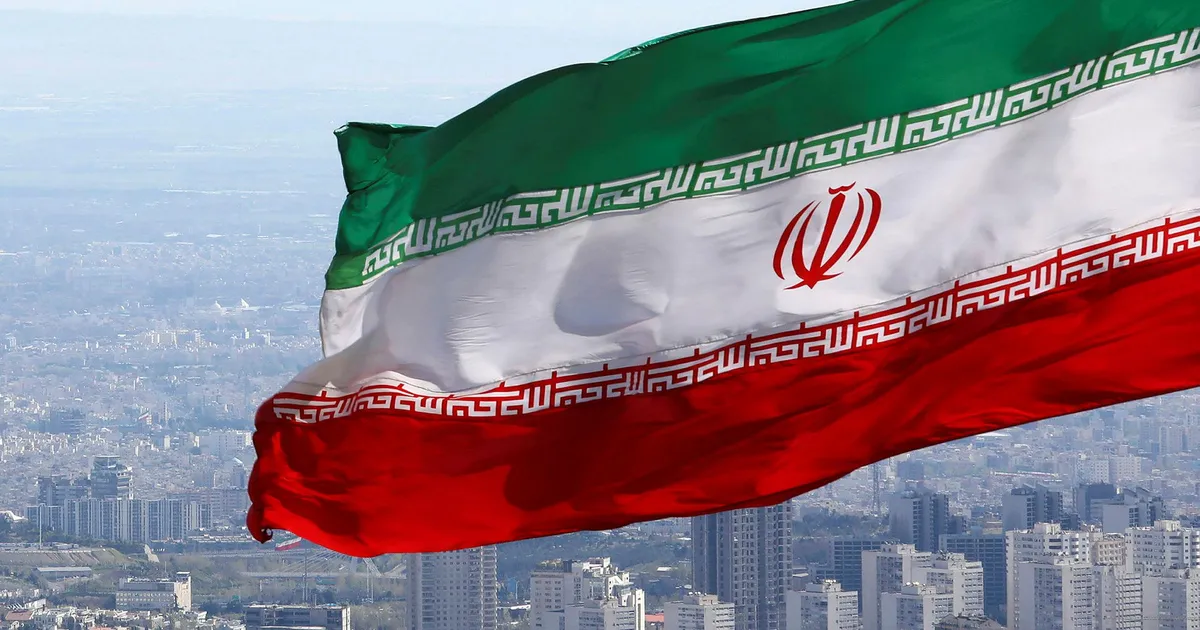
Experts highlight the lack of a unified opposition in Iran to replace the current regime if it falls, and express skepticism about Reza Pahlavi emerging as a leader, amidst ongoing regional tensions and debates about regime change in Iran and Israel.
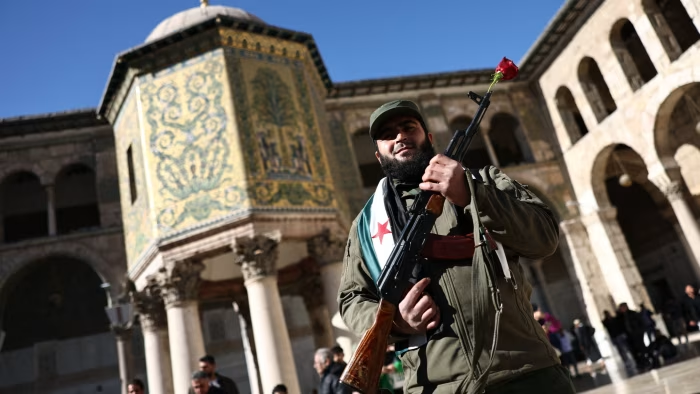
The US has acknowledged direct contact with Hayat Tahrir al-Sham (HTS), an Islamist group that recently led an offensive to overthrow Syrian President Bashar al-Assad, despite HTS being designated a terrorist organization. US Secretary of State Antony Blinken stated that the US and its allies have agreed on principles for a Syrian-led political transition. The fall of Assad, who fled to Russia, has created both jubilation and uncertainty in Syria. The US, which has troops in Syria, is focusing on immediate humanitarian needs amid the country's economic collapse and diverse sectarian landscape.
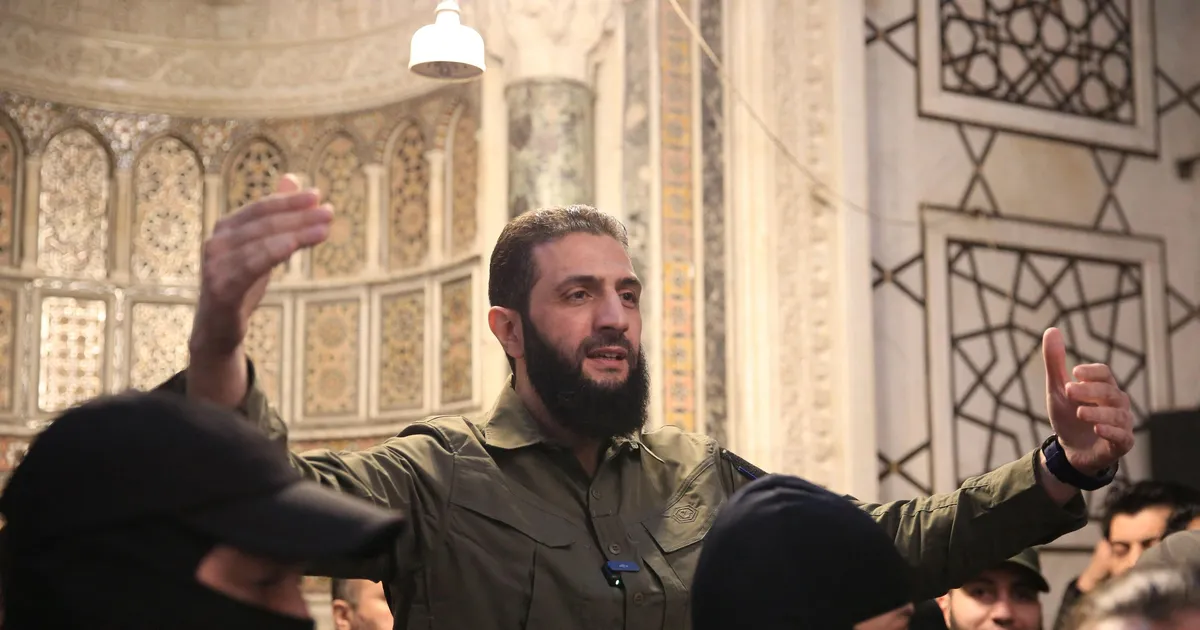
Ahmed A-Shara, formerly known as Abu Mohammed al-Golani, the leader of Syrian rebel groups that ousted Assad, is now a highly sought-after figure in Middle Eastern diplomacy. Despite his past as the head of Al Qaida's Syrian branch and being on the world terrorist list, Arab and European leaders are eager to engage with him, viewing him as a potential statesman. This shift in perception highlights the complex dynamics of Middle Eastern politics and international relations.
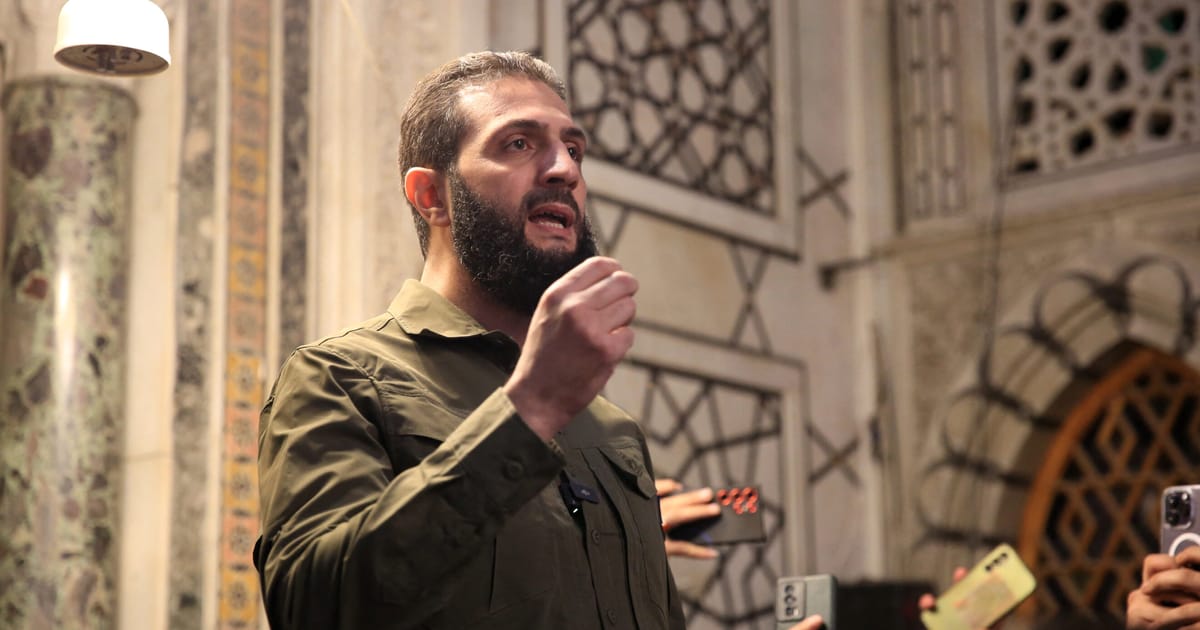
The article explores the potential transformation of Syrian rebel leader Abu Mohammad al-Golani, who was once affiliated with al Qaeda, in the context of the recent political shifts following the ouster of Syrian dictator Bashar Assad. It examines the implications for regional power dynamics, including the roles of Turkey and other key players, and questions whether Assad's downfall was solely due to internal weaknesses or if there was collaboration with rebel forces.

The Syrian revolution, which began in 2011, has significantly impacted global politics, leading to a devastating civil war with over 500,000 deaths and displacing millions. The conflict created a power vacuum that allowed ISIS to rise, influencing global events like the 2015 migrant crisis and the rise of far-right politics in Europe. Despite Assad's continued rule with support from Russia, Iran, and Hezbollah, the situation remains unstable, with the U.S. maintaining a military presence to combat ISIS. The future of Syria, whether as a failed state or a democracy, remains uncertain.
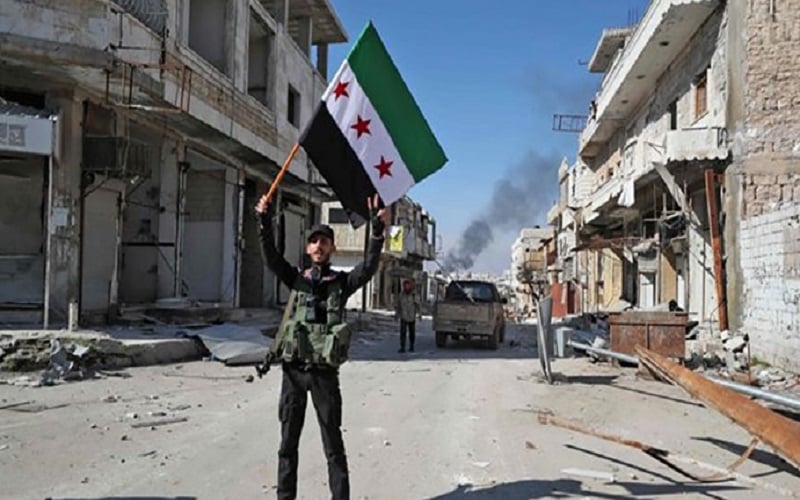
Iran's strategic influence in Syria, once considered a crucial element of its regional power, is crumbling under international and domestic pressures. Despite massive financial and military investments to support Bashar al-Assad's regime, Iran's ambitions face significant setbacks, threatening its regional dominance and potentially destabilizing Tehran itself. Public discontent over Iran's foreign policy expenditures, coupled with the erosion of its "strategic depth," highlights the regime's vulnerabilities and the potential collapse of its expansionist goals.
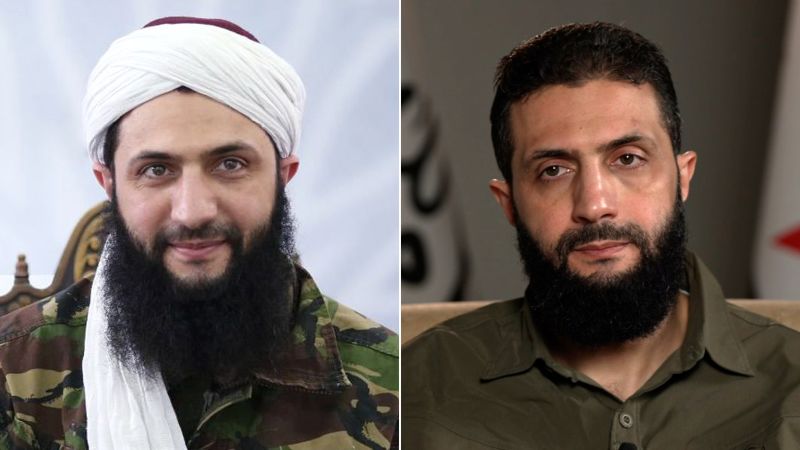
Ahmed Al Sharaa, known as Abu Mohammed al-Jolani, has transformed from a jihadist leader with ties to Al Qaeda to a more moderate figure leading the Syrian rebel group Hayat Tahrir Al Sham (HTS). Originally tasked with establishing Al Qaeda's Syrian affiliate, Jolani distanced his group from radical Islamist ties in 2016, aiming to present a more palatable image to the West. Despite his rebranding efforts, HTS remains designated as a terror organization by the U.S. Jolani's leadership in Idlib and his stance against ISIS and Assad's regime highlight his evolving role in the region's complex political landscape.