middle-east-politics5.995 min read
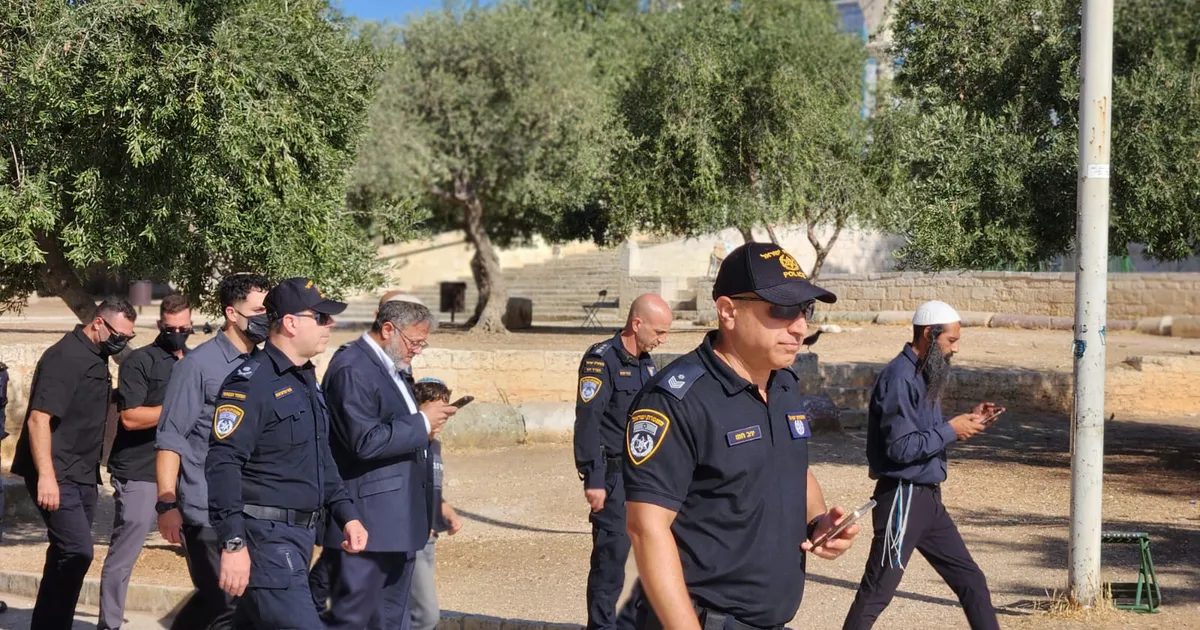
Israeli Minister's Holy Site Visit Sparks Tensions Amid Gaza Conflict
6 months ago•Source: Haaretz

The latest middle east politics stories, summarized by AI
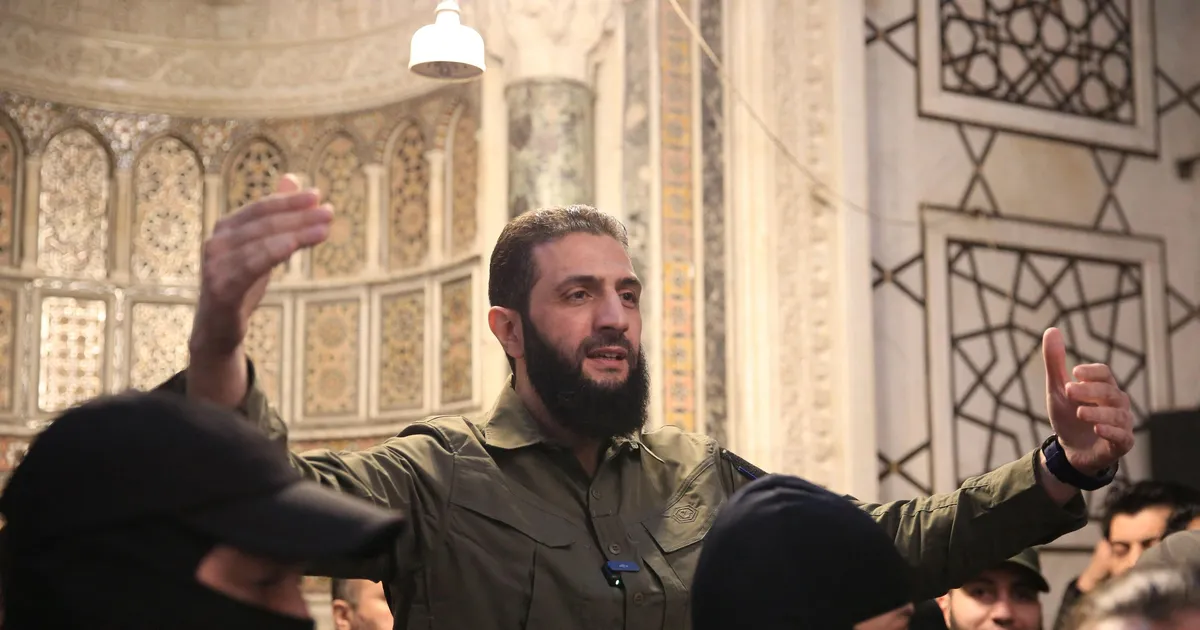
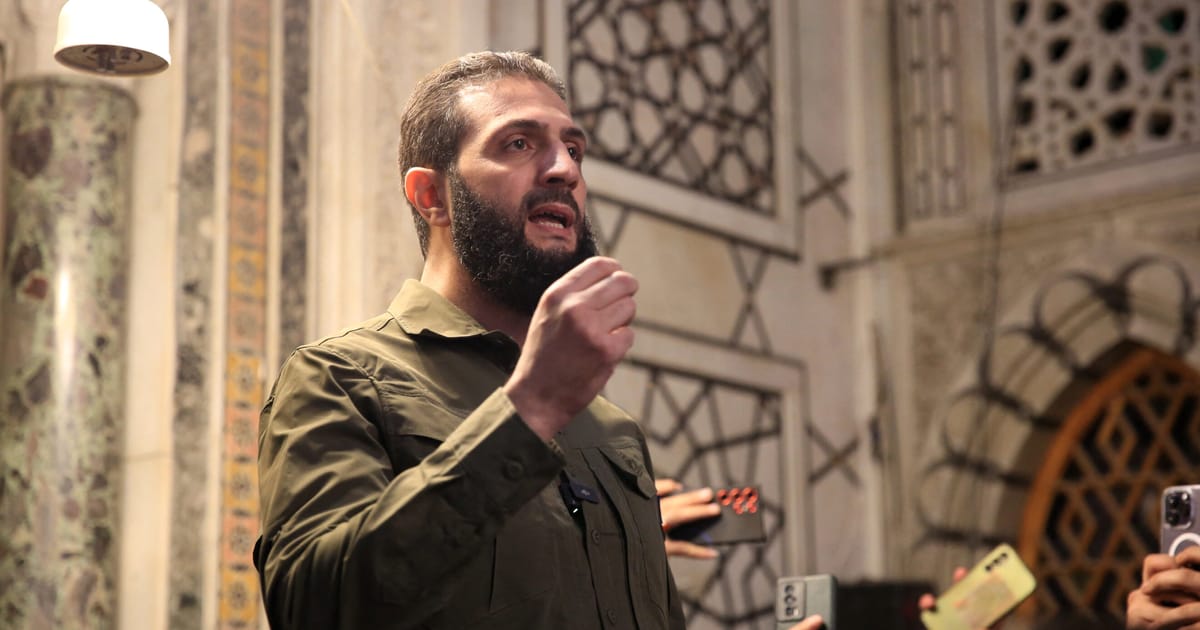
Ahmed A-Shara, formerly known as Abu Mohammed al-Golani, the leader of Syrian rebel groups that ousted Assad, is now a highly sought-after figure in Middle Eastern diplomacy. Despite his past as the head of Al Qaida's Syrian branch and being on the world terrorist list, Arab and European leaders are eager to engage with him, viewing him as a potential statesman. This shift in perception highlights the complex dynamics of Middle Eastern politics and international relations.
The Jerusalem Post•1 year ago
Haaretz•1 year ago
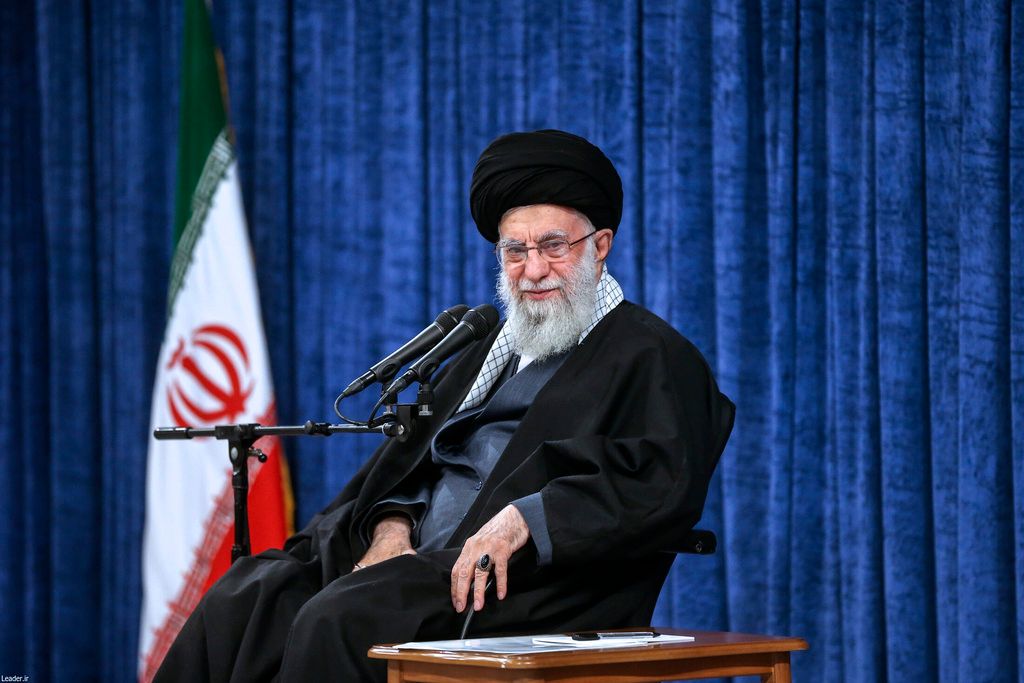
Ayatollah Ali Khamenei claimed that the October 7 attack was intended to disrupt the normalization process between Israel and Saudi Arabia, asserting that such normalization would not benefit Palestinians. He emphasized the need for continued struggle against Israel. The Palestinian Authority condemned his remarks, stating they incite violence and do not align with Palestinian aspirations for freedom and independence.
Over the past several years, a complex network of support for Hamas has emerged in the Middle East, involving countries like Qatar, Turkey, and Iran, as well as various NGOs. This "Hamas lobby" has influenced regional dynamics and international mediation efforts, complicating Israel's attempts to negotiate and manage conflicts in Gaza. Recent reports suggest that Egyptian intelligence altered ceasefire terms, affecting hostage negotiations and highlighting the sensitive and intricate nature of these mediations.
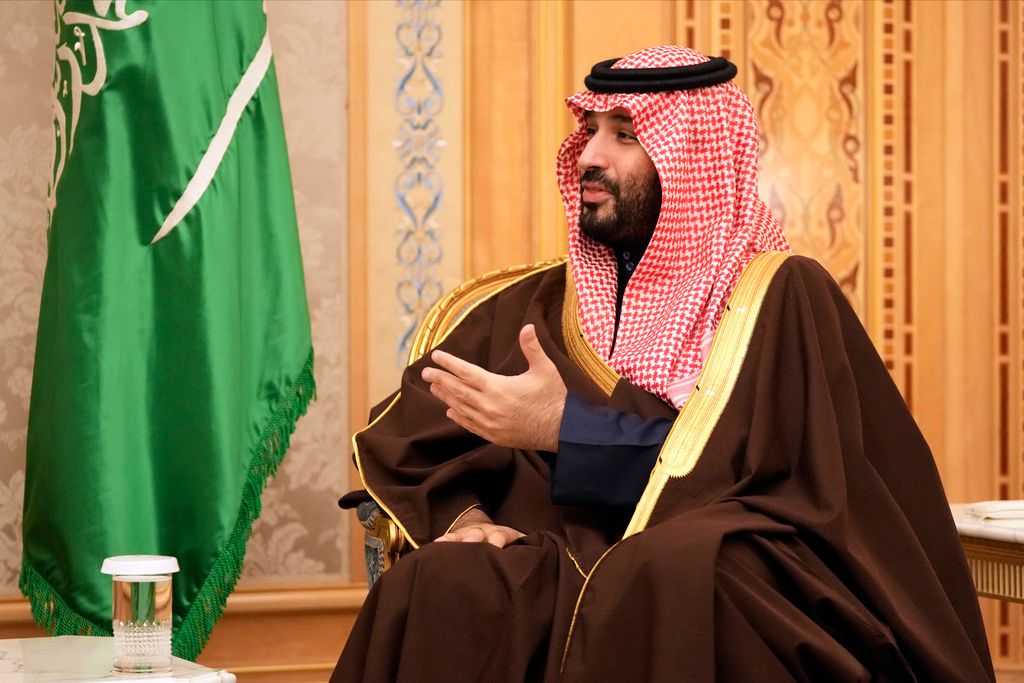
Saudi Arabia has publicly acknowledged its involvement in aiding a regional military coalition to defend Israel against an Iranian attack, with 99 percent of the Iranian drones and missiles intercepted and neutralized before reaching their intended targets. While Jordan openly disclosed its role, Saudi Arabia's acknowledgment came in the form of a summary on its official website, citing insights from a source within the Saudi royal family. The revelation comes amidst escalating tensions in the region and intensified diplomatic efforts to counter Iranian aggression, with the United States engaging in extensive initiatives aimed at reaching a normalization agreement between Jerusalem and Riyadh.
Recent Israeli airstrikes targeting Iranian officers in Syria have raised questions about Iran's response, with Tehran facing pressure to retaliate. The attacks have also shed light on Israel's actions and policies, exposing its alleged war crimes and revealing a lack of strategic planning. Meanwhile, Hamas's incitement against Jordan and its alignment with Iranian interests have raised concerns about its true intentions, while American officials anticipate Iran's response but expect it to refrain from targeting US forces.
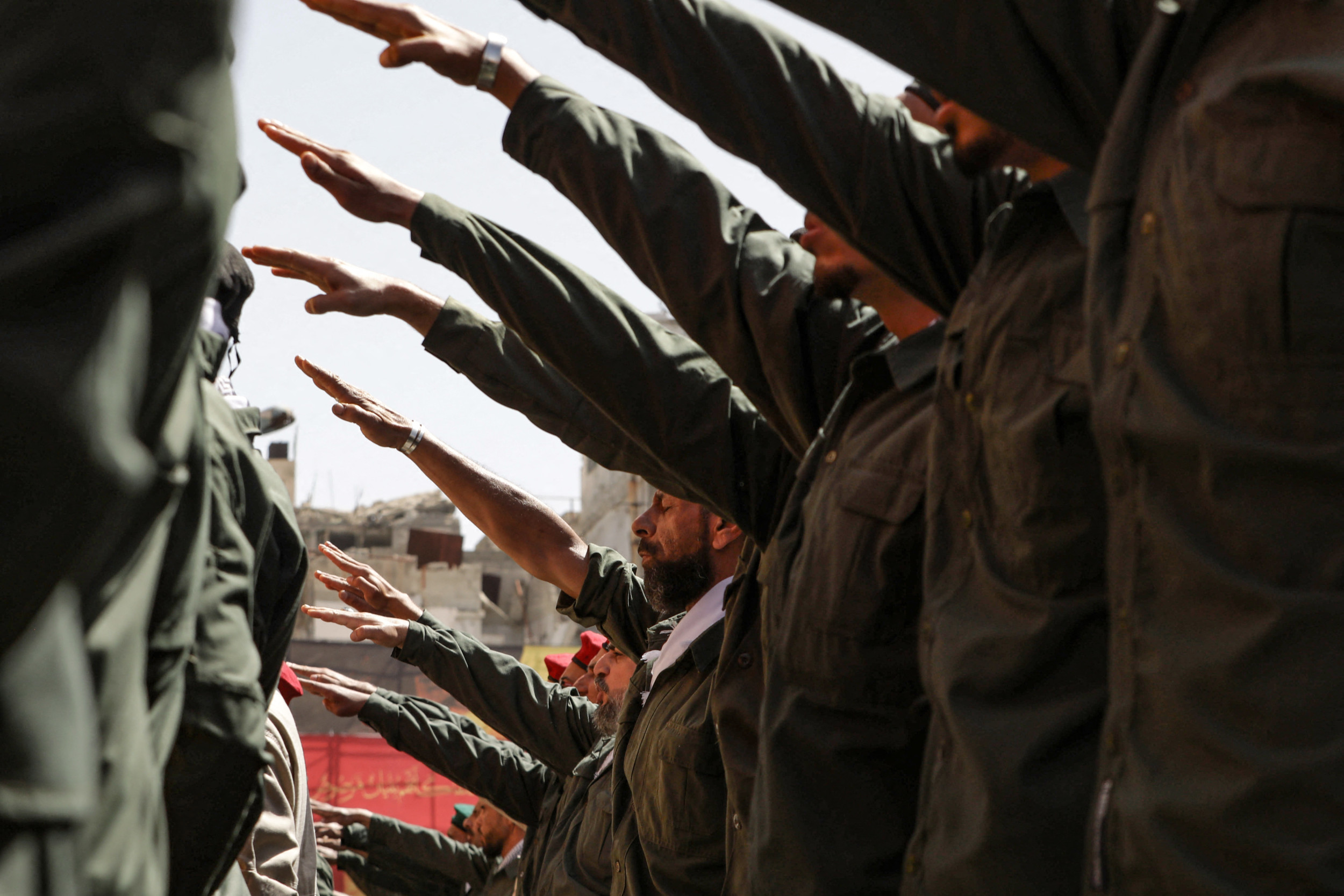
Syria has issued a warning to Israel and the United States following an alleged Israeli attack on Tehran's embassy complex in Damascus, accusing Israel of being the primary source of regional unrest and the U.S. of supporting its ally. Tensions are high as Iran vows to retaliate, putting the Middle East on edge. The U.S. has engaged in diplomatic communications to caution Tehran against further escalation, while Syria implores the international community to pressure Israel amid mounting criticism of its handling of the conflict in Gaza.
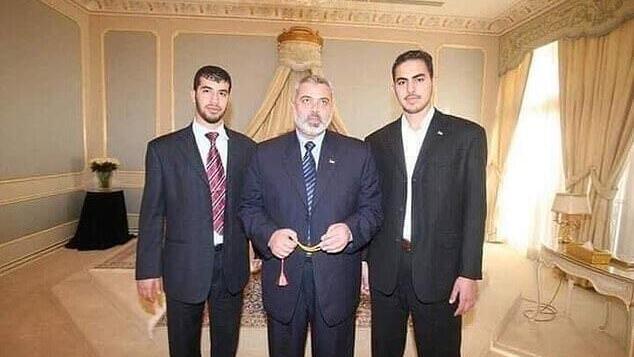
Three sons of Hamas leader Ismail Haniyeh were killed in an IDF airstrike in Gaza, and were revealed to be military operatives of the terrorist organization; Haniyeh's older sons are known for their lavish lifestyle, contrary to Islamic principles, and are involved in the real estate industry in Gaza; Haniyeh's sisters, who live in Israel, have been arrested on suspicion of supporting terrorism and incitement against the state, with one sister also battling cancer and receiving medical treatment.
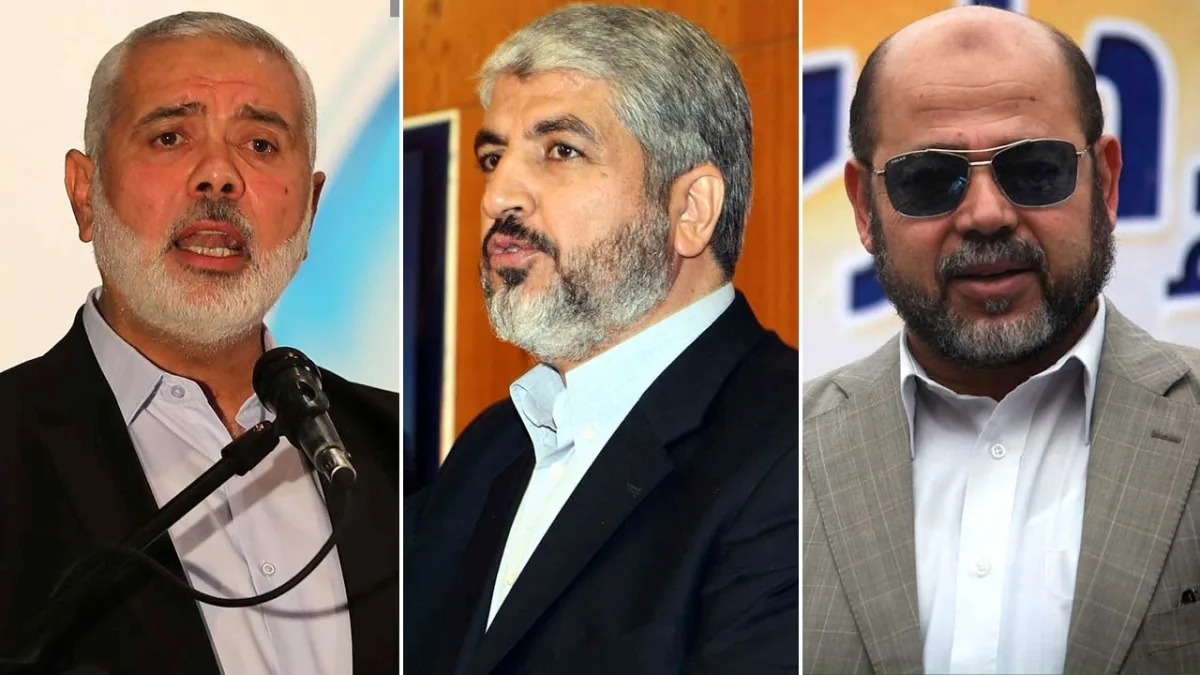
Palestinian officials from Fatah blame Hamas for the recent conflict with Israel, criticizing the group's lavish lifestyle in Qatar and ties to Iran. Fatah questions Hamas' decision-making and denounces their opposition to the appointment of new Palestinian Prime Minister Mohammed Mustafa. Meanwhile, Hamas calls for unified leadership and free elections, while Mustafa is tasked with unifying administration in the West Bank and Gaza, leading reforms, and fighting corruption. The United States expects the new government to deliver credible reforms for stability in the region.
The Palestinian Authority's Fatah faction has blamed Hamas for the current "Nakba," accusing them of causing disastrous outcomes and questioning their commitment to national priorities. This comes in response to Hamas's critique of the appointment of new Palestinian Prime Minister Mohammad Mustafa, with Fatah mocking Hamas and questioning their decisions, including the 2007 coup and their alliance with Iran. The two factions have a history of rivalry, with Fatah highlighting Hamas's luxurious lifestyle in Qatar and their abandonment of the Palestinian people during conflicts. Hamas, however, has been gaining popularity in the Palestinian street, recording successes in local and student elections.
The IDF is exploring the potential for Palestinian clans to control civilian affairs in areas of Gaza where Hamas is weakened, as Israel prefers not to have the Palestinian Authority take over these areas. While clans may provide a temporary solution, their long-term viability is uncertain, as seen in Iraq's experience with tribes and clans. The PA is also wary of this development, and tensions over Gaza could lead to regional conflict. Egypt's positive relationship with tribes in the Sinai Peninsula may offer insights for potential talks with Gaza clans.
Hamas leader Ismail Haniyeh called for residents of the West Bank and Jerusalem to barricade themselves at the al-Aqsa Mosque at the start of Ramadan, and urged for international support to break the siege on the mosque. He also mentioned Hamas's "flexible" stance on hostage negotiations while maintaining their commitment to fighting. Additionally, Haniyeh expressed hope for international efforts to prevent a potential IDF invasion of Rafah and called on Arab states to restrain Israel from invading the city.