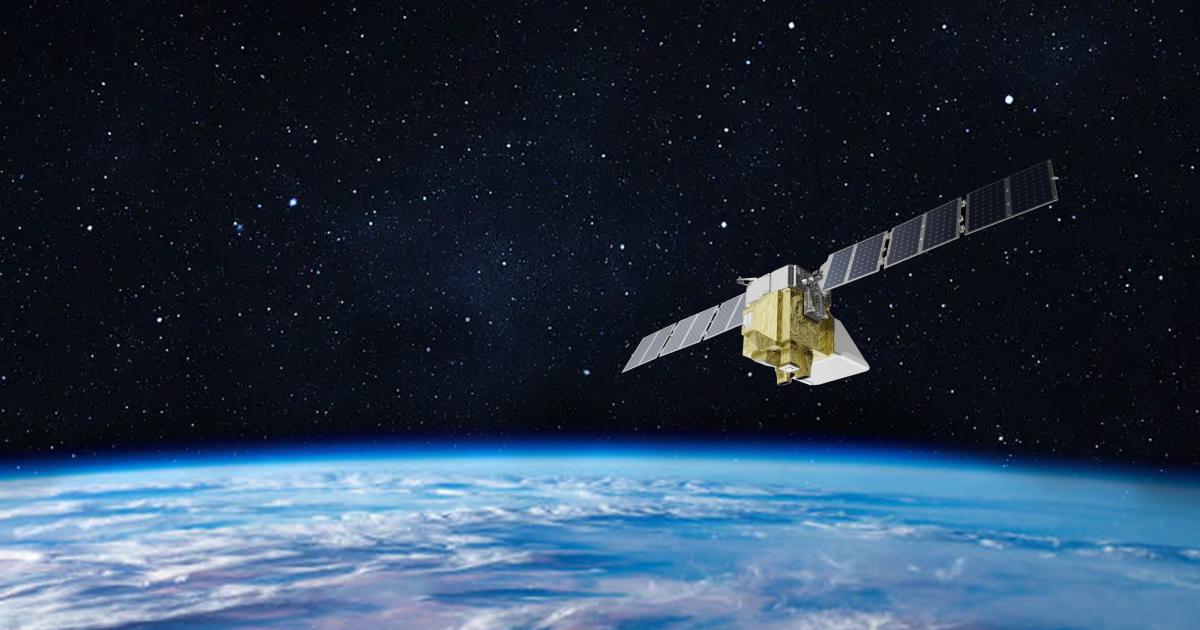
MethaneSAT, a satellite designed to monitor methane pollution, was successfully launched into orbit by a SpaceX Falcon 9 rocket on March 4, 2024. The mission aims to help companies and governments make significant cuts in methane pollution to combat global warming, and viewers can support the cause by donating to fund MethaneSAT.
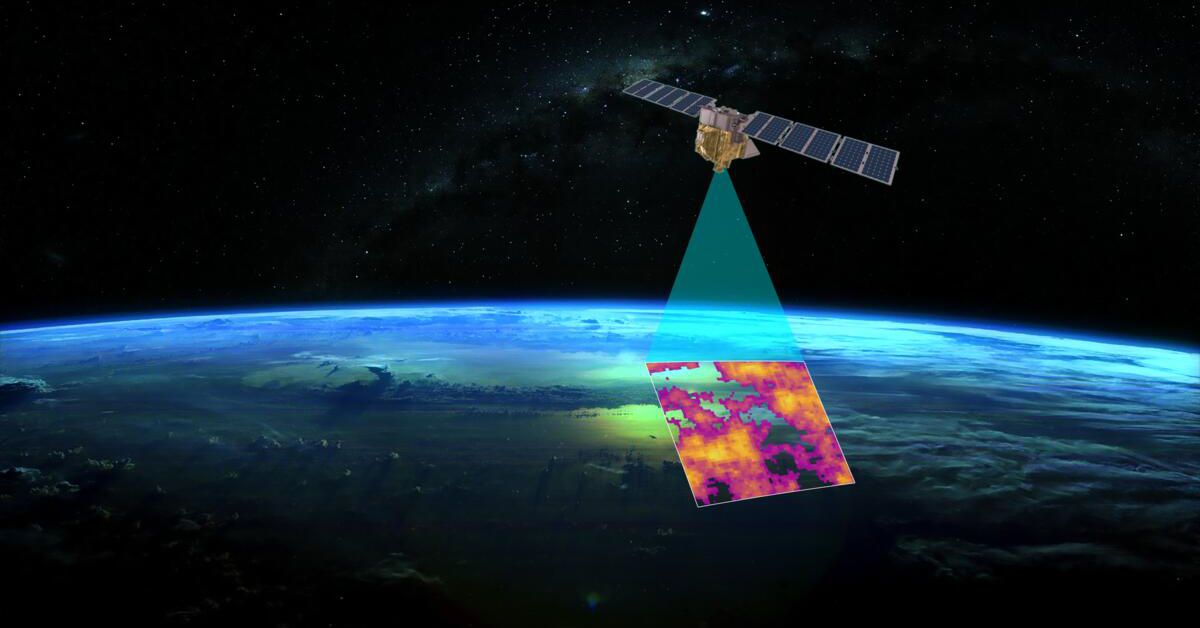
Google has partnered with the Environmental Defense Fund to map methane pollution and oil and gas infrastructure from space using AI and satellite technology. The initiative aims to pinpoint methane emissions and prevent leaks, as methane is a potent greenhouse gas. EDF's MethaneSAT satellite, launching next month, will track methane emissions globally, while Google's AI will map oil and gas infrastructure. The data will be publicly available to researchers and policymakers to help mitigate methane pollution and its impact on climate change.
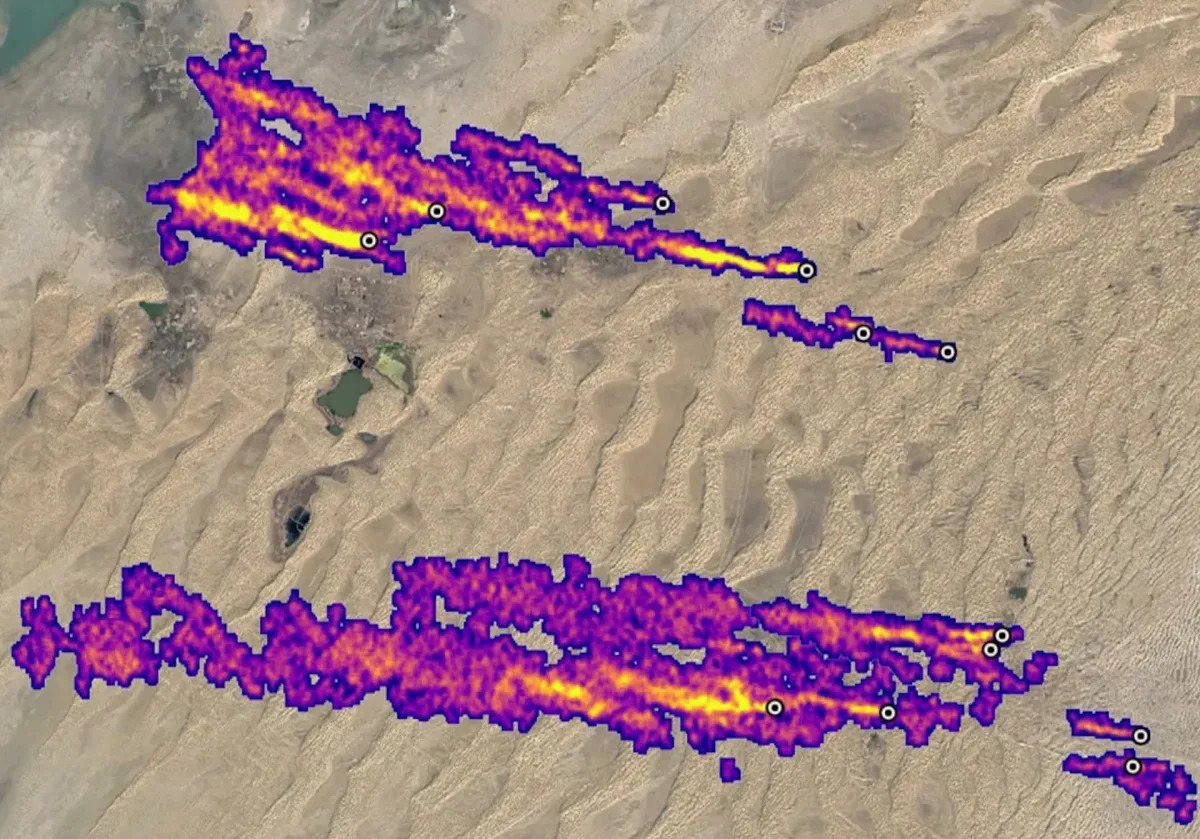
Satellite images from environmental intelligence company Kayrros have identified the world’s 1,300 largest methane-polluting sites, exposing gas wells, pipelines, coal mines, and waste sites in countries like Turkmenistan, India, Russia, Australia, and the United States. This revelation presents an urgent call to action and an opportunity for targeted reduction, as methane has a significant impact on Earth's temperature and public health. With national methane monitoring and repair policies being implemented and over 150 world governments joining the Global Methane Pledge, the path to a cooler future is illuminated, while Kayrros plans to continue monitoring and sharing its findings to hold governments and businesses accountable.
The largest international climate change conference, COP28, concluded with a weak agreement that called for countries to use less fossil fuel without specifying when or by how much. The conference saw commitments to cut methane pollution, boost renewable energy, and allocate more funding for climate change adaptation and mitigation. However, there was little action to curb methane emissions from agriculture, particularly meat production. The goal to limit global warming to 1.5 degrees Celsius is becoming increasingly unlikely, as emissions continue to rise. The challenge now is to translate these commitments into action and address issues such as transparency, investment goals, and the distribution of funds.
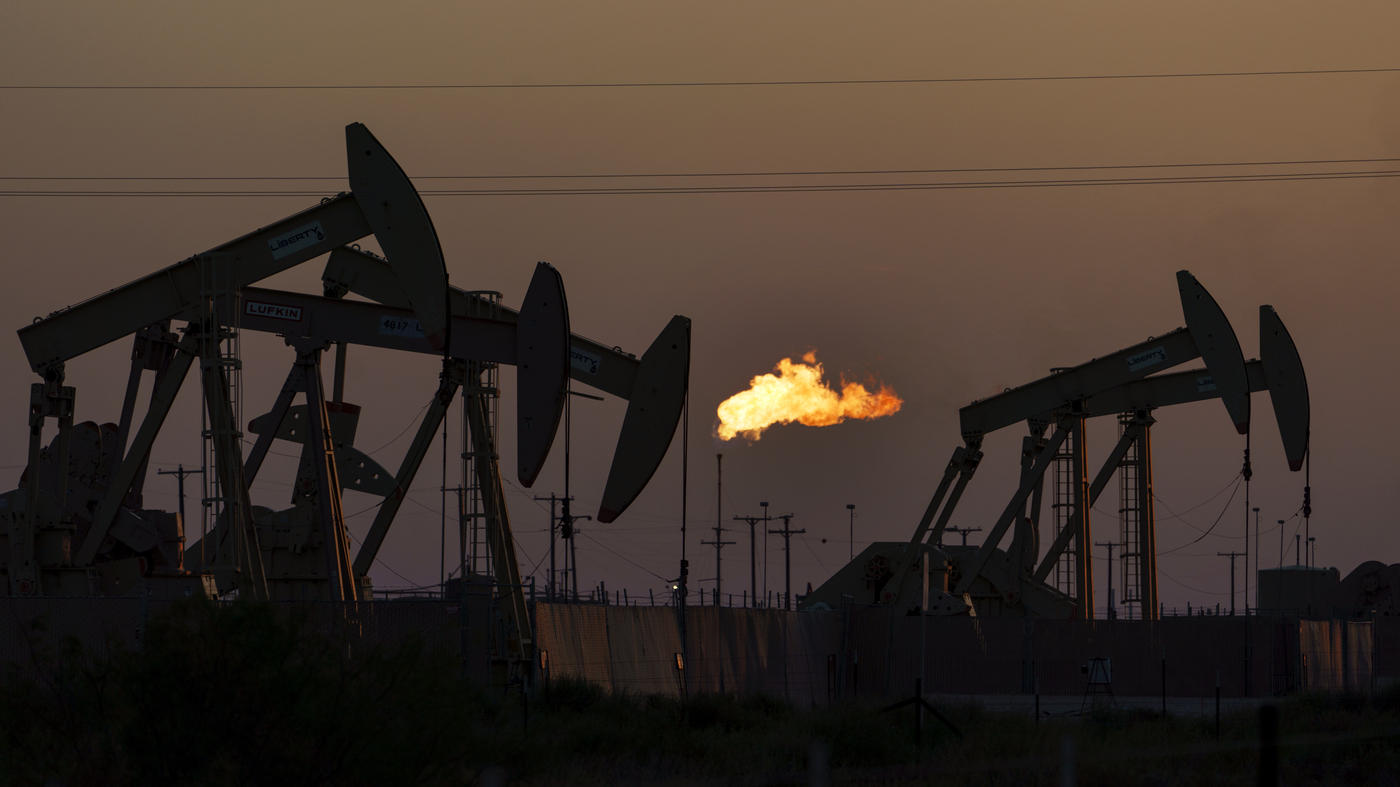
The Environmental Protection Agency (EPA) has announced strict new regulations aimed at reducing methane emissions from the oil and gas industry. The new rule, part of President Biden's climate change efforts, is expected to reduce methane emissions by nearly 80% and prevent an estimated 58 million tons of methane emissions from 2024 to 2038. The rule includes a "Super Emitter Program" to detect and report large methane releases, a requirement to phase out routine natural gas flaring, comprehensive monitoring for methane leaks, and standards for reducing emissions from equipment. While larger companies have welcomed the rule, smaller companies fear increased costs, and the industry's largest trade group, the American Petroleum Institute, is still reviewing the final rule and may challenge it in court.