Many people using GLP-1 drugs like Ozempic and Wegovy for weight loss face challenges when they need to stop due to medical conditions or supply issues, risking weight regain. Experts suggest gradual weaning off the drugs to minimize weight gain, but more research is needed.
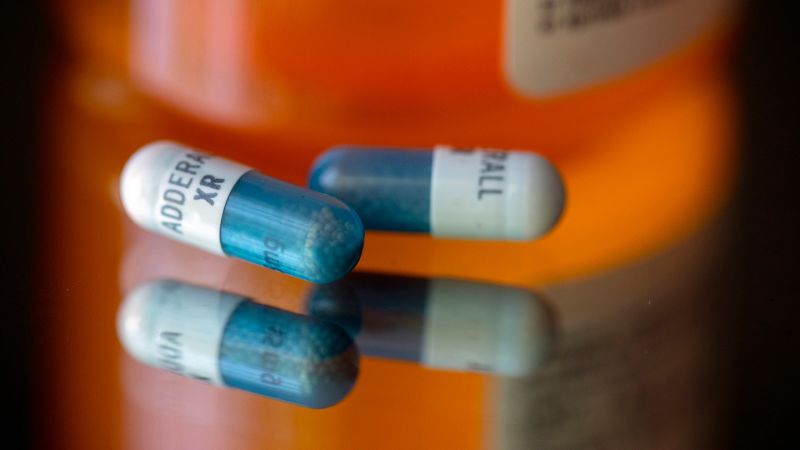
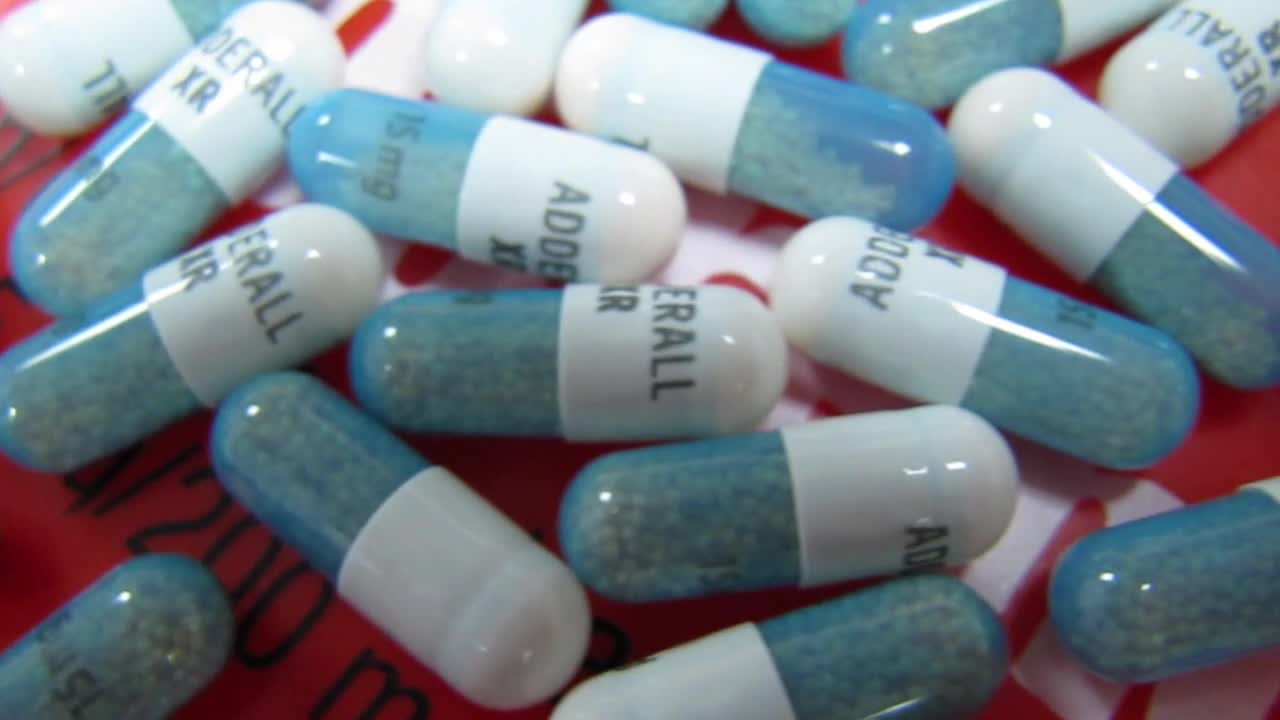
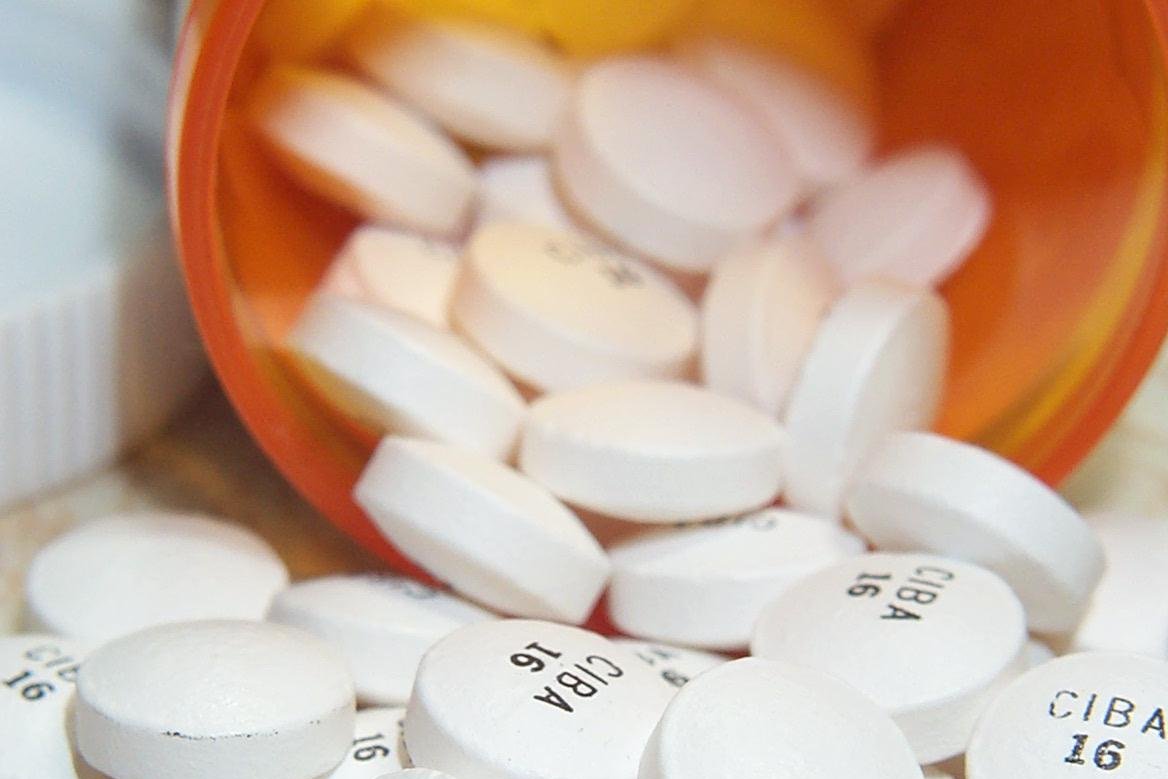
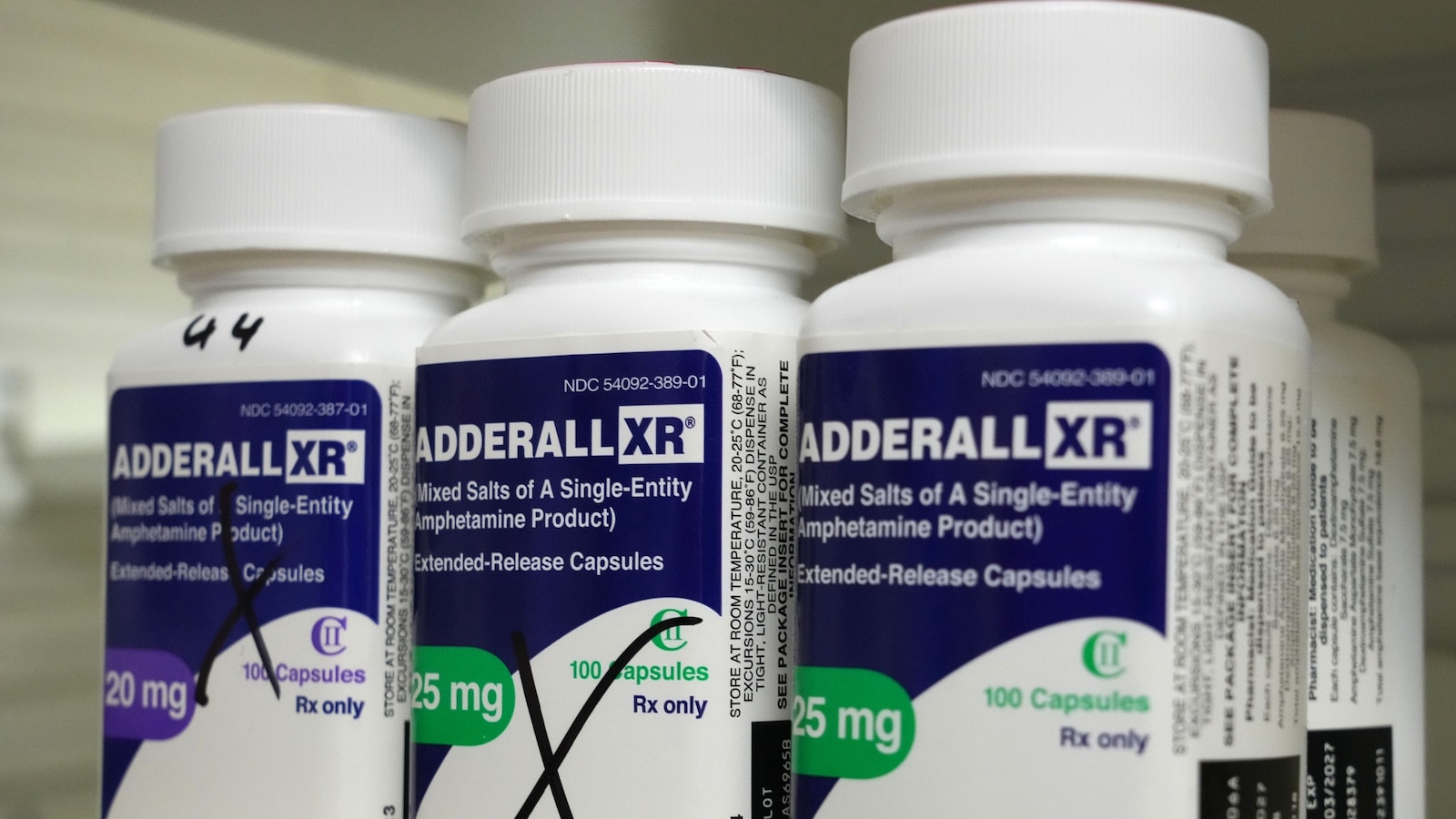
An ongoing shortage of Adderall and similar medications used to treat ADHD in the US has led to a significant decrease in prescription fill rates, affecting about 1 in 10 people with ADHD. Data from Truveta shows a decline in prescription fill rates, particularly for adults, following the shortage announcement by the FDA in October 2022. The shortage has created challenges for individuals in managing their symptoms, impacting work, relationships, and personal safety. Experts warn that inconsistent access to treatment can be disruptive and dangerous for people with ADHD, emphasizing the need to address the shortage to prevent adverse health outcomes.
Jason Diamond shares his experience of living with ADHD and the impact of Adderall on his ability to focus and function. The medication shortage since the end of 2022 has made it challenging for him and others to access the drug, leading to a struggle to maintain productivity and mental well-being.
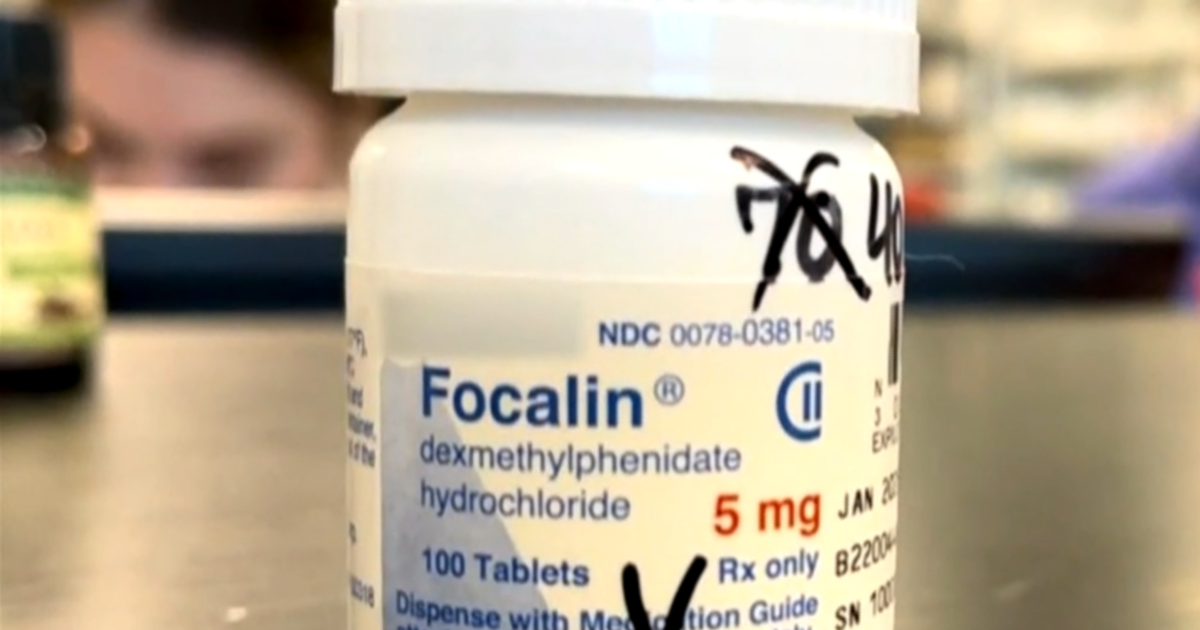
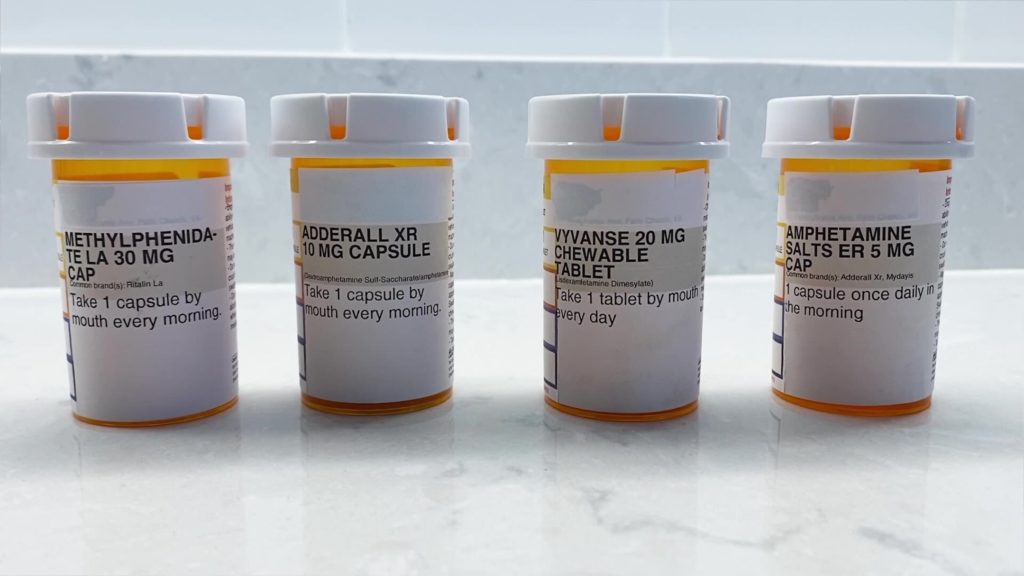
Doctors, patients, and pharmacies in southeast Wisconsin are frustrated by the ongoing shortage of medications to treat ADHD, including Adderall, Vyvanse, and Focalin. The FDA attributes the shortage to supply chain issues and increased prescriptions during the pandemic, with no clear timeline for resolution. The National Community Pharmacists Association reports that roughly 87% of pharmacies are experiencing shortages of ADHD medications this year.
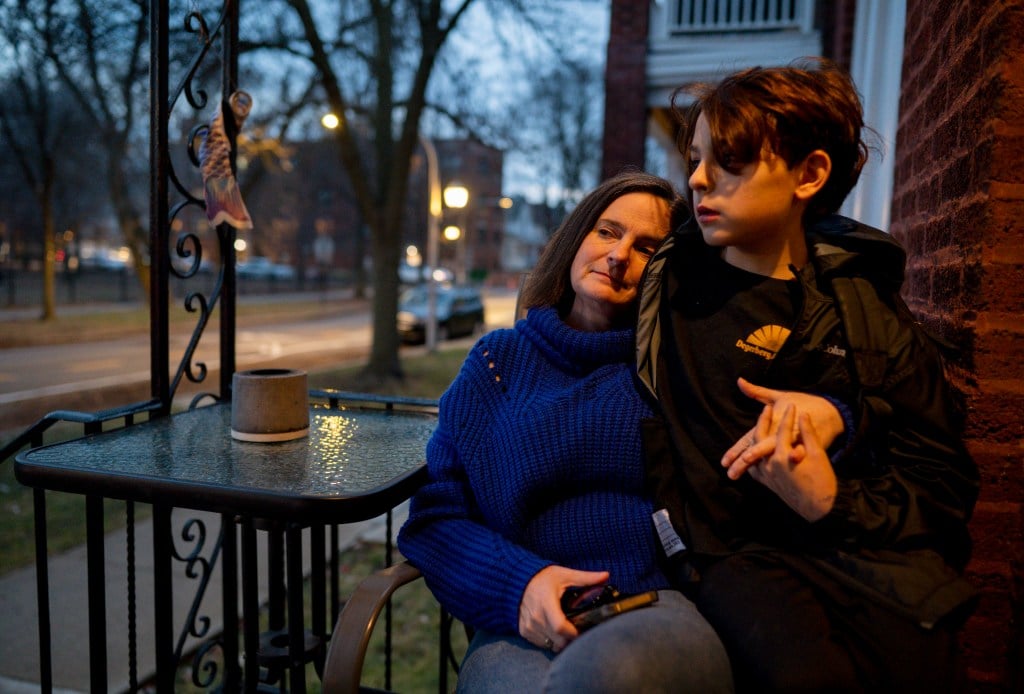
Parents across the U.S. are struggling to find ADHD medication for their children due to an ongoing shortage, with some having to visit multiple pharmacies to fill prescriptions. The shortage is attributed to increased prescribing, supply chain issues, and DEA regulations on controlled substances. The situation has left families and children in a difficult position, prompting calls for action to address the issue.
A UK-wide shortage of ADHD medication has left over 150,000 people, including Jass Thethi, struggling to access their prescriptions, leading to significant negative impacts on their lives and well-being. The shortage, attributed to increased global demand and manufacturing issues, has caused distress and disruption for patients, with many experiencing exacerbated symptoms and difficulties in work and education. The Department of Health and Social Care has acknowledged the challenges and is working to improve the supply of ADHD medications.
A nationwide shortage of Adderall and other ADHD medications has left millions struggling to obtain prescription stimulant medication, impacting patients, parents, and healthcare professionals. The shortage, exacerbated by a tangled network of causes including increased ADHD diagnoses during the pandemic and manufacturing delays, has led to a frustrating and exhausting process of locating medication each month. The crisis has also highlighted healthcare inequality and added stress on an already difficult disorder to navigate. While government agencies are working to assist manufacturers with increasing production, the shortage is expected to persist, impacting the healthcare system and patients' access to essential medication.
Shortages of ADHD medications, including Adderall, have caused strain on patients and families, with some experiencing delays of weeks or months in obtaining refills, impacting children's ability to function in school. The shortage is attributed to supply constraints, manufacturing problems, and increased demand during the pandemic, with prescriptions for ADHD treatments accelerating, particularly among young people and women. The pharmaceutical industry faces challenges in production and sourcing, leading to difficulties in finding alternative medications and impacting the healthcare system, pharmacies, patients, and providers.
Prescriptions for ADHD medications surged by over 14% during the pandemic, leading to a shortage that persists today, with nearly 6 million new prescriptions in the first two years of the pandemic, fueled by an increase in ADHD prescriptions among young adults and women. The FDA declared a nationwide shortage of Adderall, a commonly prescribed ADHD medication, in 2022, and while some manufacturers continue to have supply issues, the FDA reports that supply is increasing and advises consumers to work with their healthcare providers to determine their best treatment options.
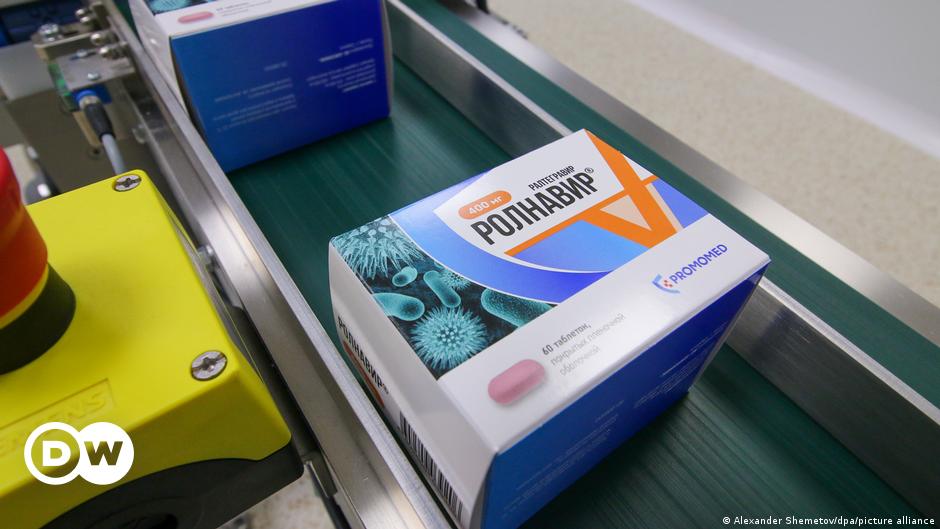
Russia is facing a shortage of HIV/AIDS drugs, with pharmacies in Moscow no longer dispensing Dolutegravir and other antiretroviral medicines. Medical facilities have cut procurement of almost half of all HIV medicines available and stopped supplying 13 medicines completely. More than 1.13 million people in Russia are estimated to live with HIV, but the actual number is likely higher. Only about 52% of registered patients receive medication for free, as many fear discrimination and social exclusion. Prejudice and ignorance surrounding HIV/AIDS contribute to the difficulty of working with affected groups. The shortage of medication is attributed to stagnant budgets and the diversion of funds to the war in Ukraine.
A global shortage of the diabetes drug Ozempic is causing concern for diabetics in Ontario, Canada, who rely on the medication for their health. The shortage is partly attributed to the off-label use of Ozempic for weight loss, which has increased demand. Health Canada has not approved Ozempic for weight loss. The shortage is expected to persist until March 2024. Diabetics are struggling to find pharmacies with the medication in stock, leading to potential health consequences. Pharmacists are also facing challenges in fulfilling prescriptions due to the shortage. The use of Ozempic for weight loss has been driven by social media trends, particularly on TikTok. Experts are urging clinicians to prioritize prescriptions for patients with diabetes or serious health concerns related to obesity. The manufacturer, Novo Nordisk, has apologized for the shortage and encouraged patients to discuss alternatives with their healthcare providers. Health Canada is exploring ways to conserve existing supply and expedite resupplies to pharmacies.
A father in Devon, UK, has expressed his concern over the shortage of medication for attention deficit hyperactivity disorder (ADHD), describing it as "unthinkable." Craig Lester and his children, who all have ADHD, have been affected by the disruption in medication supplies. The Department for Health and Social Care (DHSC) has acknowledged the issue and expects it to be resolved by the end of the year. Patients are advised to consult with their clinicians regarding concerns about medication availability.
The ongoing nationwide shortage of ADHD medications like Vyvanse, Adderall, and Ritalin is causing significant strain on patients and their families. The shortage, which has been ongoing for over a year, has made it difficult for individuals with ADHD to access the medications they rely on to manage their symptoms. The demand for stimulant medications has increased during the pandemic, but manufacturers have not been able to keep up. This shortage has led to disruptions in daily routines, difficulties in focusing and completing tasks, and emotional regulation issues for those affected. The lack of transparency in drug manufacturing and limited visibility into production quantities has made it challenging to address the shortage effectively.
Health advocates are urging President Joe Biden to declare a public health emergency due to the significant increase in cases of congenital syphilis (CS) in babies. Between 2017 and 2021, CS cases nearly tripled, with the rate currently standing at 77 cases per 100,000 live births. The shortage of the medication Bicillin L-A, used to treat CS, is exacerbating the situation, with the manufacturer not expecting the shortage to be resolved until 2024. The highest rates of CS were observed in Arizona, New Mexico, and Louisiana, with the Black and African-American community being disproportionately affected. Riskier sexual behaviors, less condom use, drug use during pregnancy, limited healthcare access, and lack of funding and education are contributing factors. The overall surge in STDs in the US has led to a combined rate of 763 cases per 100,000 people.
Health advocates are urging the Biden administration to declare a public health emergency as cases of congenital syphilis in the US have quintupled in the past decade, reaching a nearly 30-year high. Congenital syphilis can have devastating effects on babies, including stillbirths and severe birth defects. The preferred medication, Bicillin L-A, is in short supply, with Pfizer, the only manufacturer, not expecting shortages to be resolved before 2024. This shortage disproportionately affects the LGBTQ+ community, as men who have sex with men are more likely to be diagnosed with syphilis. Health officials are calling for increased funding and the use of the Defense Production Act to manufacture more medication in the US.