Shares of Kenvue, maker of Tylenol, dropped after reports suggested US Health Secretary RFK Jr might link Tylenol use during pregnancy to autism, though the company and health authorities maintain there is no causal link and the science remains inconclusive.
Recent research indicates that beta-blockers may not only be ineffective but potentially harmful for women with certain heart conditions, especially those with preserved left ventricular ejection fraction and on higher doses, highlighting the need for sex-specific treatment considerations.
Foods can significantly interfere with medications, either enhancing or inhibiting their effects, as seen with grapefruit, cranberry juice, and herbs like turmeric. While some interactions pose risks of toxicity or reduced efficacy, researchers are exploring ways to harness these effects to improve treatment outcomes, emphasizing the importance of understanding individual food-drug interactions for safer and more effective therapies.
Dr. Vinay Prasad, who was ousted from the FDA after criticism and controversy, has been rehired to lead the agency's biologics division, highlighting political influence and ongoing debates over drug and vaccine approval processes.
A recent study suggests that the common diabetes medication glipizide may be associated with an increased risk of heart-related events compared to newer drugs like DPP-4 inhibitors, raising concerns about its safety despite its affordability and long-standing use.
Certain foods like grapefruit, dairy, leafy greens, alcohol, and aged foods can negatively interact with medications, affecting their efficacy or causing side effects. It's important to consult with a healthcare provider about dietary adjustments when on medication.
A study suggests that the use of certain psychiatric medications like anxiolytics, hypnotics, sedatives, and antidepressants may be associated with a slightly increased risk of developing ALS, though the overall risk remains low. The research highlights the need for further investigation into the links between psychiatric conditions, their treatments, and neurodegenerative diseases, while emphasizing that ALS is rare and most people on these medications do not develop the disease.
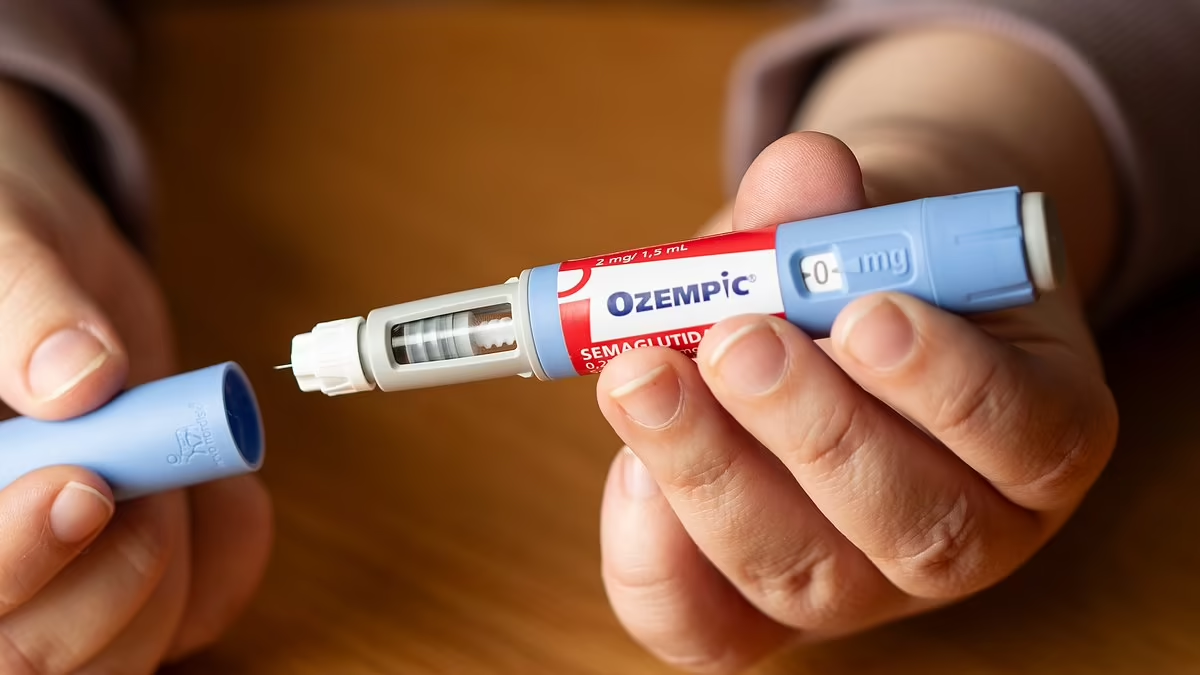
Pharmacist Neil Raichura warns against the dangers of counterfeit weight-loss injections like Wegovy and Ozempic, which have surged in demand. He highlights the risks of purchasing from uncertified providers, which can lead to severe health issues due to unsafe ingredients and unpredictable side effects. Raichura emphasizes the importance of buying from regulated pharmacies to ensure safety and proper guidance, as unregulated sources often lack support, leading to harmful outcomes. The UK has seen 18 deaths linked to such medications, underscoring the need for caution.
Dr. Meghan Martin, a Florida-based pediatrician, warns parents about 'granny's purse syndrome' during the holiday season, where children accidentally ingest unsecured medications from grandparents' purses. She highlights that 20% of child poisonings involve such incidents, emphasizing the importance of securing medications in child-resistant containers and avoiding taking them in front of children. Dr. Martin advises calling 911 or Poison Control if ingestion occurs, urging families to ensure a safe holiday environment.
Ozempic, a medication approved for type 2 diabetes and known for aiding weight loss, has not been linked to any fatal outcomes, though it can cause severe side effects like gastrointestinal issues. Dr. Alexandra Sowa emphasizes the importance of consulting healthcare providers about the risks and benefits of Ozempic, noting that while serious complications like gastroparesis are rare, they are more common in patients with diabetes. Overdosing on Ozempic can lead to nausea and vomiting, and patients are advised to follow dosing instructions carefully and consult their doctor if they experience unusual symptoms.
Melatonin, a hormone that regulates sleep-wake cycles, has led to thousands of emergency department visits for unsupervised ingestion by children, particularly involving flavored products like gummies. While most cases result in mild side effects, such as drowsiness, experts warn of potential risks, including seizures and comas. The CDC recommends keeping melatonin out of reach and sight of youngsters, as it is not required to have child-resistant packaging. While supervised use of melatonin for children may be safe for short-term use, experts caution against giving supplements without consulting a doctor and recommend behavioral sleep aids over medication for both children and adults.
Medication can be a crucial tool for kids struggling with anxiety, but it's not a one-size-fits-all solution. Starting medication is a complex decision, and non-pharmacological options like therapy are explored first. If medication is recommended, open communication with healthcare providers and active participation in decisions about the child's well-being are crucial. Safety considerations and potential side effects need monitoring, and medication may be part of a comprehensive approach, providing immediate relief while addressing underlying issues. Lifestyle adjustments and techniques, such as creating a supportive family environment, prioritizing sleep hygiene, and cognitive behavioral therapy, can also help minimize anxiety for kids.
The Connecticut Poison Control Center at UConn Health revealed that the majority of accidental poisonings, especially among children, occur at home, with cleaning supplies, medications, and cosmetics being common culprits. In 2023, there were 25,000 reported exposures, with Hartford and New Haven counties having the highest number of cases. While most cases are not serious, a new concern has emerged regarding poisonings from the drugs Ozempic and Wegovy, which contain semaglutide and can lead to severe symptoms if misused. The center warns against obtaining these drugs from illegitimate sources and emphasizes the importance of using reputable pharmacies for medication safety.
A recent investigation revealed that many people taking the asthma drug Singulair were unaware of its potential serious mental health side effects, despite an FDA boxed warning. The lack of awareness may be attributed to insufficient studies by the drug manufacturer and inadequate communication of warnings by the FDA. Experts advise patients to carefully read medication labels, be informed about potential risks and side effects, and consult healthcare providers or pharmacists for clarification. It's crucial for individuals to understand the medications they are taking and to be proactive in seeking information about them.
A $1.95 million grant has been awarded to University at Buffalo researchers to address medication errors, inspired by the preventable death of Alice Brennan due to a medication mix-up. The grant will support Team Alice's efforts to improve medication prescribing and patient education, particularly for seniors. The project involves a holistic approach, including surveys and workflow analysis, to prevent patients from being wrongly medicated and to ensure seamless care transitions. The study aims to reduce the risks associated with polypharmacy, especially in older adults, and to enhance the overall safety of medication use in the healthcare system.