Pro-life health care workers are advocating for pro-family policies and programs to support mothers and families, in addition to legal battles against abortion. The American Association of Pro-Life Obstetricians and Gynecologists (AAPLOG) has seen a significant increase in membership since the Supreme Court's decision in Dobbs v. Jackson, with many health professionals feeling left behind by the pro-choice stances of major medical institutions. Concerns have been raised about the radical positions of these institutions, such as the American College of Obstetricians and Gynecologists (ACOG), which promotes abortion as health care. Pro-life advocates are also emphasizing the need to provide support and assistance to struggling pregnant women and mothers, and are urging pro-life politicians to address the extreme nature of abortion policies in debates.
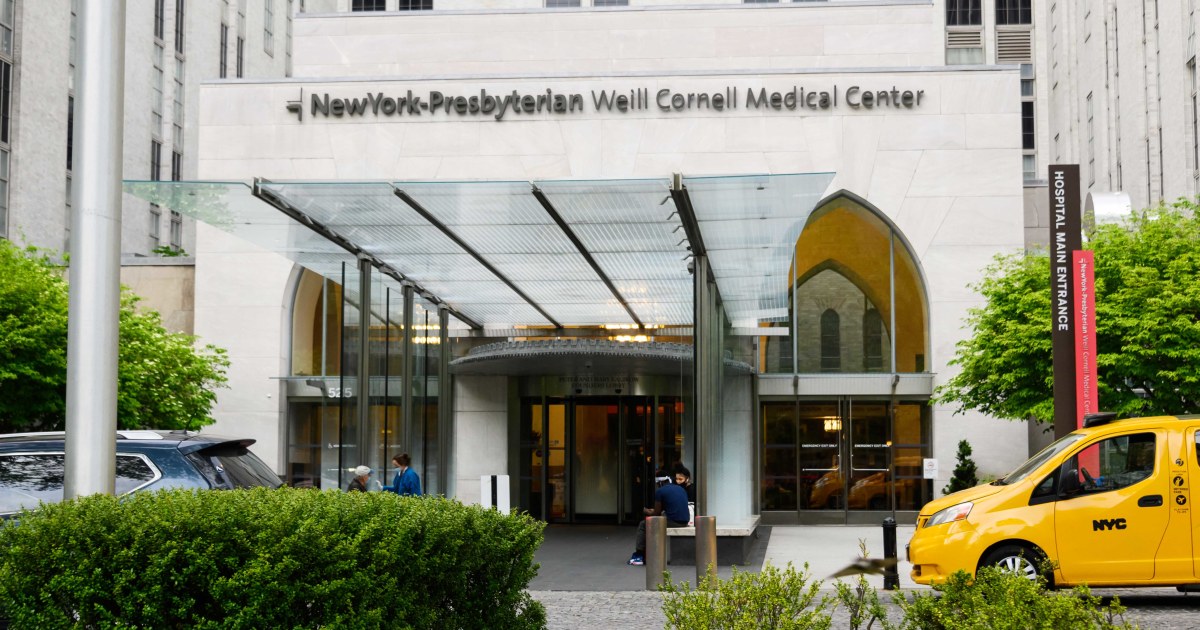
A New York-area urologist, Darius A. Paduch, has been indicted on charges of sexually abusing multiple male patients, including minors, over several years. The doctor allegedly used the prestige of two prominent medical institutions to make his actions seem medically necessary and appropriate. Paduch pleaded not guilty to the charges and faces a 10-year mandatory-minimum prison sentence or as much as life in prison if convicted. The doctor claimed that some of his methods of touching his patients were medically necessary, but the indictment said they served no medical purpose and were intended instead for his sexual gratification.
A recent study published in the journal Nature Medicine found that vaccine fatigue, defined as "unwillingness or inaction toward vaccine information or instruction due to perceived burden or burnout," is leading many Americans to refuse booster shots. The study, which surveyed 6,357 people in Austria and Italy, found that low trust in medical institutions, governments, and vaccinations was a common thread in the findings, particularly around vaccine mandates. The study also identified several approaches to countering vaccine fatigue, including offering adapted vaccines at different times of year, retaining low-threshold access to vaccinations, and ensuring that people take experts’ views into account.