The article discusses the escalating conflict between local TV station owners and national networks over programming and regulation, highlighted by the brief suspension of Jimmy Kimmel's show due to preemptions by Nexstar and Sinclair, amid broader efforts to push back against perceived overreach by Big Media and Tech, with the FCC considering deregulation and ownership rule changes.
FCC chair is scrutinizing whether shows like 'The View' still qualify as bona fide news programs exempt from equal opportunity rules, amid recent controversies involving ABC and late-night shows like Jimmy Kimmel, raising questions about media classification and regulation.
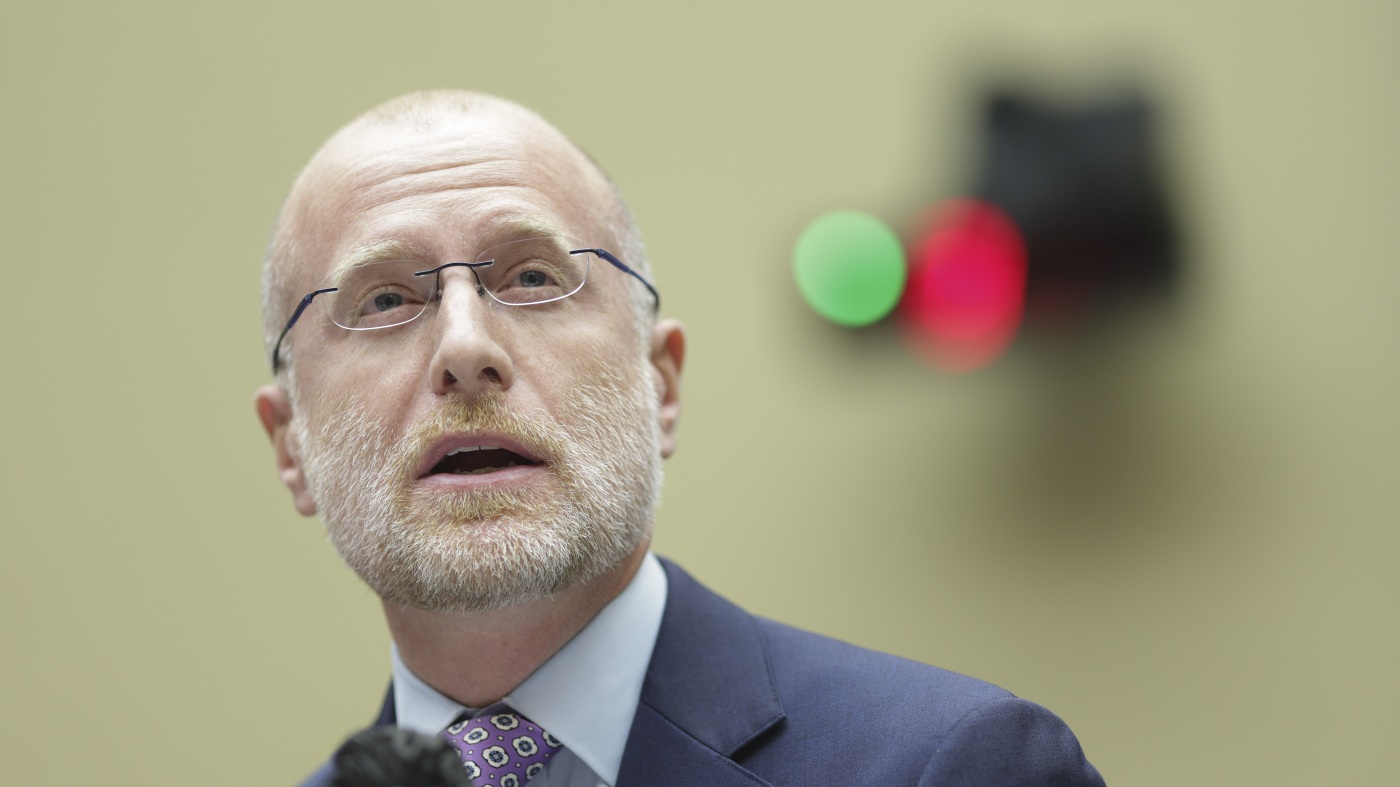
FCC Chair Brendan Carr threatened to take action against ABC affiliates and possibly suspend Jimmy Kimmel's show after his comments linking a suspected shooter to MAGA Republicans, criticizing Kimmel's conduct as potentially violating public interest standards and hinting at regulatory consequences.
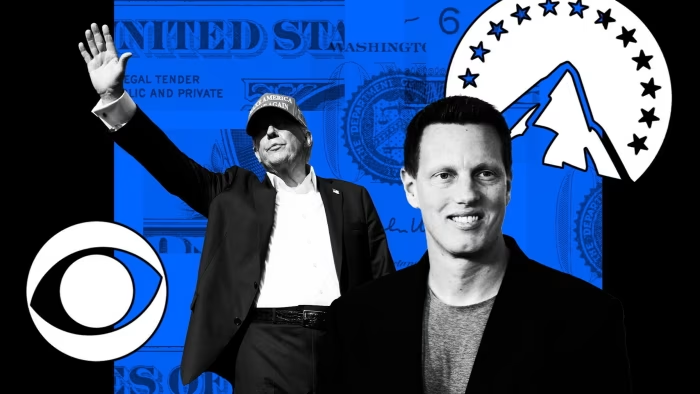
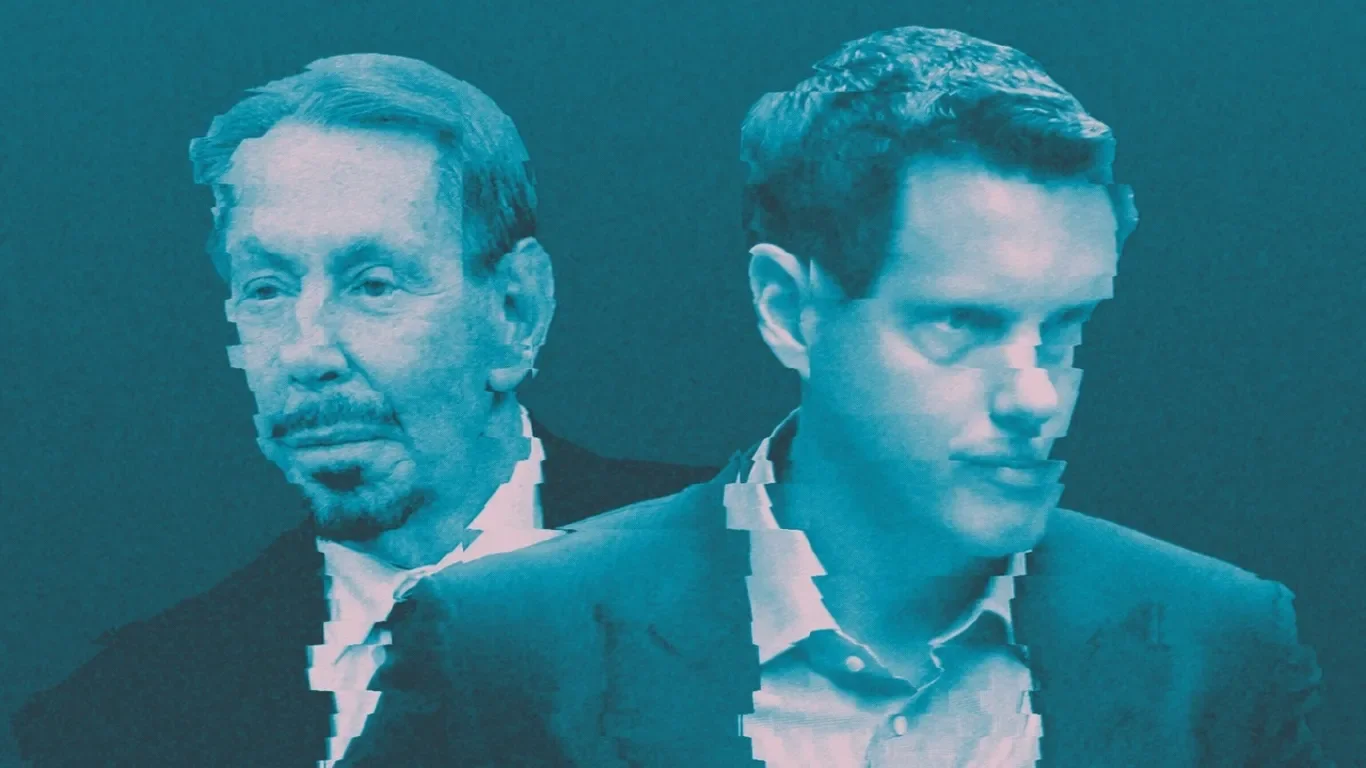
David Ellison's $8bn acquisition of Paramount, approved by the FCC under Trump, has embroiled him in political controversy, with concerns over media control, censorship, and potential interference in journalism, amid broader debates about media influence and regulation in the US.
President-elect Donald Trump has selected Brendan Carr, a Republican FCC commissioner known for his pro-corporate and deregulatory stance, to lead the Federal Communications Commission. Carr, who has been vocal about dismantling what he calls a 'censorship cartel' involving major tech companies, is expected to pursue a deregulatory agenda that may include relaxing media ownership rules. Trump's choice reflects his desire to bring the FCC under closer White House control and use it to challenge media outlets critical of him.
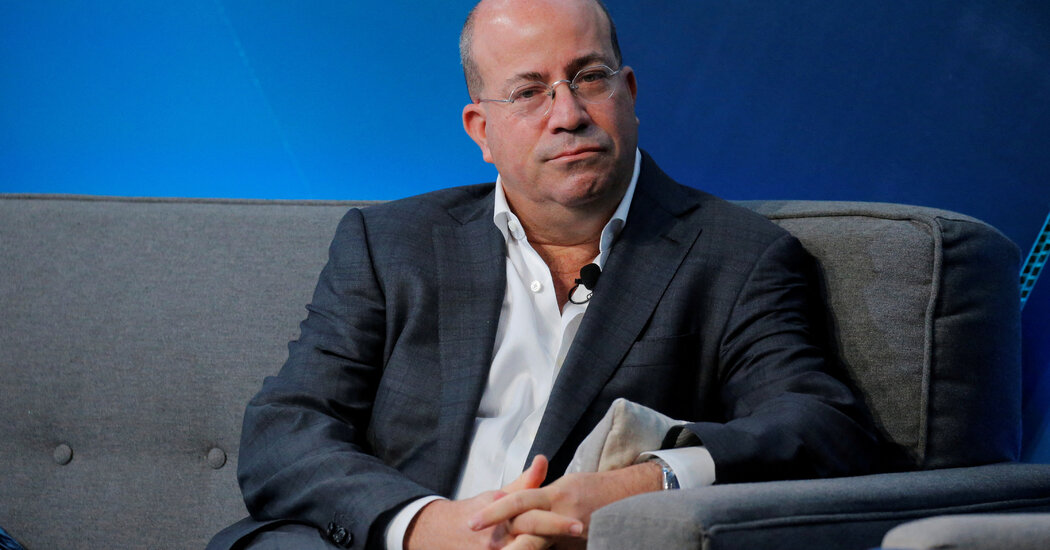
The U.K. government has moved to block foreign state ownership of newspapers and newsmagazines, dealing a blow to former CNN chief Jeff Zucker's bid for The Telegraph and The Spectator Magazine, which relied heavily on financing from Emirati backers. The proposed legislation aims to prevent foreign influence in the British media, particularly concerning the Conservative Party's interests. RedBird IMI, Zucker's media venture company, may attempt to salvage the bid by finding new investors and reducing the Emiratis' majority stake to comply with the government's rules.
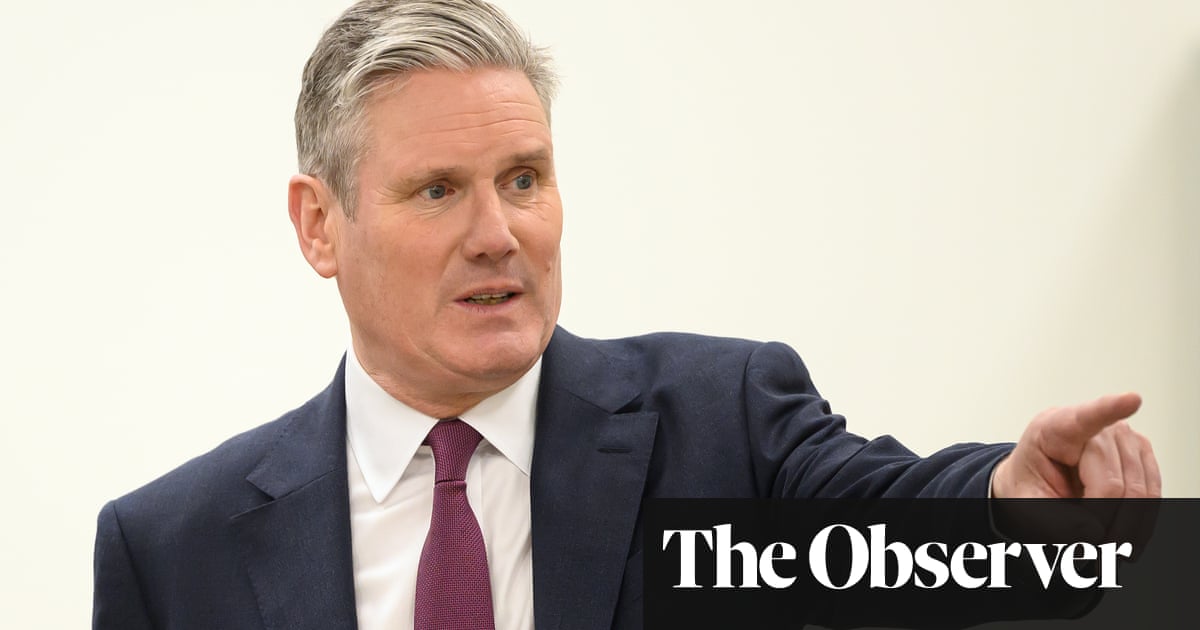
The Labour party has decided not to pursue press reforms following Prince Harry's successful phone-hacking case against the Daily Mirror. Labour leader Keir Starmer will not revive the second stage of the Leveson inquiry into press standards and will not oppose the Conservative government's plans to weaken press regulation. This decision has sparked controversy within the party, with some supporters calling for clarity on Labour's stance. It is believed that Starmer is avoiding angering big media companies in the run-up to a general election. Labour had previously supported reviving the Leveson process but has now abandoned those plans.
The coverage of Prince Harry's phone hacking case by the British press reflects a failure to address the crisis within the industry. Most newspapers either downplayed the story or cast doubt on Harry's credibility, rather than acknowledging the illegal and unethical practices exposed. This approach mirrors how the press initially handled the scandal, shifting blame onto individuals rather than addressing systemic issues. With ongoing hacking litigation involving over 100 claimants, the reputation of the press is at risk. The article argues that the industry needs to take responsibility, admit past wrongdoing, and work towards rebuilding trust, rather than relying on self-regulation or dismissing the issue. Failure to do so may lead to the media's self-destruction.
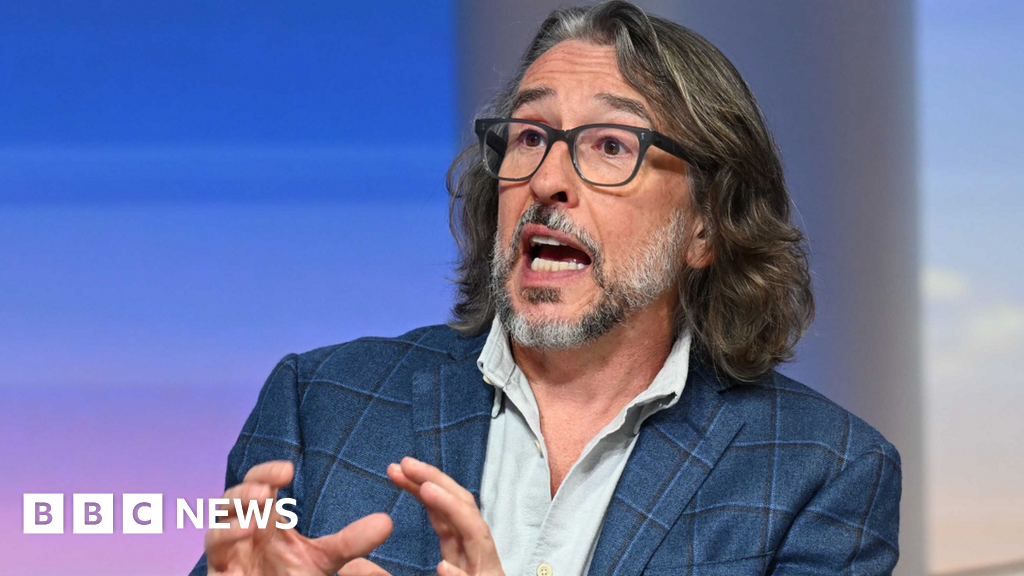
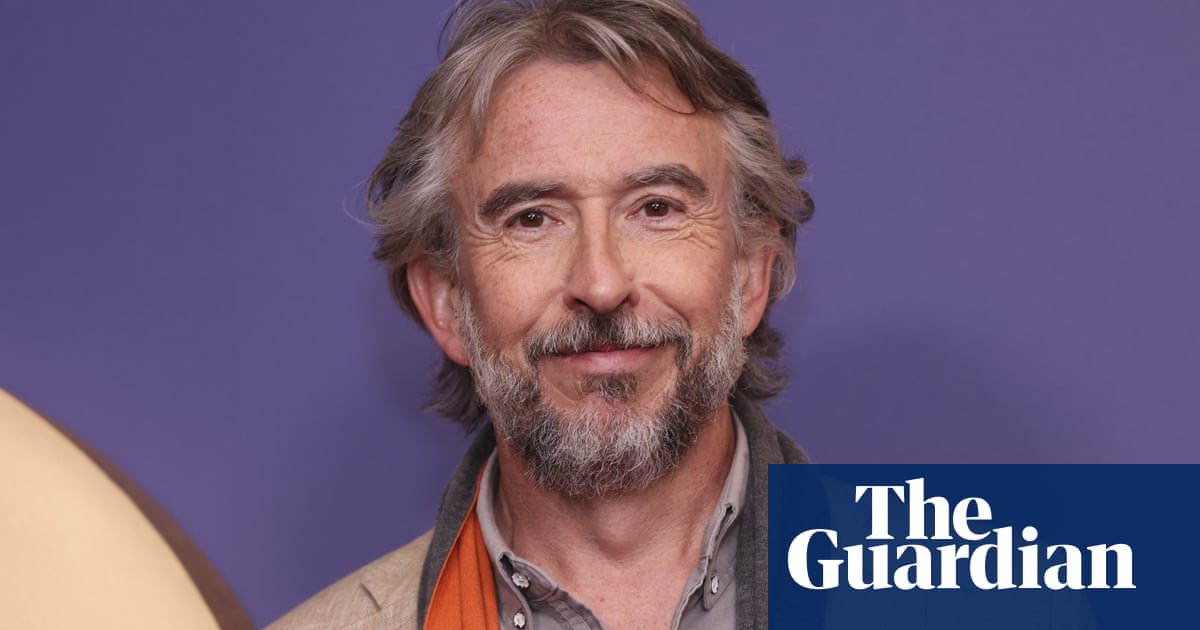
Actor Steve Coogan has described the recent High Court ruling that Prince Harry's phone was hacked by Mirror Group Newspapers (MGN) as the "start of something," exposing the widespread contempt newspaper editors have for press ethics. Coogan, who was also a victim of phone hacking by MGN, called for proper, independent regulation of the press and urged the police to apply the law without fear or favor. He also called for the abandoned second part of the Leveson Inquiry to take place and questioned what Labour leader Sir Keir Starmer would do about it if he became prime minister. The current regulator, the Independent Press Standards Organisation (Ipso), has been criticized for being controlled by the press.
Actor and comedian Steve Coogan has called for press reform and a stronger system of independent regulation following Prince Harry's partial victory in a phone-hacking claim against Mirror Group Newspapers. Coogan, who is involved with the Hacked Off campaign, criticized the "systemic concealment" by the press and called for the replacement of the "toothless" Independent Press Standards Organisation (Ipso). He argued that the damages paid out by the Mirror could have been used to support genuine public interest journalism. Coogan's comments come after a high court judge ruled that there was extensive phone hacking by MGN and that senior executives, including former editor Piers Morgan, knew about the practice.
A third senior journalist at The Daily Telegraph, Camilla Tominey, has voiced opposition to the proposed takeover of the newspaper by a UAE-backed fund, stating that it "doesn't pass the sniff test" and warning against ownership by a "sexist regime." Former Telegraph editor Charles Moore and former Prime Minister Liz Truss have also expressed concerns about the deal, calling for the protection of the newspaper's editorial independence. Culture Secretary Lucy Frazer has ordered media regulator Ofcom to investigate if the takeover poses risks to accurate news presentation and free expression of opinion.
Iraq's Media and Communications Commission has reportedly banned the terms "homosexual" and "homosexuality" in all media and social media platforms, replacing them with the term "sexual deviancy." The term "gender" has also been banned. The commission claims that these terms have undesirable connotations within Iraqi society. While Iraq does not explicitly criminalize homosexuality, Human Rights Watch has found that violence against LGBTQ individuals remains widespread in the country, with armed groups continuing to target and harm them. The commission's decision is pending final approval, and a penalty for violating the order has not been set.
Gannett, The Associated Press, and eight other media organizations have called for regulations on artificial intelligence (AI) models, expressing concerns over the loss of intellectual property rights and the erosion of public trust in the media. They argue that AI models often use proprietary content without permission or compensation, violating copyright laws and undermining the media industry's business models. The organizations advocate for transparency in AI model training, consent from original creators, clear identification of AI-generated work, and the limitation of misinformation and bias. As media organizations explore the role of AI in their industry, concerns remain about AI-generated content's potential for misinformation and biased output.
Iraq's official media regulator, the Communications and Media Commission (CMC), has ordered all media and social media companies operating in the country to refrain from using the term "homosexuality" and instead use "sexual deviance." The use of the term "gender" has also been banned. While Iraq does not explicitly criminalize gay sex, loosely defined morality clauses in its penal code have been used to target the LGBT community. The decision still requires final approval, and a penalty for violating the rule has not yet been determined.
The Media and Democracy Project has filed a petition challenging the renewal of Fox 29's broadcast license, alleging that the station rebroadcasted "knowingly false narratives about the 2020 election" from Fox News Channel. While the petition does not directly criticize Fox 29's reporting, it argues that the station's broadcast of Fox News Sunday makes it an "over-the-air extension of Fox News Channel." Fox Television Stations called the filing "frivolous," but the petition cites evidence of intentional news distortion by Fox in a lawsuit brought by Dominion Voting Systems. The FCC rarely takes up such petitions, and it is unlikely to be taken up in this case.