Omar Terywall's company, Cambridge Rowing Limited, is in a legal dispute with the University of Cambridge over the trademark of the name 'Cambridge,' with the university opposing the registration of the company's logo and name, citing protection of its reputation and trademarks, leading to concerns of bullying and a significant legal challenge for the small business.
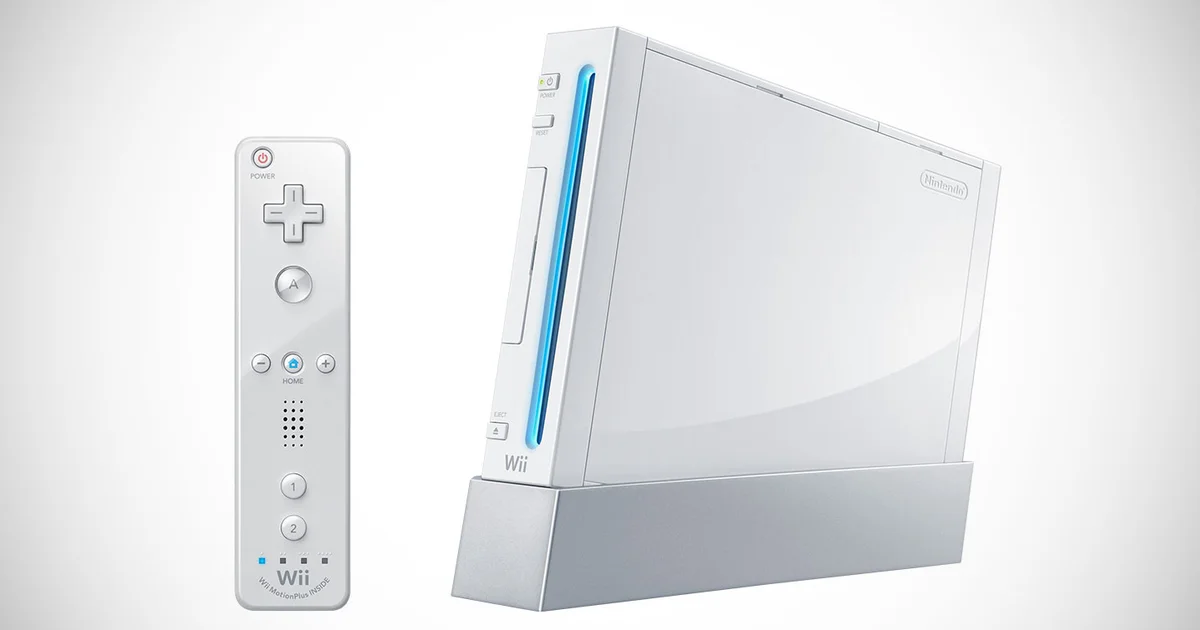
Nintendo won an €8 million lawsuit against Nacon (formerly BigBen Interactive) for infringing on a Wii controller patent, with the court ruling that Nacon must pay damages and interest, though Nacon plans to appeal. The case highlights the lengthy legal process in Germany for patent infringement and the importance of intellectual property rights in gaming hardware.
Stability AI largely won a court case against Getty Images in the UK, with the court ruling that while Getty's trademark claim succeeded in part, its copyright infringement claim was dismissed, marking a significant legal victory for AI companies amid ongoing disputes over intellectual property rights in AI training.
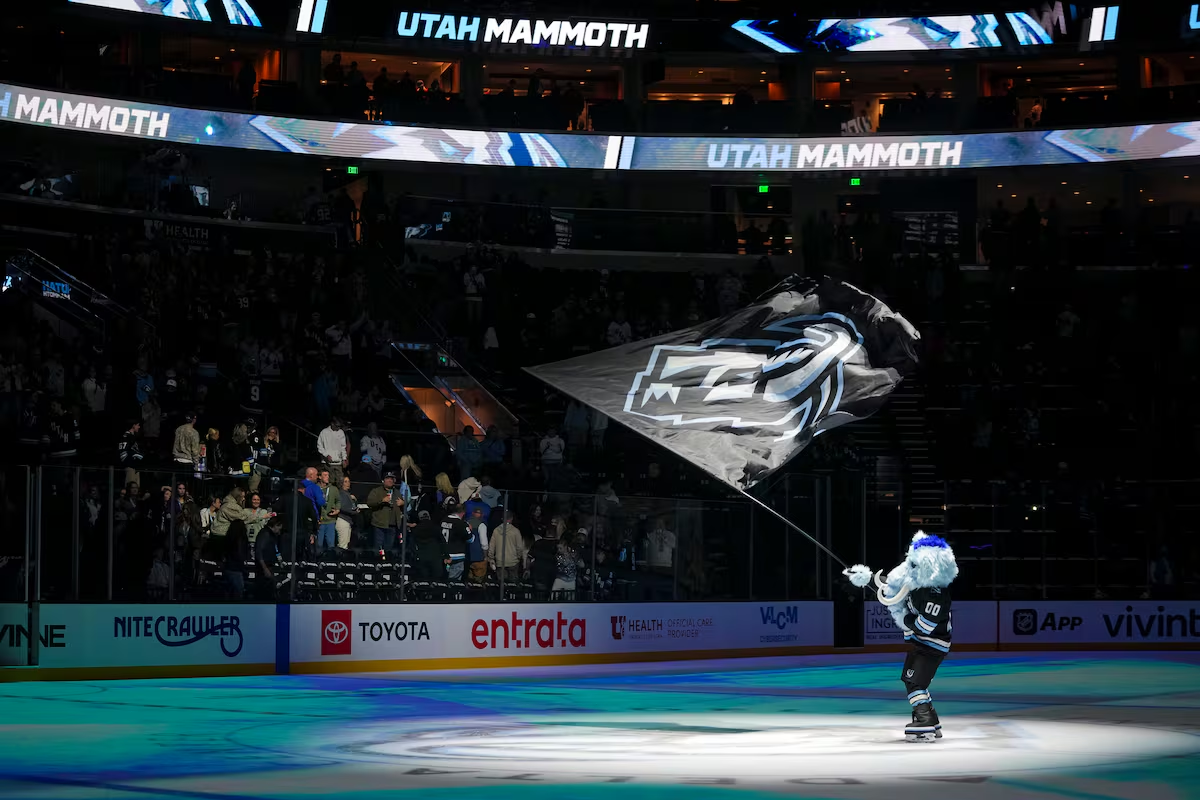
The Utah Mammoth NHL team is fighting a trademark lawsuit from Mammoth Hockey LLC, an Oregon company that sells hockey bags, arguing that their branding is distinct and that a forced name change would cause significant financial and reputational harm, while the bag company claims consumer confusion. The team emphasizes the differences in branding and the late objection from the bag company, asserting their extensive investment and strong market presence.
Nintendo won a lawsuit against streamer Jesse Keighin for streaming unreleased games and piracy, ordering him to pay $17,500, while rejecting some of Nintendo's broader injunction requests. The case highlights Nintendo's ongoing efforts to combat piracy and protect its intellectual property.
Microsoft is likely to avoid public confrontation over the Trump administration's use of Halo IP in social media, possibly making discreet diplomatic calls to mitigate the issue, as their primary concern is maintaining government contracts and avoiding risks to their business relationships. The company appears to prefer a cautious, behind-the-scenes approach rather than public statements, to protect its reputation and customer base.
Amazon paid $20 million to acquire control of the James Bond franchise from EON Productions, a figure revealed in a UK tax filing, which is significantly lower than the estimated value of up to $1 billion, with the deal including ongoing economic exposure for the Broccoli family and potential additional payments.
OpenAI's launch of Sora 2, an AI video generator, has caused controversy in Hollywood, with talent agencies accusing OpenAI of misleading them about the tool's capabilities and protections, leading to calls for legal action and concerns over copyright and likeness rights.
OpenAI, led by Sam Altman, engaged in controversial negotiations with Hollywood studios over the use of their intellectual property and likenesses in the AI video app Sora 2, with concerns about misleading practices, lack of clear guardrails, and potential legal battles as Hollywood pushes back against AI's encroachment on creative rights.
The Motion Picture Association has urged OpenAI to take immediate action to prevent copyright infringement on its Sora 2 app, which allows users to create videos using major studios' IP. The MPA emphasizes the importance of following established copyright laws and has called for OpenAI to implement better controls to protect creators' rights, especially after the app's launch led to widespread infringing content. OpenAI has responded by promising to give rights holders more control, signaling a potential shift in their approach amid legal pressures from Hollywood.
Nintendo is suing Reddit moderator James Williams for $4.5 million, accusing him of operating piracy sites, selling hacked Switch consoles, and refusing to comply with cease-and-desist orders, following a series of legal actions against piracy and emulator sites.
OpenAI CEO Sam Altman announced plans to modify how the company's Sora app handles copyrighted material, aiming to give rights holders more control and address legal concerns, moving away from an opt-out model towards more granular permissions and revenue sharing.
OpenAI's new Sora app, which generates videos using AI trained on copyrighted content including Nintendo and Sega IP, has quickly flooded social media with potentially infringing material, raising legal concerns and criticism over IP rights and the ethics of AI training data usage.
Disney has sent a cease-and-desist letter to Character.ai, accusing the AI platform of unauthorized use of Disney's copyrighted characters in its chatbots, which allegedly mislead consumers and involve inappropriate content. Character.ai responded by removing the infringing characters and emphasized that user-generated characters are a form of fan fiction, with the company aiming to collaborate with rights holders to create controlled experiences.
Disney sent a cease and desist letter to Character.AI, demanding the platform stop using its copyrighted characters without permission, citing concerns over brand damage and harmful content involving Disney characters, especially in interactions with children. Character.AI has removed the characters and expressed willingness to cooperate, amid Disney's broader efforts to enforce its copyrights against AI companies.