The Wall Street Journal launched 'Free Expression,' a new opinion section focusing on culture, politics, and daily life, available for free initially and later as a paid add-on, with plans to expand its multimedia presence and reach a broader audience beyond traditional financial and business coverage.
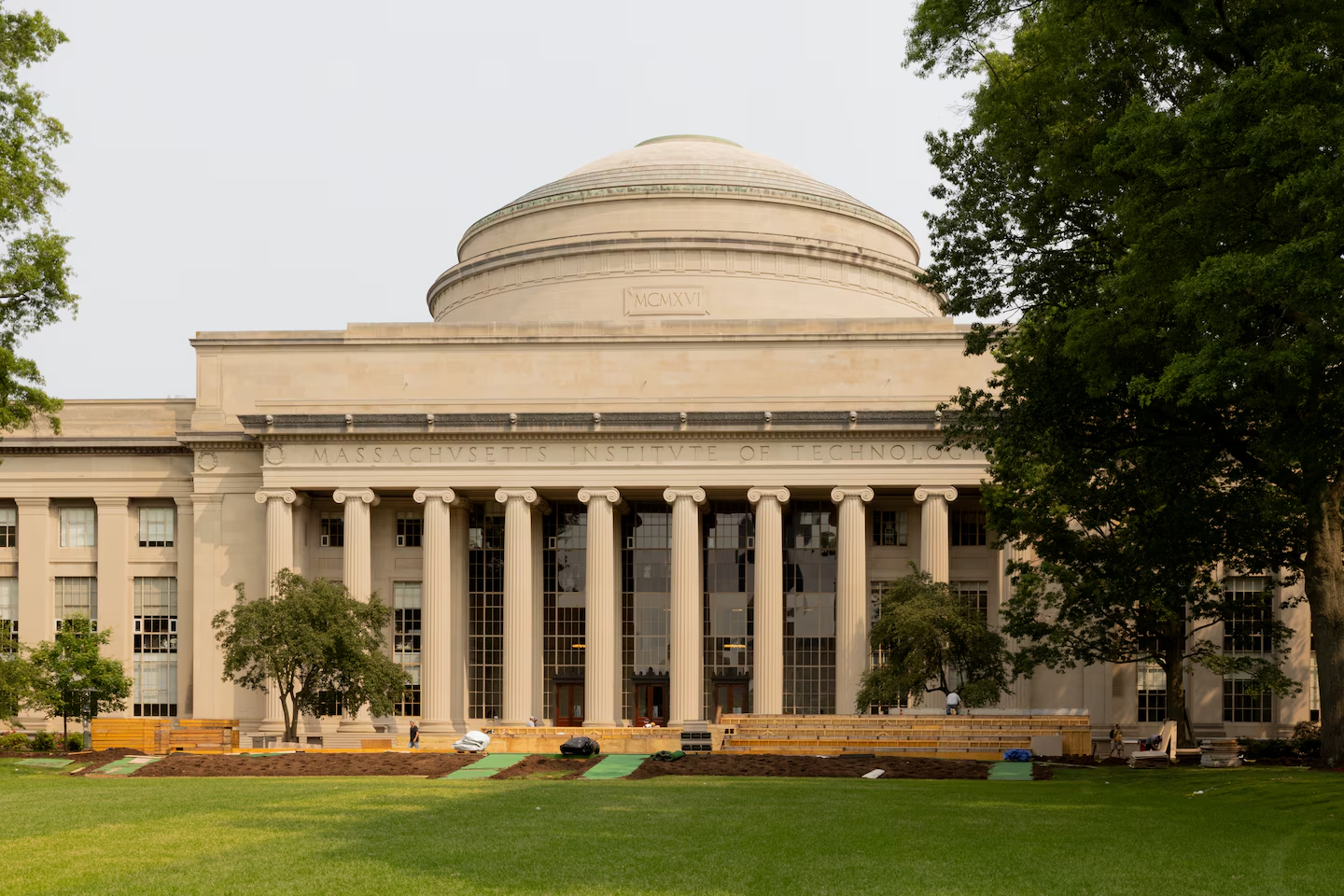
MIT rejected the Trump administration's offer of priority federal funding in favor of maintaining its values of free expression and scientific merit, emphasizing its independence and commitment to these principles.
Gamers and developers are protesting against the censorship of NSFW games, which is often enforced through financial censorship by payment processors like Stripe, Visa, and PayPal, impacting what can be sold or hosted online. Industry groups emphasize the importance of artistic freedom and warn that such restrictions threaten creative expression, with some organizations gathering information to oppose overly cautious enforcement that leads to self-censorship.
itch.io and Steam have abruptly removed thousands of adult-themed games following pressure from anti-porn advocacy groups and payment processors, raising concerns about censorship, free expression, and the impact on marginalized creators.
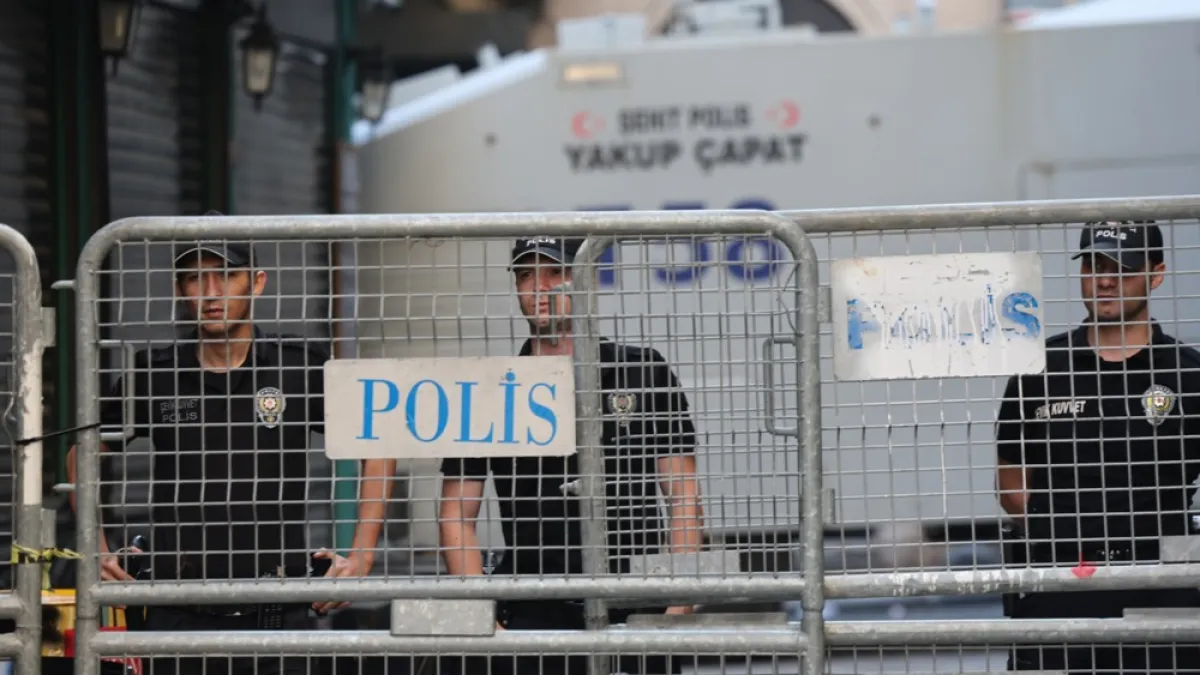
Turkish authorities have detained four individuals over a satirical cartoon published by LeMan magazine, which depicted Prophet Muhammad and Prophet Moses in a war-like scene, sparking outrage and protests. The investigation, under charges of insulting religious values and incitement to hatred, has reignited debates on free expression and religious sensitivity in Turkey.
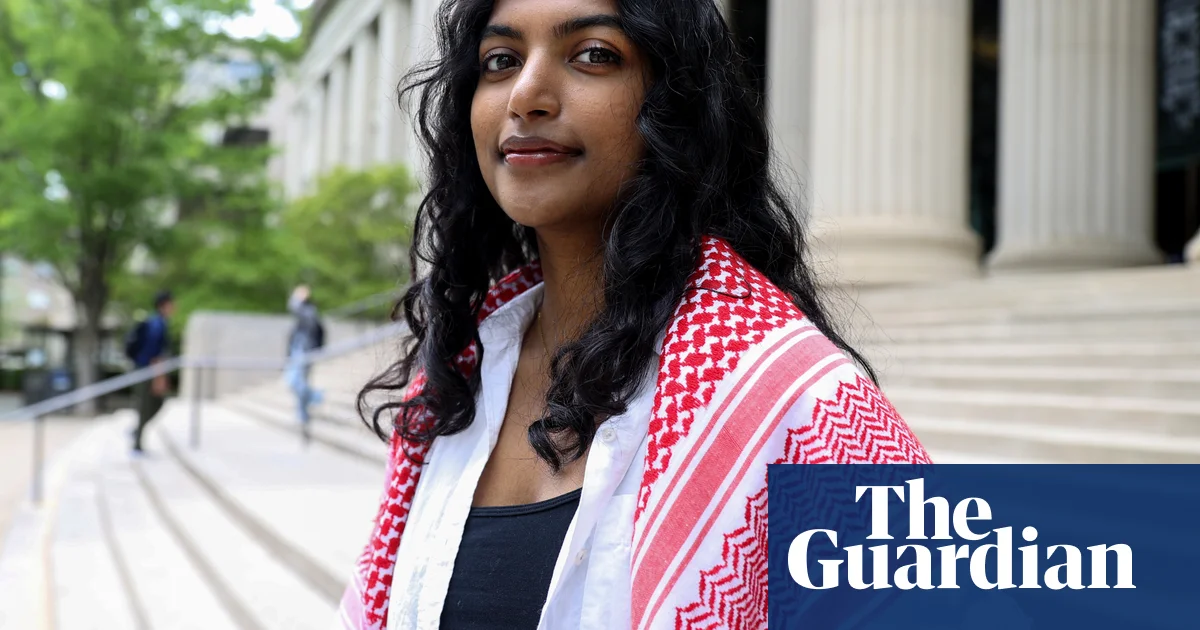
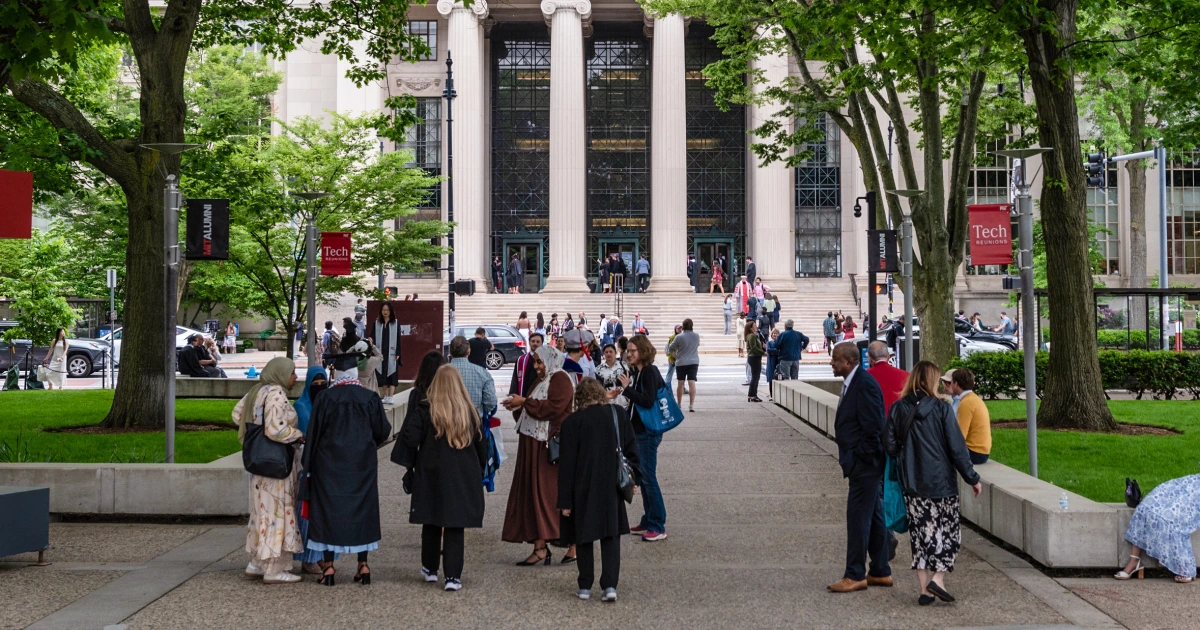
MIT barred its 2025 class president from attending her graduation after she delivered a speech condemning the war in Gaza and criticizing the university’s ties to Israel, citing disruption and misleading organizers, while she maintains her right to free speech and criticizes the university’s actions.
MIT banned its 2025 class president from graduation after she delivered a pro-Palestinian speech criticizing the university's ties with Israel and calling for action on Gaza, citing disruption and misleading organizers as reasons. The incident highlights tensions over free speech and political expression at academic institutions amid ongoing conflicts in Gaza.
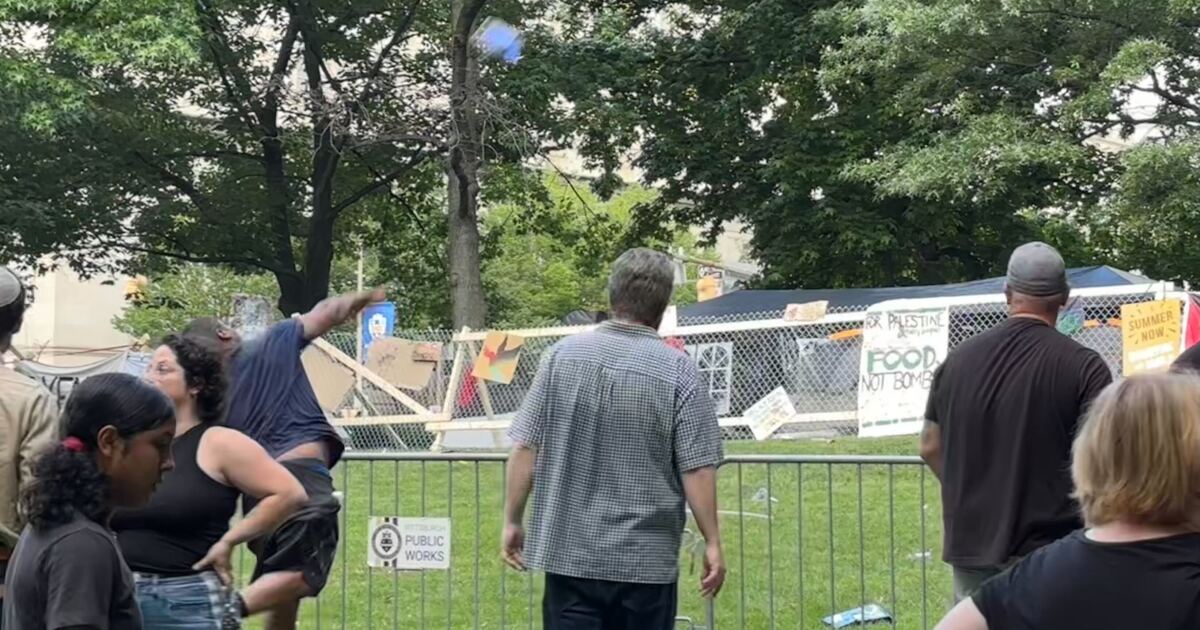
The University of Pittsburgh's Chancellor Joan Gabel responded to ongoing pro-Palestine protests on campus, accusing demonstrators of vandalism and clarifying that protest leaders are not affiliated with the university. The protests, organized by a group called Pitt Divest from Apartheid, demand transparency about university investments and divestment from companies supporting Israel. Despite the protests, the university remains operational, with increased police presence to manage the situation.
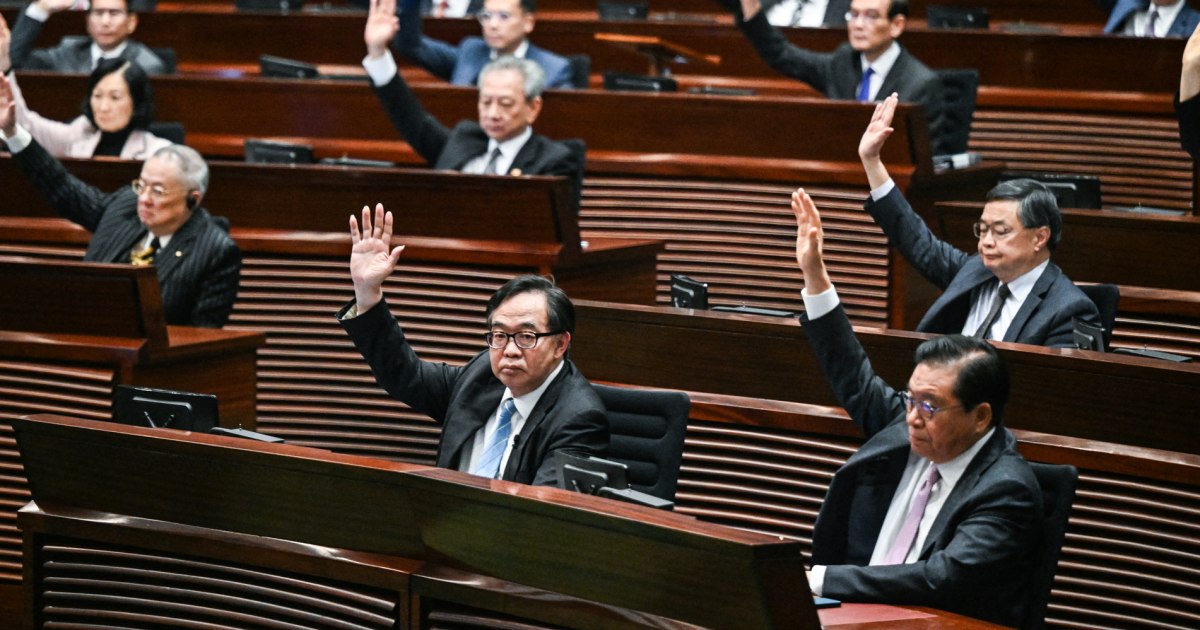
Hong Kong has enacted a new national security law, known as the Article 23 law, which critics argue will further suppress free expression in the city. The law, passed by Hong Kong's opposition-free legislature, has raised concerns about its impact on civil liberties and the city's status as an international business center. Critics fear that the legislation, which covers a wide range of offenses, will significantly limit the space for dissent and criticism of the government. Meanwhile, government officials argue that the law is necessary for maintaining stability and safety in society, but international figures and business groups have expressed concerns about its implications.
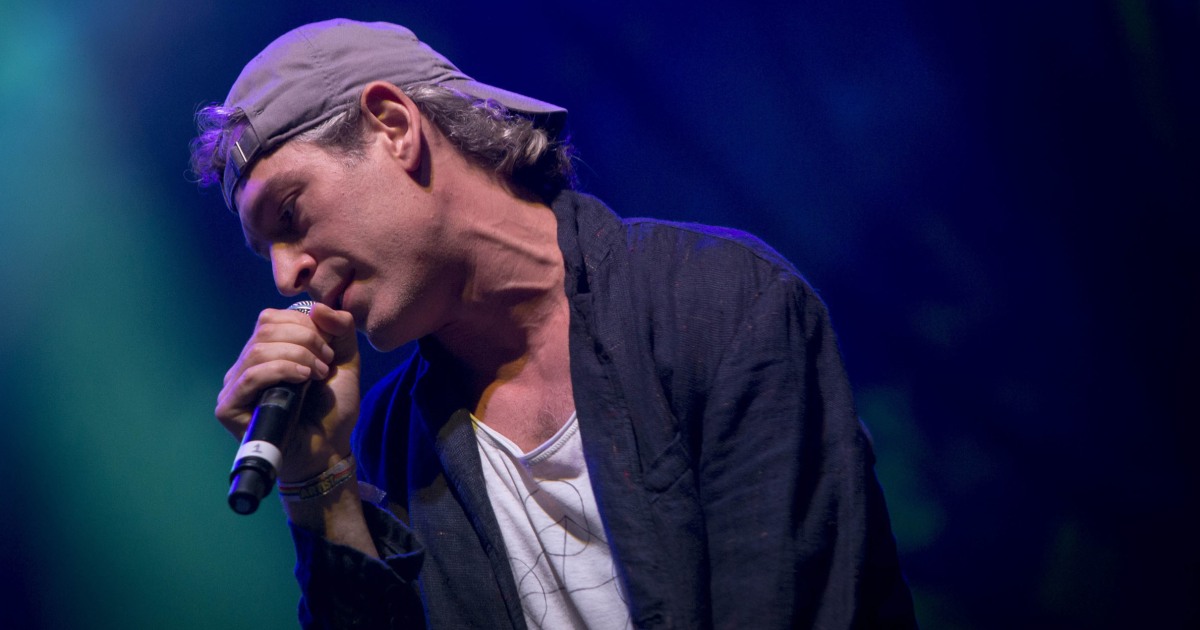
Jewish singer Matisyahu accuses venues in Tucson and Santa Fe of canceling his shows due to Israel-Hamas war fervor, but venues cite safety concerns and staff shortages. Matisyahu claims the cancellations are due to anti-Semitism or confusion of empathy for Palestinians with hatred for him. The Rialto Theatre and Meow Wolf state the decisions were based on safety and staffing issues, not politics or religion. Matisyahu apologizes to fans and holds a free show in Tucson, aiming to promote dialogue and artistic expression amidst protests and reports of antisemitism and Islamophobia.
American universities are facing increasing pressure to clamp down on pro-Palestinian protests and events on campus, as they navigate the delicate balance between free expression and concerns over antisemitism. Some schools have canceled or delayed events, while others have shut down student groups and disciplined students. The crackdown has led to a chilling effect on pro-Palestinian speech, with students fearing for their safety and facing consequences such as doxxing and threats to future employment. The situation highlights the challenges universities face in addressing the Israeli-Palestinian conflict while upholding academic freedom and protecting students from harassment and intimidation.
A French juvenile court has convicted six teenagers for their roles in the beheading of a teacher by an Islamic extremist. The court found five of the defendants guilty of staking out the teacher and identifying him for the attacker, while another defendant was found guilty of lying about the classroom debate. The teenagers, all students at the teacher's school, testified that they didn't know the teacher would be killed. They were given brief or suspended prison terms and required to stay in school or jobs with regular medical checkups. The trial for eight adults suspected of involvement in the killing is expected to take place next year.
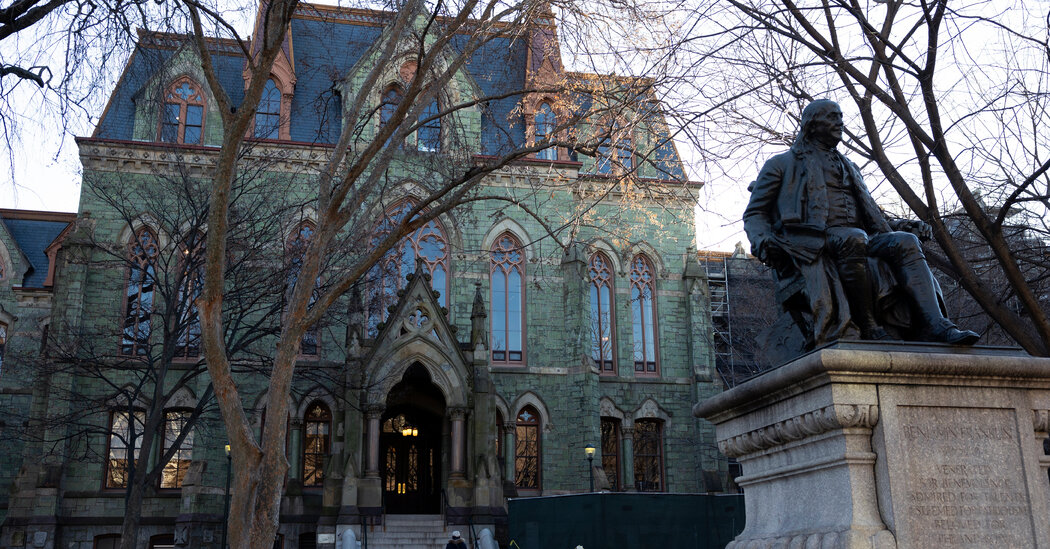
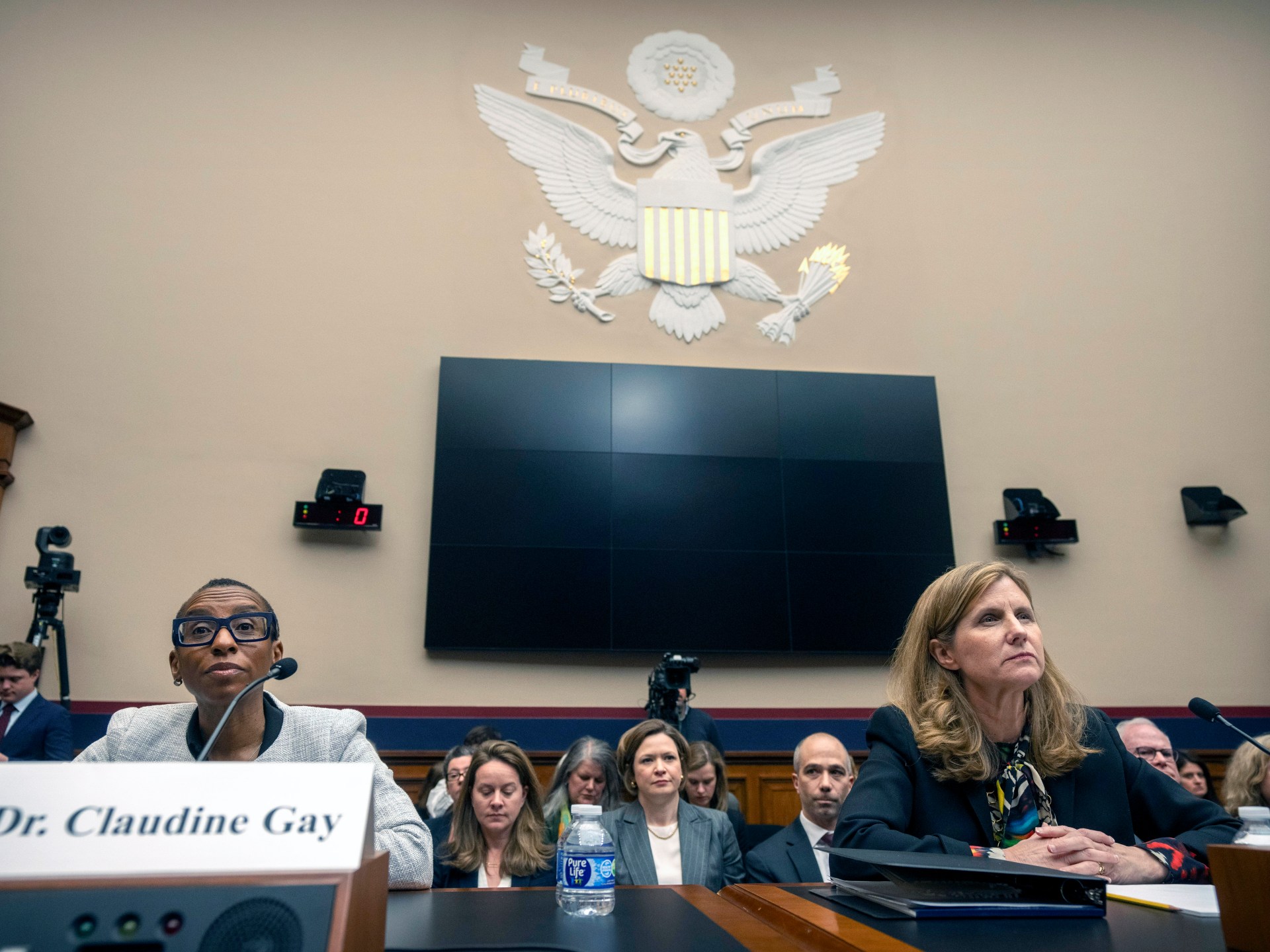
The presidents of Harvard University and the University of Pennsylvania are responding to criticism following their testimonies on campus anti-Semitism at a congressional hearing. The presidents reiterated their commitment to free expression and diversity of viewpoints on campus, while also stating that action is being taken to support students facing threats and to hold violators of the code of conduct accountable. Some supporters of Israel and Palestine have called for resignations or legal action against the presidents. Harvard President Claudine Gay clarified that calls for violence or genocide against the Jewish community are not condoned by the university, and Penn President Elizabeth Magill promised to review the university's code of conduct after declining to say whether advocating genocide was a violation.
A third senior journalist at The Daily Telegraph, Camilla Tominey, has voiced opposition to the proposed takeover of the newspaper by a UAE-backed fund, stating that it "doesn't pass the sniff test" and warning against ownership by a "sexist regime." Former Telegraph editor Charles Moore and former Prime Minister Liz Truss have also expressed concerns about the deal, calling for the protection of the newspaper's editorial independence. Culture Secretary Lucy Frazer has ordered media regulator Ofcom to investigate if the takeover poses risks to accurate news presentation and free expression of opinion.
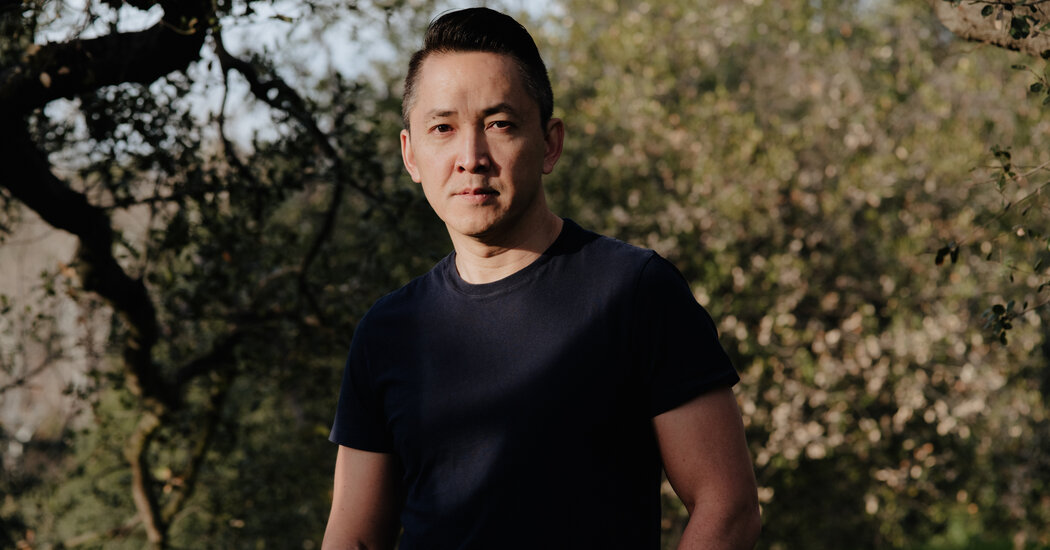
92NY, a prominent cultural venue in New York City, faced criticism after abruptly canceling an event featuring Pulitzer Prize-winning novelist Viet Thanh Nguyen due to his signing of an open letter critical of Israel. The event was moved to a bookstore and drew a standing-room crowd of about 100. 92NY stated that the event was postponed to determine how best to use their platform and support the community. The decision sparked concerns about stifling dissenting voices and limiting free expression. The cancellation is the latest example of cultural fallout over the Israel-Hamas war, with debates arising over free expression, solidarity, and the limits of permitted debate over Israel.