Tag

Light Amplification

All articles tagged with #light amplification

Revolutionary Space-Time Crystals Transform Optical Science
science-and-technology1 year ago

Revolutionary Space-Time Crystals Transform Optical Science

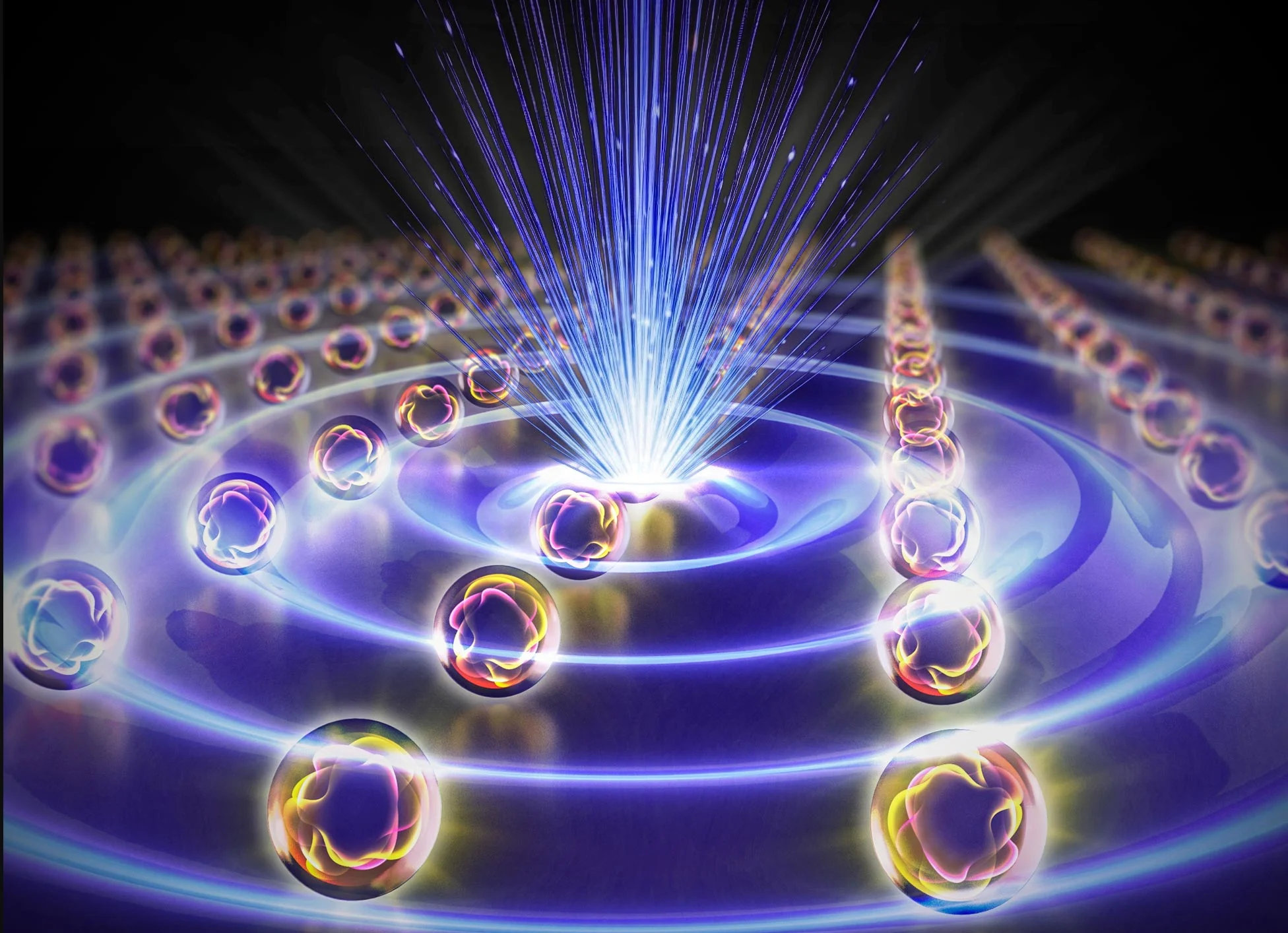
Researchers have developed photonic space-time crystals, which enhance light interaction and amplification, potentially revolutionizing optical information processing. These advanced materials, structured in three spatial dimensions and changing over time, allow precise control over light's behavior. The study, involving institutions like Karlsruhe Institute of Technology and Aalto University, demonstrates how these four-dimensional materials can be applied in technologies such as wireless communication and lasers. The findings, published in Nature Photonics, highlight the potential for these materials to amplify light across various frequencies, paving the way for new applications in optical and other physical systems.
Revolutionary Photonic Time Crystals Amplify and Control Light
science-and-technology1 year ago

Revolutionary Photonic Time Crystals Amplify and Control Light

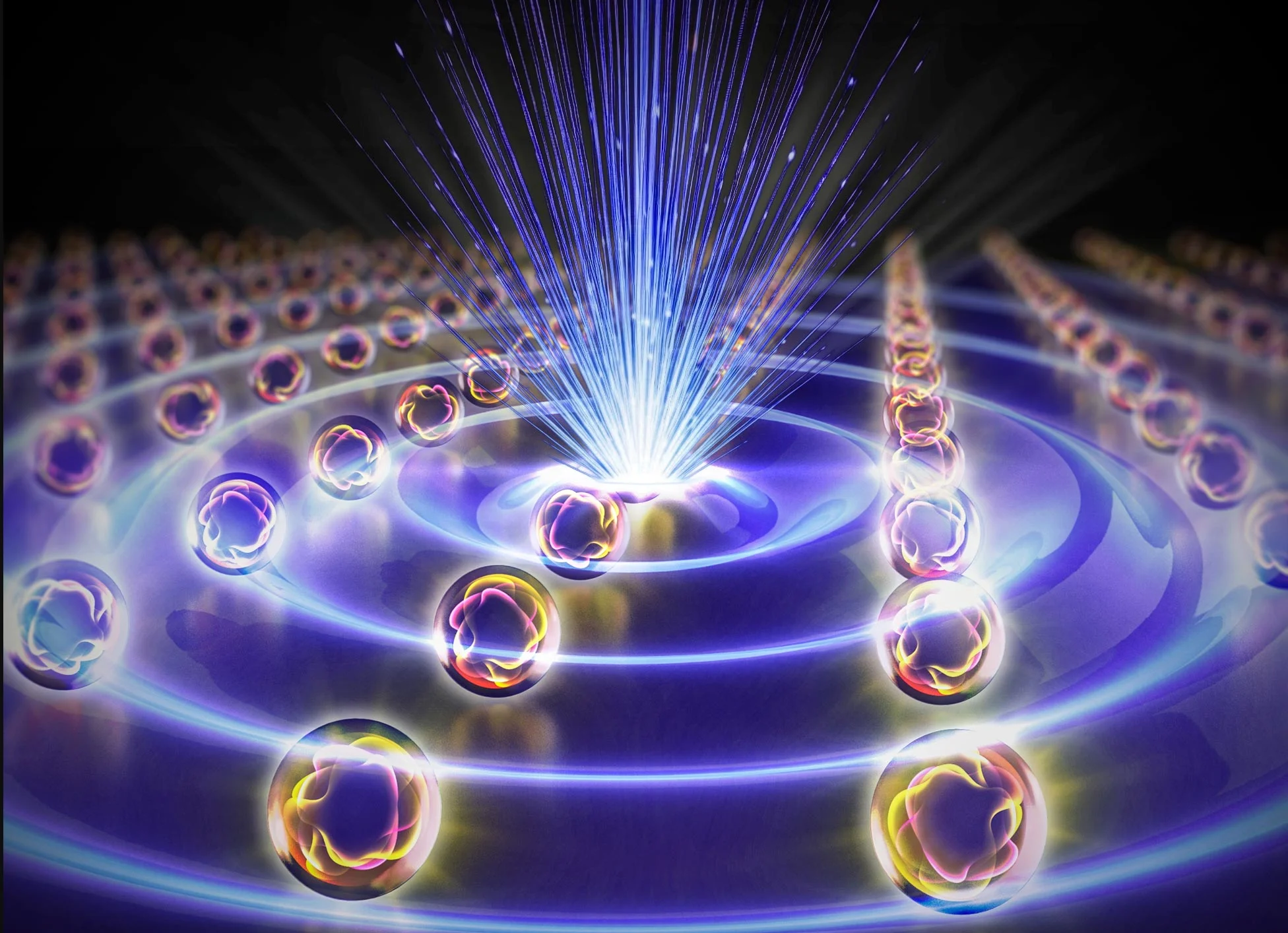
Scientists have developed photonic time crystals, materials that can exponentially amplify light, potentially revolutionizing fields like communication, imaging, and sensing. These crystals, which oscillate in time rather than space, create unique states where light intensity grows exponentially, offering applications in advanced sensors and lasers. The research, involving an international team, proposes a practical approach to creating these crystals for visible light using silicon spheres, overcoming previous technical challenges.

Revolutionary Photonic Time Crystals Promise New Light Control Technologies
science-and-technology1 year ago

Revolutionary Photonic Time Crystals Promise New Light Control Technologies

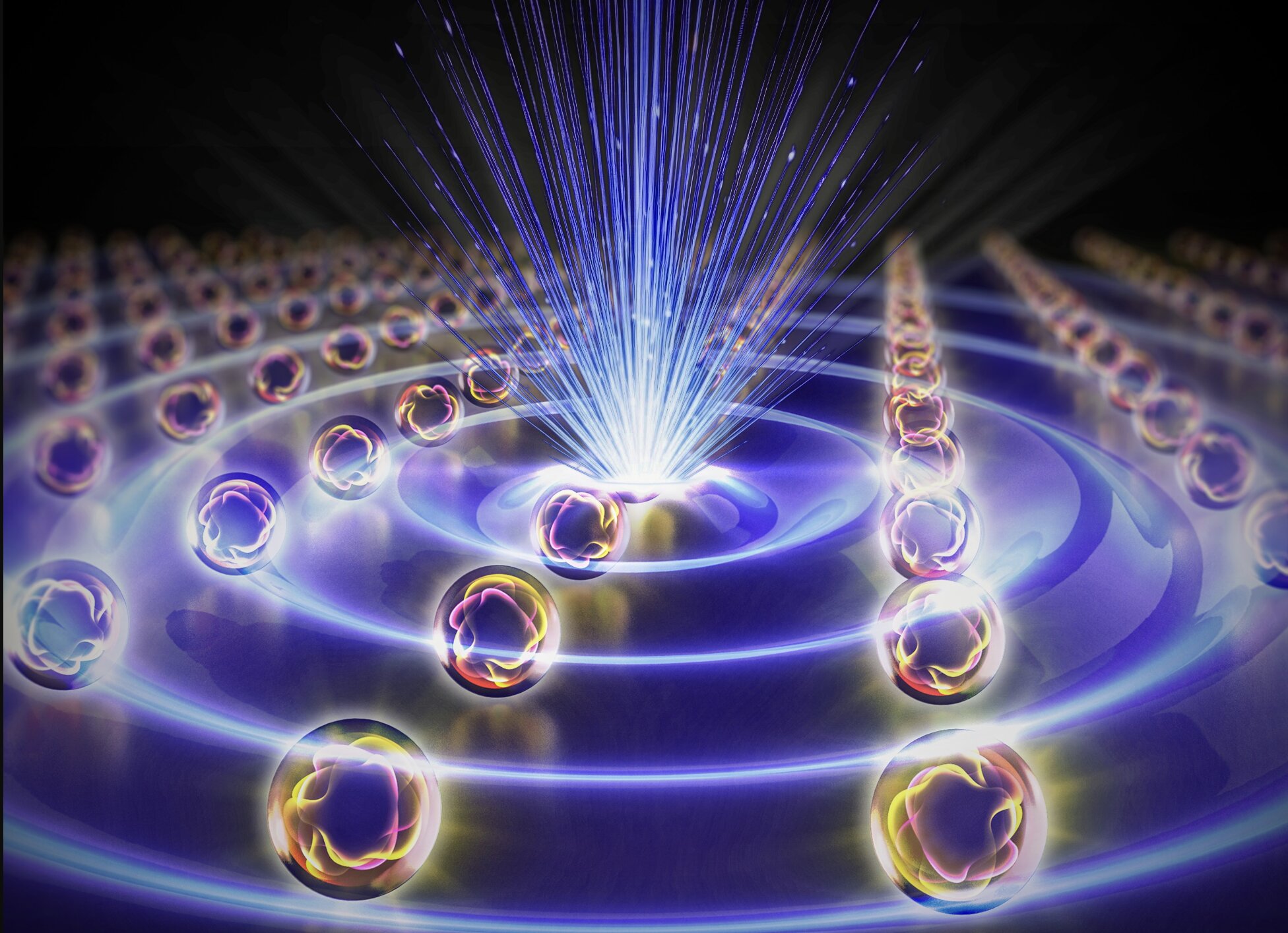
Researchers have designed realistic photonic time crystals, which exponentially amplify light, potentially transforming fields like communication, imaging, and sensing. These materials, which oscillate in time rather than space, could lead to more efficient lasers and sensors. The study, involving Aalto University and others, proposes using silicon spheres to achieve these effects in visible light, marking a significant step towards practical applications.

"Exploring the Possibility of Dual Gravitational Lenses"
astronomy2 years ago

"Exploring the Possibility of Dual Gravitational Lenses"

A theoretical physicist has explored the possibility of multiple gravitational lenses providing extra amplification of light to create a communication bridge between distant civilizations. However, the study found no advantages or additional signal amplification in a two-lens system compared to a single lens system. While the concept is fascinating, the idea of using double gravitational lenses for long-distance communication remains unlikely and currently confined to science fiction.

"Exploring the Possibility of Double Gravitational Lenses"
astronomy2 years ago

"Exploring the Possibility of Double Gravitational Lenses"

The possibility of using multiple gravitational lenses as a communication bridge between distant civilizations has been explored by theoretical physicist Viktor T Toth. However, his research suggests that a two-lens system does not offer any advantages or additional signal amplification over a single-lens system. While the concept is fascinating, it is unlikely that double gravitational lenses can be detected at this time, making the idea of using them as a long-distance cosmic telephone remain science fiction for now.

Electrically Driven Quantum Dots Achieve Bright Light Amplification
science-and-technology2 years ago

Electrically Driven Quantum Dots Achieve Bright Light Amplification

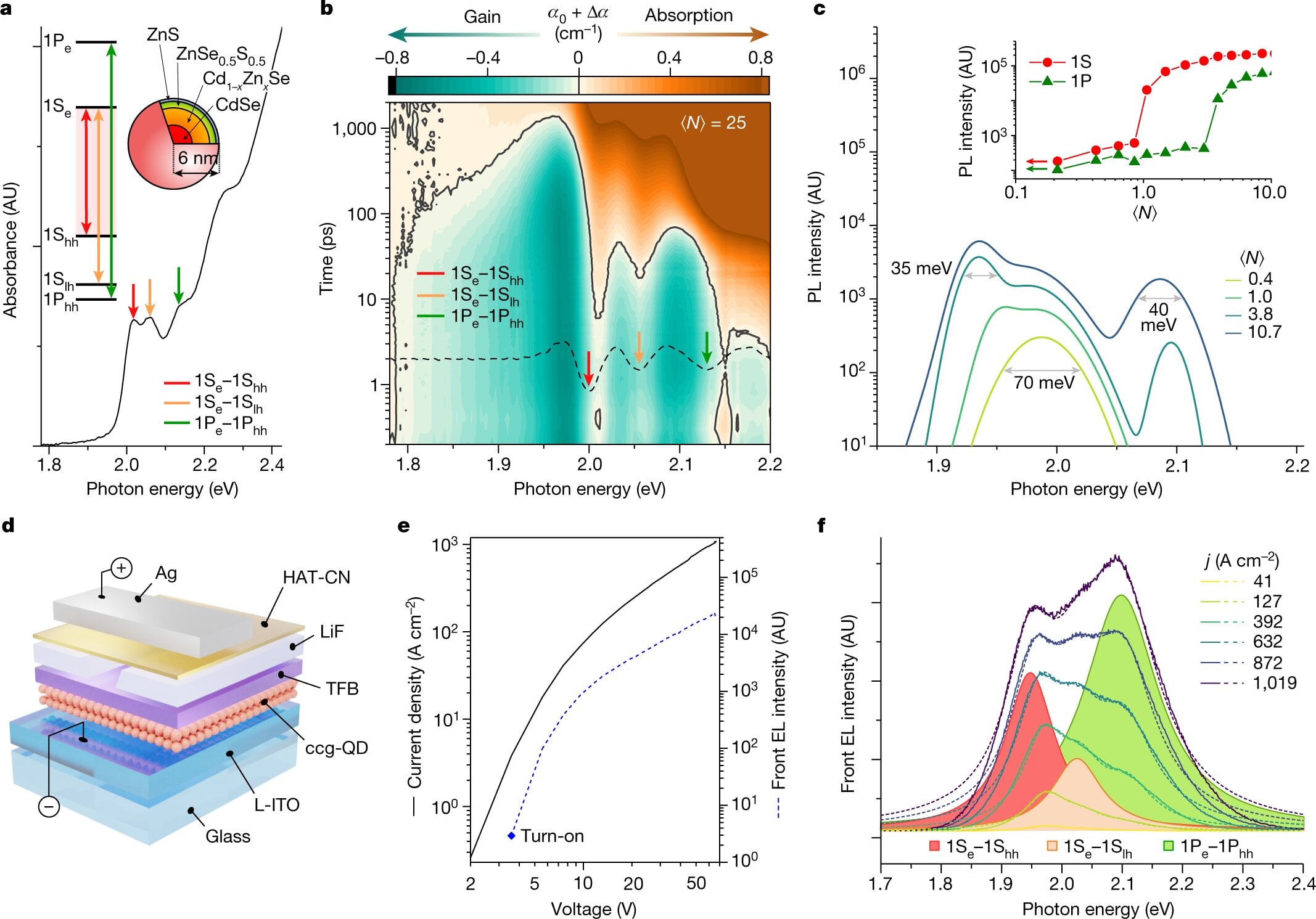
Scientists at Los Alamos have achieved light amplification with electrically driven devices based on solution-cast semiconductor nanocrystals, colloidal quantum dots. This breakthrough opens the door to a new class of electrically pumped lasing devices, highly flexible, solution-processable laser diodes that can be prepared on any crystalline or non-crystalline substrate without the need for sophisticated vacuum-based growth techniques or a highly controlled clean-room environment.