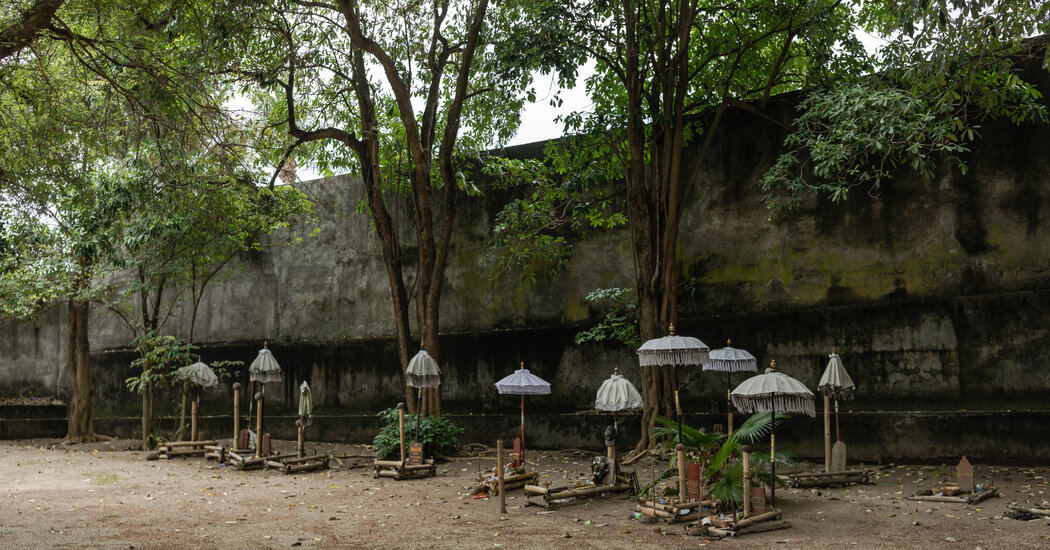
On Bali, the holiday industry masks a dark history of anti-Communist massacres from 60 years ago, where mass graves have been unearthed during construction, revealing the island's haunted past beneath its tourist resorts.
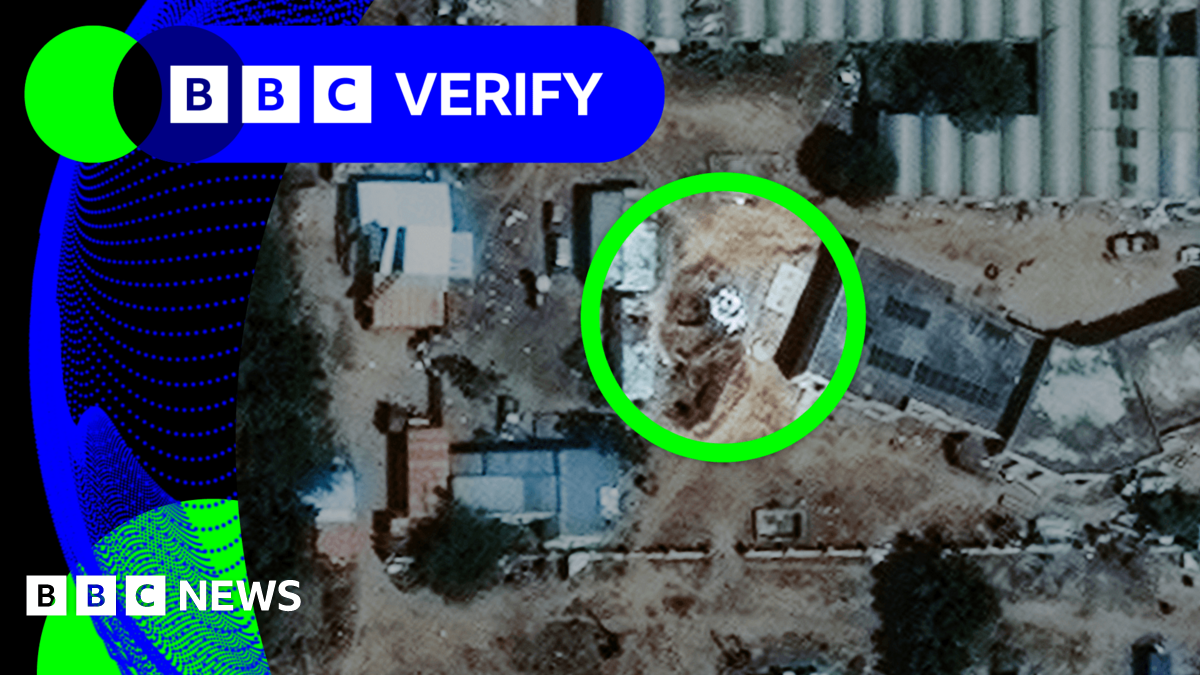
Satellite images suggest that after the RSF took control of el-Fasher, bodies were buried in mass graves and some were burned, with evidence analyzed by Yale and BBC Verify indicating efforts to conceal crimes against civilians.
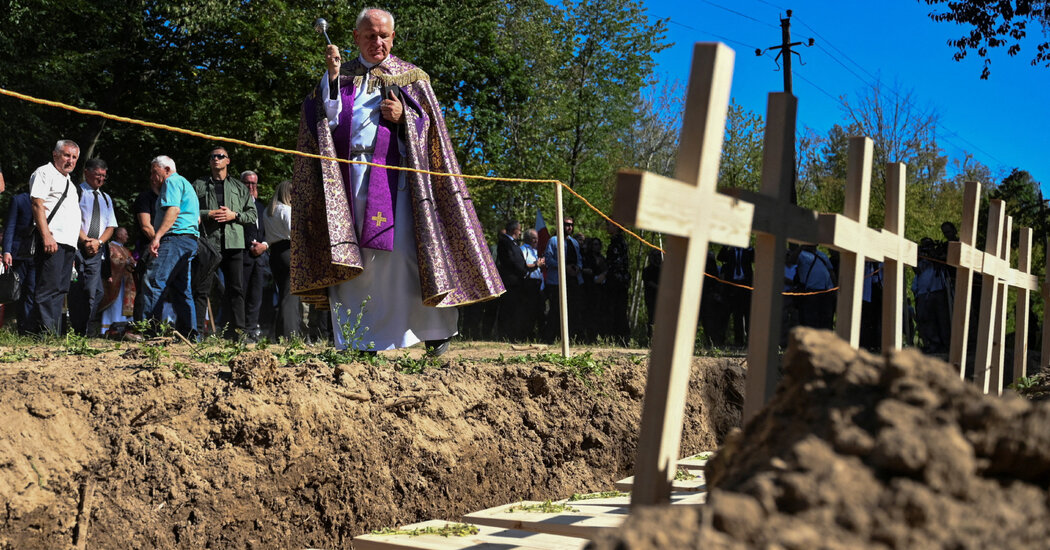
After 80 years, Ukraine and Poland have resolved a long-standing dispute over WWII-era mass graves, with a joint burial ceremony for victims in Ukraine, aiming to foster reconciliation and prevent Russian exploitation of tensions.
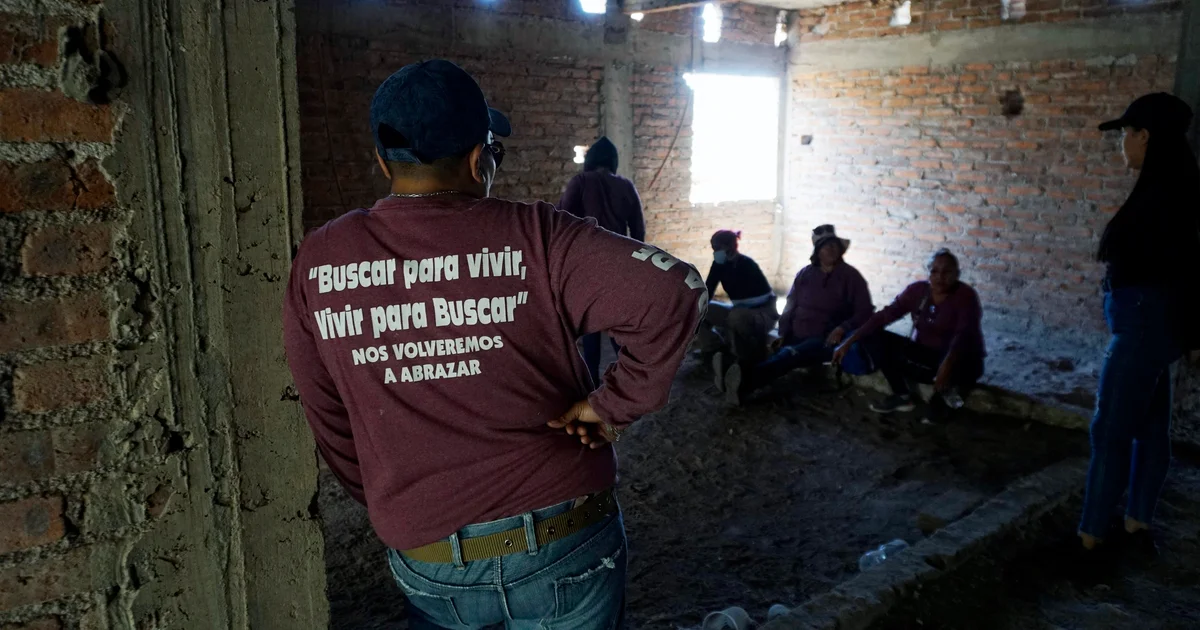
The dismembered remains of 32 people were found in an abandoned house in Guanajuato, Mexico, with 15 identified so far. The victims are believed to be linked to ongoing cartel violence in the region, which is marked by frequent mass graves and high murder rates, making Guanajuato one of the deadliest states in Mexico. Families of the missing continue to search for their loved ones amid ongoing conflict between criminal groups like the Santa Rosa de Lima gang and the Jalisco New Generation cartel.
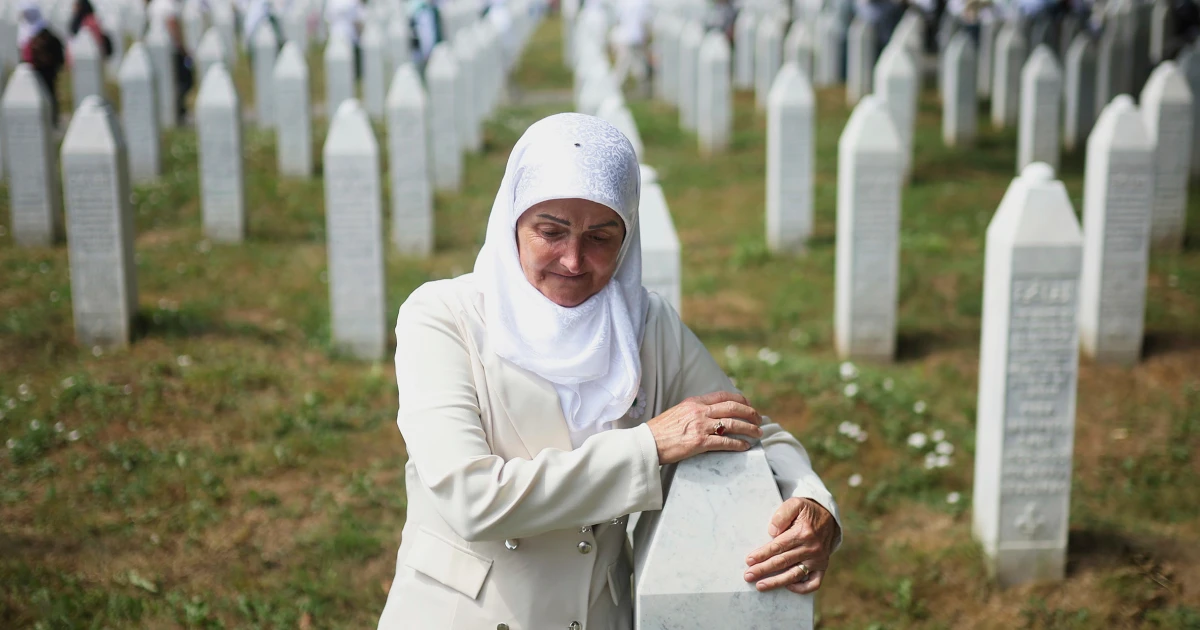
Thousands gathered in Srebrenica to commemorate the 30th anniversary of the 1995 massacre, where over 8,000 Bosniak men and boys were killed in Europe's only acknowledged genocide since WWII. The event included a collective funeral for newly identified victims and highlighted ongoing efforts to identify and bury remains from mass graves, amid continued denial of the genocide by some political leaders.
Human remains have been uncovered in the Tadamon district of Damascus, Syria, revealing evidence of mass killings under the rule of Bashar al-Assad. The area became notorious after a 2022 video showed military personnel executing blindfolded men. Residents and rights groups describe years of atrocities, with bones found scattered across the district. Following Assad's ouster, there are calls for the site to be secured and investigated to hold those responsible accountable. The mass grave's potential tampering by Assad's forces raises concerns about preserving evidence.
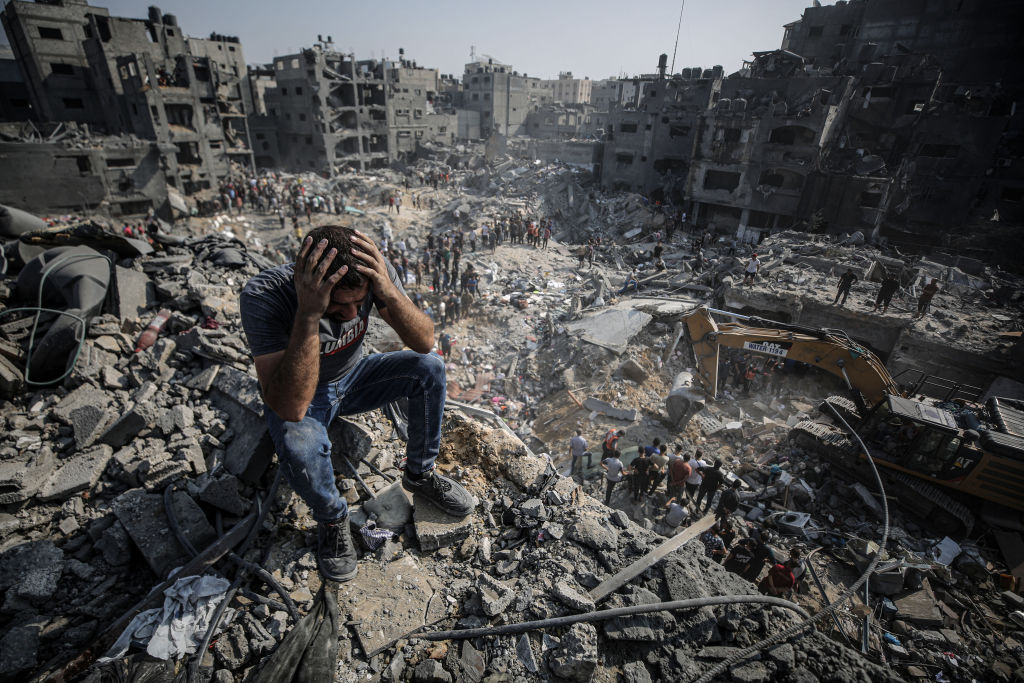
After twenty days of intense bombardment and ground assaults, Israeli forces partially withdrew from Jabalia refugee camp in Gaza, leaving it in ruins and revealing mass graves with over 120 bodies, mostly dismembered and decomposed. The devastation has rendered the camp unlivable, with thousands of homes destroyed and residents displaced. The Israeli military's actions, including the use of hospitals as bases and the destruction of food supplies, have exacerbated the humanitarian crisis, leading to widespread starvation and suffering among Palestinians. The international community's response, particularly from the US, has been criticized for failing to address the severity of the situation.
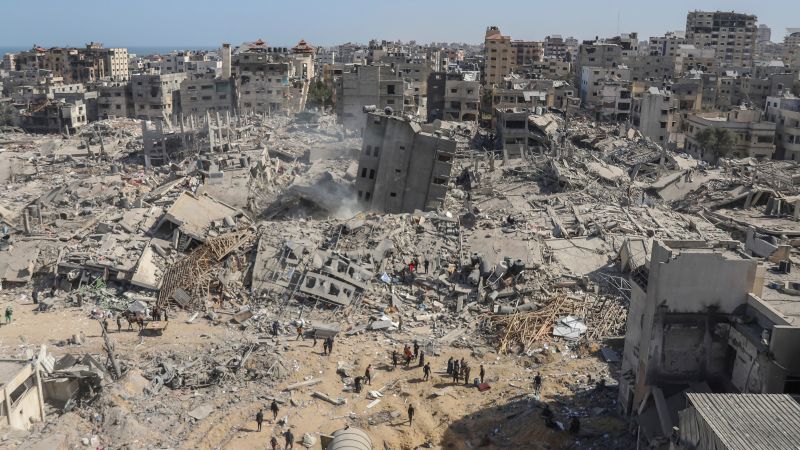
Health workers in northern Gaza have exhumed the first corpses from mass graves in and around Al-Shifa Hospital, where they said Israeli forces killed hundreds of Palestinians and left their bodies to decompose during a two-week siege. The bodies were found buried or above ground, with some completely disfigured and unable to be identified. Witnesses and civilians trapped inside the hospital when it was raided described the area as "full of bodies." Israel Defense Forces claimed to have completed operations against terrorist operatives and infrastructure at Al-Shifa, apprehending suspects and eliminating terrorists. The siege has left specialized facilities within the hospital complex out of service, and UN experts accused Israel of denying access to healthcare to those most in need. Palestinians at Al-Shifa are searching for missing family members and demanding to know the fate of their loved ones.
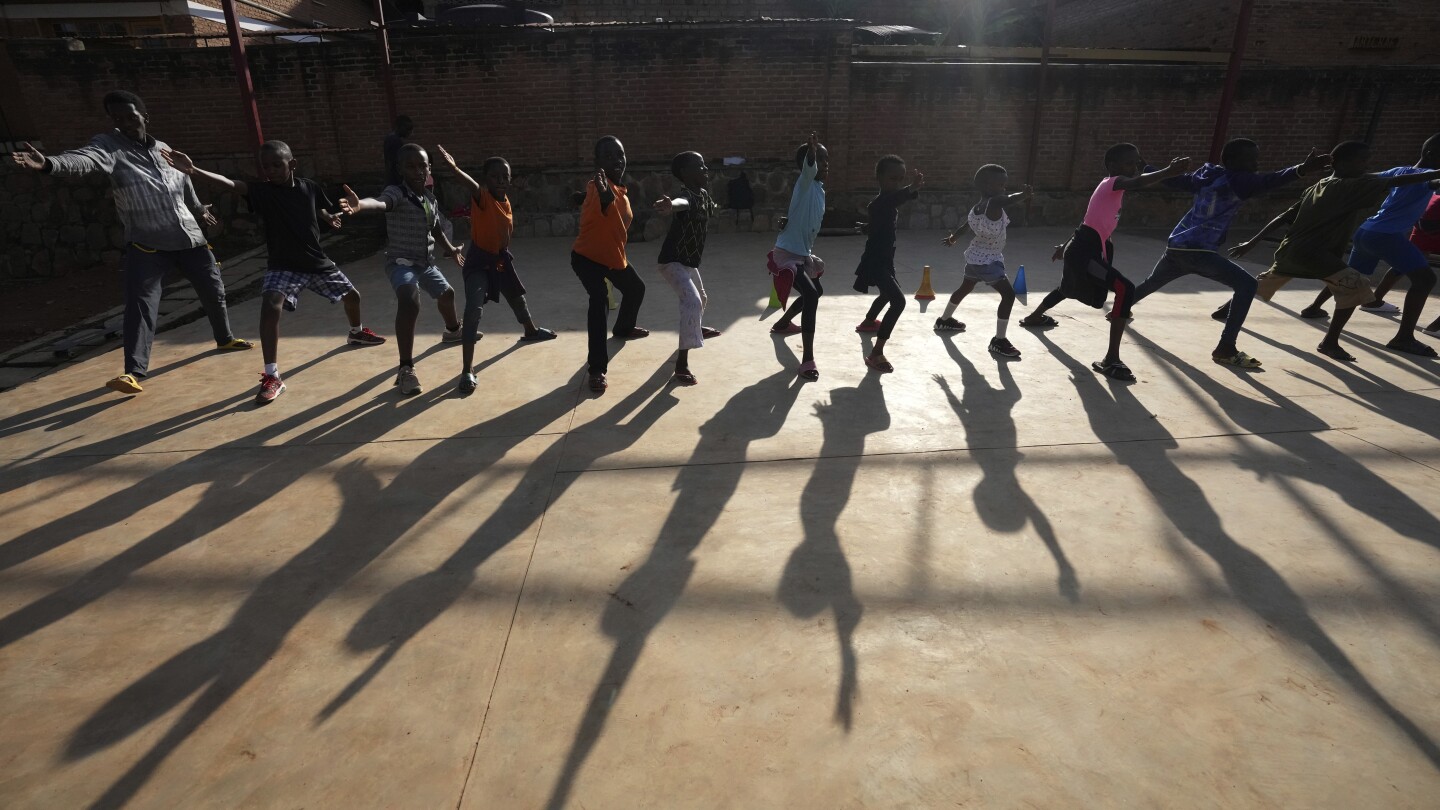
As Rwanda prepares to mark the 30th anniversary of the 1994 genocide, the discovery of new mass graves in rural southern Rwanda serves as a stark reminder of the challenges the country faces in achieving lasting peace and reconciliation. Despite government efforts to bridge ethnic divisions and promote unity, the ongoing discoveries of mass graves highlight the need for more to be done for true reconciliation. Traumatized survivors continue to be affected by the new findings, while some Rwandans express disappointment in their neighbors and the slow progress in overcoming the legacy of the genocide.
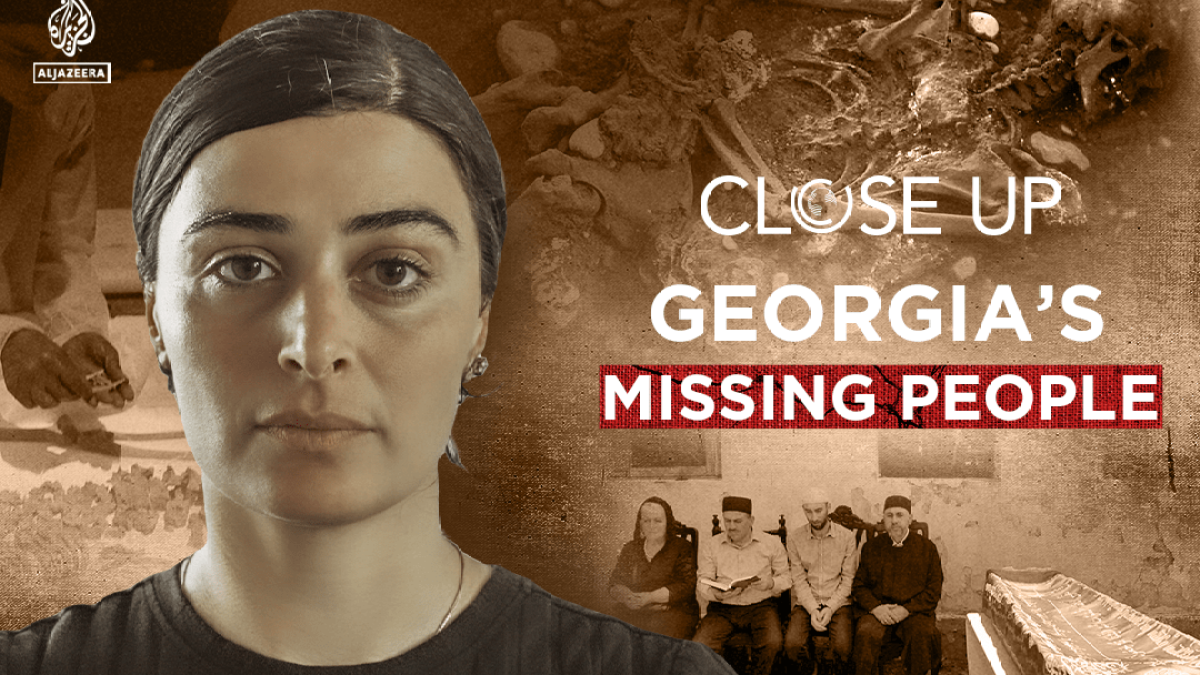
Georgians are working to uncover the truth about Stalin's mass executions during the Great Terror, with efforts to investigate and locate victims gaining momentum. Forensic experts and historians are identifying and analyzing skeletal remains from mass graves, aiming to bring closure to families of the victims. However, challenges such as limited resources and reluctance from the government hinder the progress in identifying and addressing the atrocities committed during the Soviet era.
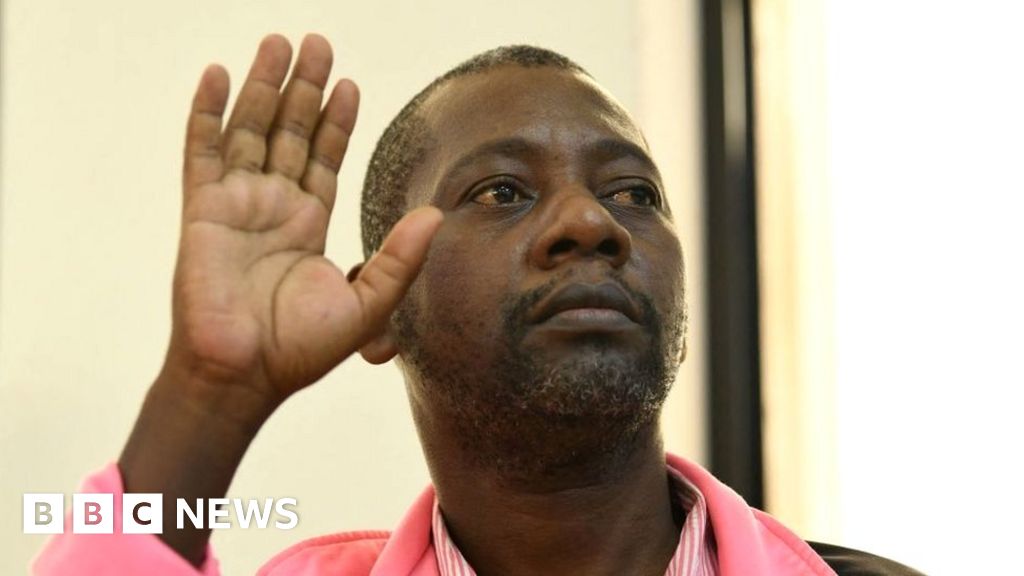
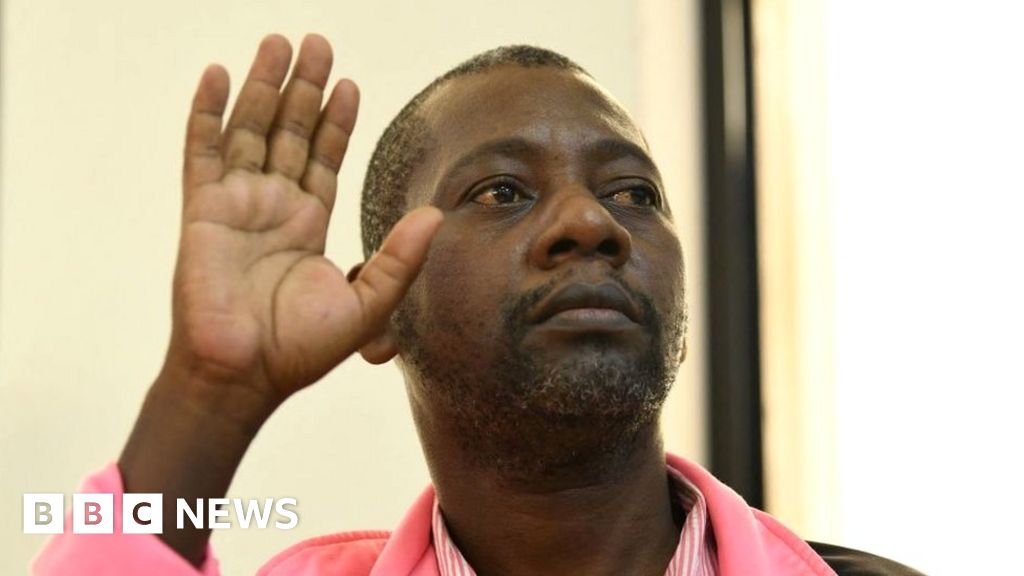
Self-proclaimed cult leader Paul Mackenzie, accused of leading a doomsday cult in Kenya, is set to undergo mental health evaluations before being charged with murder, manslaughter, terrorism, and torture in connection with the discovery of 429 bodies, including children, in mass graves. Prosecutors have requested more time to determine the mental fitness of Mackenzie and 30 other suspects. Mackenzie denies responsibility for the deaths and claims to have closed his church in 2019.
Kenyan cult leader Paul Mackenzie and 94 others are set to be charged with murder, terrorism, and other offenses over the deaths of more than 400 people found in mass graves in a remote forest. Mackenzie, a self-proclaimed pastor, denies responsibility for the deaths, but prosecutors allege that he encouraged his church members to move to the forest and prepare for the end of the world. The charges come after investigators found evidence linking the group to murder, assault, and "facilitating the commission of a terrorist act," as well as subjecting children to torture.
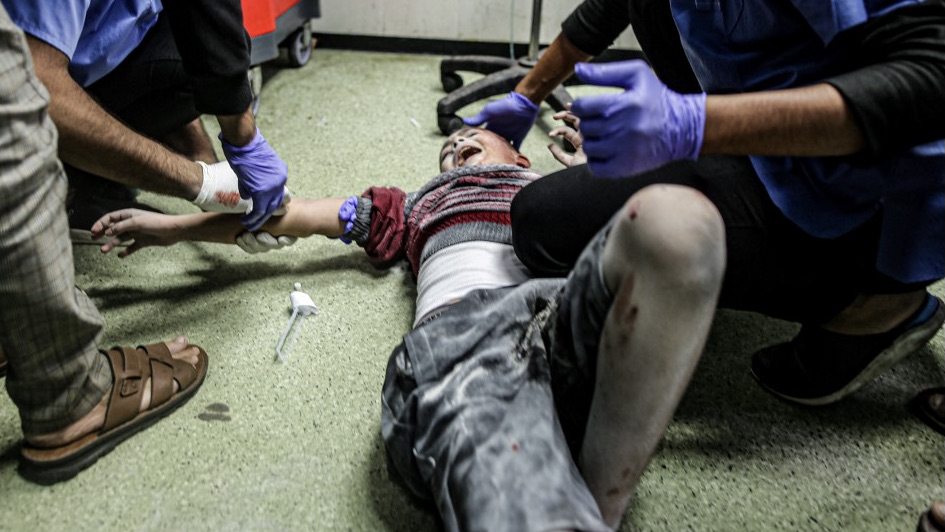
Israel's intense bombing of the Gaza Strip continues, with the al-Shifa hospital described as a "bloodbath" by a World Health Organisation team. Israeli strikes on the Jabalia refugee camp and bombings in the central city of Deir al-Balah have resulted in numerous Palestinian casualties. The hospital is overwhelmed with patients, with trauma patients being treated on the floor due to lack of space and limited pain management options. A new mass grave has been discovered in Gaza, as options for burying the dead become increasingly limited. Meanwhile, the spokesperson for President Mahmoud Abbas condemns the ongoing assault by Israeli Prime Minister Benjamin Netanyahu and his government on a future Palestinian state. Pope Francis also condemns the targeting of defenceless civilians in Gaza, and US Senator Lindsey Graham warns of the consequences of not finding a resolution to the conflict.
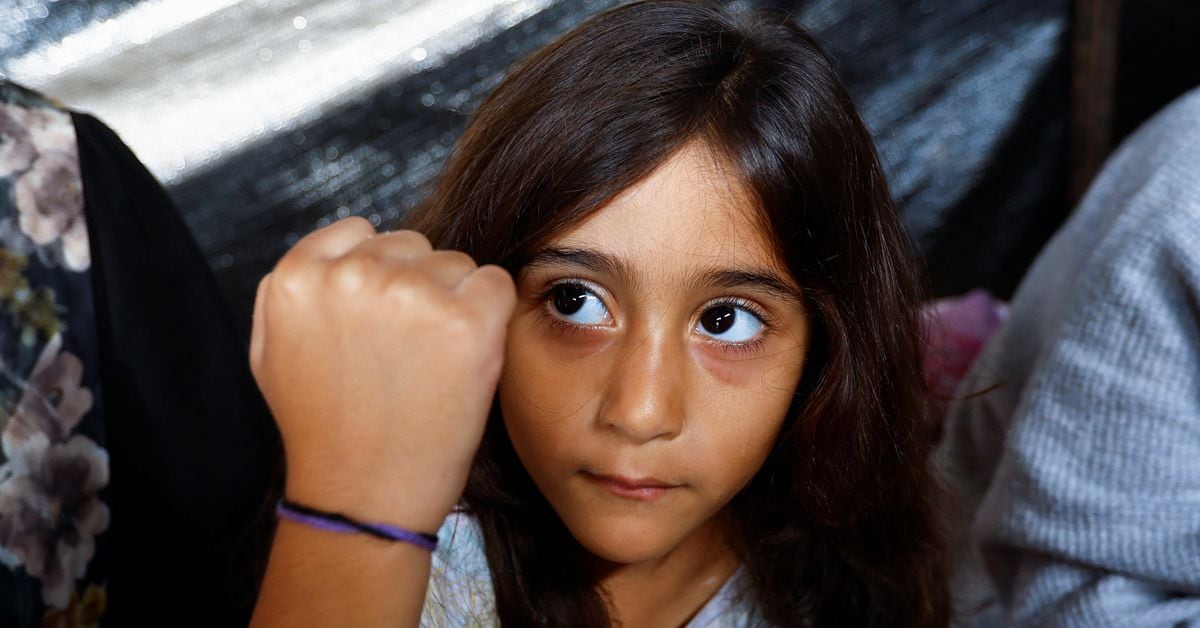
Families in Gaza are resorting to wearing ID bracelets to help identify their loved ones in case they are killed in Israeli strikes. With mass burials becoming common due to the high number of unidentified bodies, families are taking precautions to ensure their family members can be recognized. The El-Daba family, for example, has split up and marked their children with bracelets. The Israeli military has urged residents to move south for safety, but airstrikes have hit various areas in the densely-populated Gaza Strip. The ongoing conflict has resulted in a significant number of casualties, with 756 Palestinians, including 344 children, killed in the past 24 hours alone.
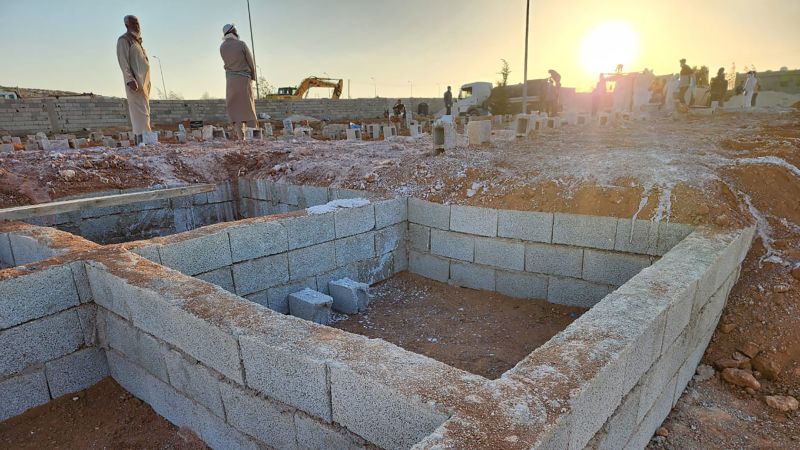
Volunteers in Derna, Libya, are digging mass graves to bury the victims of devastating floods that have claimed the lives of close to 4,000 people, with thousands still missing. The overwhelmed city's hospitals and morgues were unable to cope with the influx of the dead, leading to a rush to bury the bodies to prevent infections and diseases. Visual identification became impossible, prompting officials to take DNA samples ahead of burials. Survivors are left traumatized and searching for their missing family members amid the rubble of ruined neighborhoods.