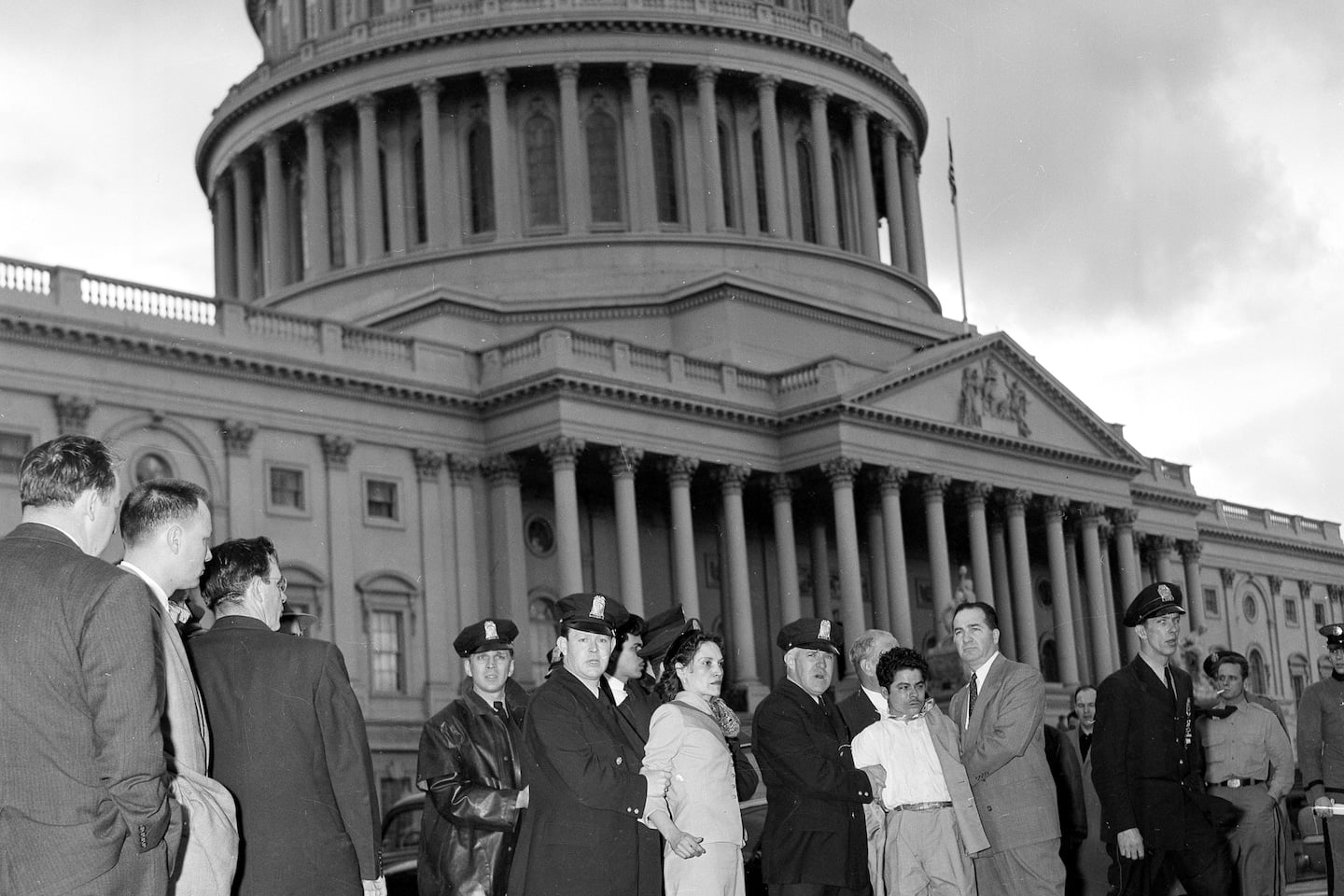
The 1954 attack on the U.S. Capitol by Puerto Rican nationalists, seeking independence for their homeland, has gained renewed significance as the Justice Department has prosecuted Jan. 6 insurrectionists using the same statute. The violent events of 1954, which injured five congressmen, were aimed at drawing attention to Puerto Rico's status and pressuring the U.S. government for independence. The case has parallels to the Jan. 6 insurrection, with both episodes involving violent acts seeking political outcomes and interfering with official proceedings in the Capitol. The 1954 case has been cited in high-profile Jan. 6 prosecutions, highlighting its continued impact on American democracy.
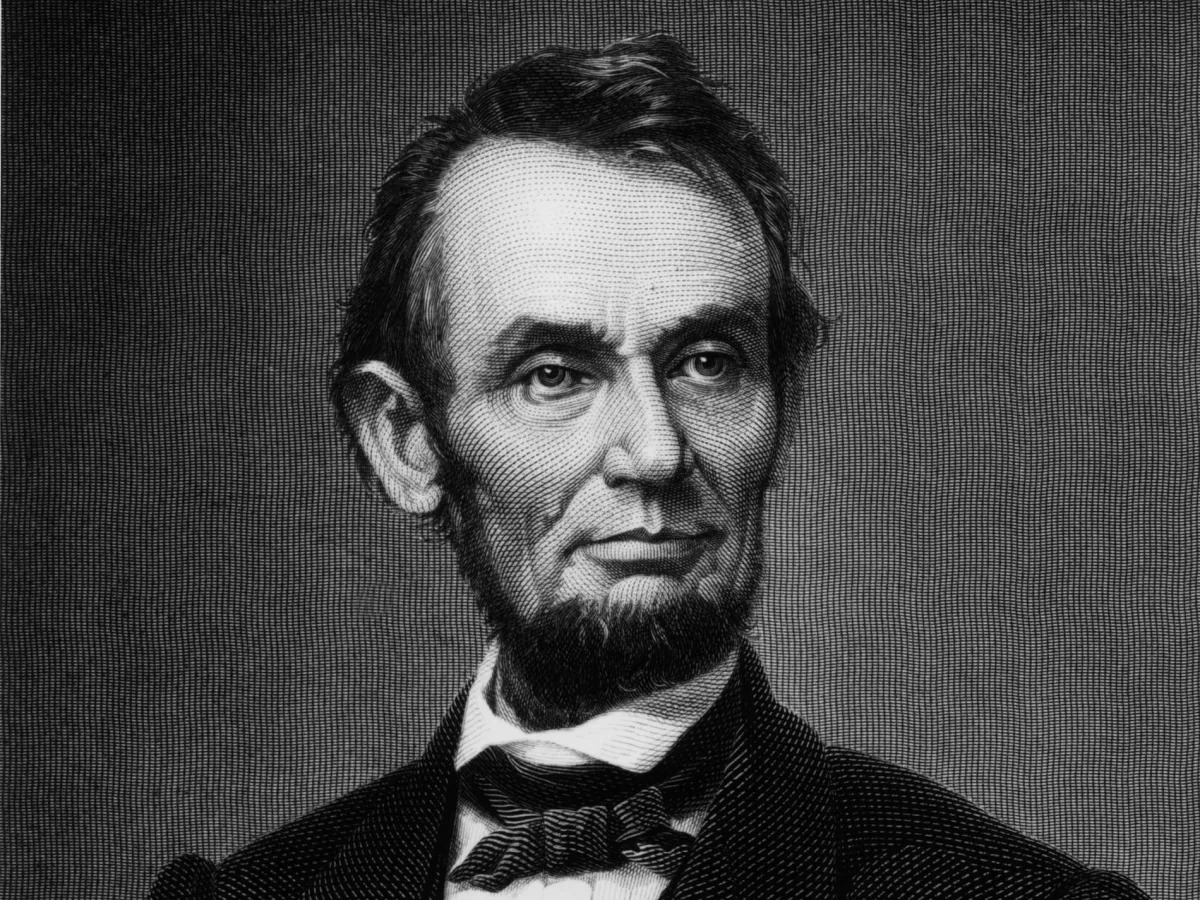
A recently discovered 22-page transcript at the National Archives reveals that Abraham Lincoln pardoned President Joe Biden's great-great-grandfather, Moses J. Robinette, in 1864 after he was convicted for a fight with an army colleague during the Civil War. Robinette, a civilian veterinary surgeon in the Army of the Potomac, got into a physical altercation and injured his colleague with a pocketknife. After receiving support from army officers and a West Virginia senator, Lincoln pardoned Robinette, who had endured a difficult time during the war. The transcript was unearthed by a history instructor at George Mason University, shedding light on this little-known piece of history.
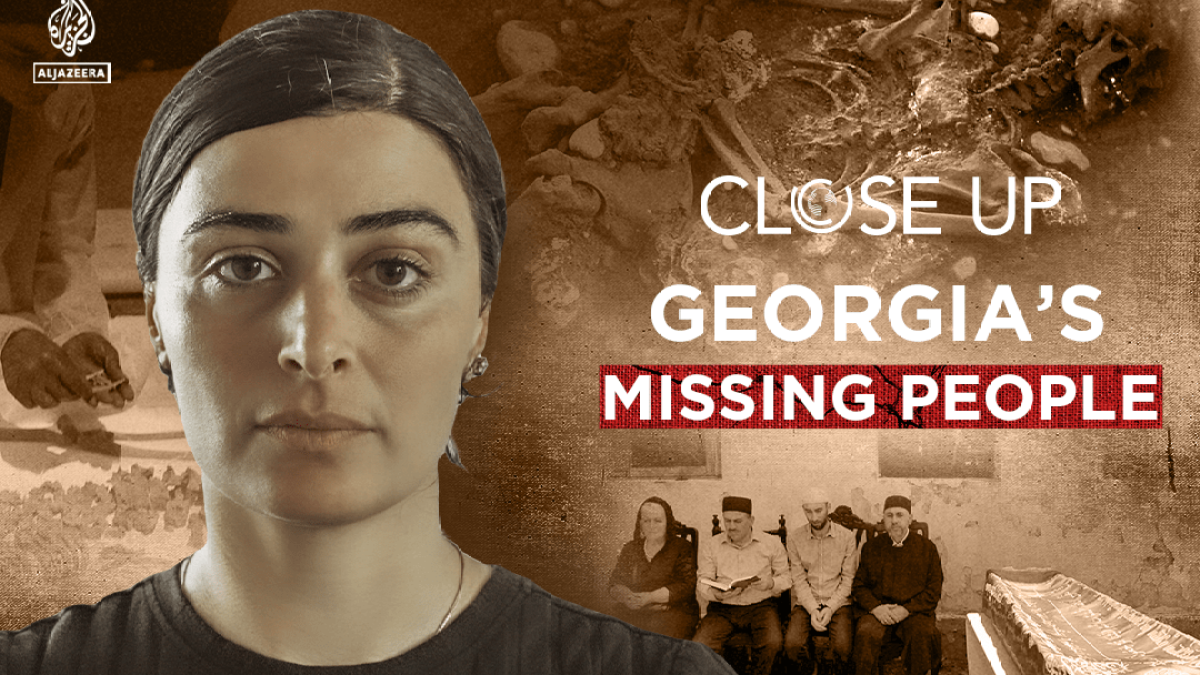
Georgians are working to uncover the truth about Stalin's mass executions during the Great Terror, with efforts to investigate and locate victims gaining momentum. Forensic experts and historians are identifying and analyzing skeletal remains from mass graves, aiming to bring closure to families of the victims. However, challenges such as limited resources and reluctance from the government hinder the progress in identifying and addressing the atrocities committed during the Soviet era.