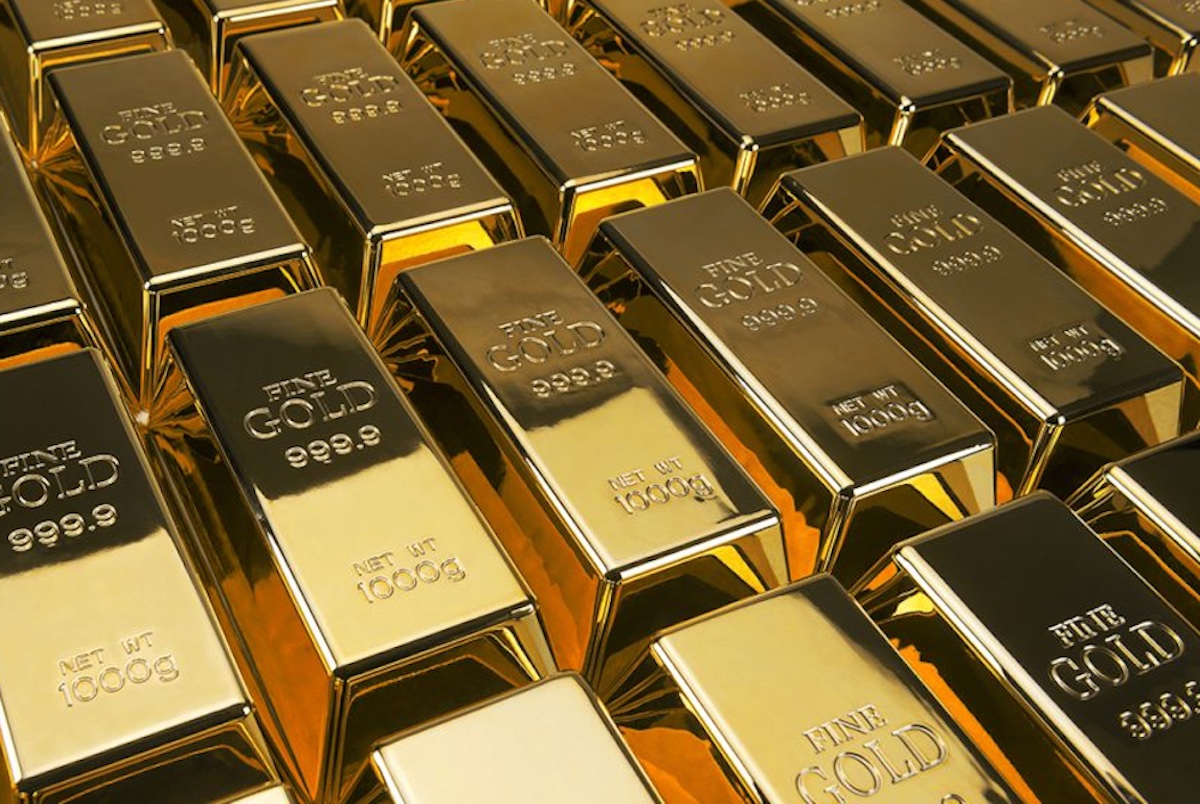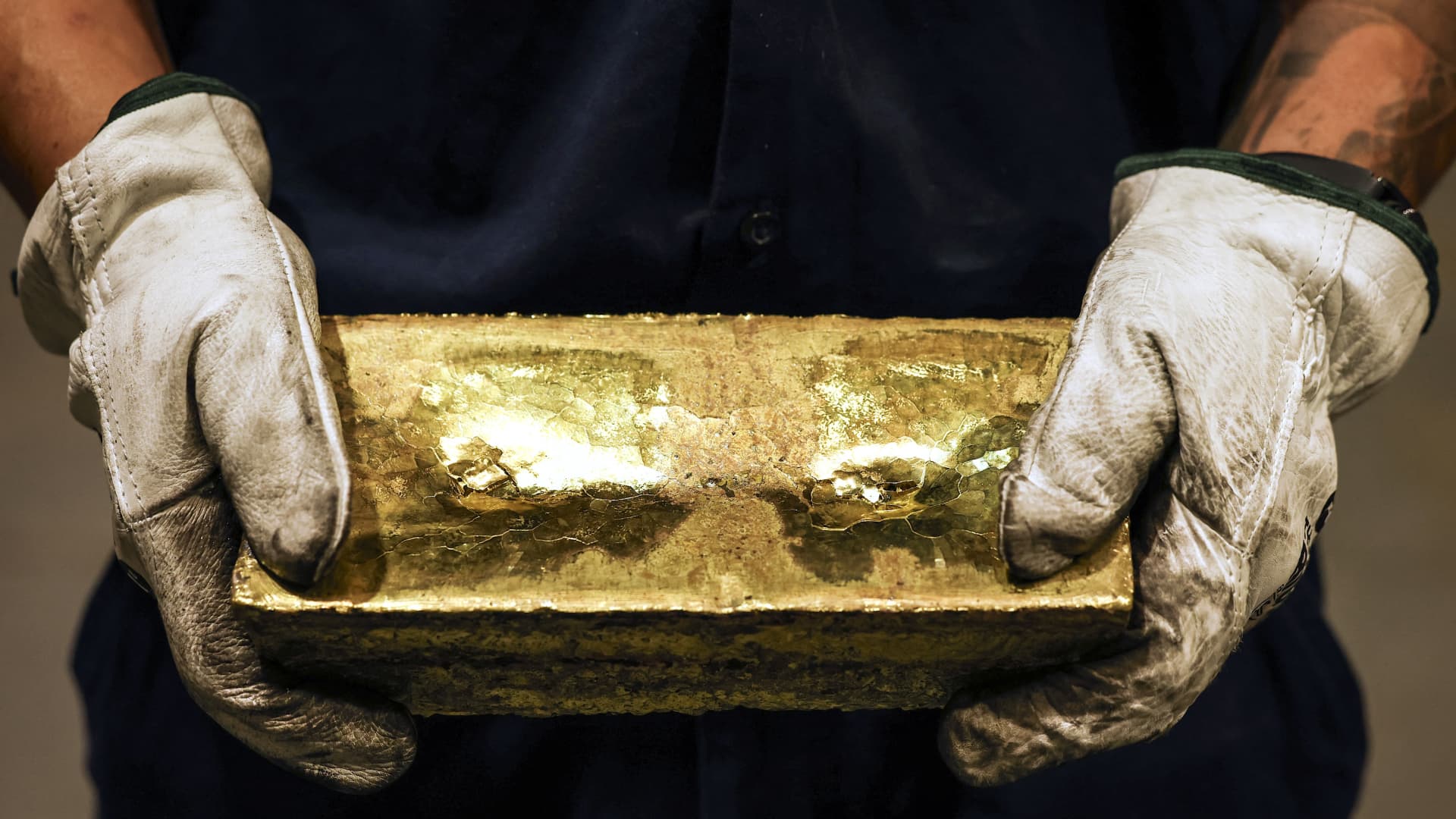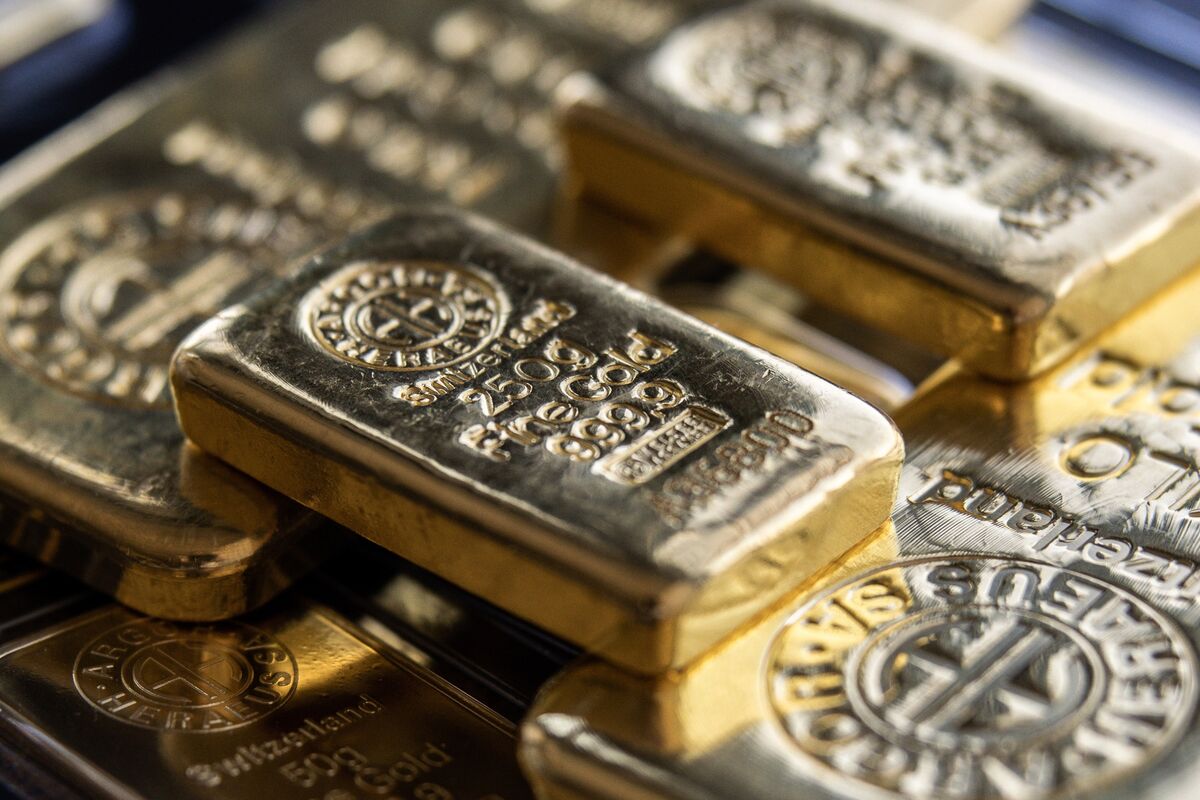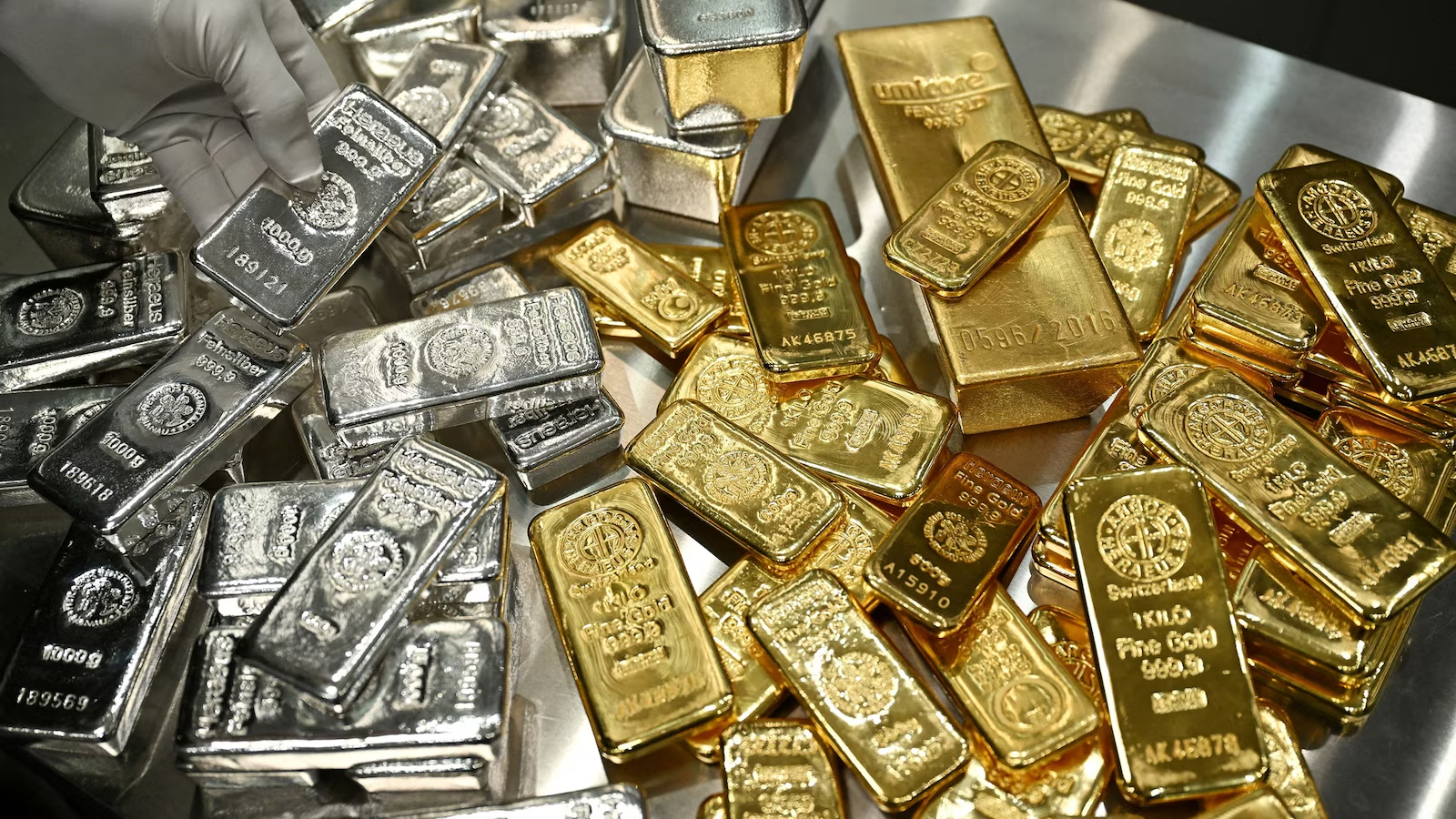
Gold and silver prices experienced significant volatility in 2025, with sharp drops and rebounds driven by market corrections, geopolitical uncertainty, and changes in interest rates, which influence their status as safe-haven assets. The recent fluctuations may signal ongoing volatility into 2026, especially amid uncertain Federal Reserve policies.
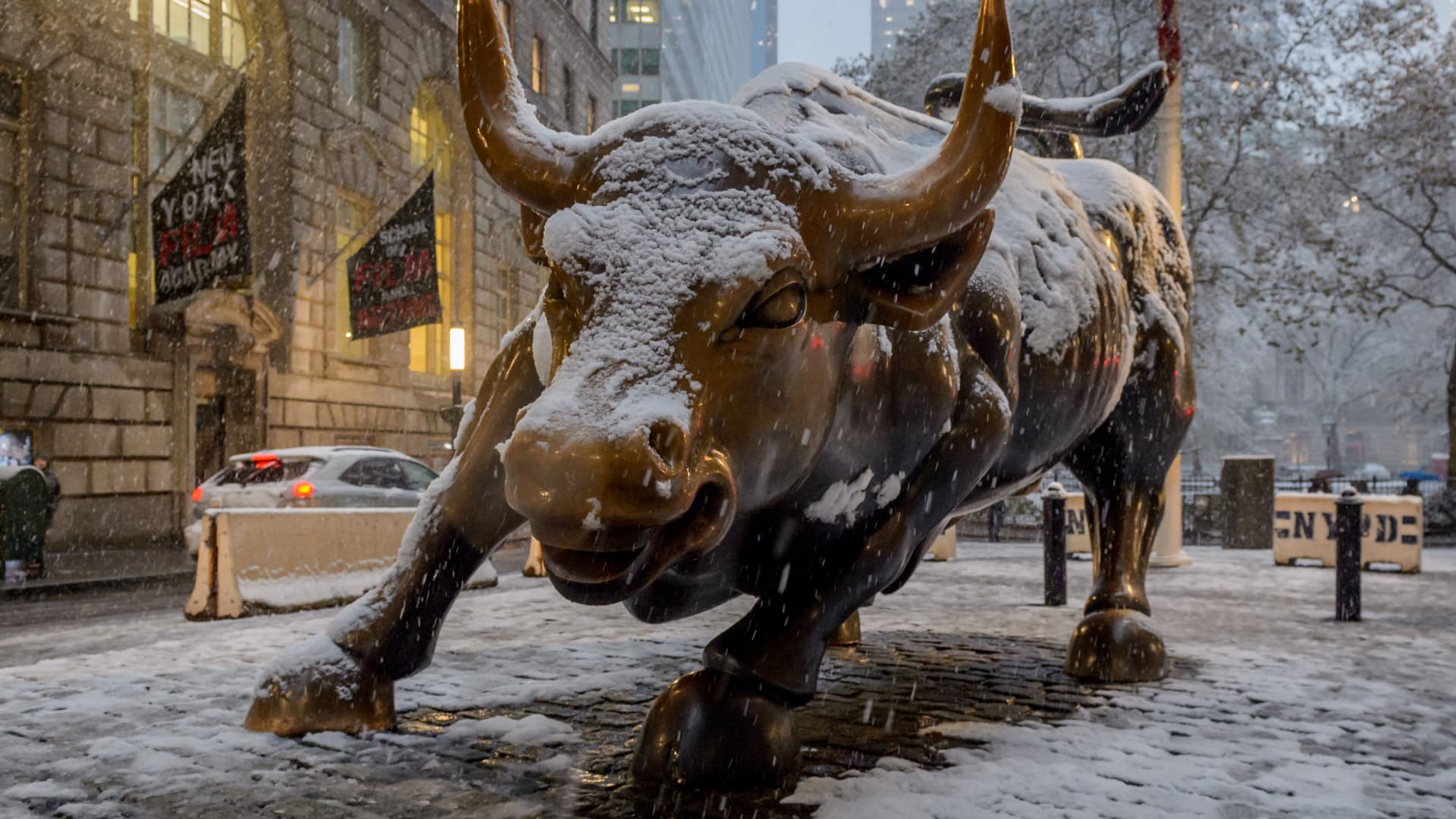
In 2025, U.S. mergers and acquisitions experienced a mixed year with high-value megadeals but overall lower deal volume, influenced by tariff uncertainties, high interest rates, and regulatory challenges under the Trump administration, leading to a cautious but increasingly active market towards the year's end.
China is playing a key role in driving gold prices to record highs in 2025 through central bank purchases, household demand, and arbitrage trading, with global economic uncertainty further fueling the rally, leading analysts to predict even higher prices in the coming years.
Gold's surge to potentially $5,000 per ounce is driven by global economic instability, US debt concerns, declining trust in the dollar, and efforts by countries like China to de-dollarize, making gold a key safe haven amid geopolitical and financial turbulence.
US stocks edged higher amid rising gold prices and anticipation of the Federal Reserve's meeting minutes, which could clarify future interest rate policies. Gold surged above $4,000 per ounce, driven by economic uncertainties and a government shutdown, while markets await insights from the Fed's recent rate cuts and projections for further easing. Global political and economic developments continue to influence investor sentiment.
Gold prices hit $4,000 for the first time amid global economic uncertainty driven by the U.S. government shutdown and political events in France, reflecting increased safe-haven demand. Meanwhile, stock markets showed mixed results, with Hong Kong's IPO market booming and U.S. markets declining due to concerns over AI profitability and government shutdown impacts.
Gold prices have surged to record highs due to global economic uncertainty, recession fears, and expectations of U.S. rate cuts, causing concern among jewelry companies about rising costs and potential impacts on sales, prompting some to innovate with pricing and product strategies.
The US dollar rebounded against the euro and yen amid ongoing government shutdown uncertainty, which has caused market fear and data gaps, including the delayed September jobs report. Traders are anticipating further interest rate cuts by the Federal Reserve, with the dollar index slightly up and cryptocurrencies like Bitcoin gaining. The market remains cautious due to the lack of reliable economic data and political developments in Japan.
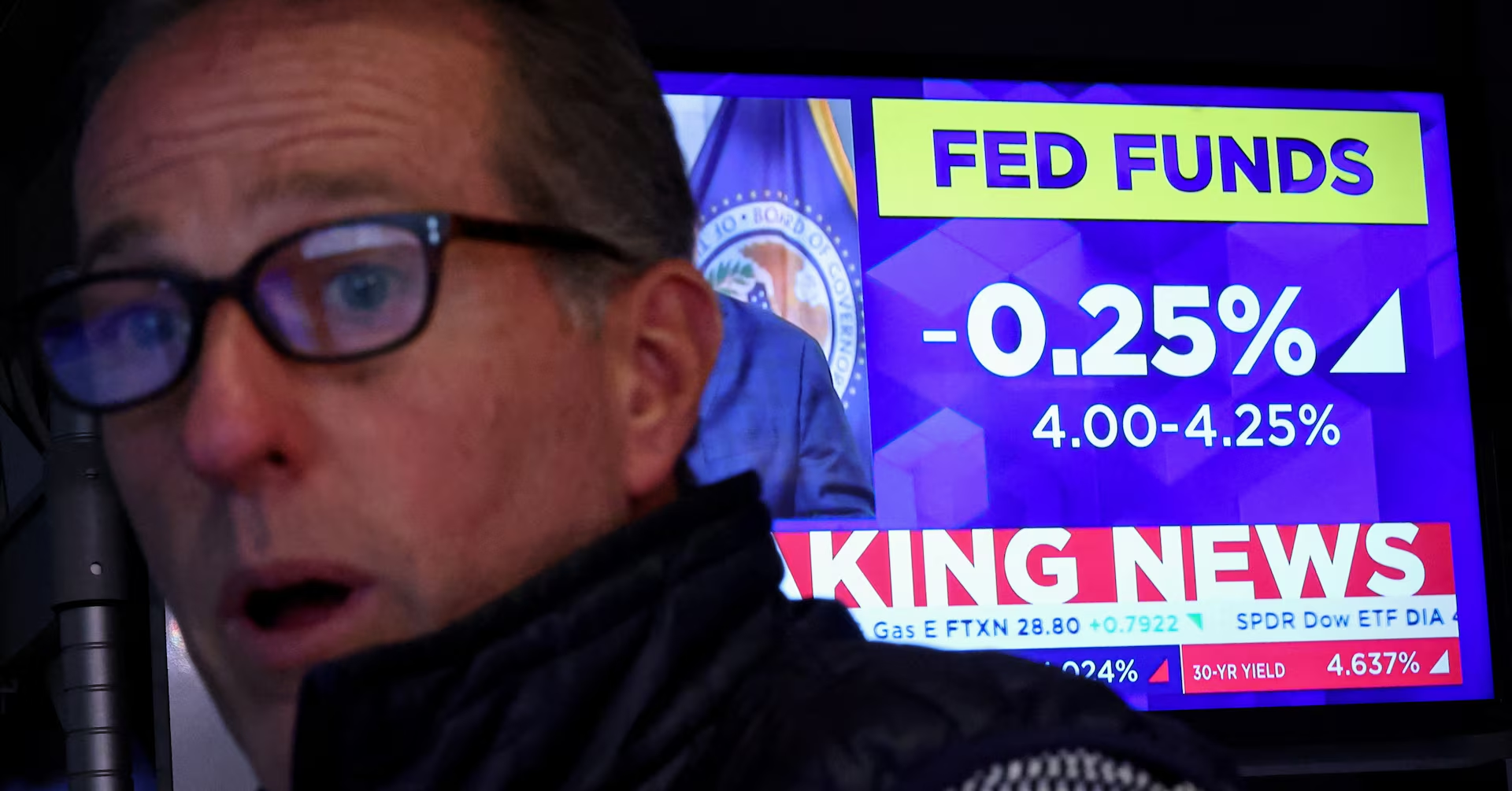
Global markets rallied following the Fed's first interest rate cut in nine months, driven by optimism despite conflicting signals from the Fed's forecasts and economic uncertainties, with stocks, tech shares, and currencies showing significant movements amid geopolitical and economic developments.
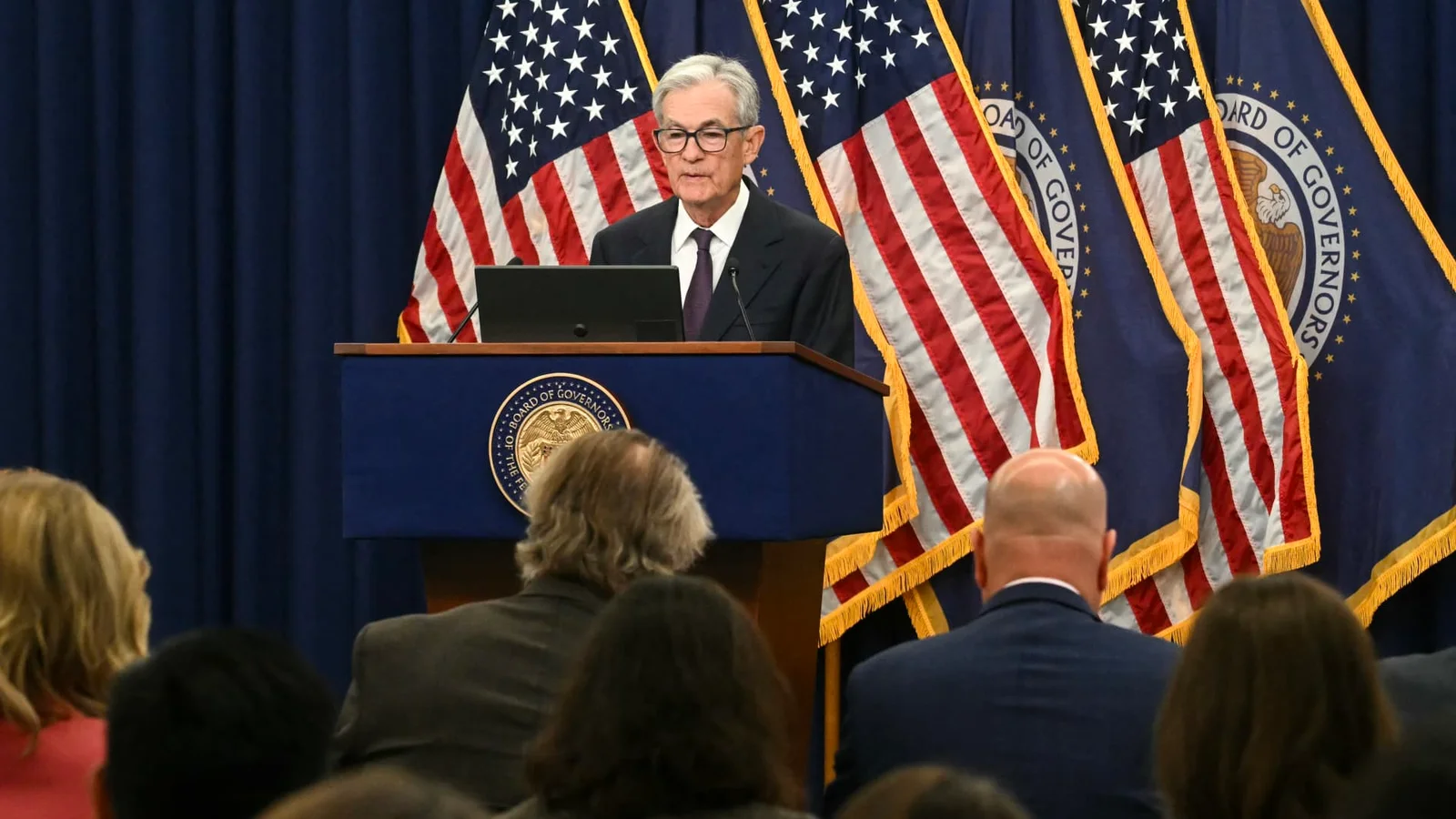
The stock market is struggling to find direction following the Federal Reserve's decision to cut interest rates, leading to uncertainty among investors.
Investors are concerned about potential political interference influencing the Federal Reserve's decision on interest rate cuts, with market volatility rising ahead of the Fed's meeting. Strong retail sales and fears over Fed independence are driving gold and Treasury yields higher, while analysts debate the likelihood and implications of rate cuts amid economic and political pressures.
Gold reached a record high above $3,546 an ounce, driven by expectations of US interest rate cuts, increased haven demand amid market selloffs, and geopolitical concerns, making it one of the year's best-performing commodities alongside silver, which has also surged due to industrial demand and market tightness.
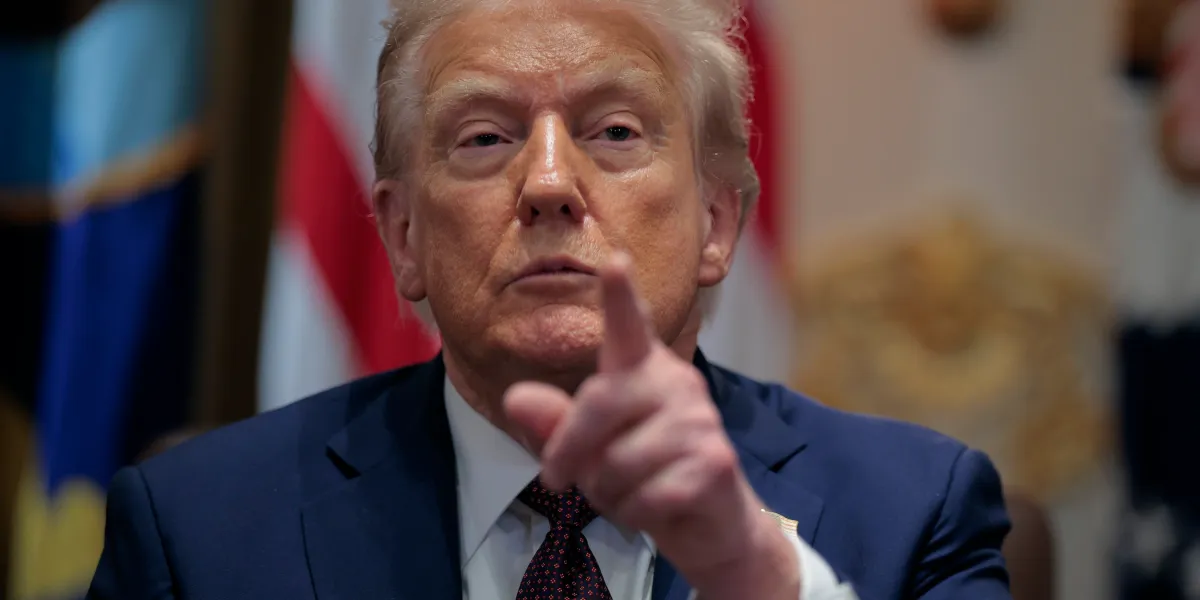
Wall Street investors are showing signs of concern over Trump's tariff price increases and political interference with the Fed, leading to a decline in stock futures and a record high in gold prices as a safe haven. Uncertainty about tariffs, legal challenges, and Fed independence are contributing to market volatility, while consumer spending appears to be weakening due to rising prices and stagnant incomes.
Stock futures are relatively unchanged as investors assess new uncertainties surrounding tariffs after a court ruling declared most of President Trump's tariffs illegal, adding to concerns about trade policy and Federal Reserve independence, with September typically being a challenging month for equities.
Hims & Hers, a telehealth company known for weight-loss drugs, experienced a volatile quarter with a significant stock decline due to sales disappointments and market uncertainties, especially in its weight-loss and sexual health segments, raising questions about its long-term growth prospects.