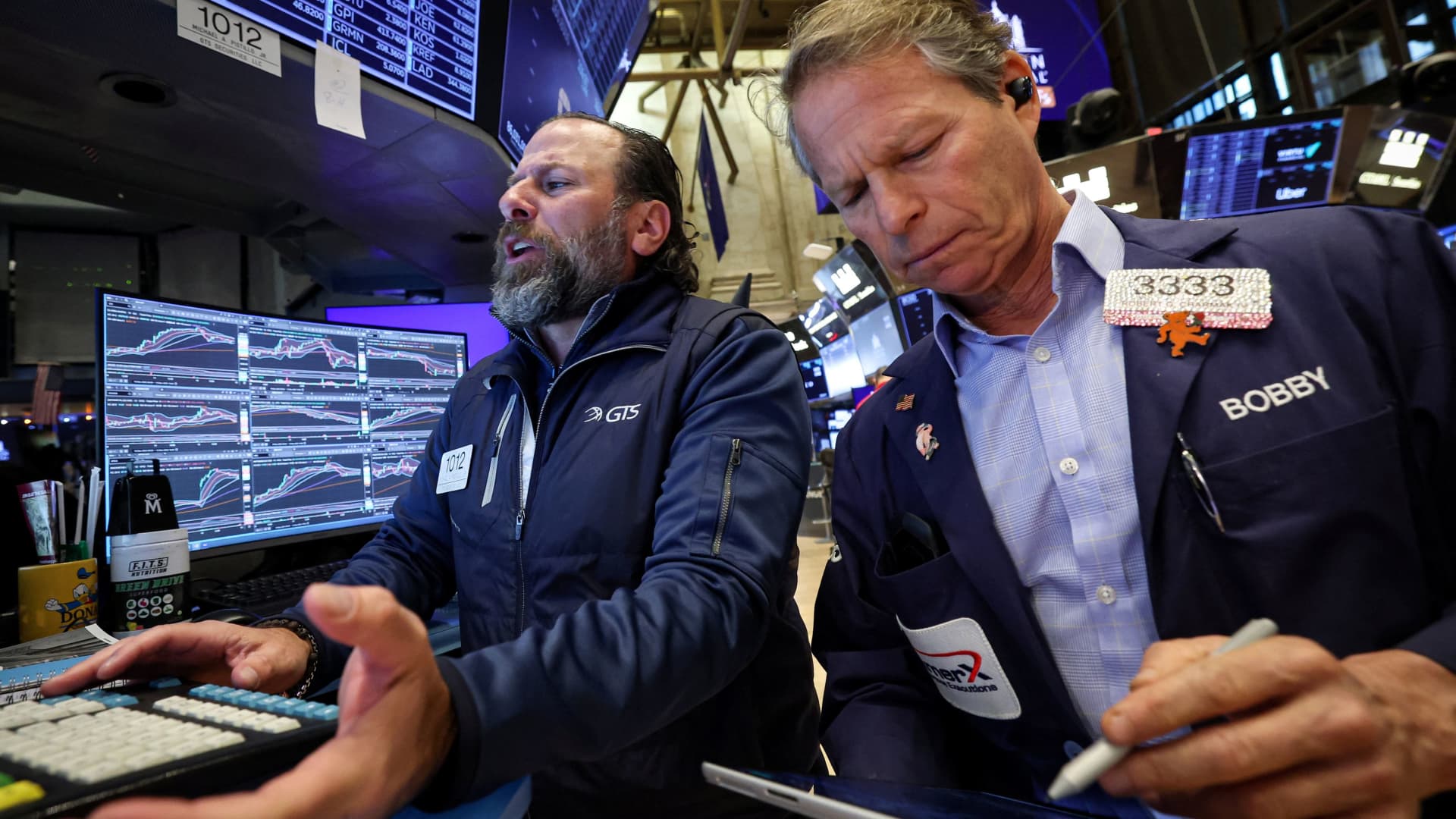
The S&P 500 and major indices experienced slight declines as AI-related stocks faced renewed pressure, with broader market concerns influenced by recent tech sector performance and upcoming economic data releases, including employment and inflation reports.
Governments worldwide face rising bond yields due to concerns over fiscal sustainability, with market pressures potentially forcing them to implement austerity measures like spending cuts and tax hikes to avoid worse economic scenarios. Historical examples show that such measures can stabilize markets and lead to budget surpluses, but current debates, especially in the U.S., highlight the ongoing challenge of balancing growth and debt reduction.
Chinese President Xi Jinping is expected to resist market pressure to increase stimulus efforts despite the country's economic slowdown, as he aims to maintain financial stability and avoid excessive debt. This approach contrasts with previous responses to economic challenges, signaling a shift in China's economic policy.
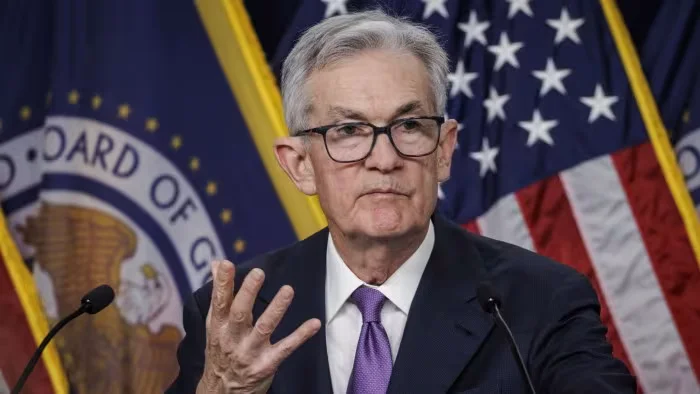
The recent decline in US CPI inflation has led to a resurgence of the belief that inflation is transitory, putting pressure on the US Federal Reserve to pursue early and significant cuts in interest rates. However, this view is misleading and fails to consider the consequential changes caused by persistently high inflation over the past two years. The characterization of inflation as transitory should be viewed through a behavioral analysis rather than a narrow time lens. The risk is that the Fed, uncomfortable with the disconnect between its forward policy guidance and market pricing, may be pressured into actions that please markets in the short term but prove inconsistent with its mandate in the long term. It is important for both markets and policymakers to recognize the significant changes that have occurred and the lasting impact of inflation on the global economy and financial markets.
Oil prices have surged by over 25% since late June as supply cuts by key OPEC+ players, including Saudi Arabia and Russia, continue to squeeze the market. Brent International topped $90 per barrel for the first time since November, while West Texas Intermediate crude hovered above $87 per barrel. Despite a slower-than-expected recovery in China's economy and increased production output by US producers, experts predict that crude oil prices will either remain stable or continue to rise due to ongoing supply cut initiatives and Saudi Arabia's need to fund internal projects. The market will closely monitor the demand outlook, particularly in China, which has significant inventories and storage capacity.