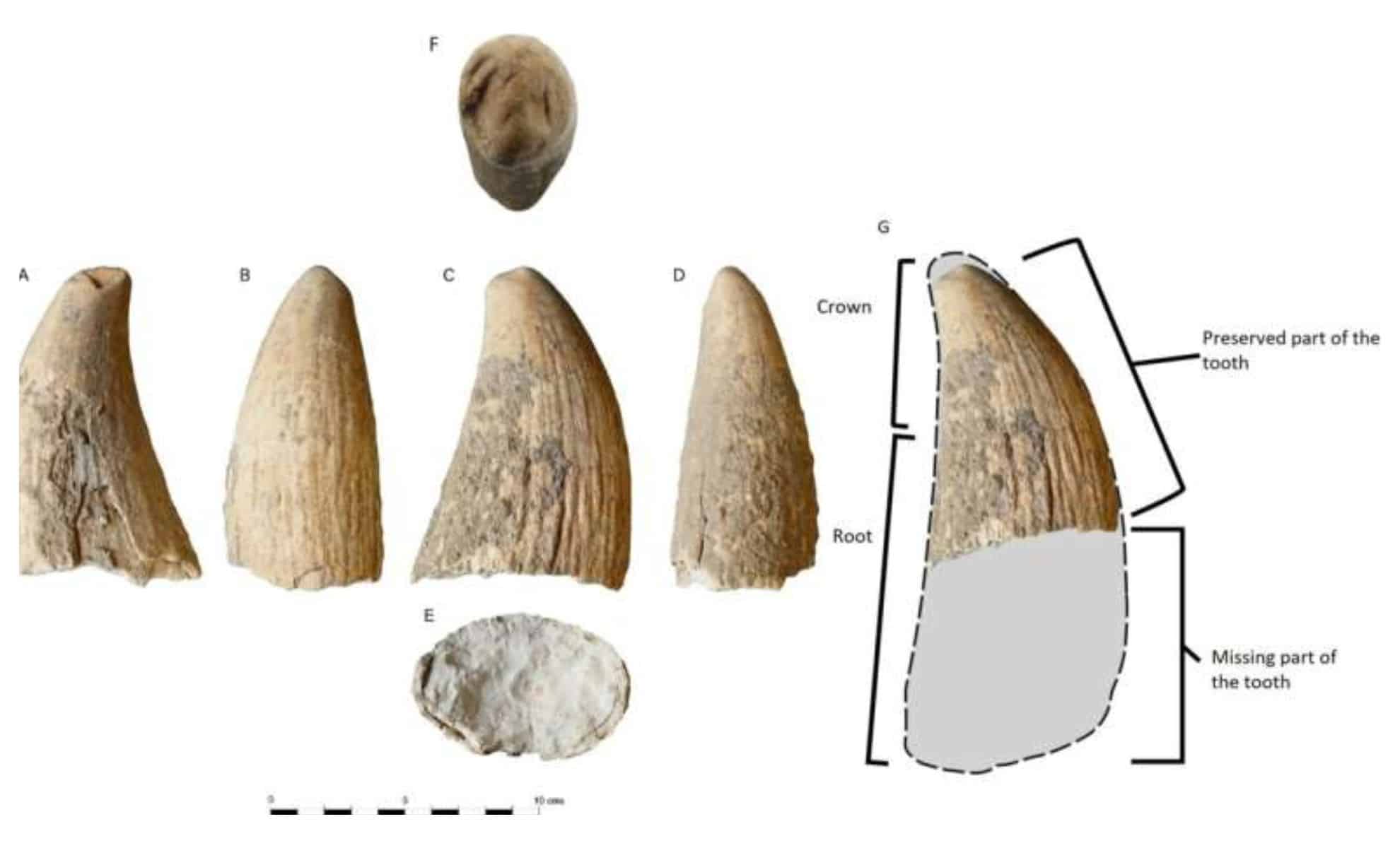
A rare sperm whale tooth found at a Copper Age site in Spain reveals early Iberian communities' interactions with the sea, highlighting their use of marine resources for symbolic and practical purposes, and providing new insights into prehistoric human-sea relationships.
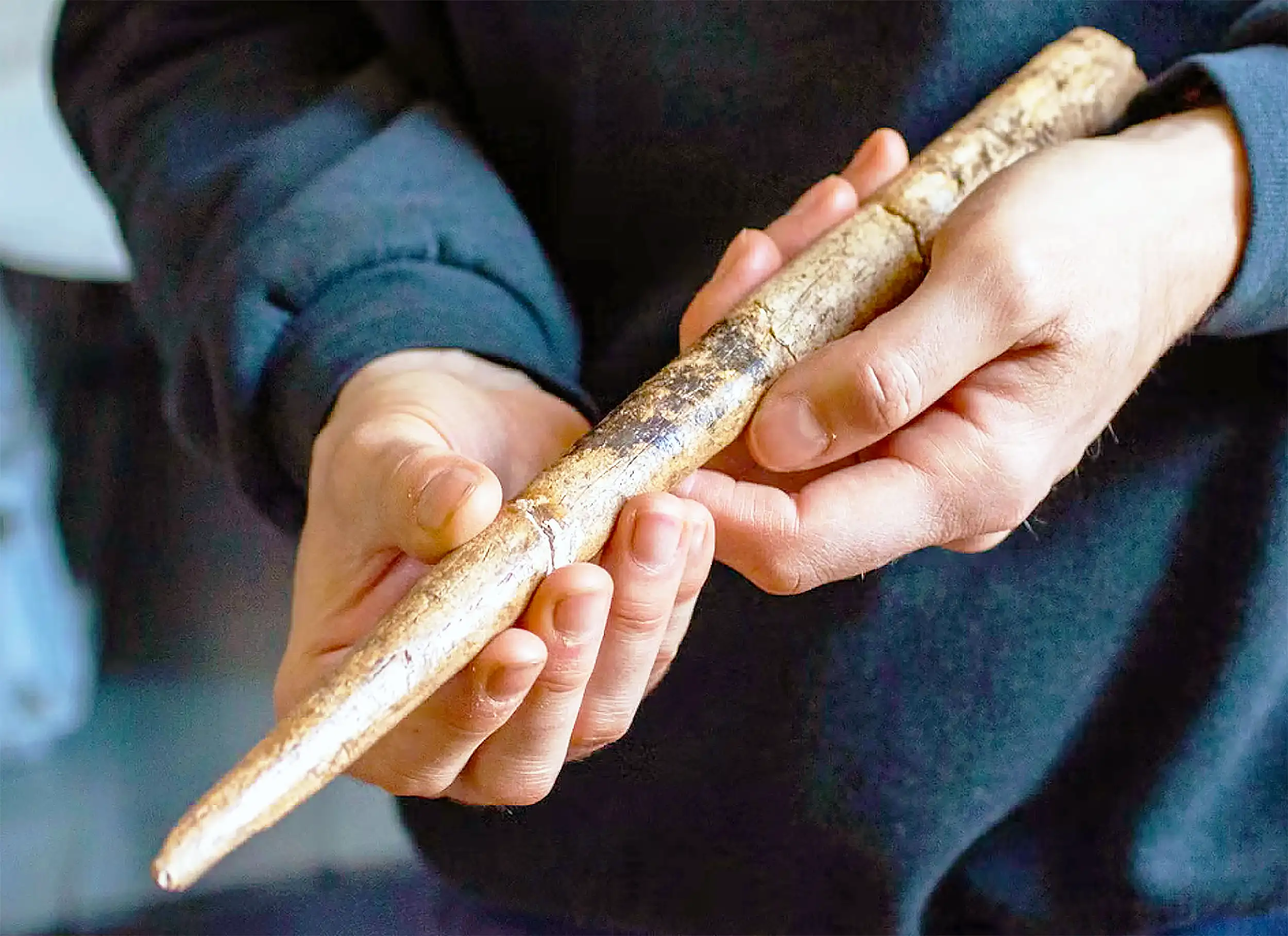
Scientists have discovered that around 20,000 years ago, early humans used whale bones to make tools and weapons, with most bones coming from sperm whales. These findings, based on bone samples from Spain and France, reveal the resourcefulness of Paleolithic coastal communities in utilizing marine resources, and highlight the ecological and cultural significance of whales in early human life.
The Biden-Harris Administration has announced a $2.6 billion framework to invest in coastal resilience through President Biden’s Investing in America Agenda. The initiative will support communities and people on the frontlines of climate change, dedicating nearly $400 million specifically for Tribal priorities and benefiting coastal and Great Lakes communities nationwide with an emphasis on environmental justice. The investment will help ensure communities, especially Tribes and vulnerable populations, have the resources and support needed to prepare, adapt and build resilience to weather and climate events as well as strengthen workforce development, marine resources, nature-based solutions, conservation, regional partnerships and Tribal priorities.