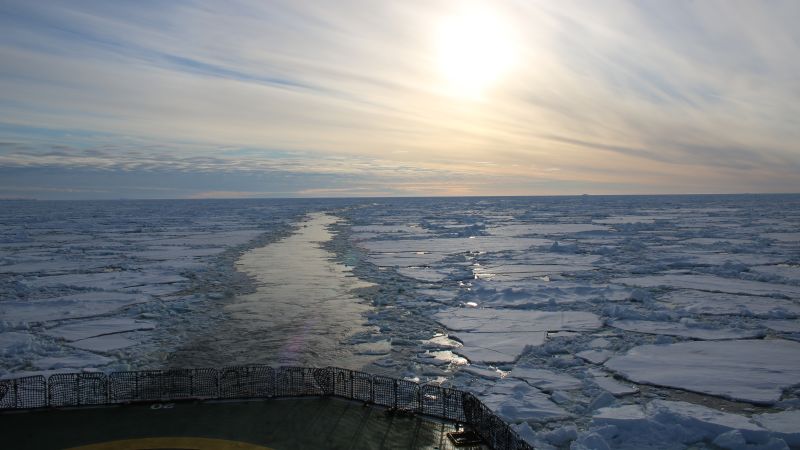
During an expedition in Antarctica's Weddell Sea, researchers discovered complex fish nesting patterns and geometric formations on the seafloor, revealing rich marine biodiversity and potential strategies for survival, despite not finding the HMS Endurance shipwreck. The findings highlight the importance of protecting this fragile ecosystem.
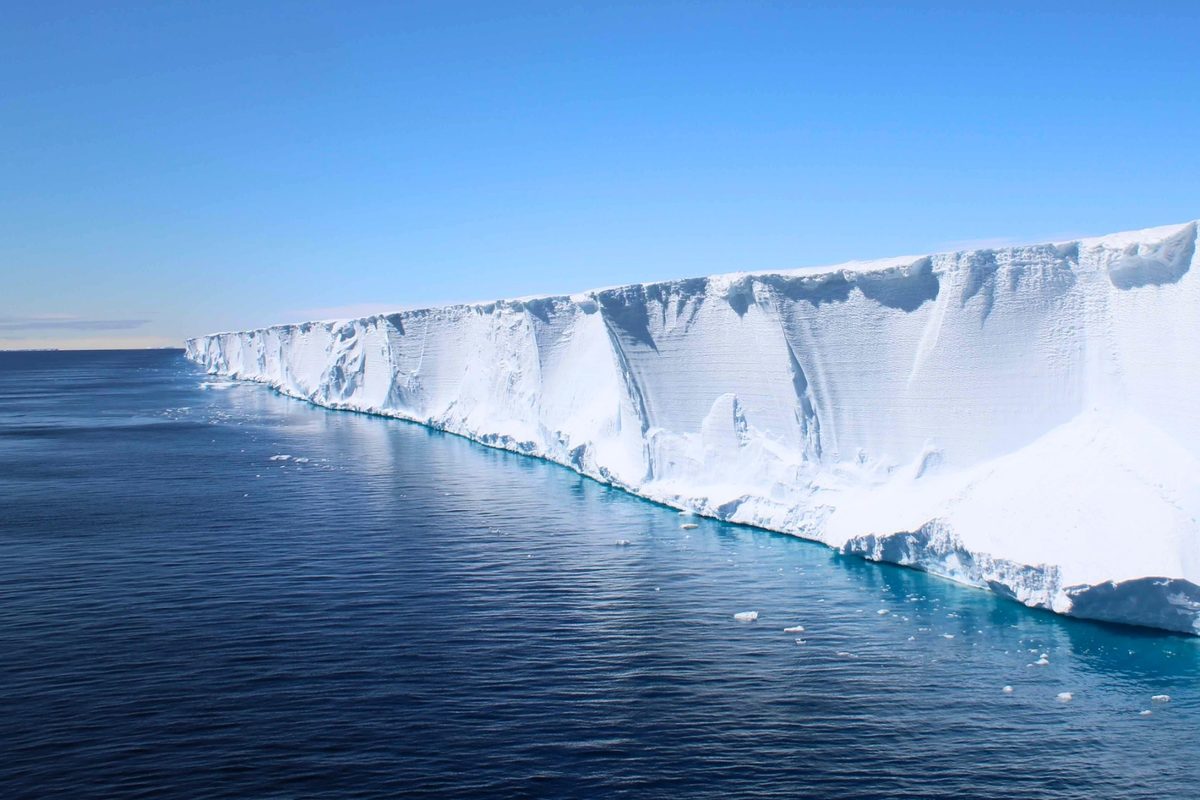
Researchers exploring the Weddell Sea in Antarctica after the calving of the A68 iceberg discovered over 1,000 icefish nests, revealing a unique ecosystem and highlighting the importance of protecting this habitat as a Marine Protected Area.
A recent study by researchers from the Helmholtz Centre for Environmental Research and the Alfred Wegener Institute has found large quantities of plastic waste and microplastics in a remote marine protected area in the Pacific Ocean, similar to those found in one of the world's largest known garbage patches. The study highlights that plastics are distributed much more widely than expected, posing a threat to the entire ocean ecosystem. The researchers call for global emissions of plastics into the ocean to be stopped as quickly as possible and advocate for the adoption of a legally binding global Plastics Treaty to address plastic pollution.
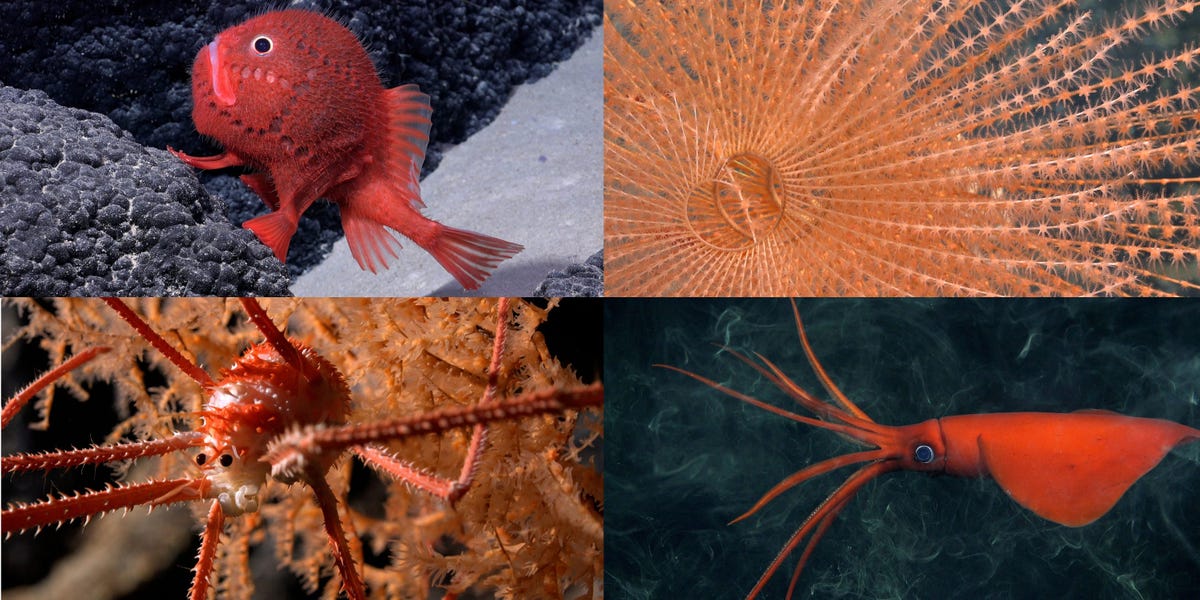
A recent ocean expedition near Chile led by the Schmidt Ocean Institute discovered over 100 potentially new marine species, including sponges, coral, crustaceans, and mollusks, while exploring seamounts along the Nazca and Salas y Gómez Ridge. The team used a remotely operated vehicle equipped with a 4K camera to capture images and collect samples nearly 3 miles below the water's surface. The researchers hope to designate the area as a marine protected area to conserve its unique ecosystem and plan to launch another expedition to explore areas nearly 2,000 feet beneath the waves.
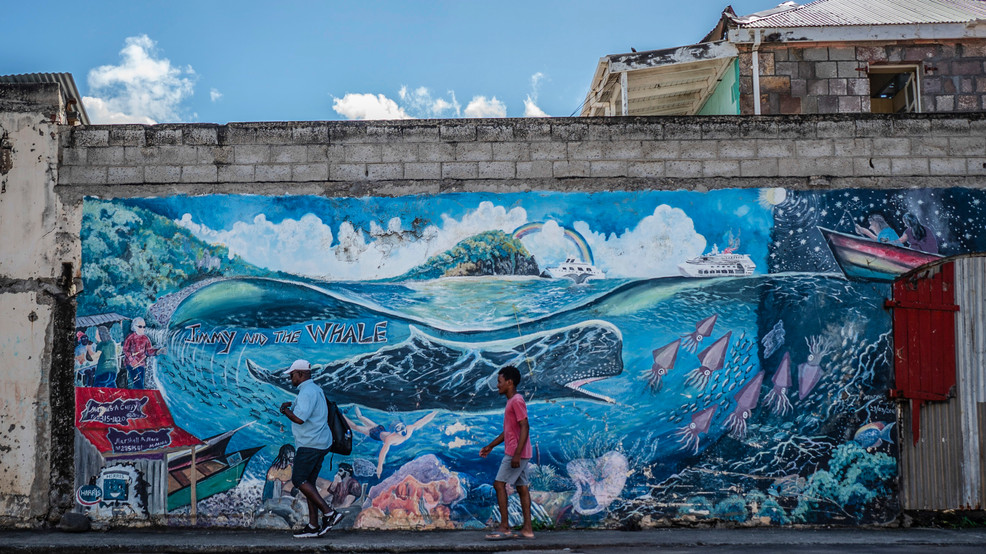
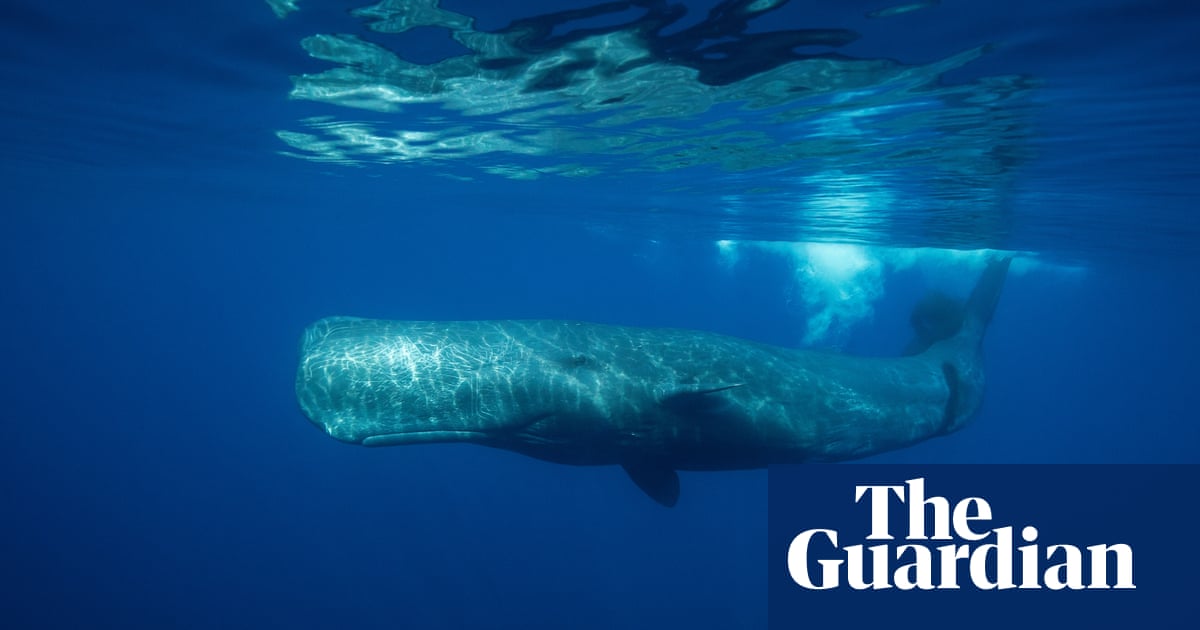
The Caribbean island of Dominica has announced the creation of the world's first marine protected area for endangered sperm whales. Covering nearly 300 square miles, the reserve aims to safeguard the key nursing and feeding grounds of the sperm whales, which also play a role in fighting climate change. Sperm whales defecate near the surface, releasing nutrient-rich poop that creates plankton blooms, capturing carbon dioxide from the atmosphere. With less than 500 sperm whales estimated to live in the waters surrounding Dominica, the reserve will help protect the species from threats such as ship strikes and entanglement in fishing gear. Visitors will still be able to swim with and observe the whales, but in limited numbers.
Dominica is creating the world's first marine protected area for sperm whales, designating nearly 300 sq miles of waters as a reserve to protect the endangered species and fight the climate crisis. Sperm whales in Dominica defecate near the surface, creating nutrient-rich poop that leads to plankton blooms, capturing carbon dioxide. The reserve aims to ensure the safety of these majestic animals and maintain a healthy marine ecosystem. The move was praised by scientists and conservationists, highlighting Dominica's commitment to protecting its natural resources.