The US dollar declined to a three-year low amid weak manufacturing data and concerns over debt sustainability, while US bonds faced pressure and metals prices surged following increased tariffs on steel and aluminium imports.
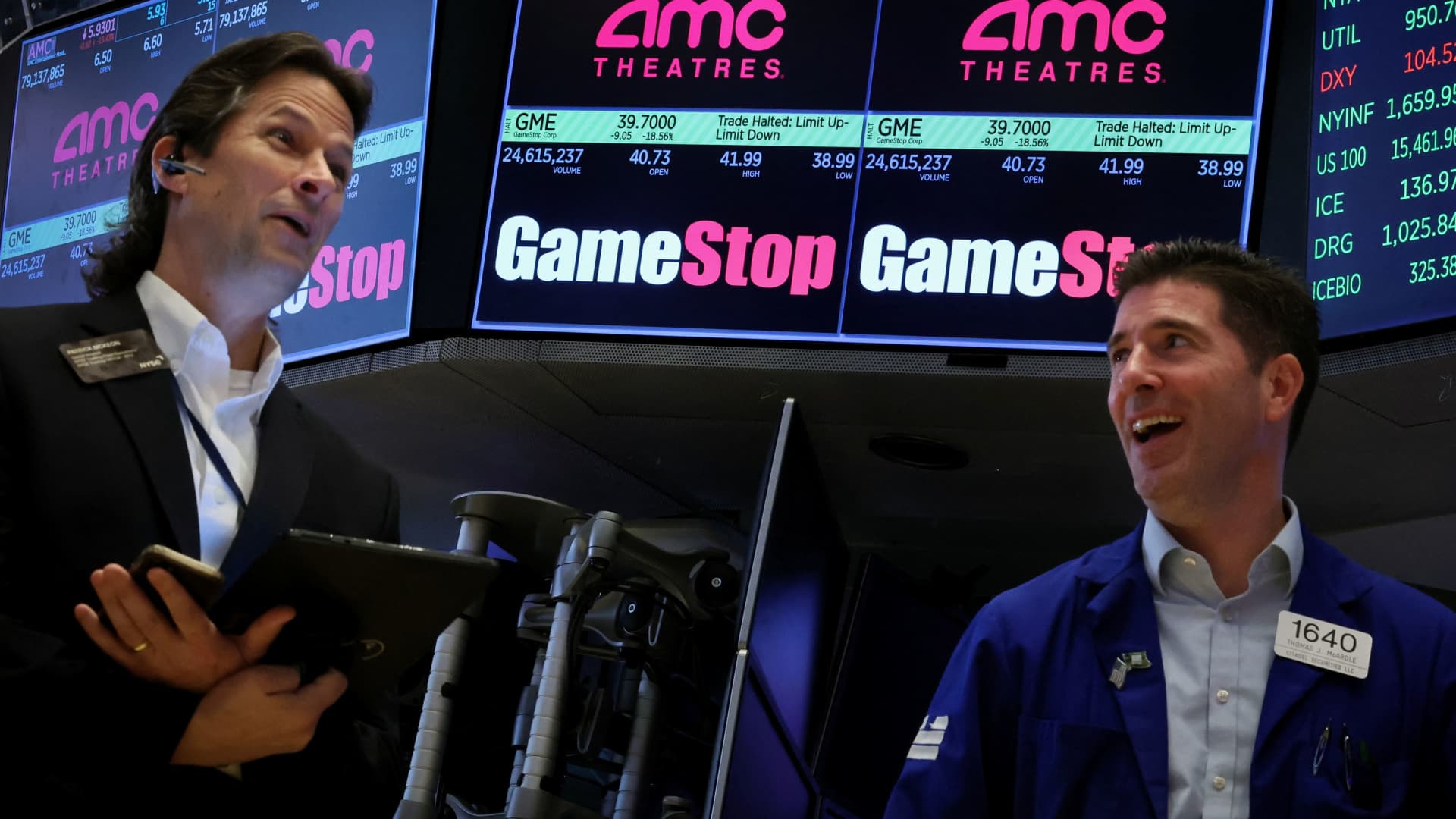
The Dow Jones Industrial Average fell over 100 points due to weak manufacturing data, while the S&P 500 and Nasdaq Composite saw modest gains. GameStop shares surged 21% amid meme stock activity. Nvidia's stock rose nearly 5% after announcing new AI chips. Microsoft announced layoffs in its mixed reality division. Additionally, Moderna and Merck reported positive results for their experimental skin cancer vaccine, and Paramount and Skydance agreed to merger terms valued at $8 billion.
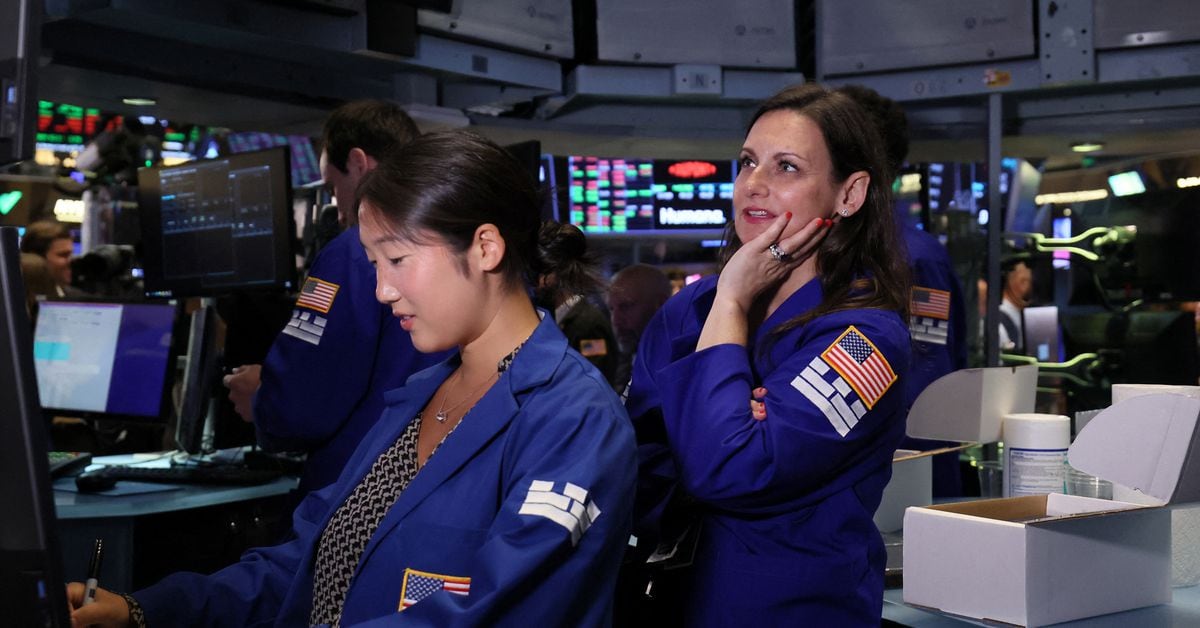
US stocks fell on Monday due to weak manufacturing data, with the Dow Jones dropping nearly 400 points. GameStop shares surged over 100% at one point after a Reddit post by "Roaring Kitty" revealed a significant investment, sparking speculation of a meme stock rally. Bond yields also declined, and oil prices dropped following OPEC+'s production cut extension.
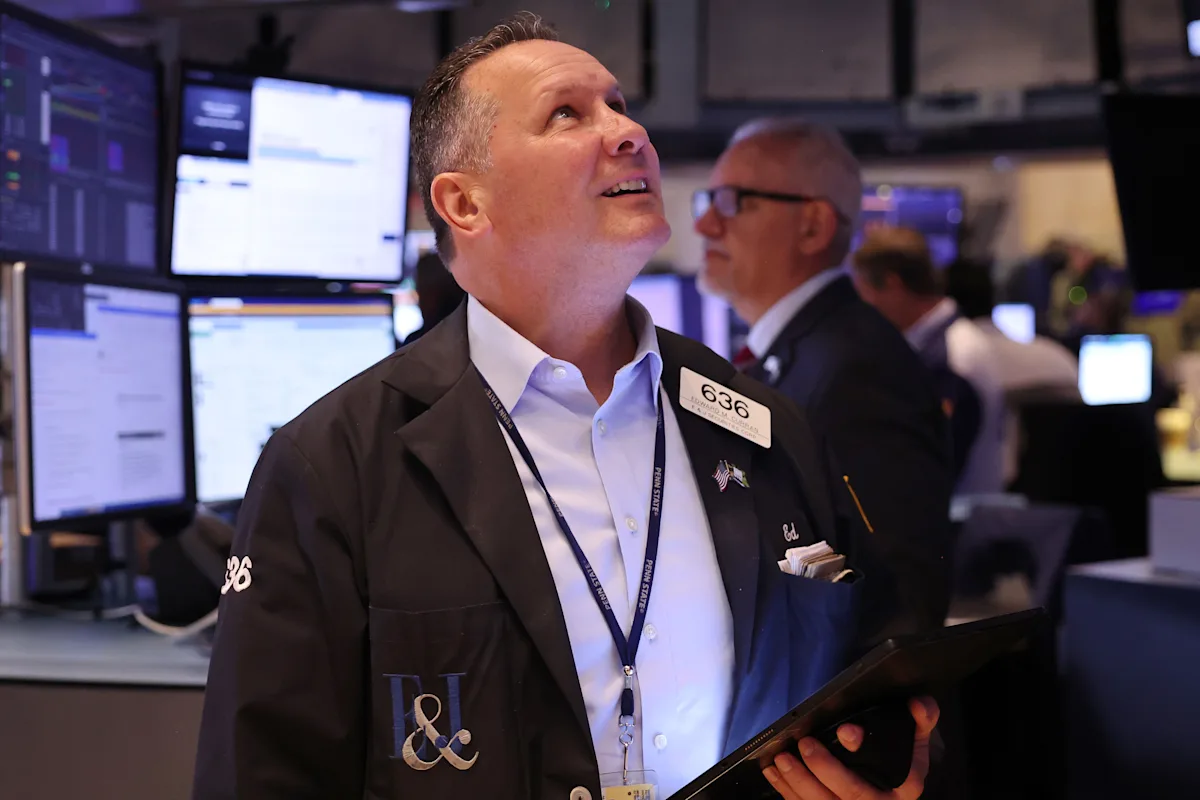
US stocks fell on Monday due to weak manufacturing data, with the Nasdaq down 0.2%, the S&P 500 down 0.5%, and the Dow Jones down 1%. Bond yields also dropped, with the 10-year Treasury yield falling to 4.41%. GameStop shares surged over 100% at one point after a Reddit post by "Roaring Kitty" revealed a significant investment, sparking speculation of a meme stock rally. Oil prices fell as OPEC+ extended production cuts, and a technical glitch on the NYSE caused temporary volatility halts.
US stocks fell on Monday due to weak manufacturing data, with the Nasdaq Composite down 0.2%, the S&P 500 down 0.5%, and the Dow Jones Industrial Average dropping 1%. Bond yields also declined, with the 10-year Treasury yield falling to 4.41%. GameStop shares surged over 100% at one point after a Reddit post by Keith Gill, aka "Roaring Kitty," revealed a significant investment, sparking speculation of a meme stock rally. The NYSE experienced technical issues causing volatility halts, and Spotify announced another round of subscription price hikes.
The U.S. 2-year Treasury yield approached 5% after stronger-than-expected manufacturing data, with the 10-year Treasury yield also rising. The Philadelphia Federal Reserve's manufacturing survey showed a significant increase, particularly in the prices paid index. Uncertainty around potential interest rate cuts persists, with comments from Fed Chairman Jerome Powell indicating a lack of confidence in inflation returning to the target range this year. Expectations for the timing of the first rate cut have shifted since higher-than-expected consumer price index data earlier this month.
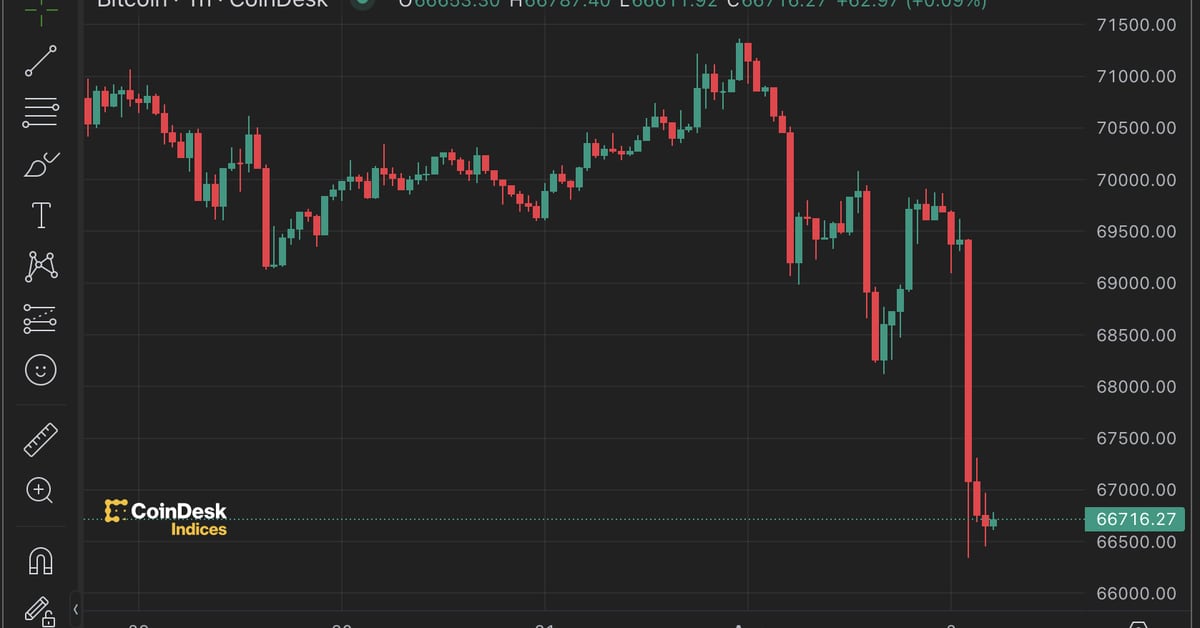
Bitcoin dropped over 5% to below $66,500 as upbeat U.S. factory data boosted the dollar index to a nearly 5-month high, causing selling pressure on the cryptocurrency. The unexpected expansion in U.S. manufacturing activity in March reduced the probability of a June Fed rate cut, leading to a 4% decline in Bitcoin's value. The broader crypto market also experienced losses, with the dollar's strength making dollar-denominated assets like Bitcoin more expensive. Analysts are divided on the impact of the manufacturing data on Fed rate cuts, with some expecting rapid rate cuts due to fiscal debt, while others anticipate continued volatility in the crypto market amid upcoming job reports and the Bitcoin blockchain's mining reward halving later this month.
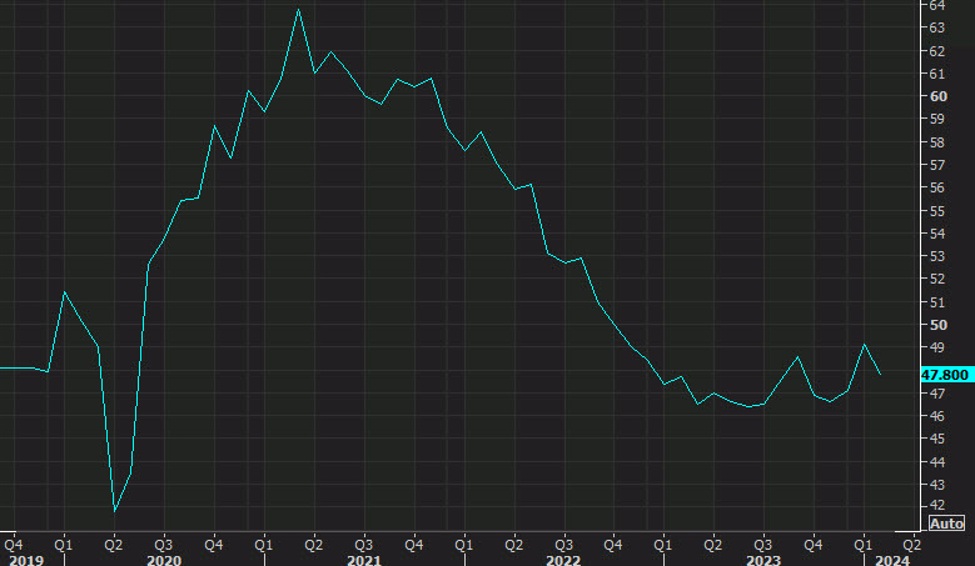
The Dow and S&P 500 closed lower as stronger-than-expected manufacturing data raised concerns about the timing of Federal Reserve interest rate cuts, leading to higher Treasury yields. The Nasdaq edged higher, with chip stocks advancing, while AT&T shares slipped after the company reported a data leak. The Institute for Supply Management's manufacturing PMI increased to 50.3 in March, signaling a potential recovery in the manufacturing sector. The U.S. rate futures market indicated a reduced probability of a rate cut in June, and investors await further clarity from Fed officials and the upcoming monthly jobs report.
The US March ISM manufacturing data came in at 50.3, surpassing the expected 48.4, with notable improvements in prices paid, employment, new orders, inventories, and production. The report reflects strong demand and a robust order pipeline, with some sectors anticipating growth in the second quarter despite supply chain challenges. The dollar strengthened in response to the positive report, and US 10-year yields also rose, indicating market optimism.
The S&P 500 closed at a new high, with Bank of America predicting it could reach 5,000 by the end of 2024 due to reduced macro uncertainty and the Federal Reserve's efforts to control inflation. Deutsche Bank maintained a buy rating for NIO Inc. but lowered its price target, while the Nasdaq Composite saw gains from PDD Holdings, Workday, Crowdstrike, Palo Alto Networks, and Lululemon Athletica. Manufacturing data showed a slowdown, raising concerns about an economic slowdown in 2024. Oil prices fell due to skepticism over OPEC+ production cuts, and 24 S&P 500 stocks hit new all-time highs. Wendy's stock rose on news of potential activist activity, and Altimmune shares surged on positive obesity drug trial data. The Dow outperformed this week, led by Salesforce, Boeing, and American Express. Federal Reserve Chairman Jerome Powell stated that rate cuts are premature and more hikes could come. Morgan Stanley warned of earnings headwinds, and stock futures opened slightly lower.
Asian stocks closed their strongest month since January, with the MSCI Asia-ex-Japan stocks index up 6.9% in November. Investor sentiment was boosted by a positive global interest rates outlook and signs of economic recovery. Despite weak manufacturing data, China's benchmark CSI300 Index rose, while South Korea's KOSPI led the rally in Asia. The Hang Seng Index in Hong Kong and European and US futures also saw gains. The market is anticipating a pause in the raising cycle of central banks due to inflation prints and bond markets, and there are expectations of rate cuts as early as the first quarter of 2024.
Oil prices dropped over 1% as weak global manufacturing data raised concerns about the health of the global economy. Japan reported shrinking factory activity for the third consecutive month, while Eurozone business activity declined more than expected, particularly in Germany. The UK's economy is at risk of falling into recession. The upcoming annual meeting of central bankers at Jackson Hole, Wyoming, is expected to provide hints on the outlook for interest rates. Crude stocks in the US continued to fall, but the smaller draw than expected raised concerns about lower oil demand.
Wall Street's main indexes declined as investors evaluated mixed earnings reports and absorbed data showing a greater-than-expected slowdown in manufacturing activity in July. Caterpillar's strong second-quarter profit results helped limit losses on the Dow, while Uber's missed revenue expectations led to a 5.4% drop in its stock. Pharmaceutical companies Pfizer and Merck also faced challenges, with Pfizer falling short of revenue expectations and Merck posting a smaller-than-expected loss. The overall decline in second-quarter earnings is now estimated at 5.9% compared to a year earlier. The market is also considering the possibility of a recession versus a soft landing and its implications for rate cuts.
Oil prices fell sharply on Monday after the manufacturing sector contracted for the fifth straight month in April, ending a 30-month period of expansion. Brent crude was down 1.8% to $79.15 per barrel, while WTI crude lost 2.1% to trade at $75.20 per barrel. The US dollar has been rising against a basket of currencies over the past week, making oil more expensive for other currency holders. Energy stocks have also started losing their luster, with the Energy SPDR losing $739m last week.
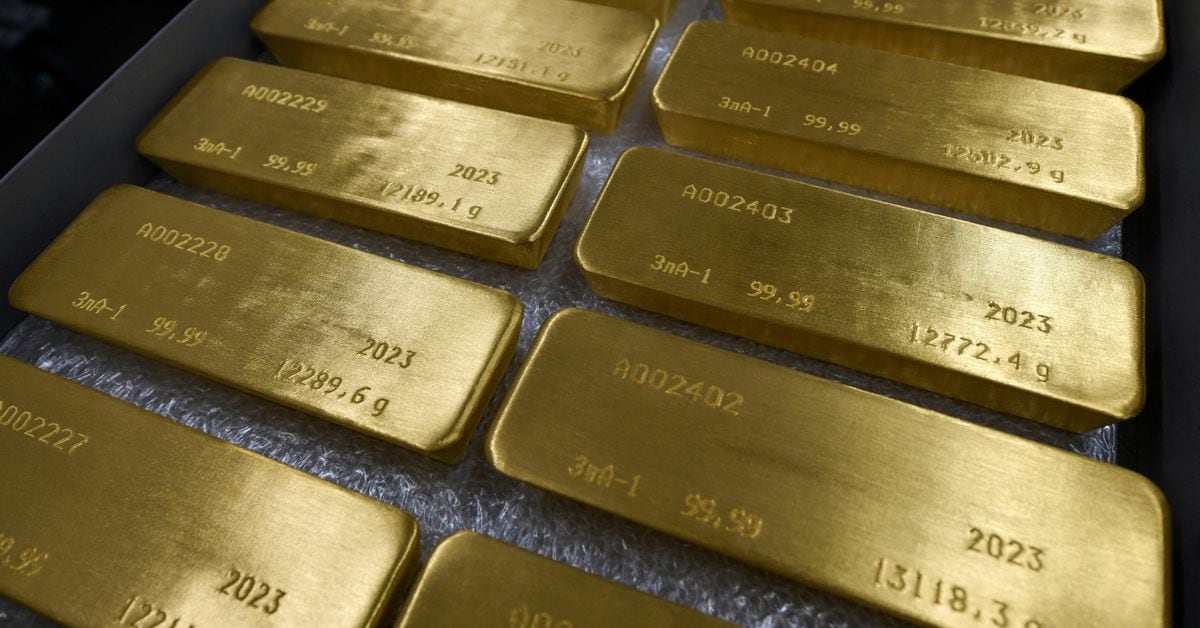
Gold prices fell by 0.3% to $1,983.29 per ounce as the US dollar rose following better-than-expected US manufacturing data, while investors await the Federal Reserve's rate hike decision this week. The Federal Open Market Committee (FOMC) is expected to raise interest rates by 25 basis points, and investors will focus on Fed Chair Jerome Powell's press conference to assess if the commentary pushes back market expectations of rate cuts before the year-end.