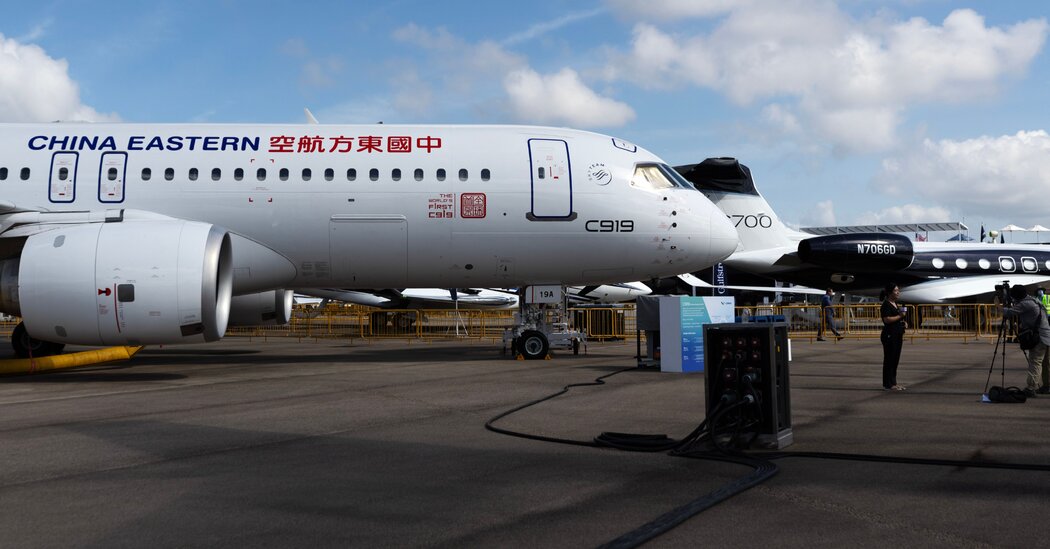
President Trump has imposed restrictions on the export of American aerospace technology to China, targeting the Chinese C919 jet, which is a symbol of China's ambitions in civil aviation. The C919, heavily reliant on Western technology, faces challenges due to delays and geopolitical tensions, reflecting broader concerns over technology transfer and national security.
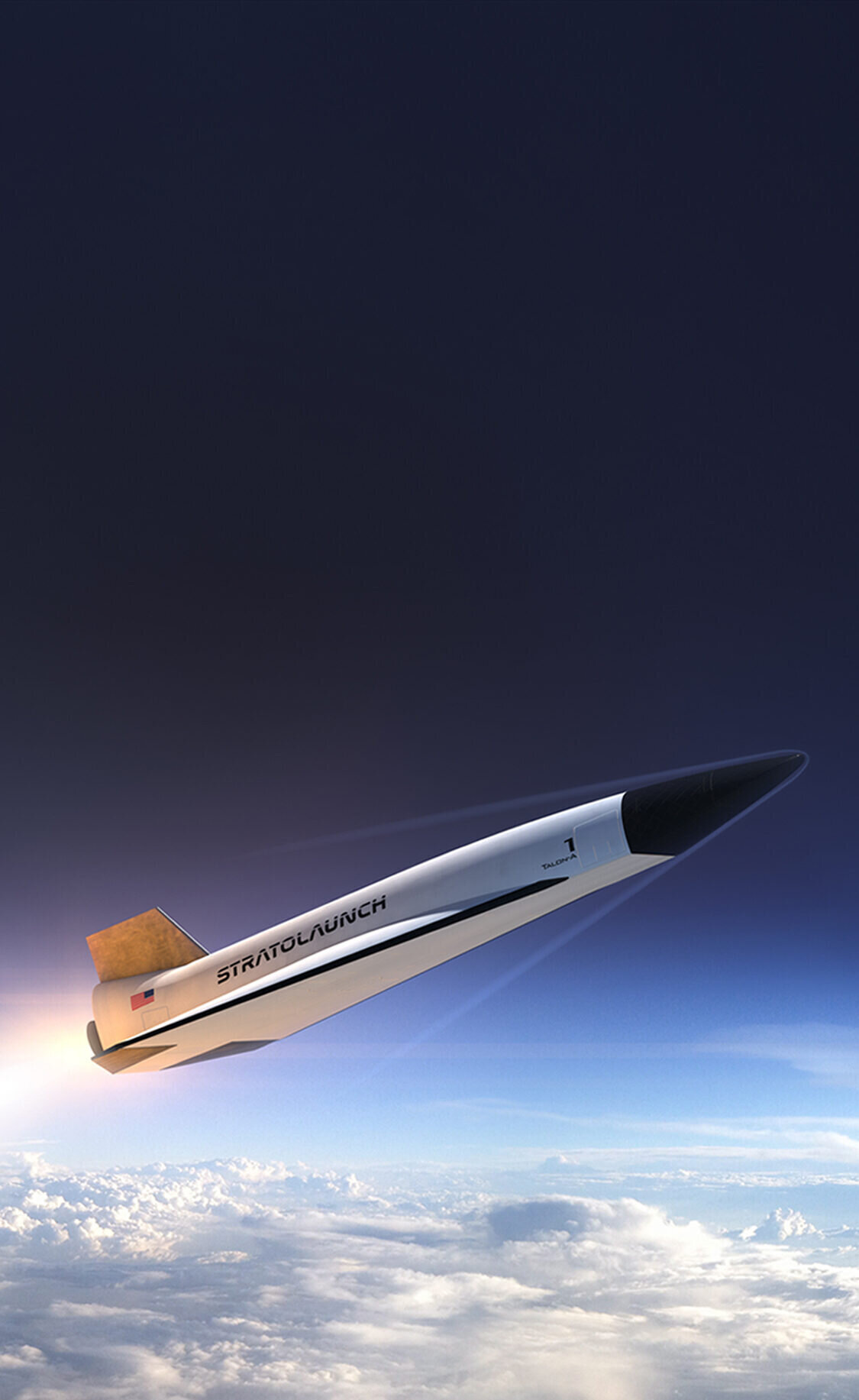
Stratolaunch successfully conducted the first powered test flight of a new unmanned hypersonic research craft, the Talon-A-1, off the coast of California. The vehicle reached high supersonic speeds approaching Mach 5 and collected valuable data, marking a major milestone in the development of privately funded, reusable hypersonic test capability. The massive carrier aircraft, Roc, released the Talon, which was powered by a liquid-fuel rocket engine and ended its flight with a controlled descent into the ocean. Stratolaunch aims to develop a reusable version capable of landing on a runway for future use in hypersonic research.
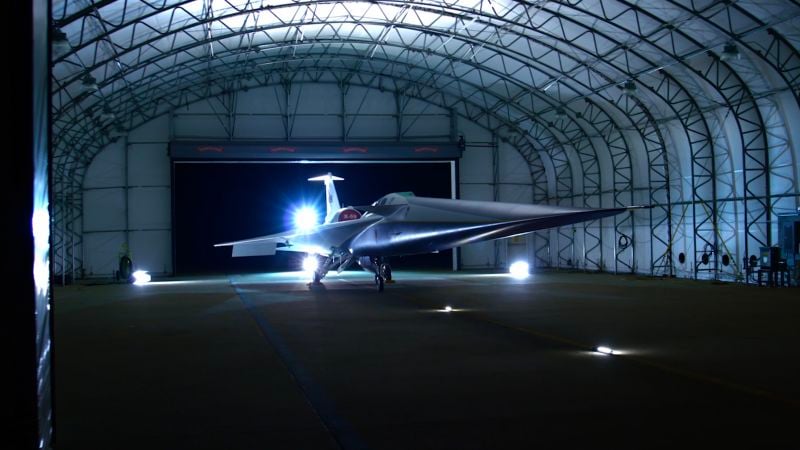
Lockheed Martin has developed a "quiet" supersonic plane for NASA that aims to reduce the disruptive noise of sonic booms, potentially paving the way for accessible supersonic air travel and cutting cross-country travel time in half.
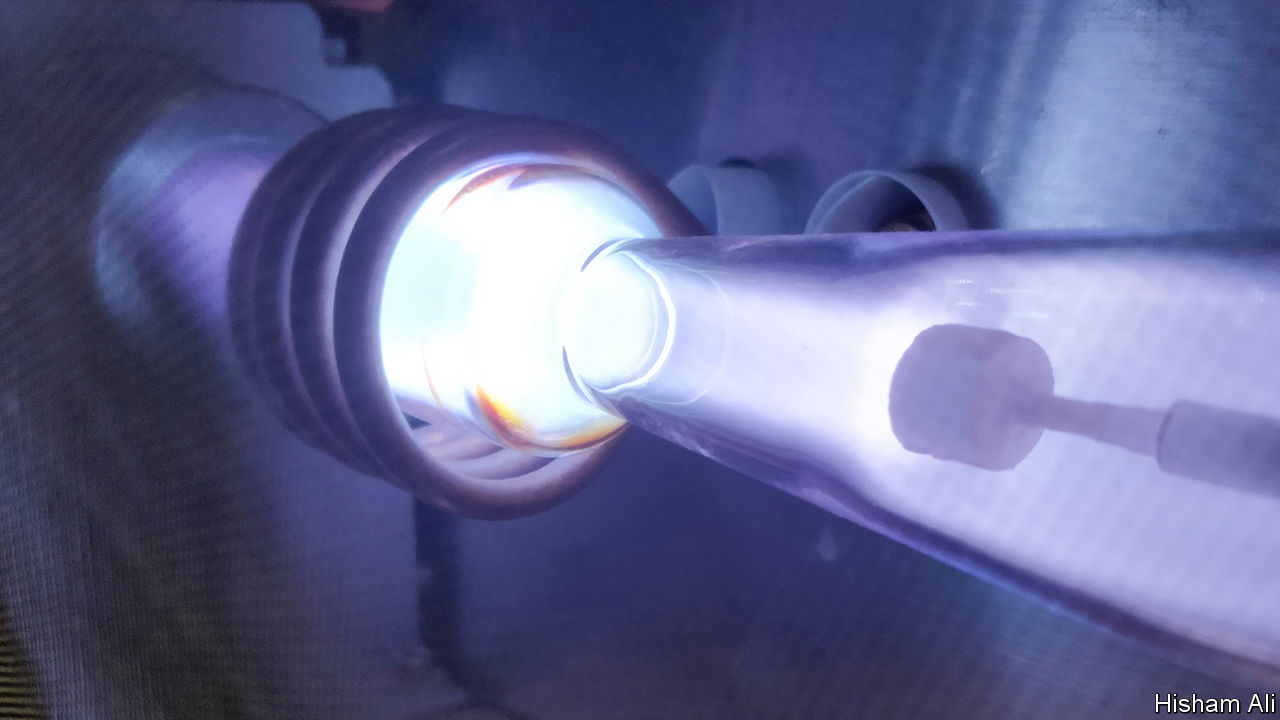
Researchers are exploring the challenges of steering hypersonic planes, which travel at more than five times the speed of sound, through plasma using magnetohydrodynamics to manipulate the flow pattern of electrically charged particles. Conventional control surfaces are not viable due to the forces and heat involved, prompting the need for a different approach. Dr. Hisham Ali and his team are building a plasma wind tunnel to test these ideas, with potential applications in spacecraft deceleration and military missile guidance. The feasibility of hypersonic passenger flight remains uncertain, but the research represents a step towards this possibility.
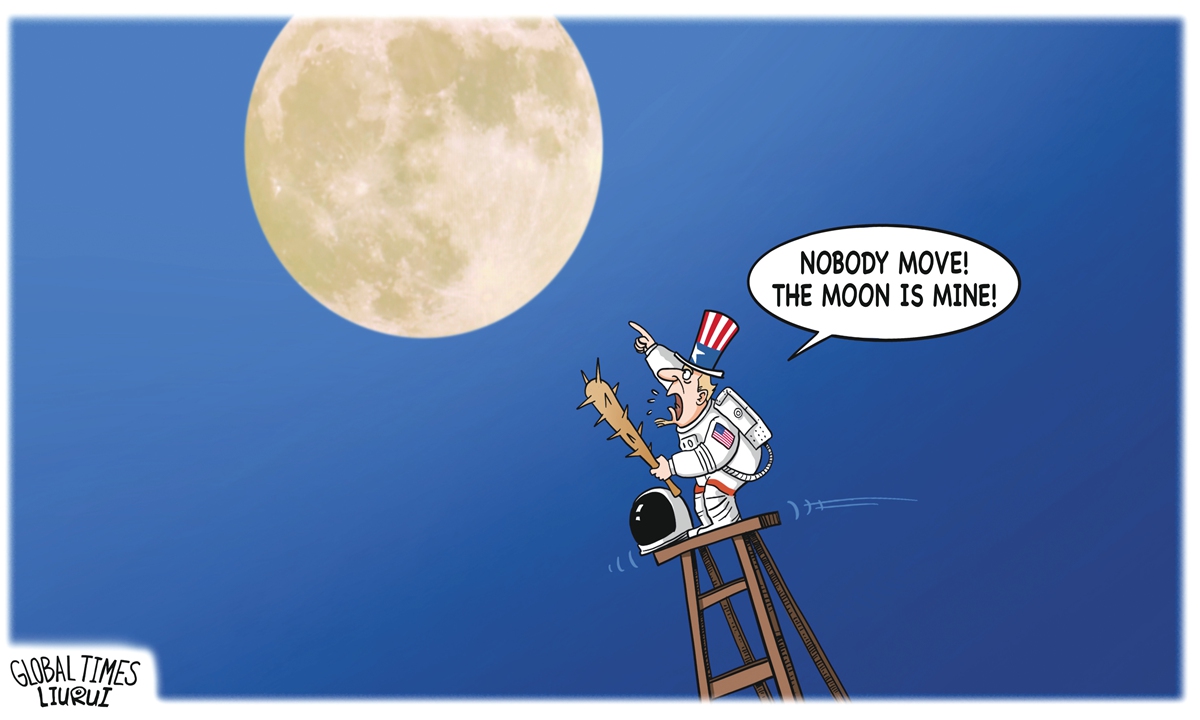
China has no interest in participating in the "space race" envisioned by the US, emphasizing peaceful utilization, equal mutual benefit, and inclusive development in its aerospace technology. The US' renewed steps toward the moon are seen as mixed with interests and a competitive mentality, with concerns raised about its impure intentions in landing on the moon. The US and its allies aim to win the "space race" and lead a "rules-based international order" in outer space, while China has been promoting international space communication and cooperation, leading by example in its development of aerospace technology.