Multiple lawsuits have been filed against the Education Department over a controversial loan forgiveness rule, with plaintiffs arguing it violates the Higher Education Act and First Amendment rights, while the department defends the rule as a neutral enforcement against misuse of taxpayer funds.
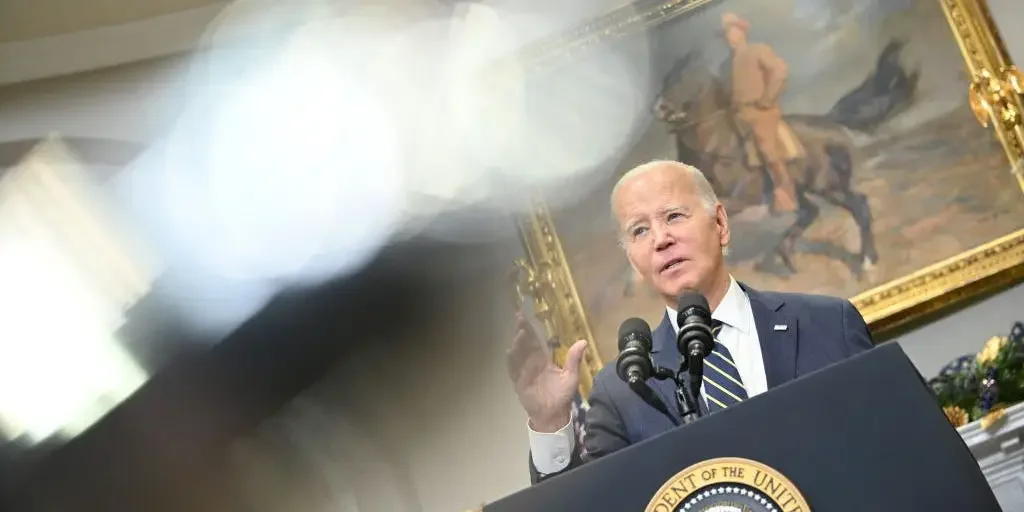
President Biden has unveiled a new student loan forgiveness plan that could benefit about 30 million borrowers, using the Higher Education Act to provide debt relief. The plan targets 5 major groups of borrowers, including those in repayment for 20 years or more, attendees of low-value programs, and those experiencing hardship in repayment. The Education Department plans to release a formal proposal in the coming months, with potential early implementation, but the plan may face legal challenges from conservative opponents.
President Biden's administration has unveiled a new plan to provide relief to student loan borrowers, aiming to reduce or eliminate debt balances for millions of individuals. The plan includes forgiving excessive interest, discharging long-term balances, and providing relief for attendees of low-value programs, among other provisions. Up to 25 million borrowers could benefit from the proposed measures, which are expected to roll out in the coming months pending a public comment period.
President Biden has unveiled a new student loan forgiveness plan that aims to reduce or eliminate federal student loan balances for millions of borrowers. The plan includes measures to eliminate accrued interest, automatically cancel loans for eligible borrowers, and provide relief for those facing hardships. The majority of Americans with federally held student loans will qualify for some level of relief under the new plan, which differs from the previous plan rejected by the Supreme Court. This time, the Biden administration is anchoring the plan with authority in the 1965 Higher Education Act, aiming to address specific circumstances within the scope of the law.
President Joe Biden is set to unveil a new plan to broaden student loan relief for specific categories of borrowers, nearly a year after the Supreme Court blocked his initial attempt to cancel debt for millions of college attendees. The plan, to be announced on April 8 in Madison, Wisconsin, aims to expand federal student loan relief through the Higher Education Act and is expected to be smaller and more targeted than the previous $400 billion proposal. The new plan includes categories such as resetting balances for those with snowballed interest, erasing remaining debt for long-term borrowers, and automatic loan cancellation for certain groups. This effort is part of the administration's broader initiatives to alleviate student loan debt, with previous targeted initiatives having already canceled $144 billion in student loans for almost 4 million Americans.
President Biden is expected to announce a new student loan forgiveness program during his visit to Madison, nearly a year after his initial attempt was struck down by the U.S. Supreme Court. The new program, to be unveiled next week, will be smaller and targeted towards specific types of borrowers, relying on the Higher Education Act for legal standing. This comes as student loan relief remains a top issue for younger voters, with Wisconsin's 700,600 borrowers holding $21.4 billion in federal student loan debt.
President Joe Biden is set to unveil a new plan to broaden student loan relief for specific categories of borrowers, nearly a year after the Supreme Court rejected his initial $400 billion proposal. The plan, to be announced in Wisconsin, aims to expand federal student loan relief through the Higher Education Act and is expected to be smaller and more targeted than the previous proposal. It includes categories such as resetting balances for those with snowballing interest, erasing remaining debt for long-term payers, and automatic loan cancellation for certain groups. The plan is part of the administration's efforts to provide relief to those with the greatest need and follows targeted initiatives that have already canceled $144 billion in student loans for almost 4 million Americans.
The Biden administration is preparing to unveil a revised student loan forgiveness plan targeting specific groups of borrowers, following the Supreme Court's rejection of its initial $400 billion proposal. The new plan is narrower and relies on the Higher Education Act for legal justification, in contrast to the previous attempt which used the Heroes Act of 2003. By utilizing the rulemaking process, the administration hopes to navigate legal challenges and provide relief to borrowers, with the proposal expected to be made public in the coming weeks.
Eleven Republican-led states have filed a lawsuit to overturn President Biden’s new student loan repayment plan, arguing that the program, known as Save, is an overreach of presidential authority and will cost taxpayers billions of dollars. The plan, which provides lower monthly payments and faster loan cancellation, has already erased the balances of over 150,000 borrowers. The states allege that the plan goes beyond the authority granted by the Higher Education Act and is similar to a previous forgiveness plan that was struck down by the Supreme Court. The Biden administration is committed to providing relief to borrowers, while conservatives argue that broad debt relief is unfair to taxpayers.
Negotiations for President Biden's second attempt at student loan forgiveness have concluded, but there is disagreement among the negotiators regarding the relief provisions proposed by the Education Department. Some sticking points include the department's proposed cap of $20,000 on relief for borrowers with balances greater than their original loan amount and the exclusion of a relief category for borrowers experiencing hardship. While the negotiators hope for broader debt cancellation, the department has not yet commented on whether it will add another session to discuss relief for borrowers with hardship. Democratic lawmakers, including Sen. Elizabeth Warren and Rep. Ayanna Pressley, have urged the Education Department to consider broader relief and remove the $20,000 cap.
The Biden administration is working on a new debt relief program aimed at helping borrowers who need it the most after the Supreme Court rejected their initial plan to cancel student debt. The Education Department held a public hearing to begin the process of crafting new regulations under the Higher Education Act. Details about the structure of the new program have not been provided, and it remains uncertain if borrowers promised relief under the first program will still be eligible. The undersecretary of education emphasized the need to address unaffordable debts and structural issues in higher education financing, acknowledging that the regulatory process will take several months.
The Biden administration announced that it will forgive the student loans of over 800,000 borrowers, totaling $39 billion in debt. This move comes after a Supreme Court rejection of a broader plan to forgive $400 billion in federal student loan debt. Critics argue that the administration is abusing its authority and burdening taxpayers with unpaid debt, while supporters argue that this action aligns with existing congressional authority over income-driven repayment plans. The announcement aims to fix past administrative failures and ensure borrowers receive the forgiveness they deserve.
President Joe Biden plans to pursue an alternate legal pathway to large-scale student debt cancellation after the Supreme Court struck down his initial plan. The administration will use its powers under the Higher Education Act to seek debt relief, a route that many progressives favored. The HEA grants the Secretary of Education the power to "compromise, waive, or release" claims against student borrowers, potentially allowing for mass cancellation of debt. The new plan benefits from its lack of connection to the pandemic and may avoid the "major questions" trap that doomed the previous program. However, the success of this plan is uncertain, as it still faces potential legal challenges and the clock is ticking to wrap up the program within the next two and a half years.
The Supreme Court struck down President Biden's student loan forgiveness plan, but the administration is now working on a new student loan repayment plan under the Higher Education Act. The new plan, called the Saving on a Valuable Education (SAVE) plan, aims to reduce borrowers' monthly payments to zero dollars, cut payments in half, or save at least $1,000 a year. The administration also announced an "on-ramp" repayment program to prevent financially vulnerable borrowers from facing delinquency or default. While the plan is part of a long-term rulemaking process, the Biden administration remains committed to providing relief to student loan borrowers.
President Biden is proposing to use the "compromise and settlement authority" under the Higher Education Act of 1965 to cancel student loan debt after losing a Supreme Court lawsuit over his previous plan. The administration aims to give the Education Department the power to "enforce, pay, compromise, waive or release" debt, potentially offering relief to eligible borrowers. The process is expected to take several months, and the details of who would qualify for debt cancellation remain unclear. While the Supreme Court may scrutinize the breadth of this authority, Biden's administration may narrow eligibility to borrowers in default or those who may be difficult to collect from.