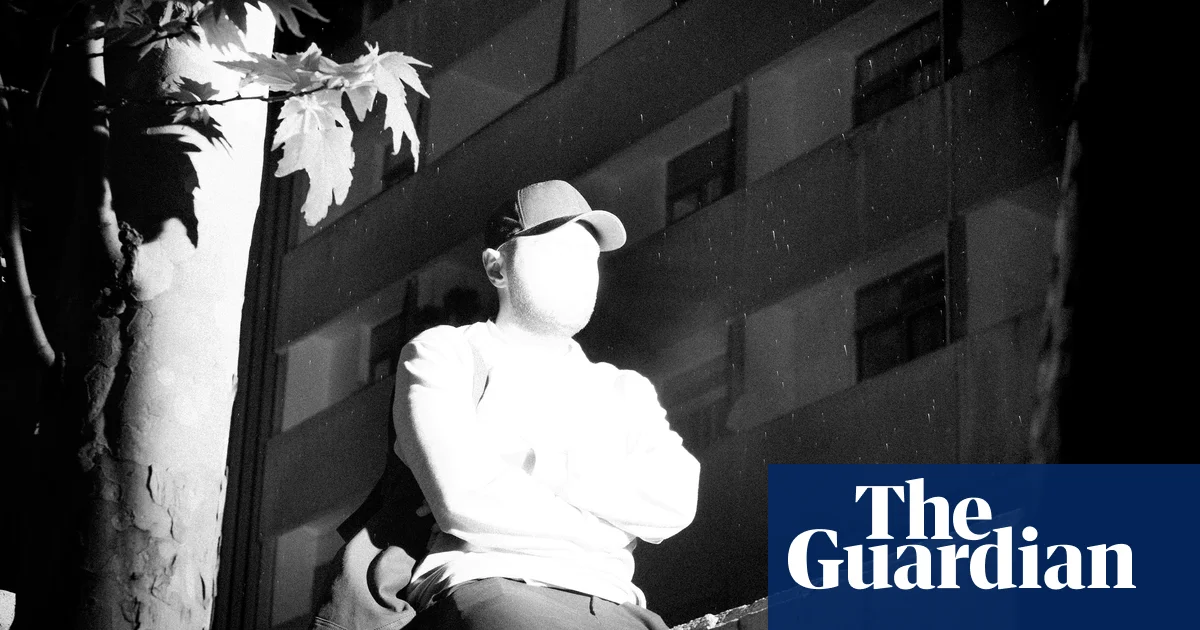
Iranians express a mix of despair, hope, and skepticism about the protests and potential regime change, citing economic struggles, political uncertainty, and doubts about future stability, with many fearing prolonged instability and questioning the prospects for meaningful reform or freedom.
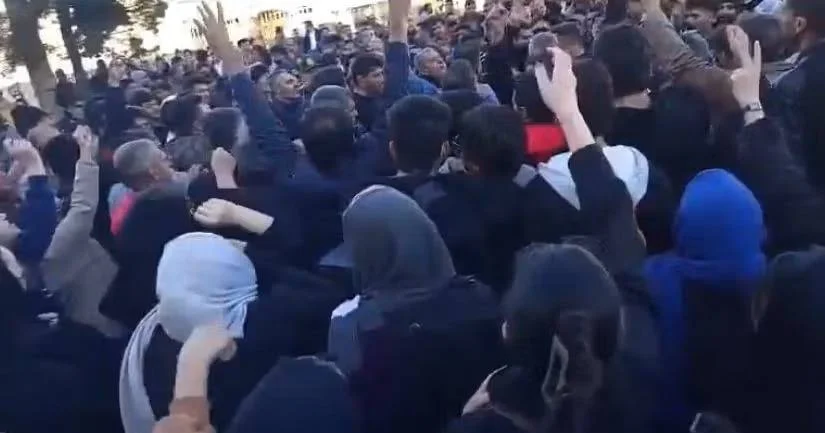
Iran is experiencing its fourth consecutive day of nationwide protests with demonstrations spreading across multiple cities, calls for regime change growing, and a harsh response from security forces, amid economic hardship and political unrest. International figures express support for protesters, while the government offers limited concessions and recognizes the right to protest, amidst warnings from security agencies and hardline factions. The protests are fueled by economic struggles, political dissatisfaction, and calls for accountability, with some protests turning confrontational and authorities deploying force.
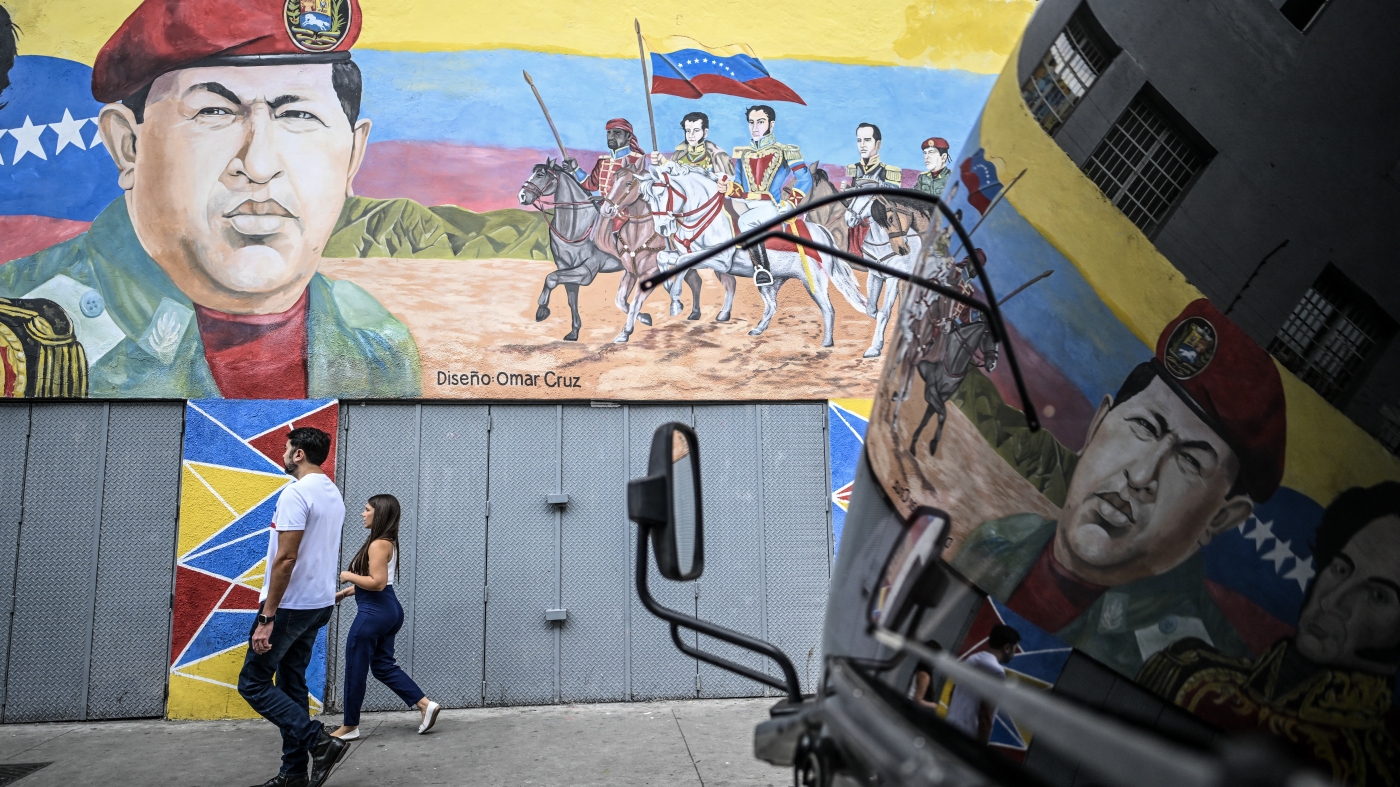
Venezuelans are preparing for potential economic and social upheaval as President Trump threatens a naval blockade of Venezuelan oil exports, reviving fears of recession and shortages amid ongoing political tensions. Despite the threats, many Venezuelans continue their daily routines, while some consider emigration due to the uncertain future.
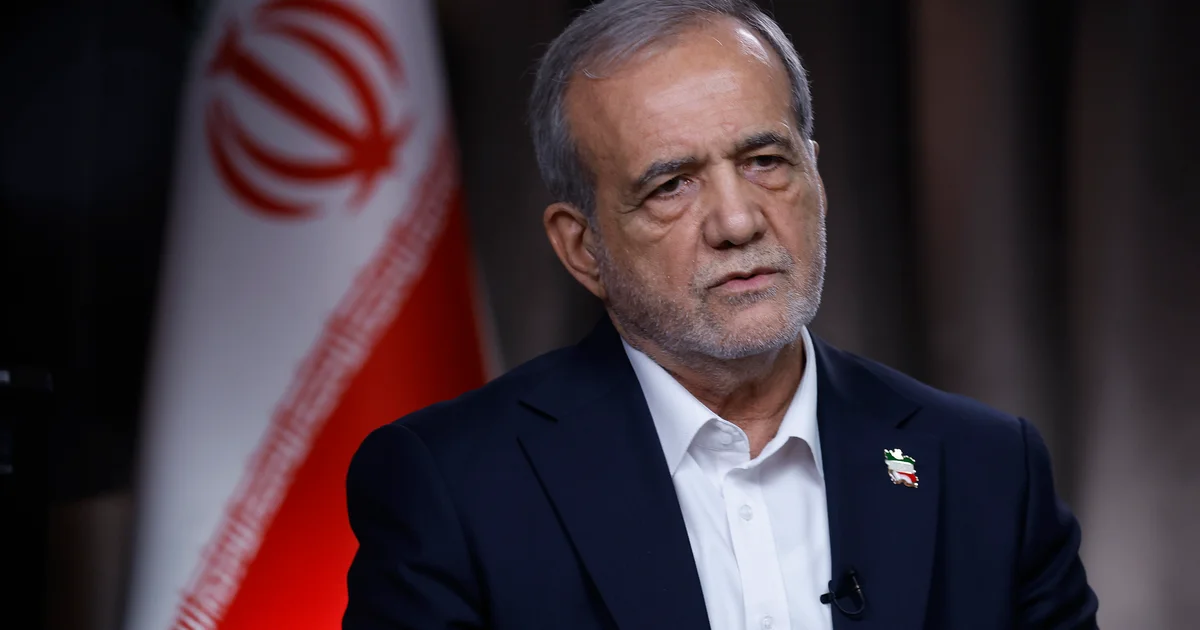
The UN has reimposed sanctions on Iran using the 'snapback' mechanism due to concerns over its nuclear program, exacerbating Iran's economic struggles, rising food prices, and internal repression amid fears of renewed conflict and increased nuclear capabilities.
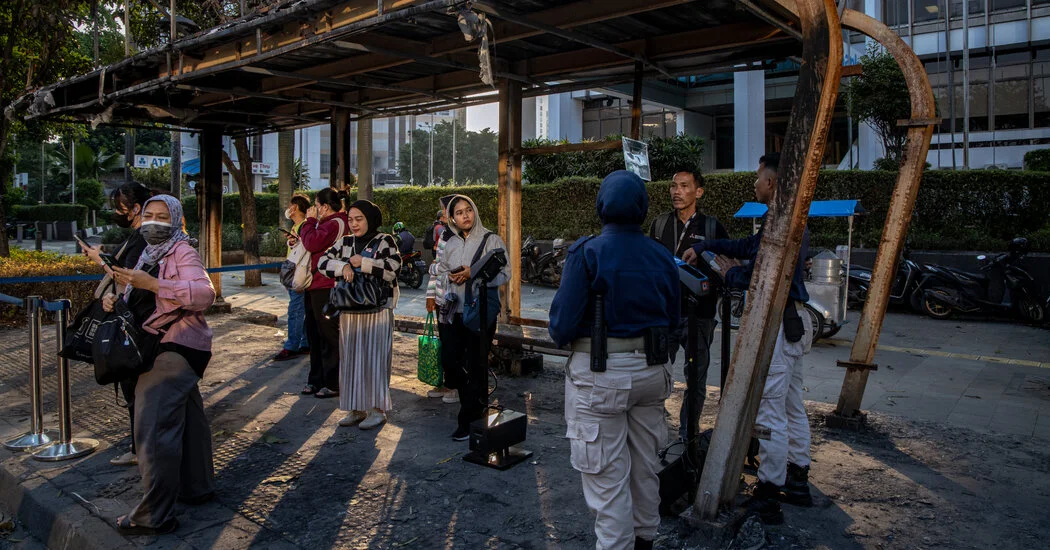
Protests in Indonesia have turned violent due to deep-rooted economic and social inequalities, with citizens demanding government action amid rising youth unemployment and a shrinking middle class, leading to clashes, tear gas, and looting in Jakarta.
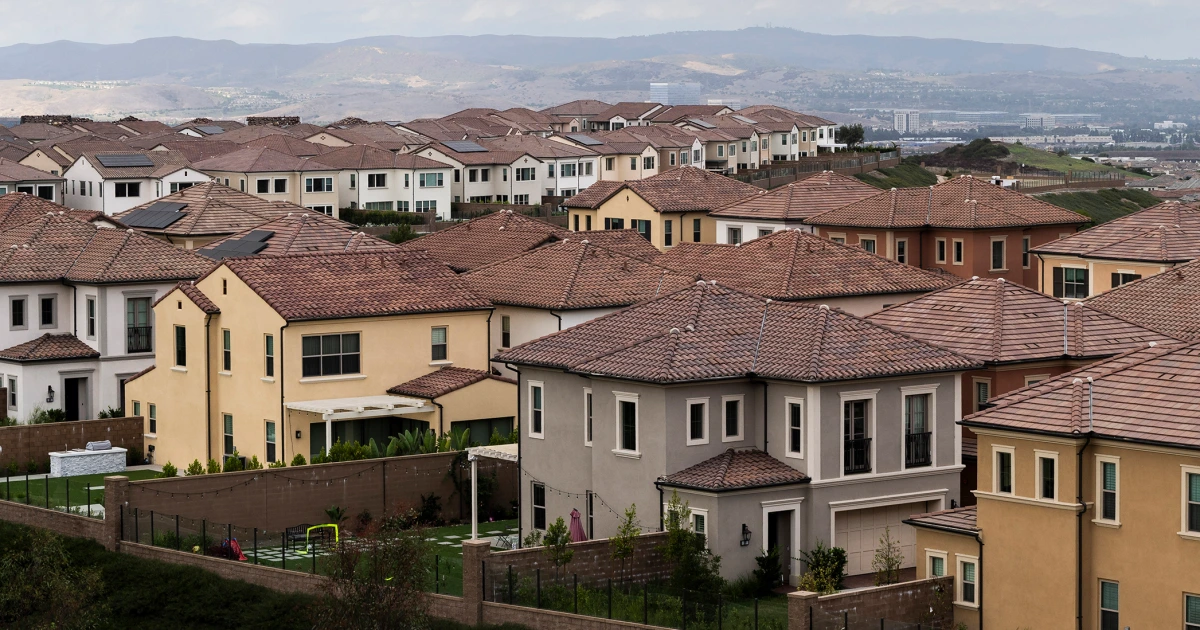
An analysis of the 2024 election results reveals that many of the counties with the toughest housing markets in the U.S. swung significantly toward Donald Trump. These areas, facing severe economic challenges, shifted more right than the national average, with housing affordability being a key issue. This trend was evident in battleground states like Arizona, Georgia, North Carolina, and Pennsylvania. Experts suggest that economic hardships, particularly related to housing, were not fully addressed by Democrats, influencing voter behavior. However, not all difficult housing markets moved right, as seen in Mesa County, Colorado, which shifted left.
A growing number of Gen Z individuals are becoming NEETs (not in employment, education, or training), contributing to record levels of youth unemployment globally. Economic hardships, lower earnings, and a preference for non-traditional job roles are some factors driving this trend. Additionally, mental health issues are causing more young people to be out of work due to ill health.
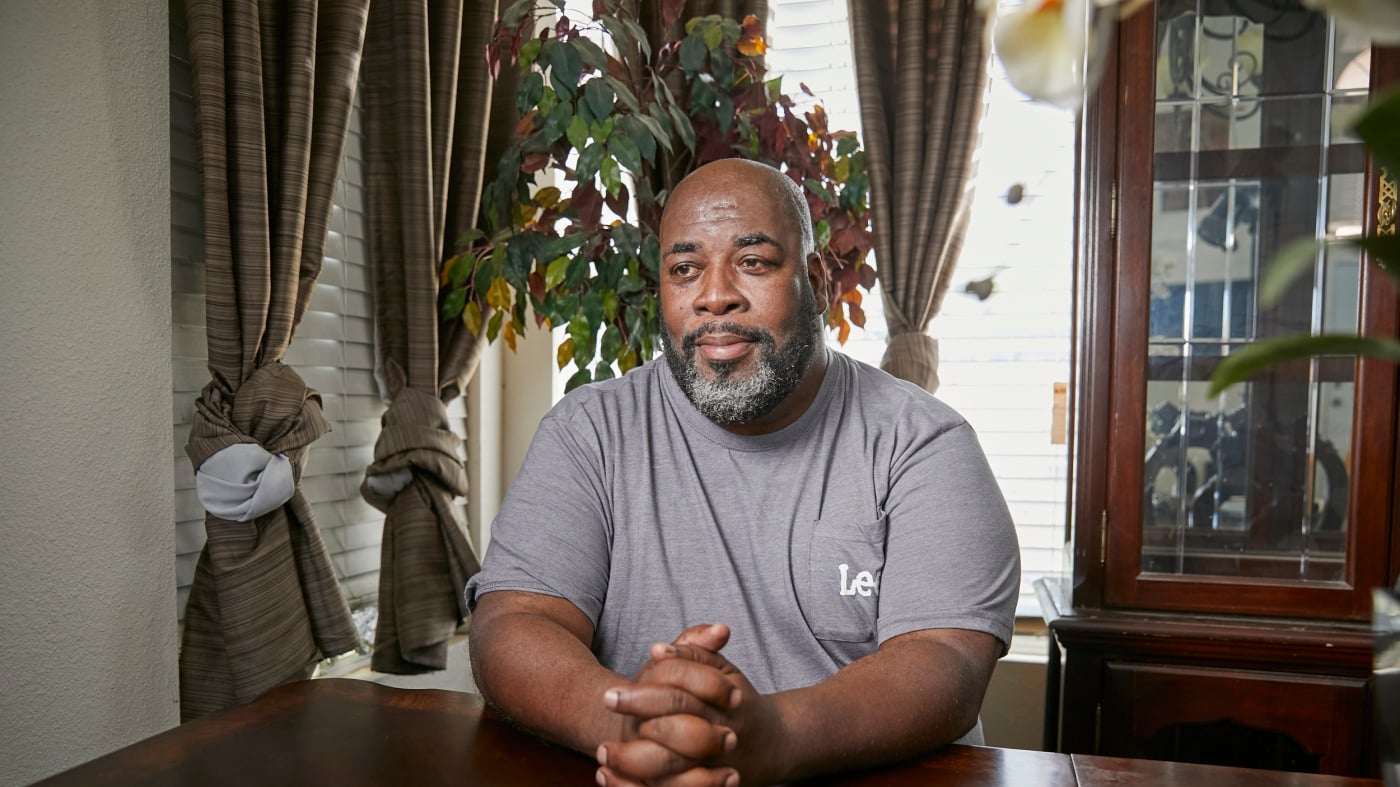
Wymon Johnson's story highlights the harsh reality faced by many caregivers who sacrifice their own stability to care for family members. After caring for his brother Obie, who suffered from multiple health issues, Johnson found himself homeless when his brother passed away. This situation is not uncommon, as many caregivers end up on the streets after their caregiving responsibilities end, revealing a significant gap in support for those who dedicate their lives to caring for loved ones.
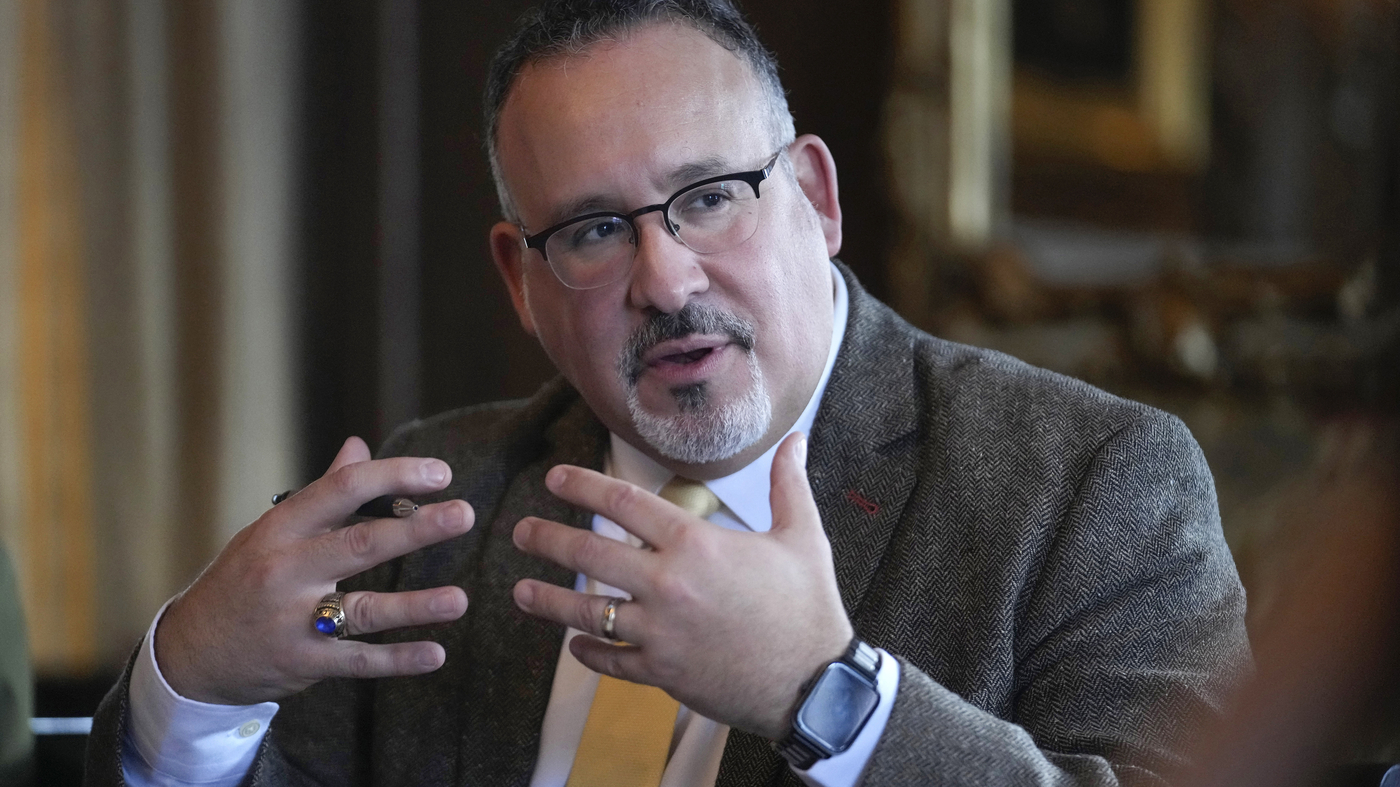
The Biden administration has unveiled a new plan to eliminate student debt for millions of Americans, offering targeted relief to specific groups of borrowers, including those who've carried debt for many years and those struggling to make payments. The plan aims to cancel up to $20,000 in interest for any borrower, with additional relief for low and middle-income borrowers enrolled in income-driven repayment plans. It also includes automatic discharge for eligible borrowers and relief for long-time borrowers and those experiencing economic hardship. The Education Department must gather public comment on the proposal before issuing a final version of its plan, and it is expected to face legal challenges.
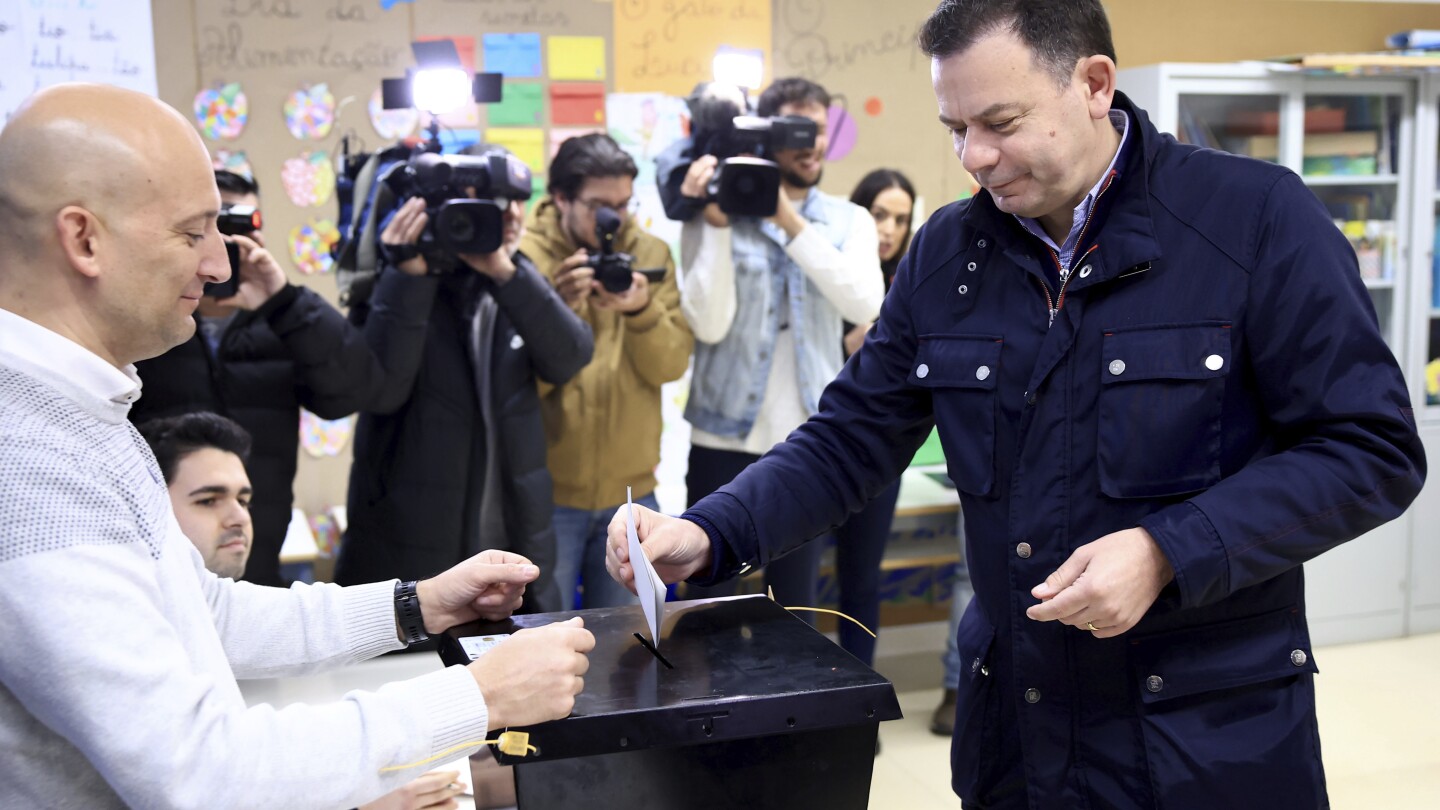
Portugal is holding a general election amid corruption scandals and economic hardship, with mainstream parties facing public discontent and the rise of a radical right populist party, Chega. The election comes as the country grapples with low wages, high living costs, a housing crisis, and failings in public healthcare. The outcome could see a political shift to the right, with Chega potentially becoming the third most-voted party and even playing a role in forming a government coalition. The election is seen as crucial in the face of growing hard-right movements across the European Union.
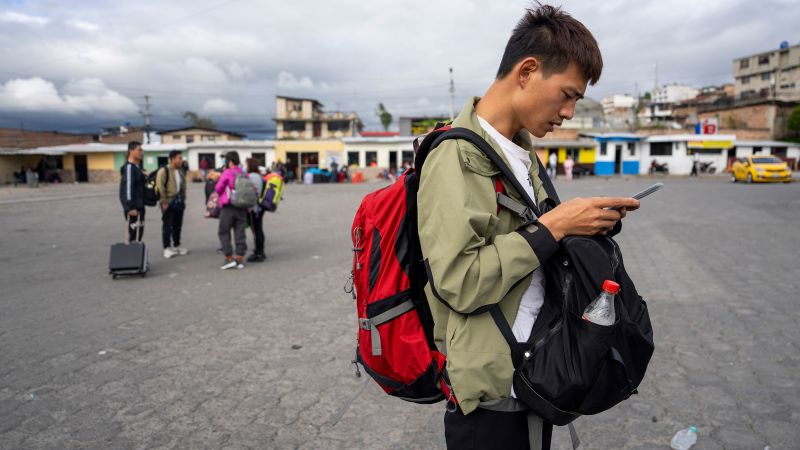
A growing number of Chinese nationals are fleeing economic hardship and political restrictions in China, making a perilous journey through South and Central America to reach the US-Mexico border. The influx of Chinese migrants highlights the urgency many feel to leave their native country, with a staggering 31,000 Chinese citizens picked up by law enforcement crossing illegally into the US from Mexico in the first 11 months of 2023. A network of businesses and social media accounts has emerged to cater to Chinese migrants, who often take a circuitous route across continents before beginning the arduous overland journey north. Once in the US, they face a new kind of uncertainty as they wait years to make their asylum case in front of a judge within an overwhelmed system.
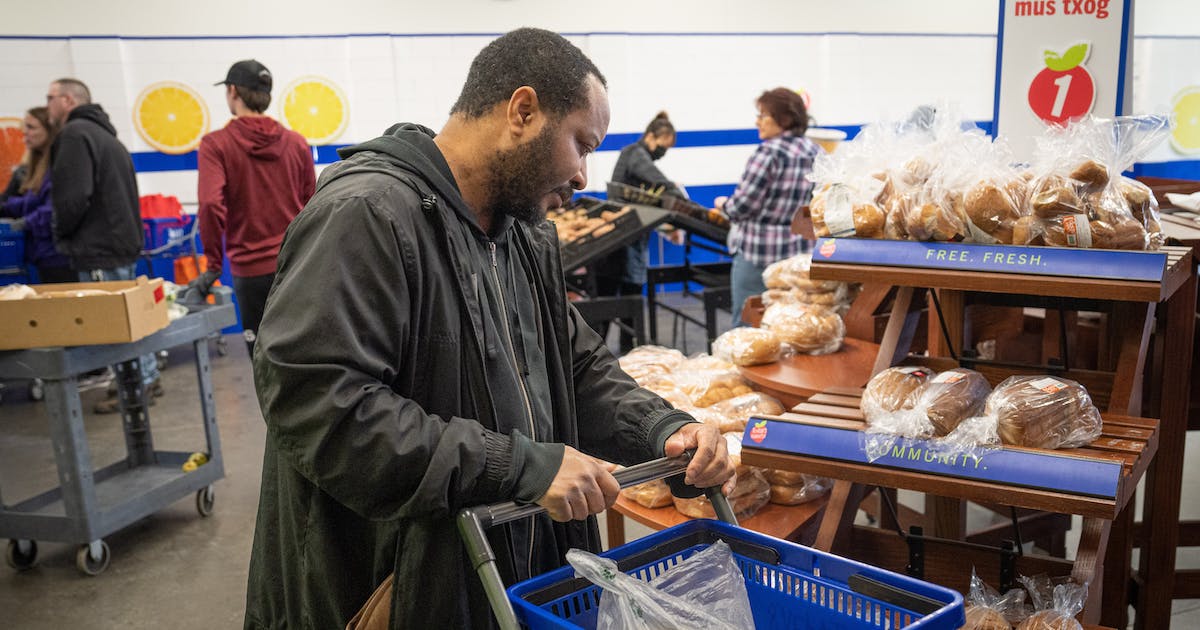
The household income in Minnesota continues to decline, leading to an increase in the number of families facing economic hardship and in need of assistance.
Vice President Kamala Harris faced backlash on social media after claiming that most Americans would go bankrupt from an unexpected $400 expense while discussing the economic challenges faced by women seeking abortions. Critics argued that any economic hardship is a result of President Biden's policies. Harris may have been referencing a survey showing that nearly 40% of Americans lack the funds to cover a $400 emergency expense.
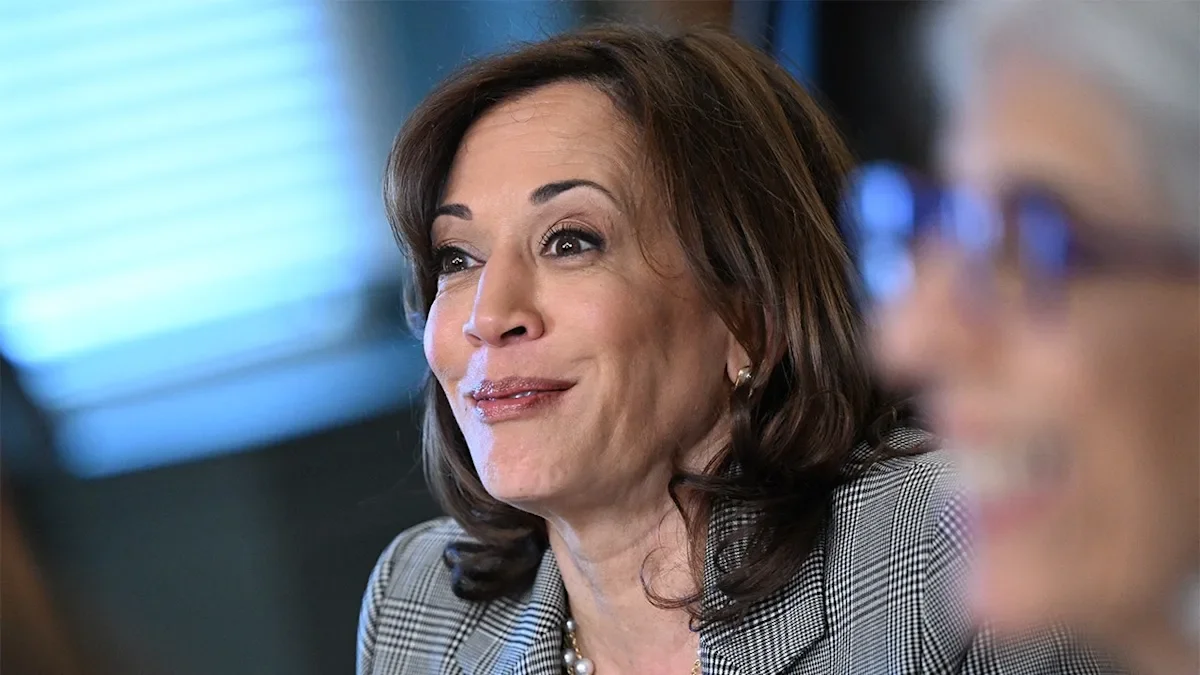
Vice President Kamala Harris faced backlash on social media after claiming that most Americans would go bankrupt from an unexpected $400 expense while discussing the economic challenges faced by women seeking abortions. Critics argued that any economic hardship is a result of President Biden's policies. Harris was likely referring to a survey showing that nearly 40% of Americans lack the cash to cover a $400 emergency expense.