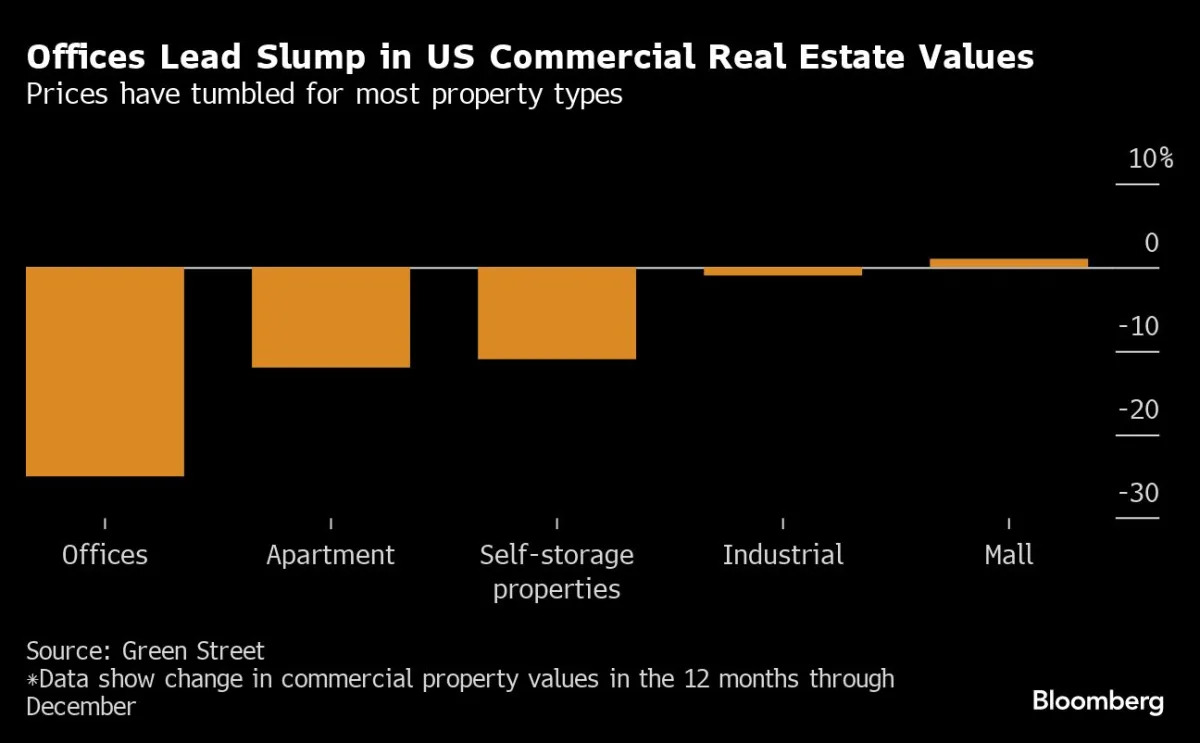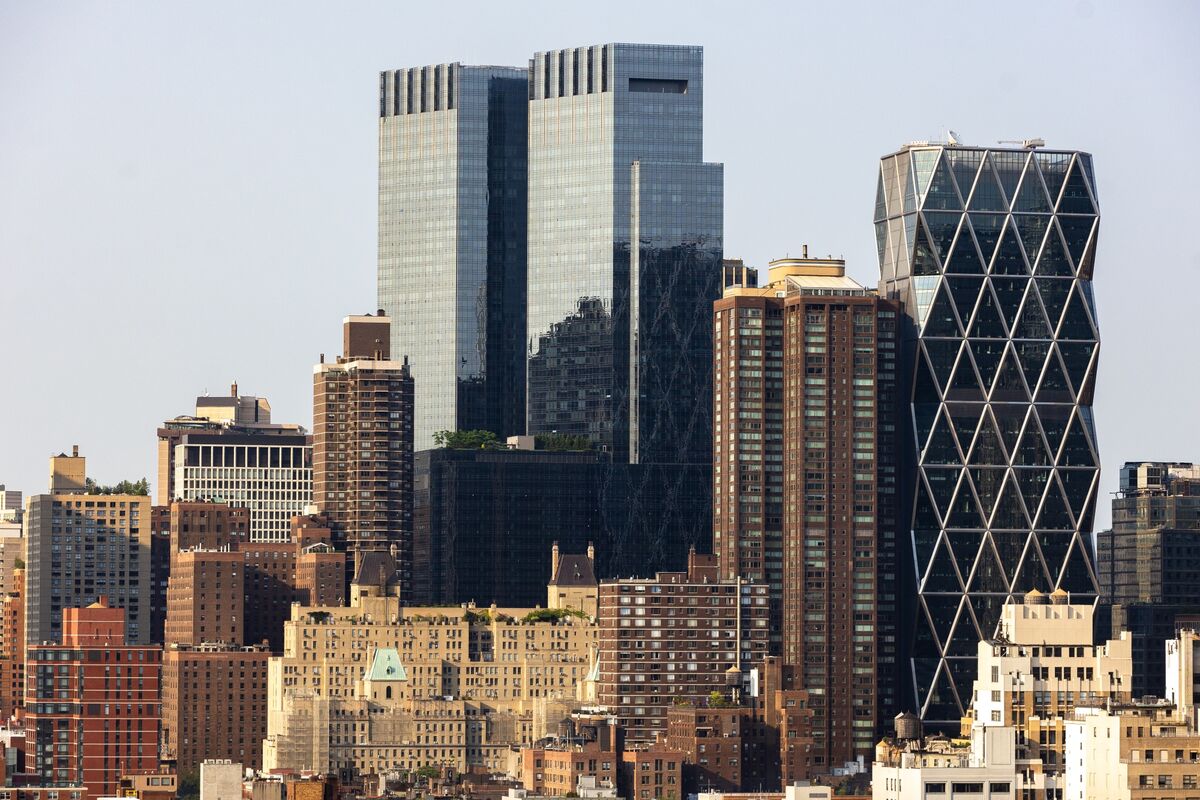
Commercial real estate collateralized loan obligations (CRE CLOs), an investment product used to finance risky real estate projects, are facing unprecedented stress as borrowers struggle to repay loans tied to commercial property ventures. The share of troubled assets held by these niche products has surged four-fold in the last seven months, reaching more than 7.4%. Rising interest rates and tepid demand for office space are causing borrowers to struggle to meet their obligations, leading to major players in the market rushing to rework loans and short sellers ramping up attacks on publicly-traded issuers. The pain in the CRE CLO market is part of a broader shakeout in the US commercial real estate market, with industry observers warning that few products are more exposed than CRE CLOs.
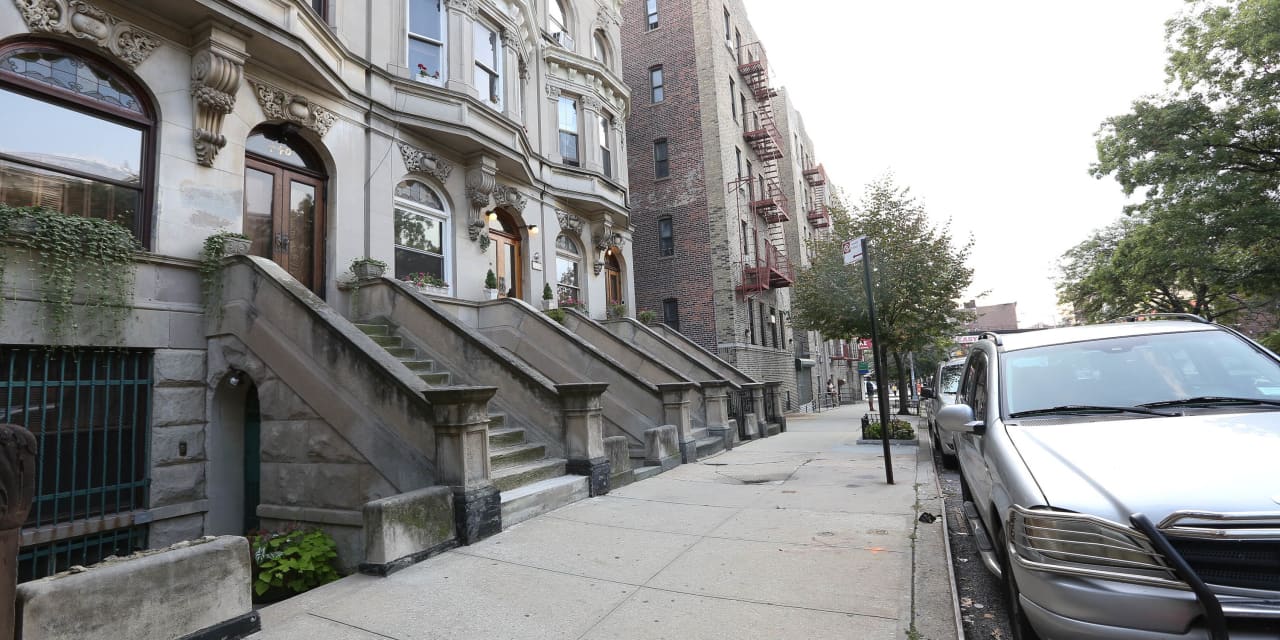
New York Community Bancorp Inc. is seeking to offload troubled commercial real estate assets following a $185 million loss from two loans in its fourth-quarter earnings. The lender is offering a $22.4 million mortgage backed by rent-regulated apartments in Washington Heights, Manhattan, as part of its efforts to address its exposure to problem real-estate loans. The bank's stock has plummeted by over 60% this year, and it faces significant maturities in the next few years. Regional banks, including New York Community Bancorp, are grappling with challenges in the commercial real estate sector, with concerns raised by Treasury Secretary Janet Yellen. Moody's Investors Service recently downgraded the bank's credit rating, but the bank's CEO stated that they have taken steps to strengthen their balance sheet and risk management processes.
Plummeting regional bank stocks, led by New York Bancorp's 40% tumble, reflect the crisis in America's commercial property sector, with a possible $700 billion default looming. The pandemic's impact on office space demand and higher interest rates have made it difficult for landlords to repay loans, particularly affecting smaller regional banks, which are four times more exposed to commercial real estate loans than big banks. Lenders are now trying to limit their exposure to the property sector by shedding their property loan portfolios and staving off commercial real estate loans.
New York Community Bancorp's decision to cut its dividend and increase reserves has sent its stock plummeting and raised concerns about the impact of the ongoing slide in commercial property values on banks. With $560 billion in commercial real estate maturities by 2025, regional lenders are particularly vulnerable due to their higher exposure to the industry. The unpredictability of soured real estate loans, particularly in the multifamily and office sectors, has added to the nervousness surrounding smaller lenders, prompting pressure to reduce exposure to commercial real estate.
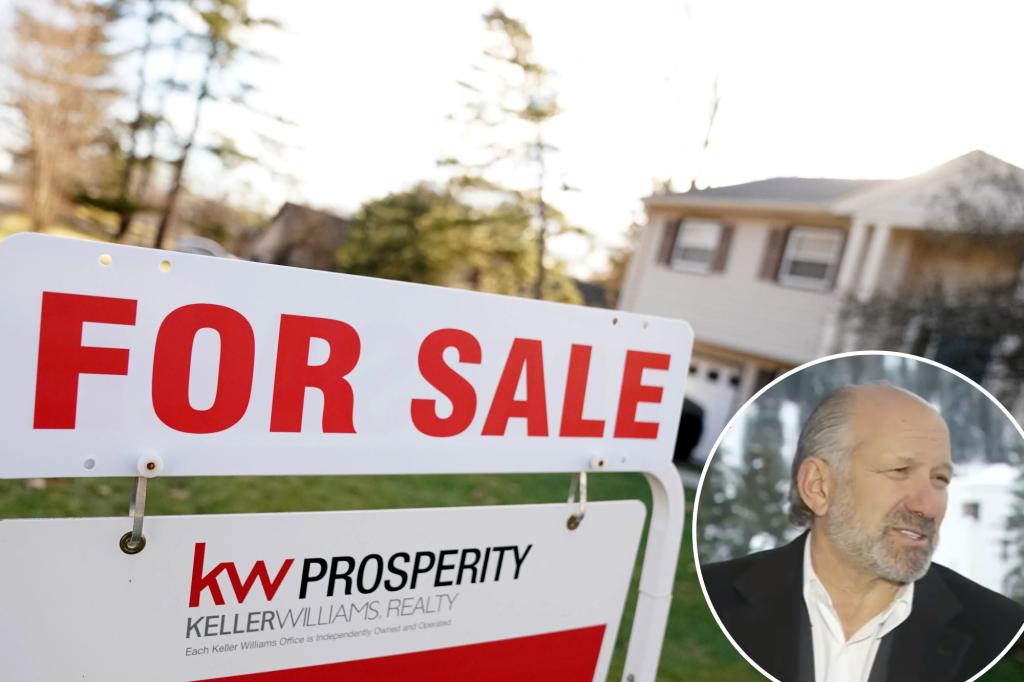
Cantor Fitzgerald CEO Howard Lutnick warns of a "generational shift" in the real estate market, predicting a potential $700 billion to $1 trillion in defaults in loan sales by the end of 2024 and throughout 2025. Lutnick attributes this to high interest rates leading to commercial loans being "wiped out," and foresees a significant impact on real estate equity rates. He also cautions that people are "overly optimistic" about the Federal Reserve and future rate hikes, suggesting that rates will likely remain steady rather than experiencing drastic cuts.
Cantor Fitzgerald CEO Howard Lutnick warns of a "very ugly" real estate market in the next 18 months to two years, predicting a "generational" shift and massive defaults of $700 billion to $1 trillion in loans. He anticipates commercial loan defaults due to high rates, leading to a significant impact on real estate equity. Lutnick also cautions that people are "overly optimistic" about the Federal Reserve and future rate hikes, suggesting that rates will likely remain steady.
A National Bureau of Economic Research paper and USC Finance Professor Erica Jiang warn of potential Great Depression-era levels of loan defaults in the commercial real estate sector if high interest rates persist. With 15% of commercial loans currently underwater and 45% of office loans facing distress due to declining property values and cash flows, the outlook for defaults is grim. The difficulty in refinancing these loans, especially with a significant number of them maturing in the near future, could lead to a spike in maturity defaults, posing a significant risk to the financial stability of the commercial real estate market.
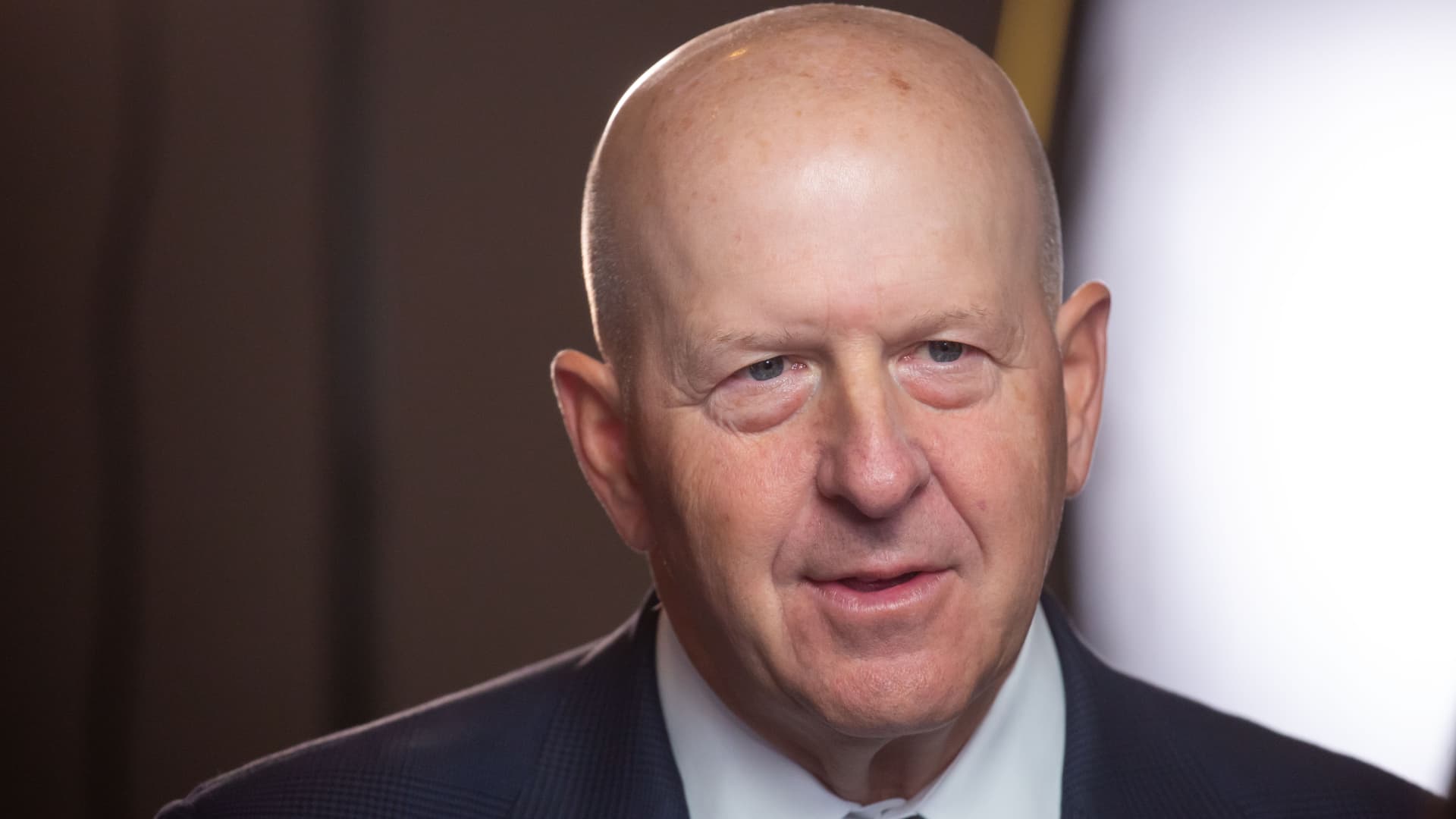
Goldman Sachs CEO David Solomon has warned of impairments on loans and equity investments tied to commercial real estate in the second quarter due to higher interest rates. The industry is grappling with lower occupancy rates due to the shift to remote work, and some property owners have walked away from holdings rather than refinancing their loans. While the write-downs are "definitely a headwind" for the bank, they are "manageable" in the context of Goldman's overall business, he said.
JP Morgan Chase CEO Jamie Dimon has warned that commercial real estate loans could pose a threat to some banks, particularly in certain locations and for certain types of properties. While U.S. banks have experienced historically low loan defaults in recent years, rising interest rates and changing work patterns could lead to defaults in the commercial real estate sector. Dimon also advised banks to prepare for interest rates to rise higher than expected, and to tighten lending activity to build capital and prepare for potential losses.
US banks, including Bank of America, JPMorgan Chase, Wells Fargo, and Citigroup, have reported that consumers are starting to fall behind on their credit card and loan payments as the economy softens, although delinquency levels are still modest. While profits have beaten analyst forecasts, industry chiefs warn that the strength will tail off this year as a recession looms and customer delinquencies climb. As large and medium-sized lenders become more conservative in underwriting, their net charge offs will probably peak in several quarters, leading to slower loan growth in 2023 and 2024.
US banks including Bank of America, JPMorgan Chase, Wells Fargo, and Citigroup have reported that consumers are starting to fall behind on their credit card and loan payments as the economy softens, although delinquency levels are still modest. The banks have set aside billions of dollars to cover potential soured loans. While delinquencies and net charge-offs have slowly risen as expected, consumers and businesses generally remain strong, according to industry chiefs. However, worsening economic conditions could lead to credit deterioration throughout 2023 and 2024 with losses eventually surpassing pre-pandemic levels given an oncoming recession.
Shadow lenders such as Carlyle, Castlelake, King Street, HighVista, and Palladius are eyeing commercial real estate as traditional banks and the bond market pull back from lending. Regional banks, which make up 70% of commercial real estate loans in the US, are scaling back on lending due to the US regional bank crisis and rising loan defaults on troubled properties. This could potentially force borrowers to pay higher rates for deals.