The red kangaroo is the only five-limbed terrestrial animal on Earth, according to a study published in the journal Biology Letters. Researchers found that the kangaroo uses its tail as a limb to propel itself forward while walking, in a gait called "pentapedal." The tail of a kangaroo is equipped with highly articulated vertebrae and thick muscle, providing propulsive force equivalent to all four other limbs combined. The study suggests that the red kangaroo is the only vertebrate on the planet with five limbs.

The importance of legs versus arms depends on the species. For humans, legs are crucial for mobility and survival, while arms are less essential. However, individuals with amputations have shown that it is possible to thrive without certain limbs. In the case of Tyrannosaurus rex, their small arms were likely a result of evolution prioritizing their large heads and jaws. For birds, wings are vital for flight and are often the largest part of their bodies. Flightless birds may reduce their front limbs, except for swimming purposes. Some species, like snakes and worms, have evolved to be limbless, as it allows them to catch prey or move more efficiently.
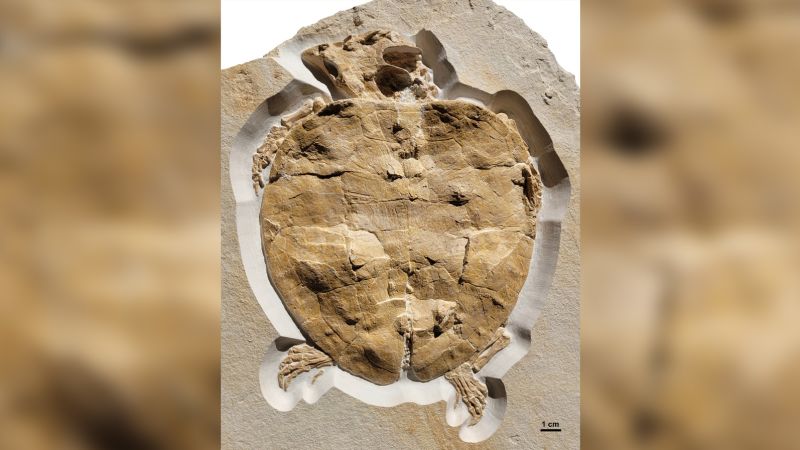
A remarkably preserved fossil of a Jurassic sea turtle, Solnhofia parsonsi, has been described by scientists. The fossil includes a near-complete skull and limbs, providing insights into the shape and structure of the turtle's extremities. The shorter limbs suggest that S. parsonsi swam in coastal waters rather than the open ocean. The fossil was excavated from a limestone quarry in Germany, which has yielded many examples of marine animals and plants from the Late Jurassic period. Scientists hope to reconstruct the ecosystem and understand the diversity of species that coexisted millions of years ago.
High cholesterol has no symptoms initially, but there are mild signs that can indicate its presence. These include heaviness and pain in the legs, frequent cramps in the lower limbs, unexplained cold feet, change in skin color, and delay in wound healing. These symptoms occur due to clogged arteries and poor blood circulation. It is important to monitor cholesterol levels and get a blood test if any of these symptoms are present.