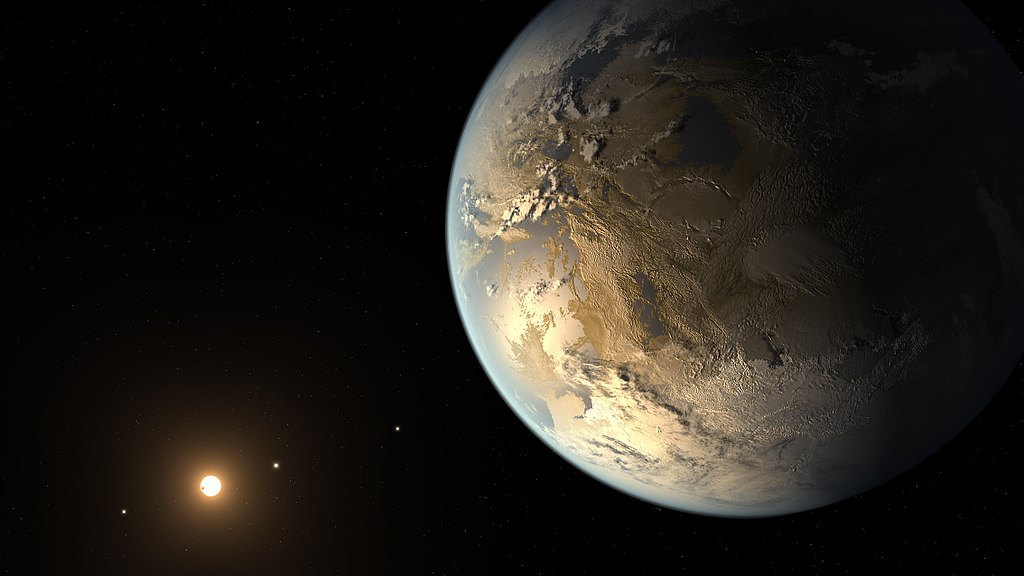
Scientists have found potential evidence of life beyond Earth by detecting dimethyl sulfide (DMS), a gas produced by living organisms on Earth, on the exoplanet K2-18b using the James Webb Space Telescope, suggesting the possibility of extraterrestrial life.
The formation of the first living worlds is a complex process that involves the right type of star, chemical enrichment, and a stable environment. Stars with the right characteristics, such as not being too massive or too short-lived, are necessary for habitable planets to form. Planets also require sufficient heavy elements, time for their environment to settle down, and the right conditions for life to emerge and thrive. The earliest habitable worlds may have arisen in galaxies that ceased forming stars billions of years ago. While it's plausible that life may have arisen in the Universe before the billion-year threshold, the prevalence of life on planets beyond Earth remains unknown.
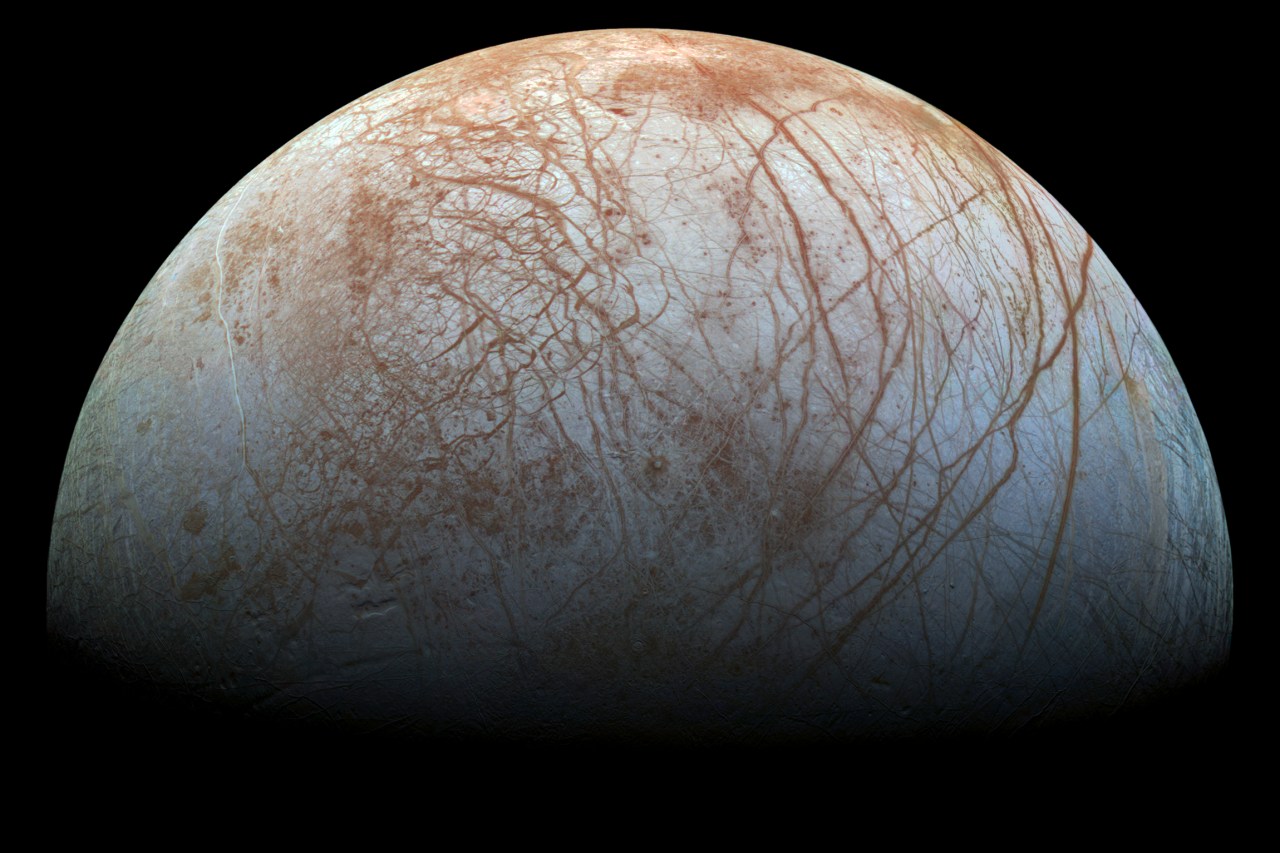
NASA's James Webb Space Telescope has discovered a significant carbon source on Jupiter's moon Europa, which has implications for the search for life beyond Earth. The presence of carbon dioxide on Europa's icy surface suggests the potential for a diverse chemistry that could support life. NASA plans to launch the Europa Clipper spacecraft to conduct further investigations and determine if Europa has conditions suitable for life.
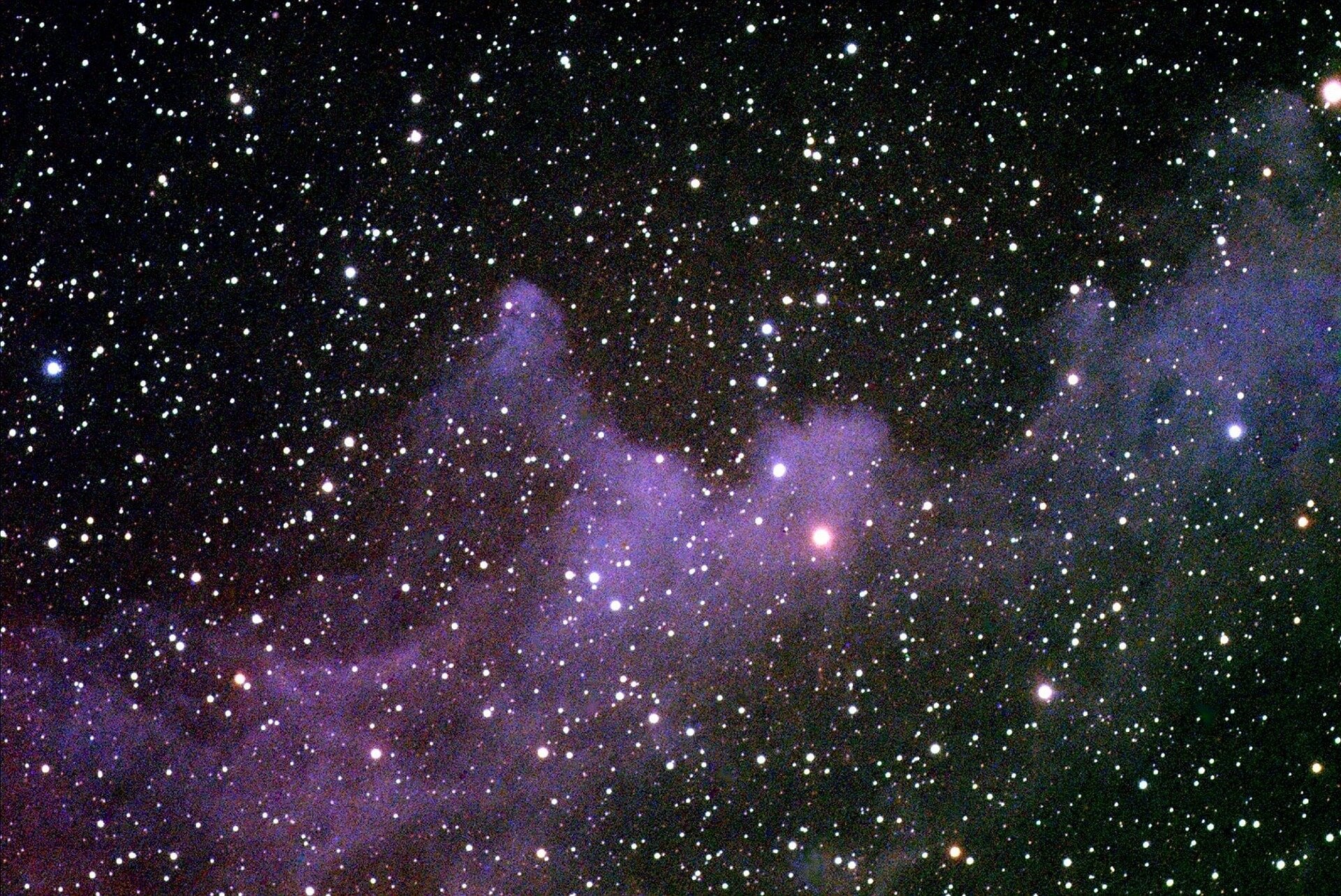
Astrobiologist Tomonori Totani proposes studying space dust as a way to search for signs of life beyond Earth. Space dust could be carrying evidence of life from other planets that was blasted away by asteroid strikes. Totani suggests that grains of space dust approximately 1 micrometer in size could carry biosignatures and travel fast enough to reach distant planets like Earth. He estimates that around 100,000 such grains land on Earth every year and could be analyzed for traces of life that originated on other worlds.
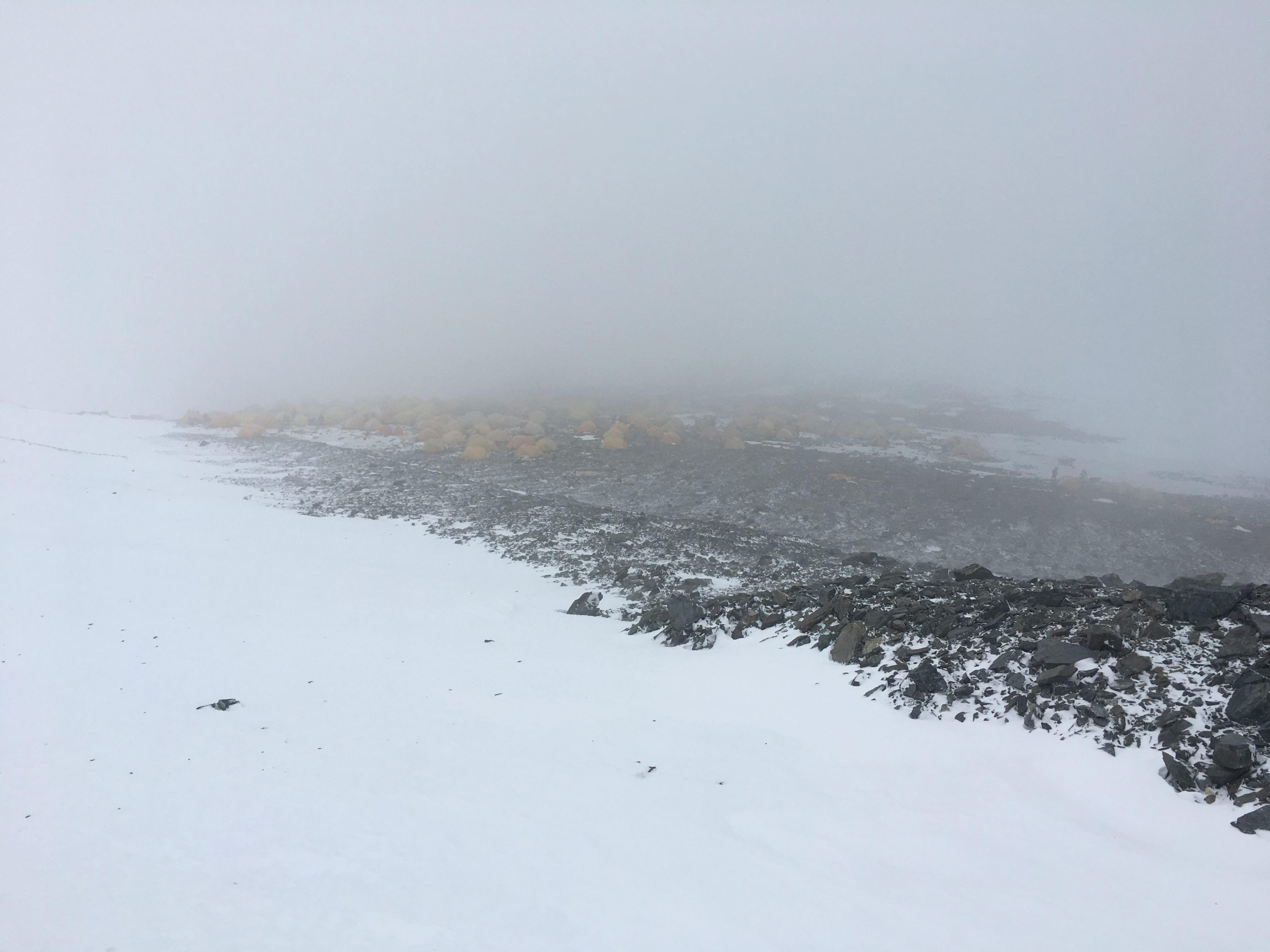
Researchers from the University of Colorado Boulder have found that adventurers climbing Mount Everest are leaving behind a frozen signature of resilient microbes that can endure extreme conditions at high altitudes and remain dormant in the soil for decades, or potentially even centuries. This study marks the first time that next-generation gene sequencing technology has been used to analyze soil from such a high elevation on Mount Everest, enabling researchers to gain new insight into almost everything and anything that’s in them. The findings could lead to a better understanding of environmental limits to life on Earth, as well as where life may exist on other planets or cold moons.