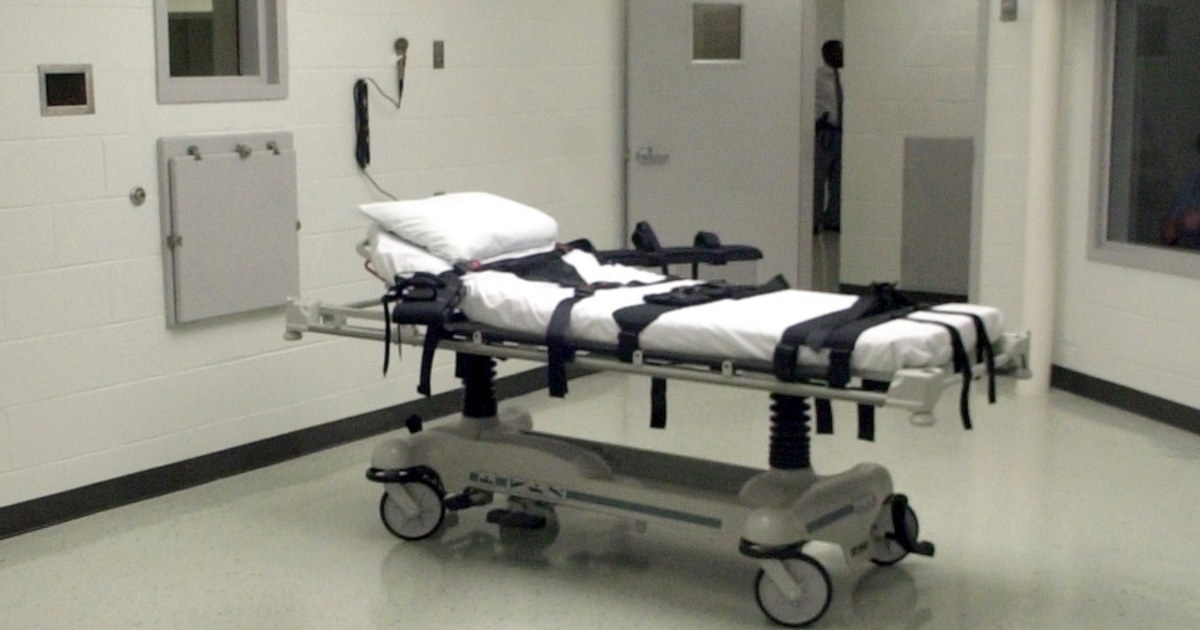
A report from an anti-death-penalty group revealed that lethal injections of Black prisoners in the United States are botched more than twice as often as those of white prisoners. The study adds to existing research on racial disparities in the criminal justice system and highlights the higher likelihood of botched executions for Black people on death row. The findings underscore systemic racism in the capital punishment system, from arrest to execution.
South Carolina has obtained pentobarbital, a drug necessary for lethal injections, and is prepared to carry out its first execution in over 12 years. The state's previous supply of execution drugs had expired, and drug companies refused to sell more due to concerns about public identification. South Carolina passed a shield law in May to keep execution procedures and drug suppliers confidential. The state corrections director announced the purchase of pentobarbital, which will be used as the sole drug in future executions.
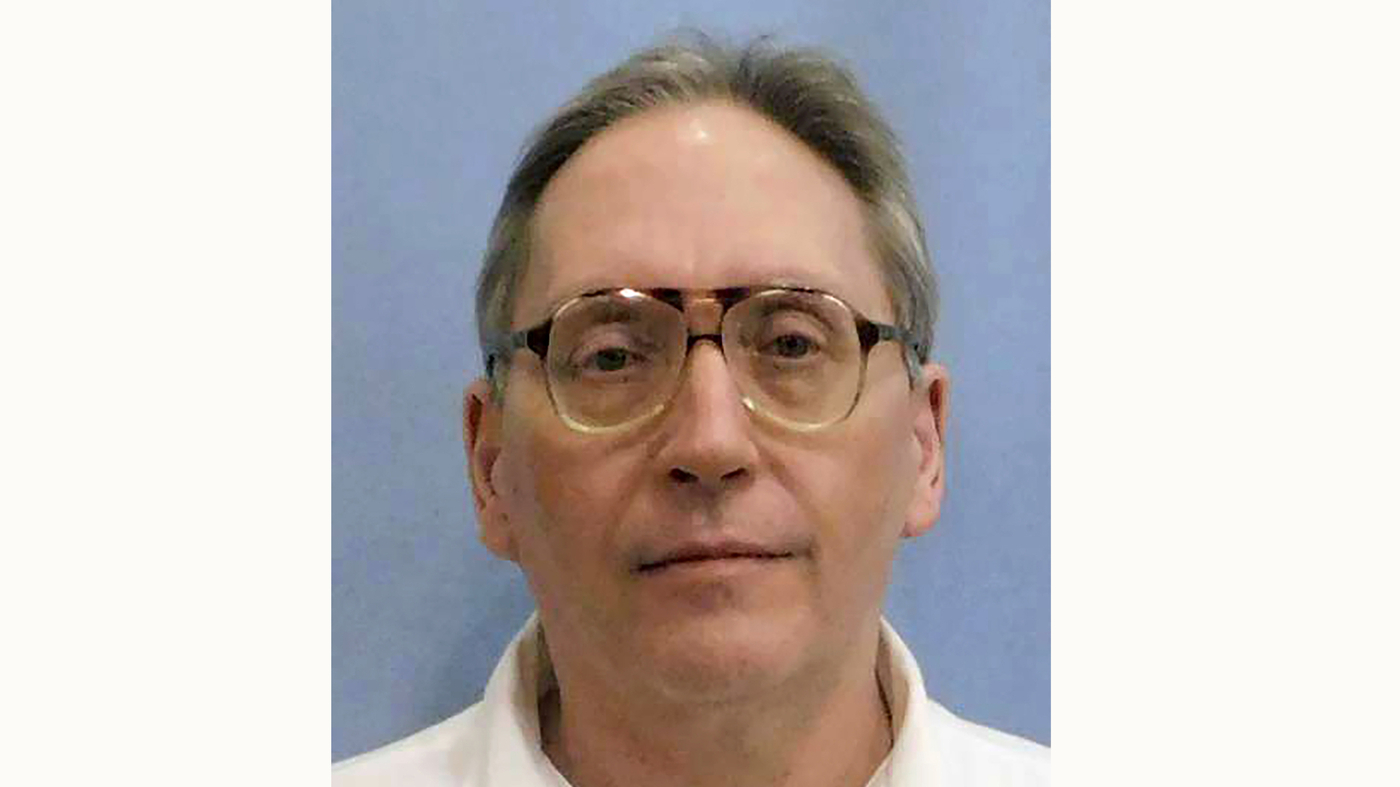
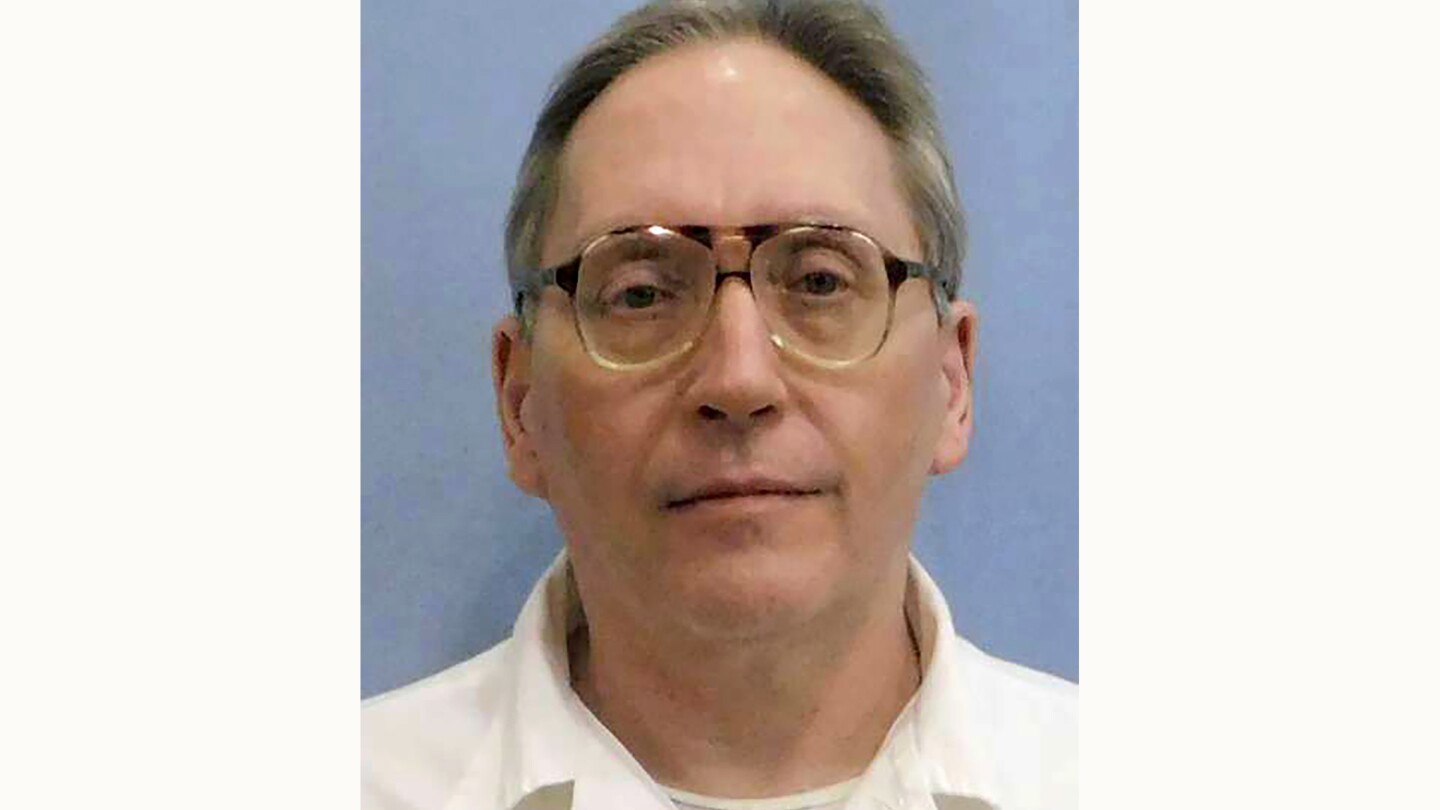
Alabama executed James Barber, a man convicted of the 2001 beating death of 75-year-old Dorothy Epps, as the state resumed lethal injections after a pause due to failed executions. Barber was pronounced dead after receiving a lethal injection at a south Alabama prison. His attorneys had unsuccessfully sought to block the execution, arguing that the state has a history of botched lethal injections. The Supreme Court denied Barber's request for a stay, with Justice Sonia Sotomayor dissenting. Barber apologized to Epps' family and expressed forgiveness towards the governor and those involved in his execution.
Alabama executed James Barber for the 2001 beating death of a woman, resuming lethal injections after a review of procedures. Barber's attorneys had argued against the execution, citing difficulties obtaining intravenous access in previous executions, but the U.S. Supreme Court ruled against him. Barber confessed to killing the woman with a claw hammer and was pronounced dead after receiving a lethal injection. This was the first execution in Alabama this year after a pause to conduct an internal review.
Attorneys for Alabama death row inmate James Barber have asked a federal appeals court to block his upcoming execution, citing the state's history of troubled lethal injections. The state seeks to resume executions after a pause, during which two lethal injections were called off due to difficulties with IV insertion. Advocacy groups claim a botched execution occurred after a lengthy delay. The court heard arguments but did not indicate when they will rule. The state plans to use a new IV team, but Barber's attorney argues that this does not solve the problem. Barber was convicted of the 2001 beating death of Dorothy Epps and is scheduled to receive a lethal injection on Thursday.
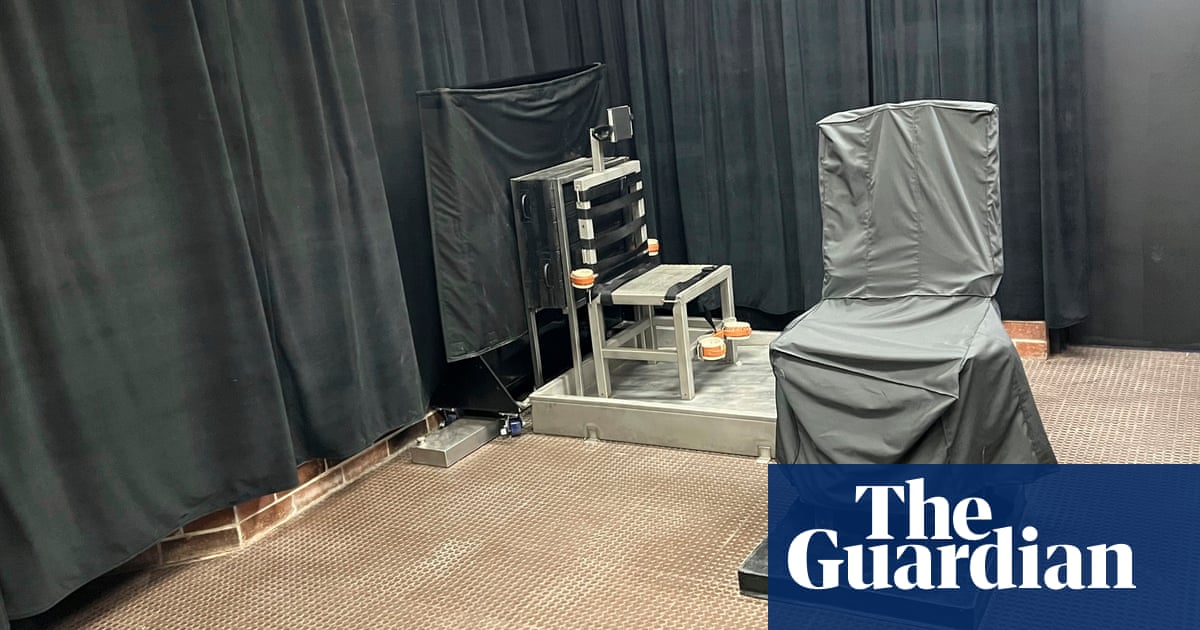
Firing squads are making a comeback in the US as states scramble for alternatives to lethal injections after pharmaceuticals barred the use of their drugs. Idaho lawmakers passed a bill this week seeking to add the state to the list of those authorizing firing squads, currently Mississippi, Utah, Oklahoma and South Carolina. Some, including a few Supreme Court justices, view firing squads as less cruel than lethal injections despite the violence involved in riddling bodies with bullets. However, others argue that firing squads are visibly violent and bloody compared with lethal injections, potentially traumatizing victims' relatives and other witnesses as well as executioners and staffers who clean up afterward.
Firing squads are making a comeback in the US as states seek alternatives to lethal injections after pharmaceuticals barred the use of their drugs. Idaho lawmakers passed a bill this week seeking to add the state to the list of those authorizing firing squads, currently Mississippi, Utah, Oklahoma and South Carolina. Some, including a few Supreme Court justices, view firing squads as less cruel than lethal injections despite the violence involved in riddling bodies with bullets. However, others argue that firing squads are visibly violent and bloody compared with lethal injections, potentially traumatizing victims’ relatives and other witnesses as well as executioners and staffers who clean up afterward.