Despite a national decline in overdose deaths in 2024, some US regions experienced increases, with disparities linked to drug supply changes, especially fentanyl, and regional differences in data collection and treatment efforts. The crisis remains severe, with over 80,000 deaths, highlighting the need for better surveillance, prevention, and treatment strategies.

Whitney Purvis, a former '16 & Pregnant' star, has been charged with involuntary manslaughter for allegedly supplying drugs that caused a man's overdose death, and she previously left a heartfelt comment on the victim's obituary. The case highlights Georgia's recent law increasing penalties for drug-related deaths.
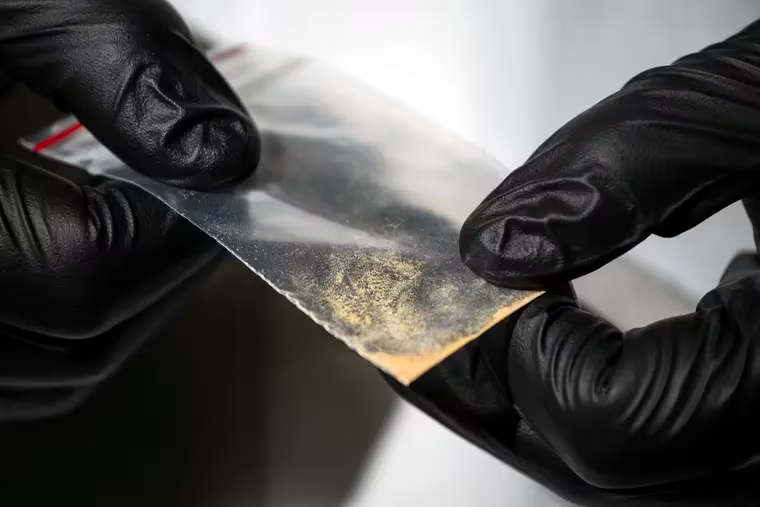
The Philadelphia medical examiner’s office found powerful synthetic opioids called nitazene analogues in at least five overdose deaths in the last two years, suspecting their involvement in a dozen more. These drugs, up to 40 times stronger than fentanyl, are contributing to the city's rising overdose deaths, making the illegal drug market even more toxic. Nitazenes, like fentanyl, can be produced in a lab and are difficult to detect outside of a lab, posing a new danger to the drug supply. Health officials urge people to carry naloxone and be aware of the potential presence of nitazenes in illicit drugs.
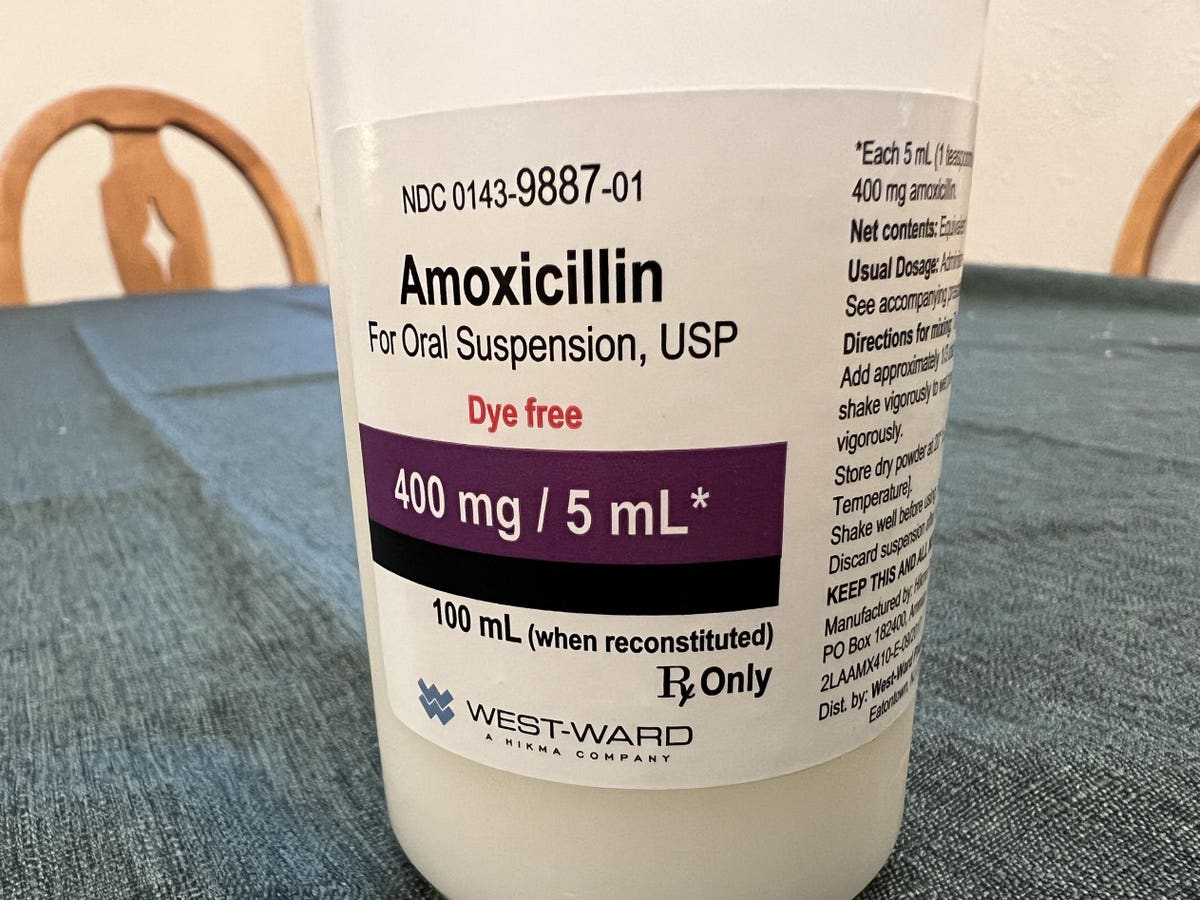
Liquid amoxicillin, a popular antibiotic for children, has been in short supply for almost a year, leading to concerns as the colder months bring an increase in childhood infections. The shortage is due to high demand and limited production capacity. Parents may need to consider alternative medications such as amoxicillin clavulanate, ceftriaxone, penicillin VK, penicillin G benzathine, or cephalexin. The shortage highlights the vulnerability of children during the tripledemic of flu, RSV, and Covid, and the potential impact on antibiotic resistance and side effects from alternative medications.
Parents in the US are facing a second winter without enough amoxicillin, the most prescribed antibiotic for children. Liquid formulations of the drug, commonly used to treat strep throat, chest and sinus infections, and earaches, are still in short supply. The shortage is expected to worsen during the respiratory illness season. The shortage has led to doctors prescribing stronger antibiotics with harsher side effects and contributing to antibiotic resistance. Manufacturers have cited increased demand and low prices as reasons for the shortfall. Experts are calling for better monitoring of drug supplies and financial incentives for drug companies to produce necessary medications.
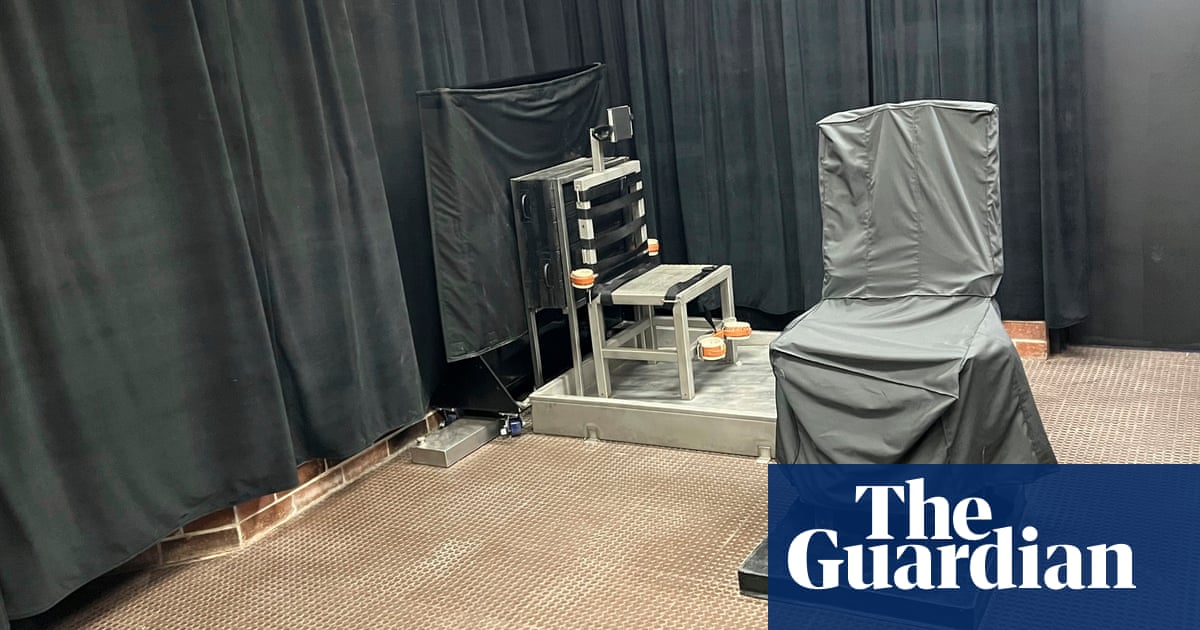
South Carolina has obtained pentobarbital, a drug necessary for lethal injections, and is prepared to carry out its first execution in over 12 years. The state's previous supply of execution drugs had expired, and drug companies refused to sell more due to concerns about public identification. South Carolina passed a shield law in May to keep execution procedures and drug suppliers confidential. The state corrections director announced the purchase of pentobarbital, which will be used as the sole drug in future executions.
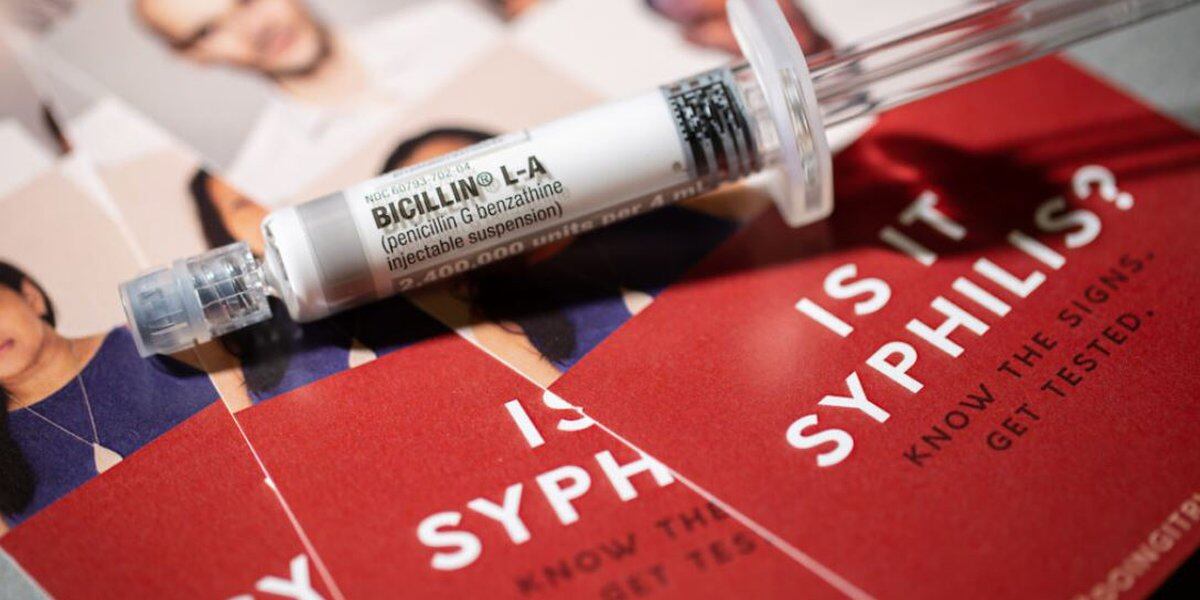
Syphilis cases in Douglas County have reached a record high, while a shortage of penicillin, specifically the children's formulation of Bicillin, used to treat syphilis, is looming. The Douglas County Health Department and Nebraska Medicine are grappling with the shortage, which is not a new issue. The national supply chain for drugs, including antibiotics, cancer medications, and ADHD treatments, is vulnerable due to supply chain problems, production delays, increased demand, and natural disasters. Experts suggest bringing drug manufacturing operations to the United States and enforcing shortage prevention requirements to alleviate the situation. In the meantime, alternative drugs approved in European countries may be used if the supply runs short.
A tornado that struck a Pfizer factory in North Carolina has raised concerns about the vulnerabilities of the drug supply chain. The facility produces numerous hospital drugs, causing panic among hospitals and prompting a rush to stock up on medications. While Pfizer has not disclosed the exact products affected, records indicate that the site manufactures painkillers, anesthetics, naloxone, and vitamin K, among others. The FDA assures that there are substitutes or enough stock in other Pfizer warehouses to minimize disruptions, but a few "backbone" therapies may be affected. The company has limited hoarding and expects the ripple effects to last a few months. The incident highlights the risks climate change poses to drug factories and emphasizes the need for redundancy in the supply chain.
The U.S. FDA does not anticipate significant impacts on drug supply following the tornado damage to a Pfizer facility in North Carolina. The FDA is working with Pfizer to assess the impact and availability of affected products, considering stock in other warehouses and distribution systems. While fewer than 10 drugs may be affected, the FDA has initiated mitigation steps, such as seeking additional sources and asking other manufacturers to ramp up production if needed. Allocation measures may lead to localized supply disruptions, but a resilient drug supply chain is crucial for public health and national security. Pfizer is exploring alternative manufacturing locations to fill production gaps while the damaged site is repaired.
A tornado that struck a Pfizer pharmaceutical plant in North Carolina primarily damaged its storage facility rather than its medicine production areas, according to the company. The FDA stated that the impact on drug supply is unlikely to be significant, as the products are currently in hospitals and the distribution system. Pfizer is working to salvage production equipment and replace lost raw materials, while exploring alternative manufacturing locations. The FDA will conduct a more extensive evaluation of the affected products and the current domestic supply.
Novo Nordisk is cutting supply on certain dose strengths of its weight loss drug Wegovy due to strong demand, which will not meet anticipated patient demand. The company projected that many patients will have difficulty filling Wegovy prescriptions at these dose strengths through September 2023. However, it doesn't anticipate supply interruptions for its 1.7 mg and 2.4 mg dose strengths. Obesity care sales grew by 131% in Danish Kroner to DKK 7.8 billion, or $1.15 billion, which was mainly driven by the uptake of Wegovy in the US.