Washington Governor Bob Ferguson supports a proposed 9.9% income tax on residents earning over $1 million, aiming to raise $3 billion annually starting in 2029, contingent on legal approval and voter support, with plans to use the revenue for tax credits, education, and small business relief.
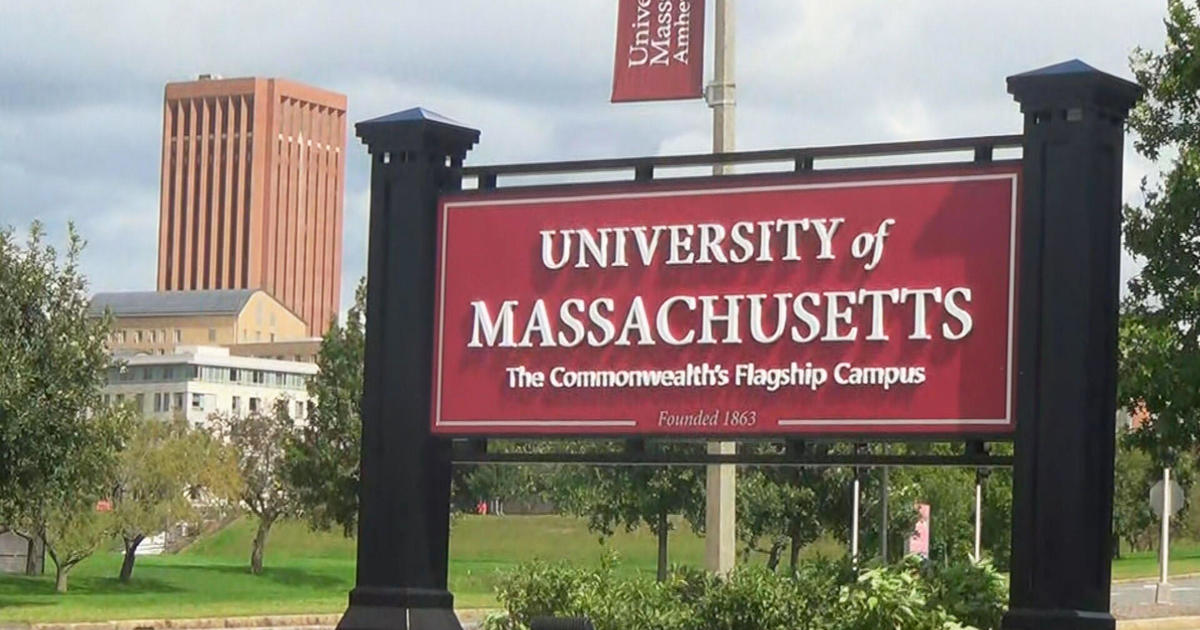
Massachusetts Governor Maura Healey announced that the "Millionaire's Tax" will cover tuition for approximately 25,000 state university and community college students. The tax, which applies to those with an annual income over $1 million, will add $62 million to the MASSGrant Plus program, providing funding for tuition, fees, books, and supplies for Pell Grant-eligible students. The program will also reduce costs for full-time students from families earning between $73,000 and $100,000. The initiative aims to increase access to higher education and strengthen the state's economy.
Boston Celtics forward Grant Williams is reportedly heading to the Dallas Mavericks for a $54 million contract over four years, citing the Massachusetts Millionaire's Tax as a factor in his decision. Williams explained that the tax made his earnings in Boston effectively lower than the reported amount, while the absence of such a tax in Dallas made the offer more appealing. The move has sparked discussions about the impact of the tax on the state's ability to compete and retain talent, with concerns raised about the out-migration of affluent residents.
Minnesota House Democrats have released a $3 billion tax plan that includes one-time rebate checks of $275 per taxpayer plus more for up to three dependents, a child tax credit of up to $1,175 per child for working families, and a new "millionaires tax" on the state's highest earners. The plan creates a fifth income tax bracket of 10.85% for married couples making more than $1 million per year and individuals making $600,000. Republicans criticized the tax increases, proposing a "Give It Back" plan that would send $13 billion back to taxpayers over two years.