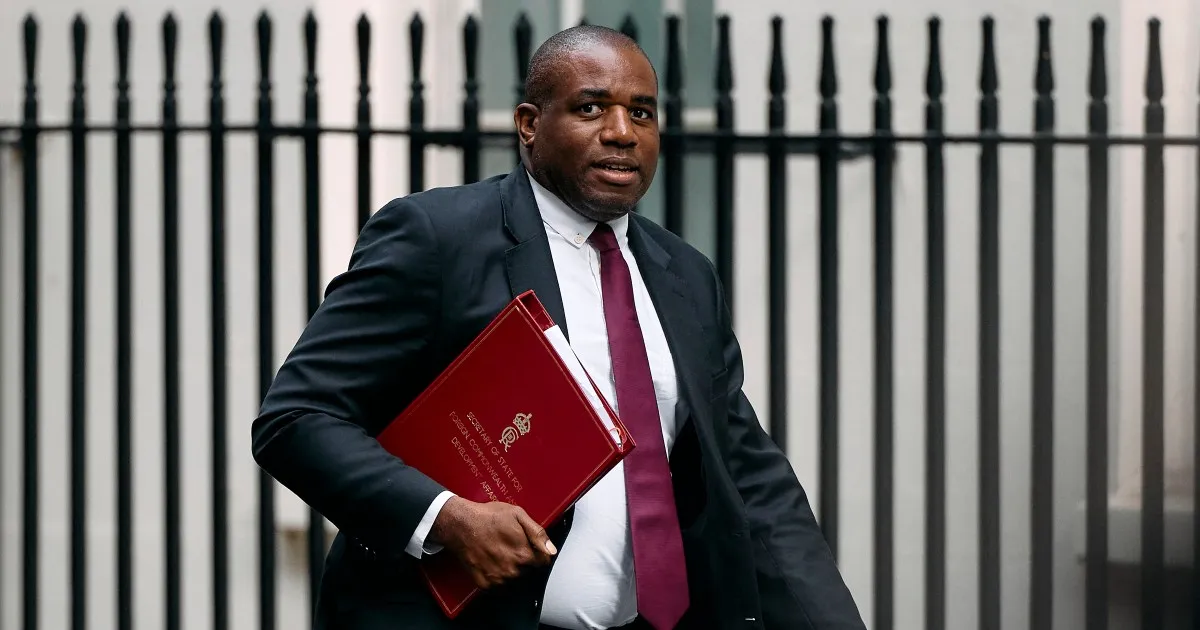
The UK is reducing jury trials for less serious criminal cases to address court delays, sparking controversy over the erosion of community participation in justice, with critics arguing it undermines fairness and historical legal protections.
Ruth Ellis's grandchildren are seeking a posthumous pardon for her, arguing she was a victim of domestic abuse and that her execution in 1955 was a miscarriage of justice, aiming to address historical wrongs and highlight issues of violence against women.
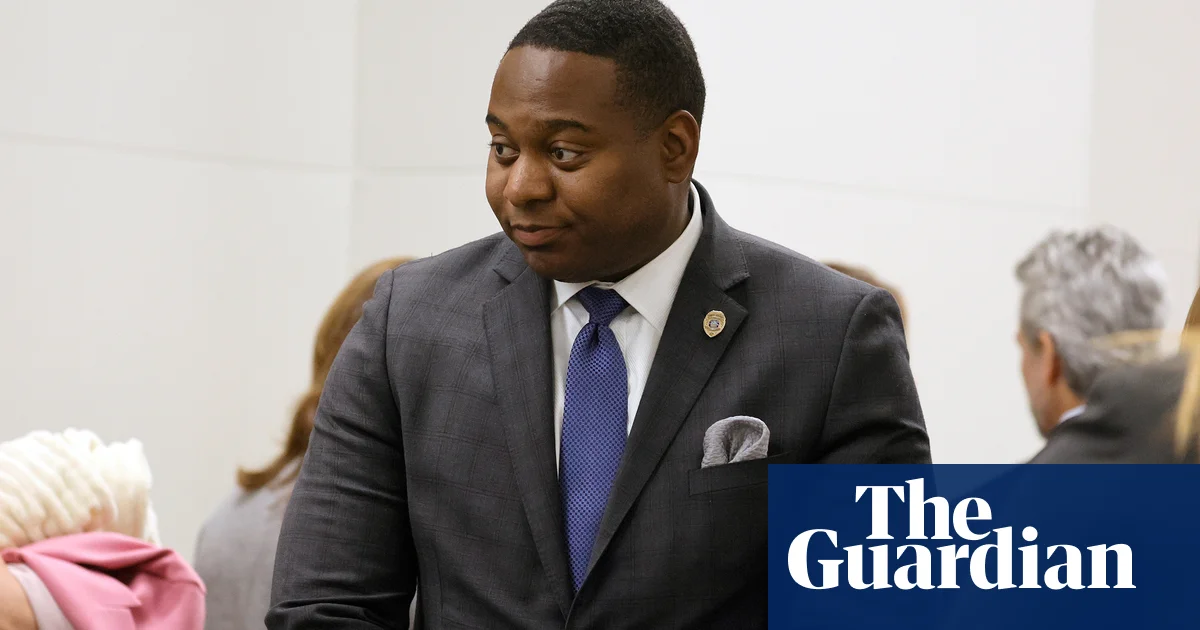
The Broward County State Attorney, Harold F. Pryor, plans to vacate up to 2,600 convictions from a controversial 1988-1990 drug sting operation by the Broward County Sheriff's Office, which was declared unlawful in 1993. The operation involved manufacturing and selling crack cocaine to arrest buyers, many of whom received lengthy sentences. Pryor aims to correct this injustice, acknowledging the severe impact on those convicted and their communities. The process will involve reviewing numerous cases to determine eligibility for record sealing or expungement.
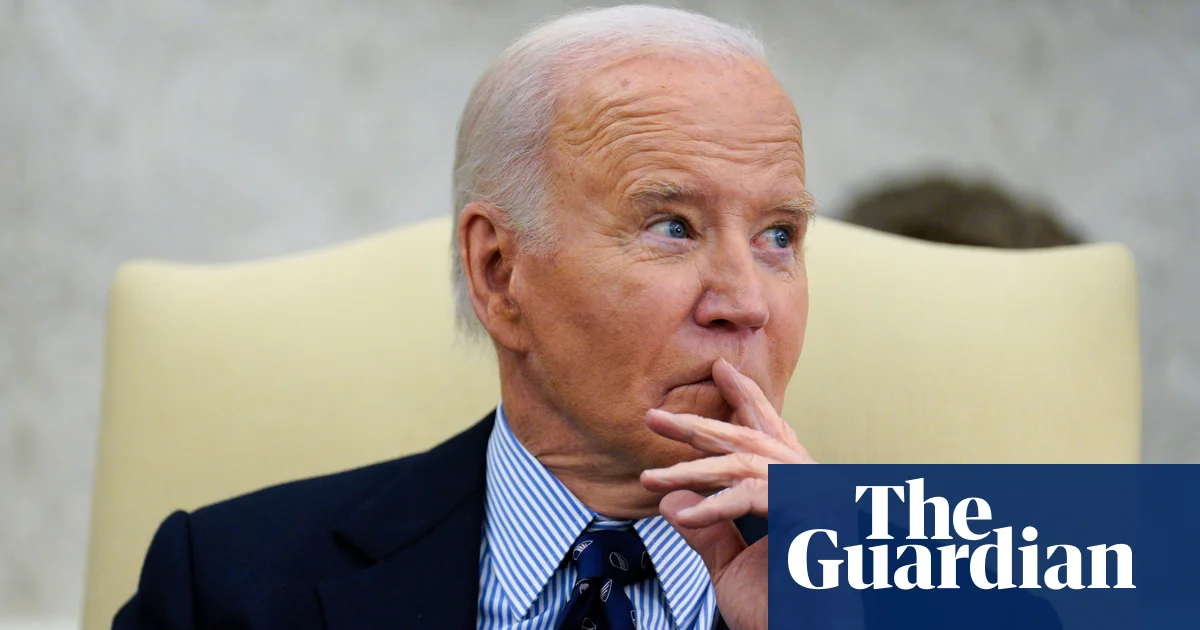
Following President Biden's pardon of his son Hunter, advocates and lawmakers are urging him to use his clemency powers to address broader injustices in the legal system. They are calling for clemency for federal death row inmates, individuals with marijuana convictions, Indigenous activist Leonard Peltier, those serving lengthy federal prison terms, and immigrants who served in the US military. These groups argue that clemency could correct past injustices and align with Biden's campaign promises on justice reform.
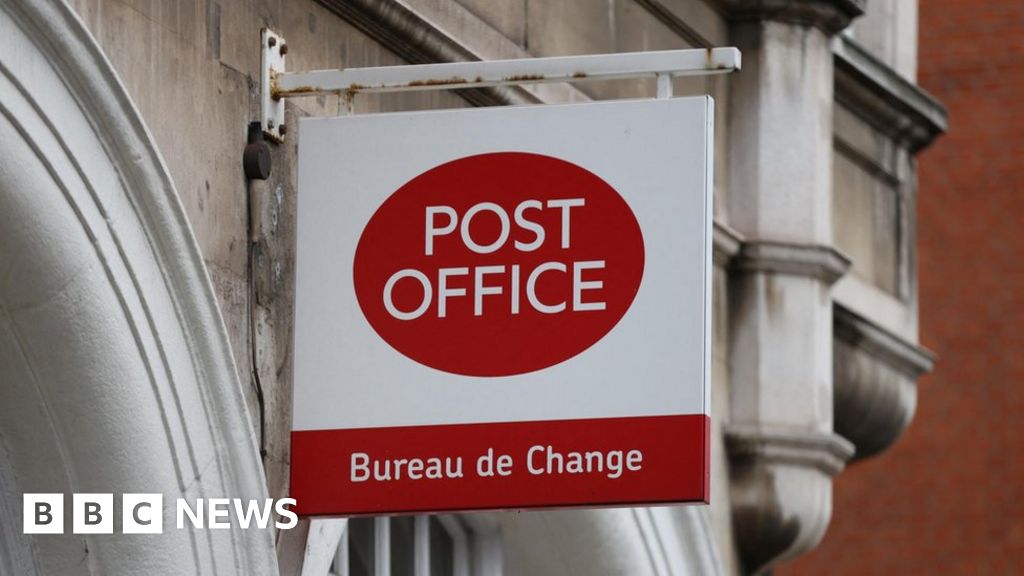
The British government plans to introduce new legislation to overturn the wrongful convictions of hundreds of Post Office managers who were wrongly accused of theft, fraud, and false accounting due to faulty computer software. This move comes after public outrage and a TV dramatization shed light on the miscarriage of justice. The legislation aims to swiftly exonerate and compensate those wrongfully convicted, with over 800 cases yet to be quashed. The unprecedented step of legislating to quash convictions has sparked concerns about political interference in the judicial process, but the government and main opposition argue that the exceptional circumstances of the cases warrant an exceptional response.
UK Prime Minister Rishi Sunak announced measures to overturn the convictions of over 900 post office branch managers wrongly accused of theft or fraud due to a faulty computer system, with plans to swiftly exonerate and compensate the victims. The scandal, caused by defective accounting software, led to financial ruin, imprisonment, and even suicides among the wrongly accused. A hit TV docudrama and a fraud investigation into the Post Office have brought renewed attention to the victims' battle for justice, with affected postal workers to receive compensation and those whose convictions are overturned entitled to significant payments.
The UK government is working to expedite the appeals of hundreds of sub-postmasters caught up in the Post Office IT scandal, with plans to potentially introduce new legislation to quash the convictions. Business Minister Kevin Hollinrake and Justice Secretary Alex Chalk are discussing options to resolve the outstanding criminal convictions, while also considering holding responsible parties, including technology company Fujitsu, accountable for compensating the victims. The scandal, which led to 736 sub-postmasters being prosecuted based on faulty software, has prompted calls for the Post Office to be stripped of its prosecution powers and for former convictions to be re-examined en masse. Additionally, there are efforts to strip former Post Office boss Paula Vennells of her CBE over the scandal, and retired judge Sir Gary Hickinbottom will chair an independent panel overseeing compensation payments to those whose convictions have been overturned.
French lawmakers have approved a justice reform bill that includes a provision allowing law enforcement to remotely tap into the cameras, microphones, and location services of phones and other internet-connected devices of suspected criminals involved in terrorism, organized crime, and other serious offenses. The measure has sparked concerns about invasion of privacy and potential abuses of power by the police. Critics argue that the bill fails to address the potential for misuse and violates human rights, while proponents argue that it is necessary to combat organized crime effectively. The bill also includes a significant budget increase for the judicial system and must go through a special commission before becoming law.
French lawmakers have approved a provision that would allow police to remotely activate the cameras, microphones, and GPS of suspects' phones and other devices. The measure, part of a wider justice reform bill, has been criticized as an authoritarian intrusion on privacy. It would apply to crimes punishable by at least five years' imprisonment and could also be used for suspects involved in terrorism, delinquency, and organized crime. The provision requires judicial approval and limits the duration of surveillance to six months. Sensitive professions such as doctors, journalists, lawyers, judges, and MPs would be exempt.
Israel's main international airport halted all departures as thousands protested against a controversial justice reform bill and Prime Minister Benjamin Netanyahu's decision to fire Defense Secretary Yoav Gallant, who spoke out against the planned overhaul of Israel's judiciary. Military and business leaders have also spoken out against the plan. Netanyahu's reforms would allow Knesset lawmakers to override decisions made by the country's supreme court, a change that's seen by many as a move to consolidate power. Protests have simmered in Israel for months since the planned changes were rolled out in December.