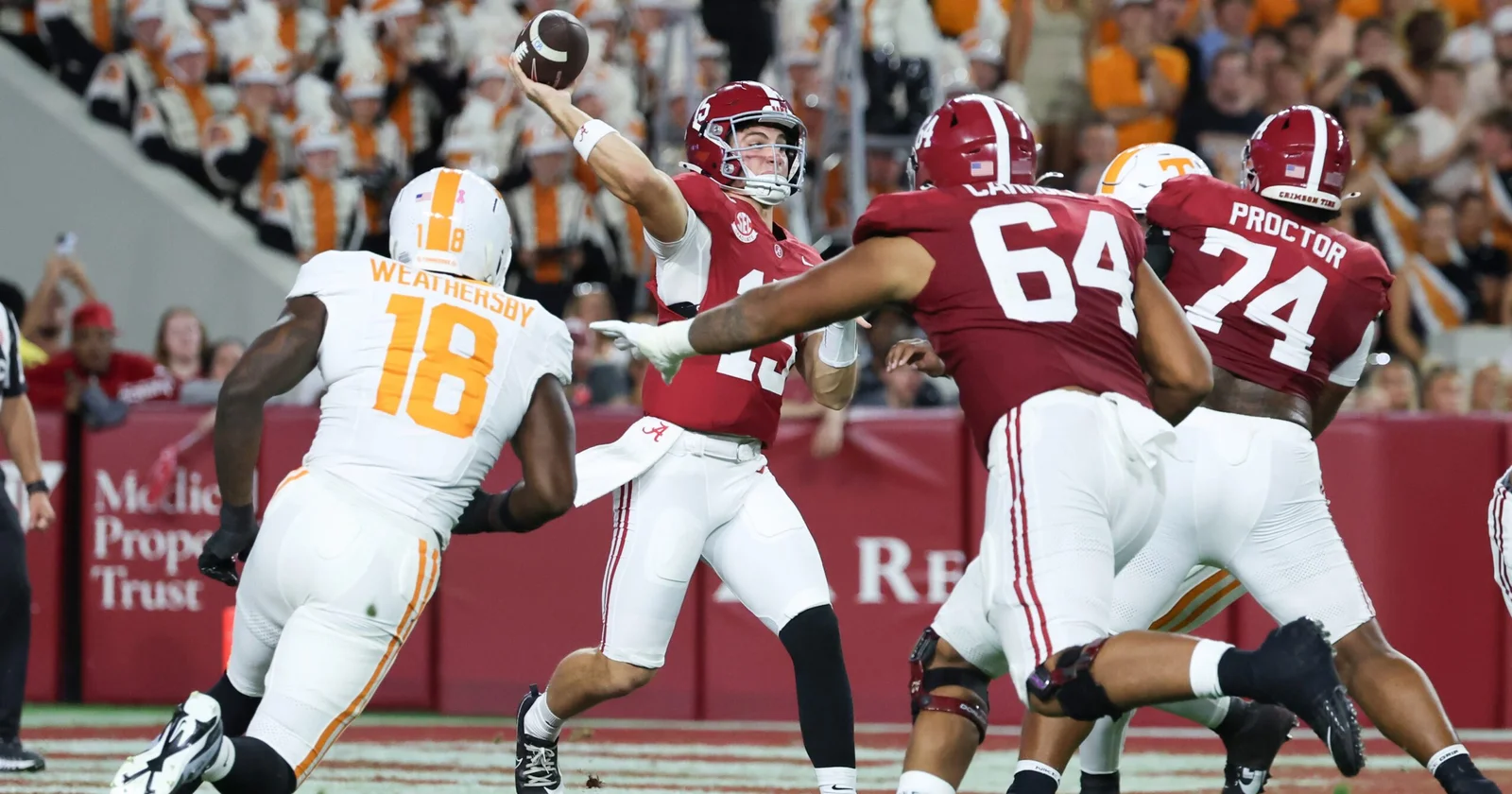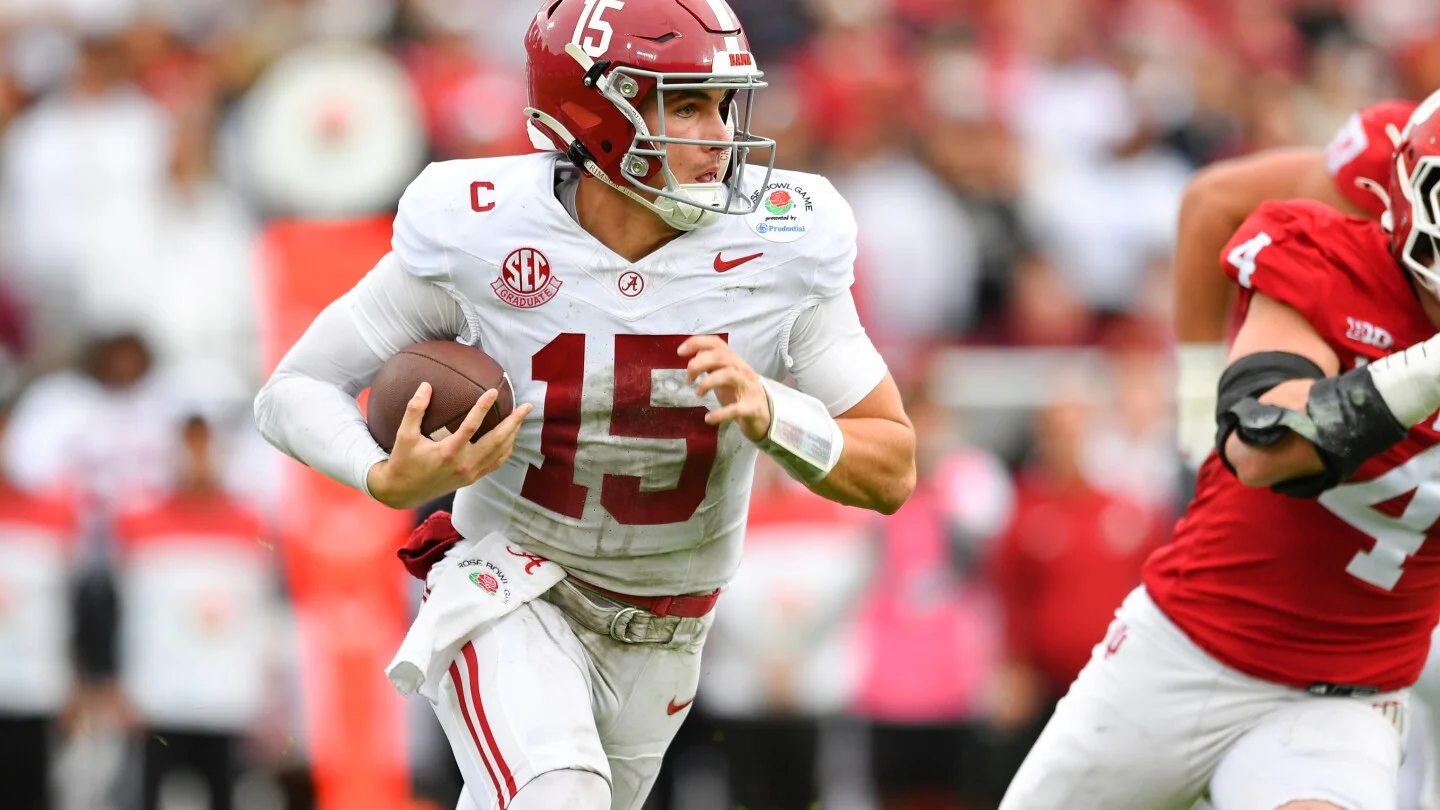
The article discusses the rising costs of college football transfers in the NIL and revenue-sharing era, with quarterbacks and offensive linemen among the highest-paid, and transfer costs varying significantly between Power 4 and Group of 5 schools, often reaching into the millions for top-tier players.
The NCAA is gradually allowing drafted players who haven't signed professional contracts to retain college eligibility, sparking debate about the rules' stability and fairness, especially as legal challenges expose their vulnerabilities. This shift could also impact college football, where drafted players might choose to return to college for financial or strategic reasons, reflecting a changing landscape in college sports governance.
Despite the implementation of a new spending cap and oversight measures for college football, schools are already exceeding limits through various workarounds, with player salaries and NIL deals reaching new heights, indicating that the 'market correction' promised by regulators is not yet materializing.
UCF Athletics announces full funding of the revenue share and NIL opportunities for student-athletes, supported by donations and partnerships, with a call for local businesses to join in expanding NIL collaborations and supporting the university's athletic programs.
Kentucky quarterback Zach Calzada, who is not currently playing due to injury, gained attention by showcasing his NIL earnings on social media, sparking criticism and viral discussion. After facing backlash, Calzada issued a public apology, highlighting ongoing culture concerns within Kentucky's football program amid its transfer portal activity.
The 2025 college football season has seen an unprecedented number of early coaching firings, with top programs like LSU, Penn State, and Florida replacing coaches despite recent successes. This trend is driven by the increasingly competitive landscape due to NIL and transfer portal effects, leading to quicker decisions by athletic departments to replace coaches before season's end, even when teams are still in playoff contention.
A judge in Ohio has granted a temporary restraining order allowing high school athletes to profit from their name, image, and likeness (NIL), potentially enabling all students in the Ohio High School Athletic Association to enter into NIL deals, marking a significant shift in high school sports regulations.
The article argues that the narrative of college football in crisis is false, highlighting that schools are willing to pay large buyouts and adapt financially, including NIL payments, to sustain the sport. It criticizes the idea that the sport is under threat, emphasizing that the real issue is the sport's evolving financial model and the need for schools to address longstanding antitrust violations, rather than a decline in the sport's viability.
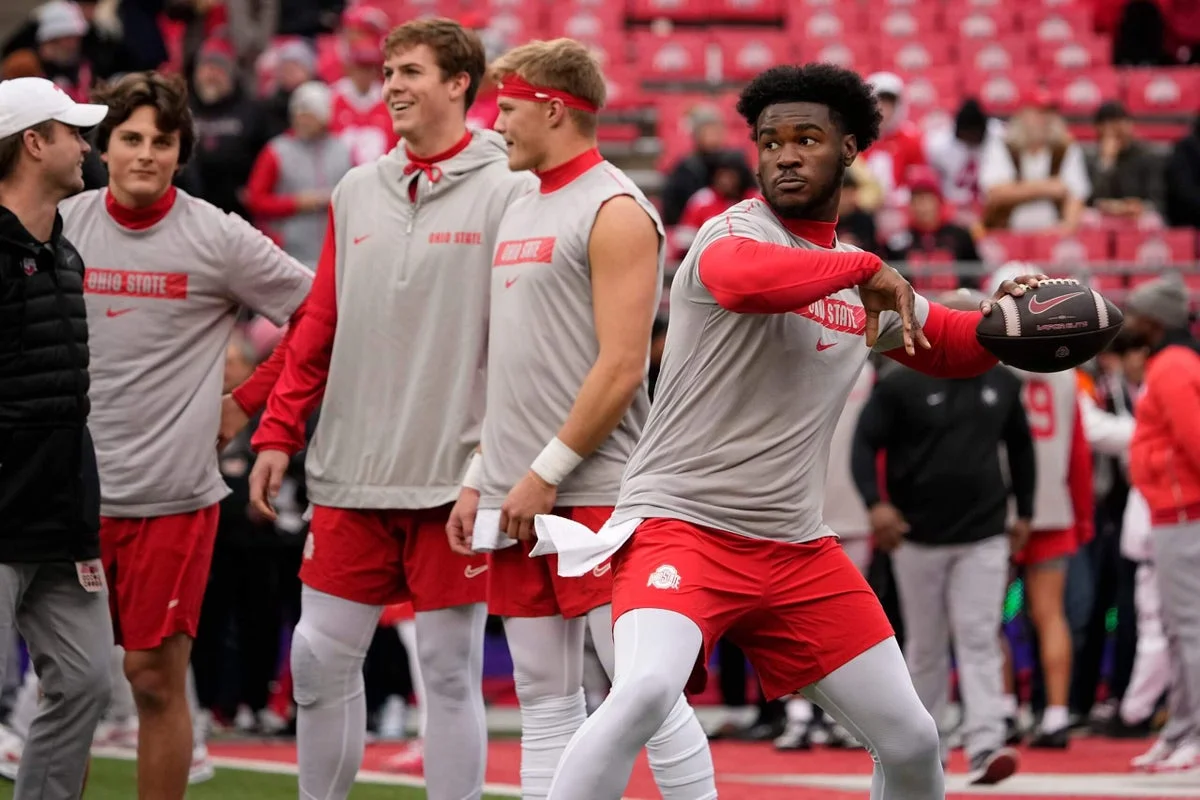
Jamier Brown, a top high school wide receiver committed to Ohio State, filed a lawsuit in Ohio to allow high school athletes to profit from their name, image, and likeness (NIL), arguing that current bans are outdated and unfair, and could help athletes financially and professionally while staying in Ohio.
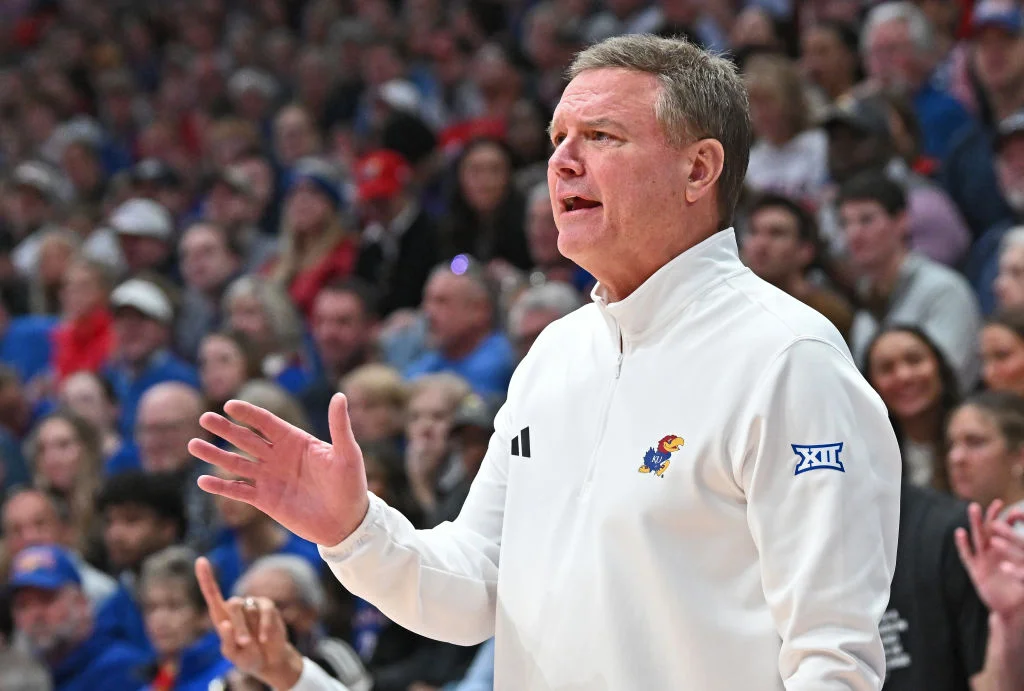
CBS Sports' Candid Coaches series highlights the best college basketball coaching hire of 2025, with Ben McCollum, Will Wade, and Sean Miller leading the poll. The article discusses the recent coaching carousel driven by NIL and transfer portal changes, emphasizing the significance of fit and coaching style in these high-profile hires, and reflects on past successful and unsuccessful coaching decisions.
Mike Gundy's tenure at Oklahoma State ended dramatically after a series of poor performances and an inability to adapt to recent changes in college football, such as NIL. Known for his defiant personality and success, Gundy was ultimately dismissed following a series of losses, including Oklahoma State's worst defeat since 1907, ending a 20-year coaching era marked by both triumphs and controversies.
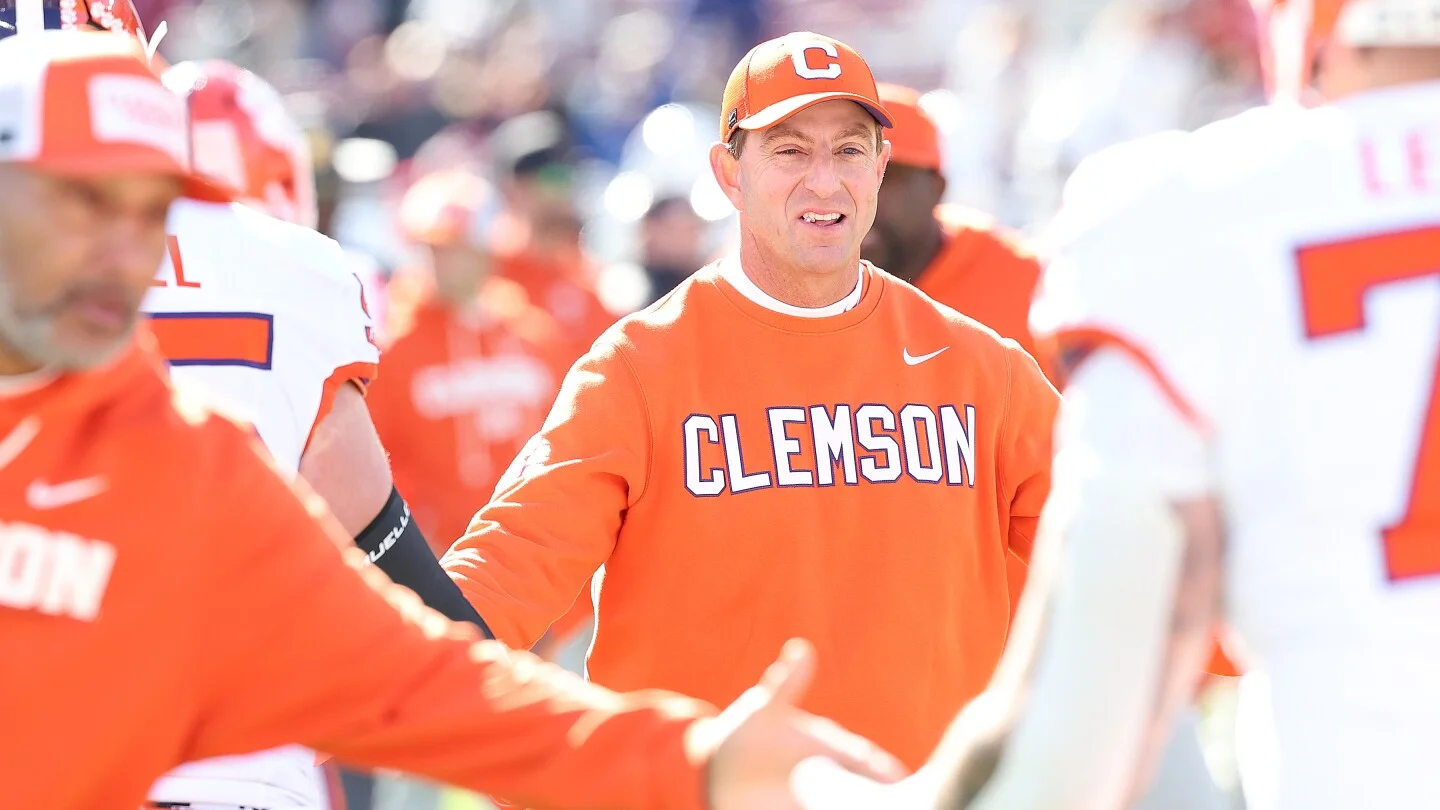
Stephen A. Smith reacted to Dabo Swinney's comments on Clemson fans' criticism amid a 1-2 start, criticizing Swinney's reluctance to adapt to the modern college football landscape involving NIL and transfer portal, and questioning how Clemson's program has declined despite Swinney's past success.
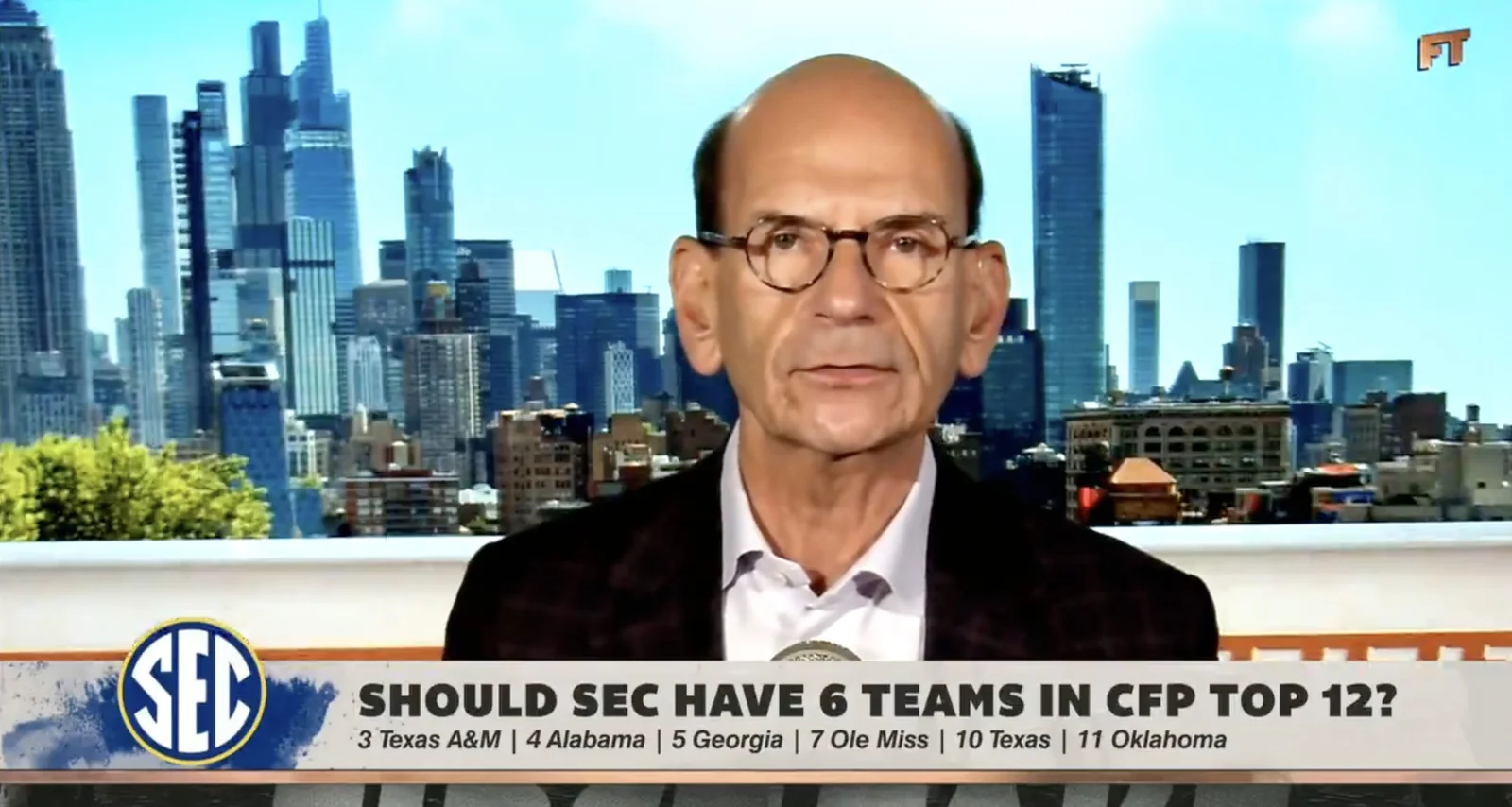
The article discusses the shifting power dynamics in college football, highlighting how NIL and financial resources are leveling the playing field between the Big Ten and SEC, with the Big Ten gaining an edge due to wealthier alumni and demographic shifts, despite ongoing recruiting battles across regions.
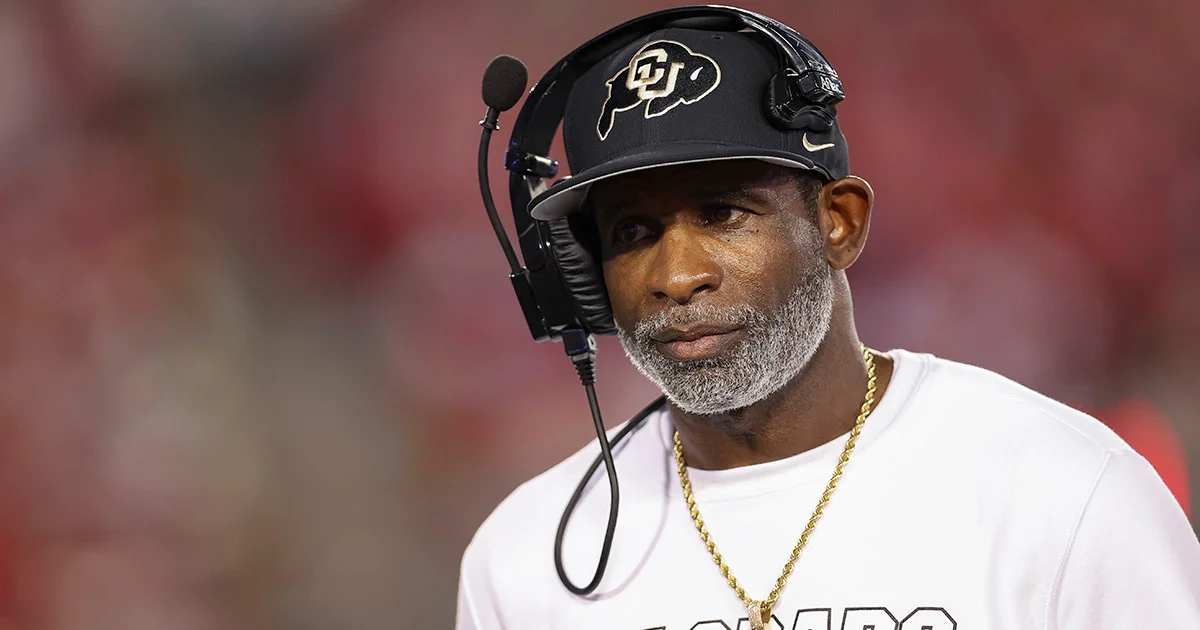
Deion Sanders proposes that college football players should be paid for playoff appearances and wins, arguing that players generate significant value for their programs and deserve compensation, contrasting with traditional views on college athletics and NIL debates.
Jimbo Fisher expressed his desire to return to college coaching, citing his success and love for the game, and is seeking the right opportunity, despite his recent departure from Texas A&M and the high buyout costs involved.