Tag

Led Bulbs

All articles tagged with #led bulbs

technology1 year ago

Why LED Bulbs Burn Out Quickly: Expert Insights

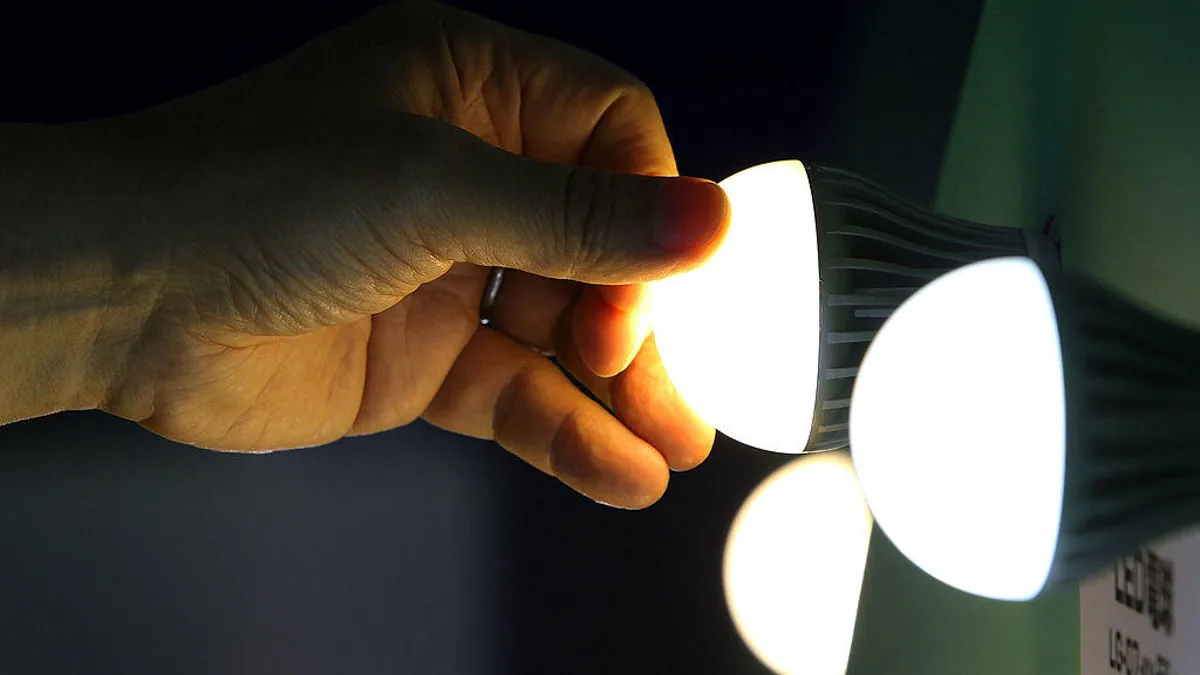
LED bulbs, while generally longer-lasting than incandescent bulbs, can fail prematurely due to several factors. These include misleading lifespan ratings, overheating of internal components, poor power quality, improper installation, high humidity, incompatibility with old dimmer switches, and quality control issues during manufacturing. To ensure longevity, it's recommended to choose bulbs from reputable brands and consider environmental factors like heat and humidity.

technology1 year ago

Why Your LED Bulbs Burn Out Prematurely

LED bulbs often fail prematurely due to several factors, despite their advertised long lifespans. These include misleading lifespan ratings, overheating of LED drivers, poor power quality, improper installation, high humidity, incompatibility with old dimmers, and quality control issues during manufacturing. To ensure longevity, consumers should consider buying from reputable brands, ensuring proper installation, and using compatible dimmers or smart bulbs.

energy-efficiency2 years ago

The Cost of Christmas Lights: Saving Tips and Energy Efficiency

Americans are using more energy than ever on their holiday light displays, with some neighborhoods leaving no patch of turf unilluminated. To save on electricity costs, experts recommend switching to energy-efficient LED bulbs, which use at least 75% less energy and last up to 25 times longer than traditional incandescent lights. Other tips include using solar-powered lights, putting lights on timers, reconsidering inflatable decorations, being mindful of phantom power, and turning off lights when leaving town. Additionally, taking down lights promptly after the holiday season is advised.

energy2 years ago

The Fate of Compact Fluorescent Lightbulbs: Banned or Not?

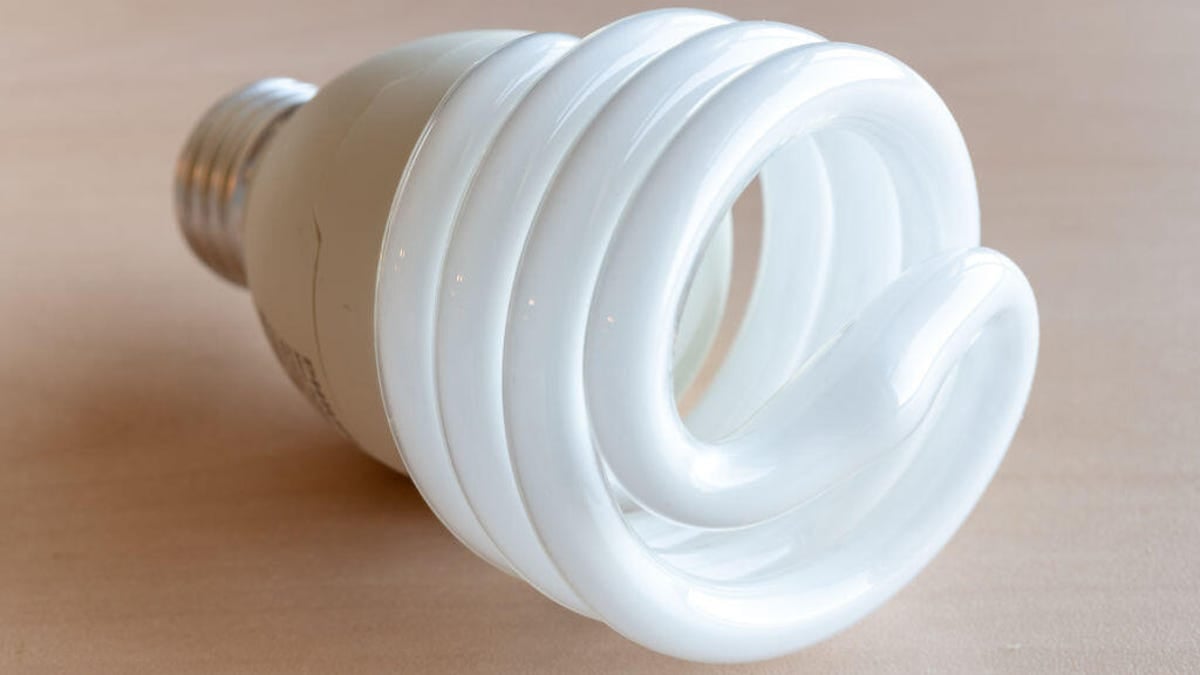
The Biden administration has proposed regulations to phase out compact fluorescent lightbulbs (CFLs) as part of its climate change strategy, following the ban on incandescent lightbulbs in the US. CFLs, which last longer than incandescents but use more electricity than LED bulbs, contain trace amounts of mercury and require proper disposal. While CFLs are more energy-efficient than incandescents, they are less efficient than LEDs. Several states, including Vermont and California, have already implemented or are considering bans on CFLs due to their environmental impact.

energy2 years ago

"US Implements New Rules: Say Goodbye to Incandescent Bulbs"

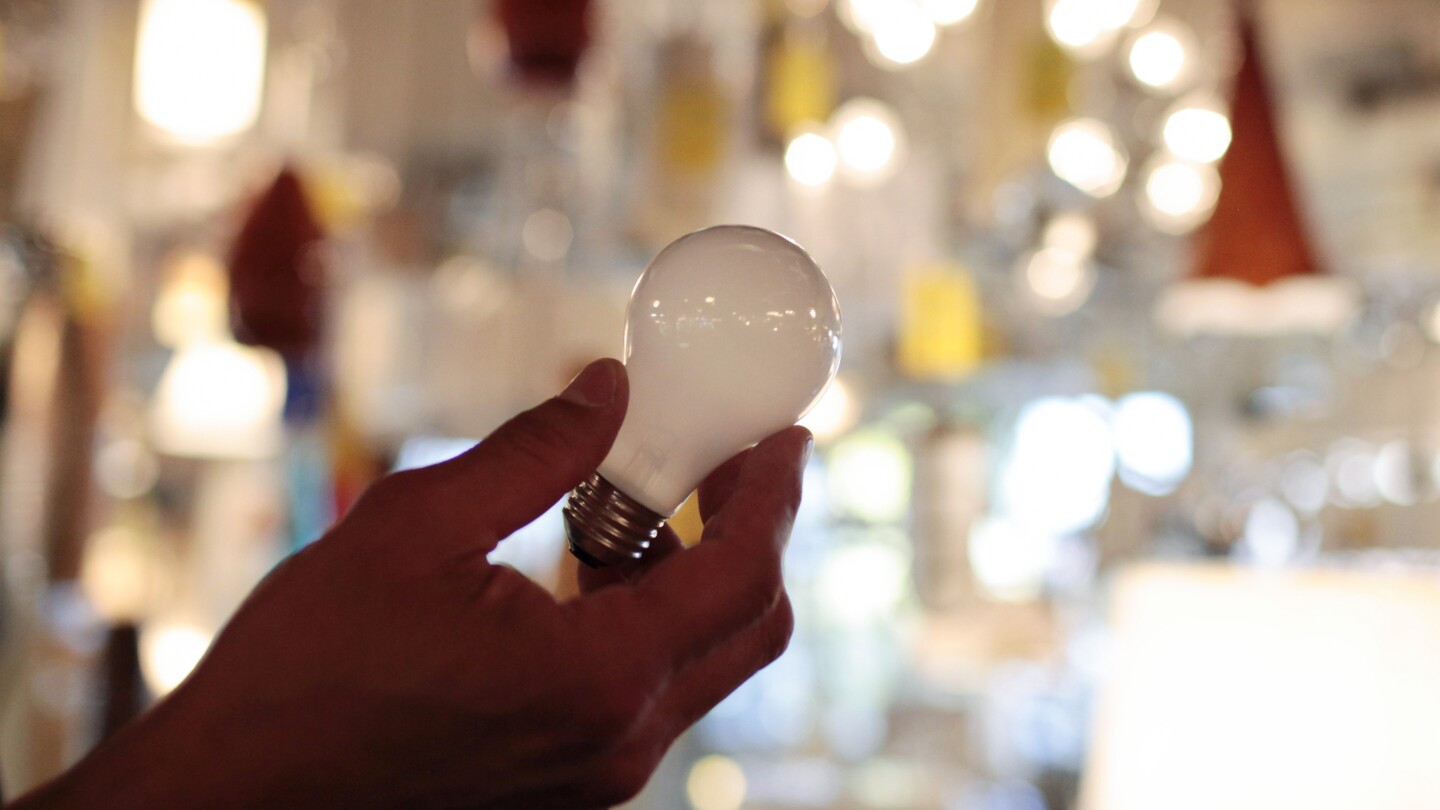
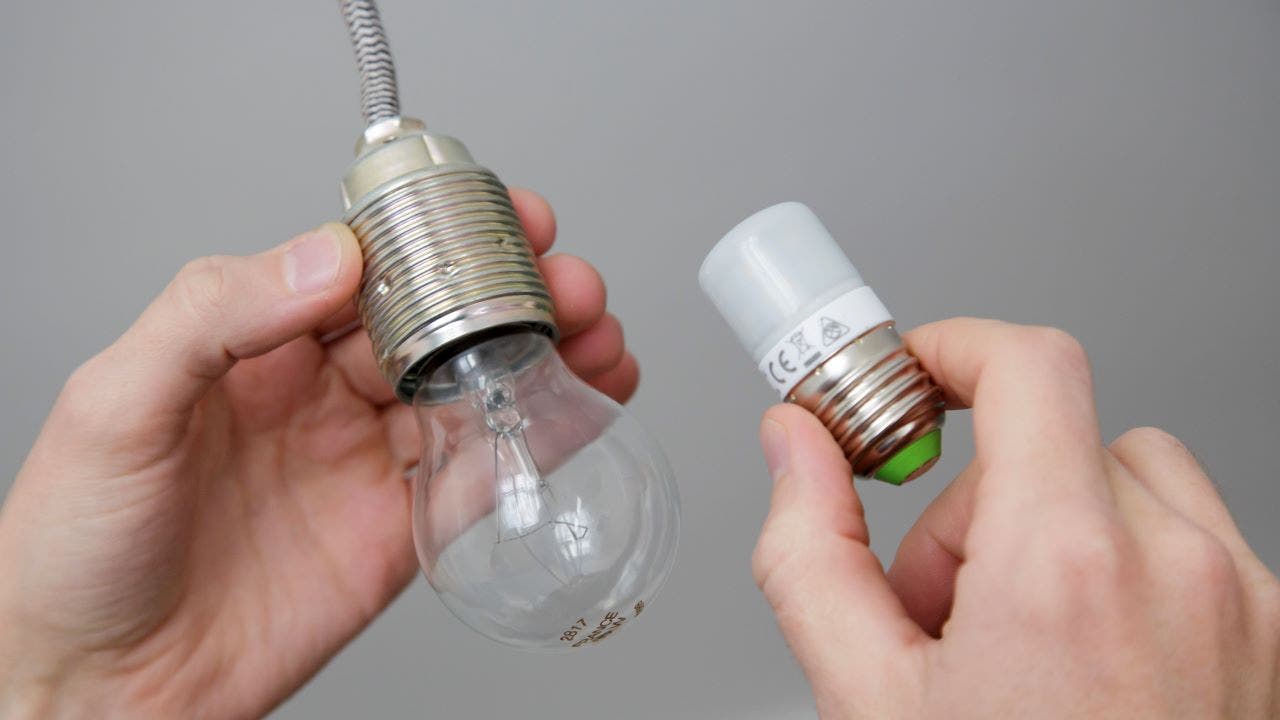
New federal energy efficiency regulations have gone into effect in the US, effectively ending the sale and manufacture of incandescent bulbs that trace their origin to an 1880 Thomas Edison patent. The rules establish strict efficiency standards for bulbs used in homes and businesses, banning those that don't meet the requirements. However, advances in LED technology and manufacturing have made LED bulbs more affordable and of higher quality, leading to a significant increase in their usage. Consumers can save money and reduce carbon emissions by switching to LED bulbs, which use up to 90% less energy and last up to 25 times longer than incandescent bulbs.

energy2 years ago

"Say goodbye to incandescent light bulbs: Everything you need to know about the ban"

The federal ban on incandescent light bulbs has finally taken effect, more than a decade after it was first proposed. The rule, implemented by the Biden administration, requires light bulbs to emit at least 45 lumens per watt, effectively banning most incandescent bulbs. However, there are exceptions for certain types of lamps and household appliances. The Department of Energy expects the ban to save consumers nearly $3 billion on utility bills and reduce carbon emissions by 222 million metric tons over the next 30 years. Critics argue that the ban is unnecessary since more energy-efficient options like LED bulbs are already available. Additionally, the Biden administration plans to further increase light bulb efficiency, potentially banning compact fluorescent bulbs by the end of 2024.

energy2 years ago

The Ban on 'Normal' Incandescent Light Bulbs: Is the Incandescent Light Bulb Finally Dead?

As of August 2023, the sale of "normal" incandescent light bulbs is officially banned in the United States, although they can still be used. The ban covers any bulb that generates less than 45 lumens per watt, effectively ruling out incandescent and halogen bulbs. However, there are exceptions for various specialized bulbs. LED bulbs are recommended as a more energy-efficient alternative. The ban has been in the works for a year and will be enforced by the Department of Energy, with companies facing legal action for non-compliance. The issue has been framed as partisan, but the push for higher light bulb efficiency has been a bipartisan effort.

energy2 years ago

The incandescent light bulb ban: essential information

The ban on incandescent light bulbs in the US has finally gone into effect, with the rule stating that light bulbs must emit a minimum of 45 lumens per watt. This effectively outlaws the manufacture and sale of common incandescent bulbs, but certain specialty bulbs are still allowed. LED bulbs, which are more energy-efficient, are a popular alternative. The ban is expected to save consumers billions of dollars on utility bills and reduce carbon emissions. The next target for a ban is compact fluorescent light bulbs.

home2 years ago

"Philips' LED bulb slashes electric bills by 50%"

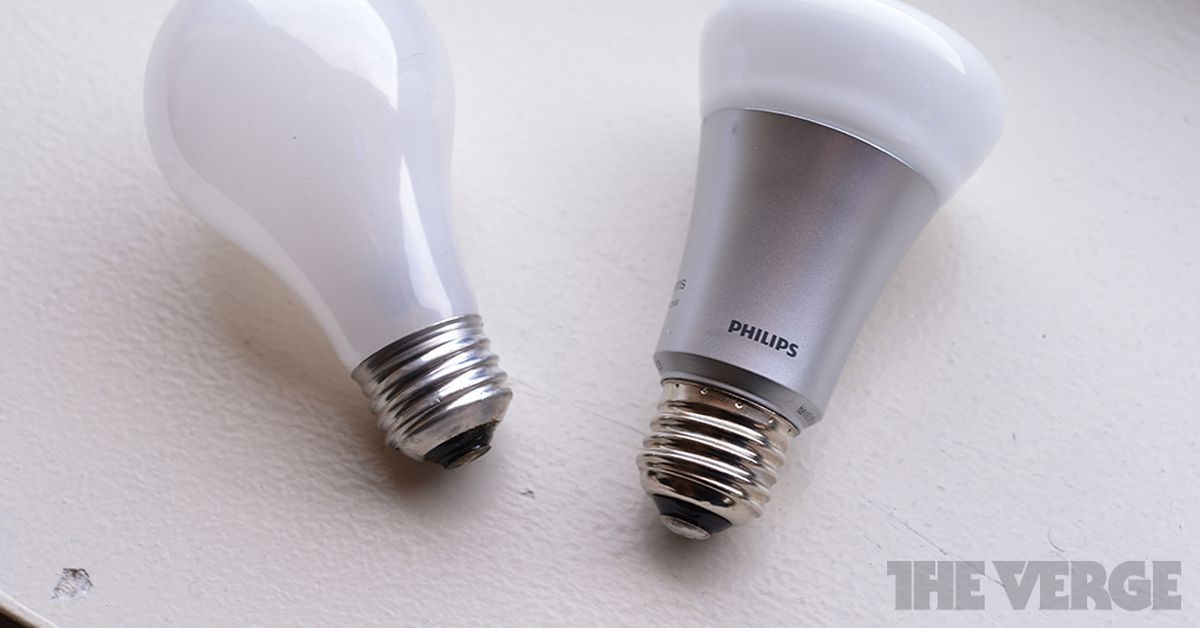
Philips has launched its Ultra Efficient LED bulbs, which use just 4.5 watts of energy, about half as much as some of the more popular LED bulbs available today. The bulbs are estimated to cost as little as 55 cents per year and last up to 45.7 years. The bulbs are being sold exclusively at Walmart and come in three sizes and two color temperatures. However, the bulbs are not dimmable and are more expensive upfront than similar bulbs.

energy-efficiency2 years ago

Biden administration to implement light bulb bans soon.

The Biden administration is set to implement a nationwide ban on incandescent light bulbs, with full enforcement beginning on August 1, 2023. The ban will require retailers to sell only light-emitting diode (LED) alternatives, with the aim of saving consumers an estimated $3 billion per year on utility bills and cutting carbon emissions by 222 million metric tons over the next three decades. While LEDs are more efficient and longer-lasting than incandescent bulbs, they are currently more expensive and inferior for certain functions such as dimming. Critics have blasted the rules as federal overreach and unnecessary given that the industry has improved technology without government intervention.