Tag

Hawaiian Volcano Observatory

All articles tagged with #hawaiian volcano observatory

natural-disasters1 year ago

Series of Earthquakes Shake Hawaii, Minimal Damage Reported

A magnitude 5.7 earthquake struck Mauna Loa on Hawaii's Big Island, causing items to fall off shelves in nearby towns but not resulting in major damage. No tsunami was expected, and the earthquake, initially reported as magnitude 6.3, was attributed to the weight of the Hawaiian Islands on the Earth’s surface. The Hawaiian Volcano Observatory stated that the earthquake didn't affect Mauna Loa or neighboring Kilauea volcano and wouldn't cause significant infrastructure damage. The Big Island, mostly rural, experiences earthquakes on average once every 1.5 years, with this one also being felt in Honolulu.

natural-disasters2 years ago

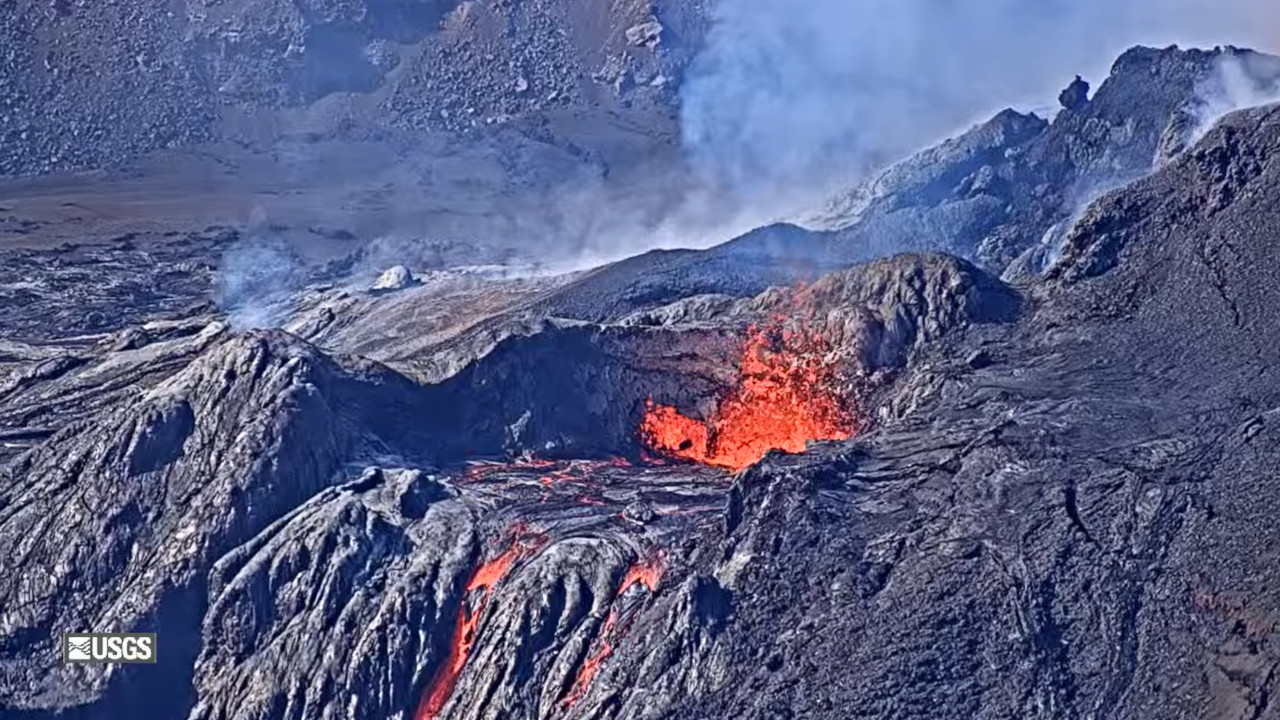
Kilauea Volcano: Recent Eruptions and Alert Level Updates

Kilauea, Hawaii's most active volcano, erupted for the second time in three months, with fountains of lava reaching almost 500 feet into the air. The eruption, which occurred in the national park, poses no immediate threat to residents, but volcanic smog could be a health risk to those with respiratory issues. The Hawaiian Volcano Observatory had been monitoring the volcano since August due to increasing earthquakes, ground swelling, and magma flow. The duration of the eruption is uncertain, but it is not expected to be as destructive as the 2018 eruption that destroyed over 700 homes.

science-and-environment2 years ago

"Century-Long Importance of Tilt Measurements in Volcano Monitoring"

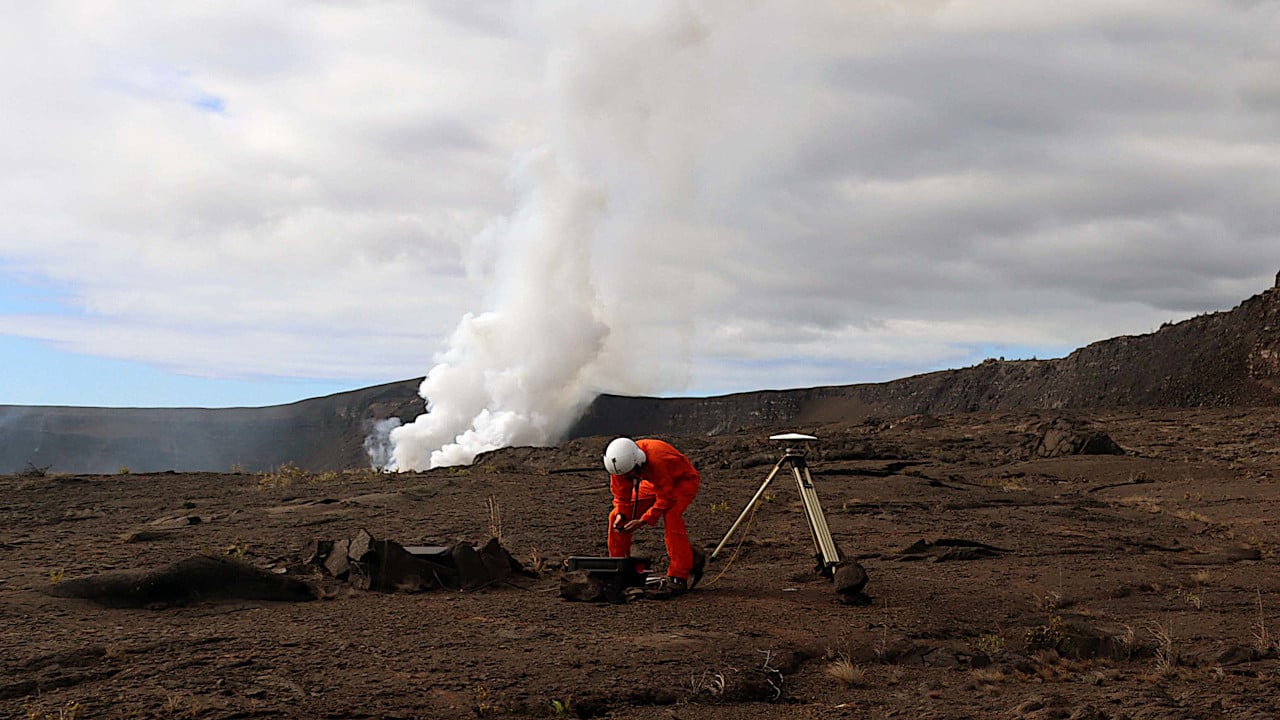
Tilt measurements have been crucial for monitoring and understanding volcano behavior for over a century. The Hawaiian Volcano Observatory (HVO) has been collecting tilt data since the early 1900s, initially using seismometers and later developing water tube tiltmeters and electronic tiltmeters. Continuous records of tilt have revealed cycles of inflation and deflation between eruptions, providing insights into magma chamber activity. Recent tilt records at Kīlauea's summit resemble those from the 1950s-1970s, indicating similarities in the volcano's behavior before the 2018 eruption. This historical data helps scientists make forecasts and test hypotheses about future volcanic activity.

science-and-environment2 years ago

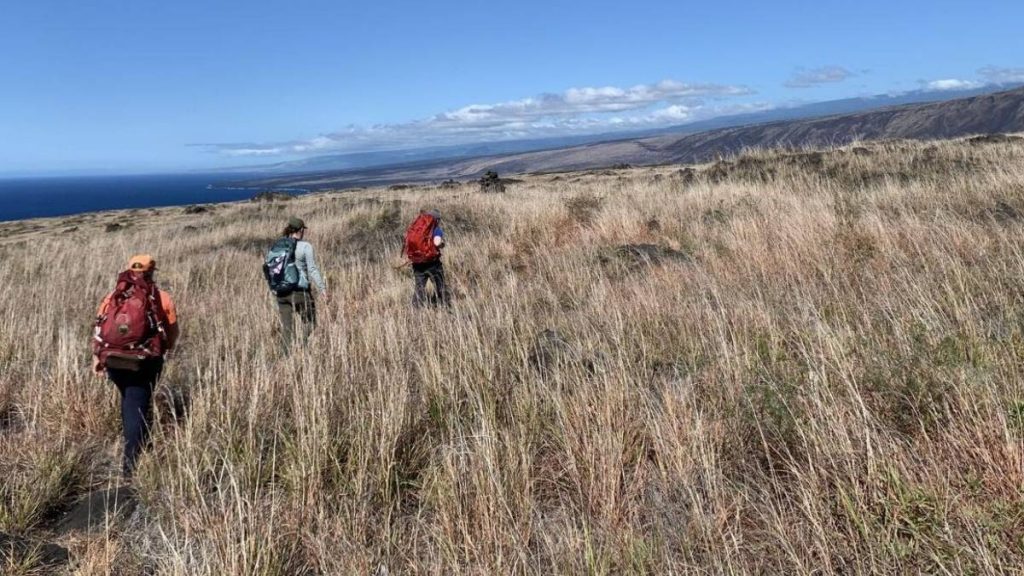
Uncovering Kīlauea's Explosive Eruption: The Hunt for Tephra

Scientists from the Hawaiian Volcano Observatory are conducting fieldwork to study the deposits from one of Kīlauea's largest explosive eruptions, known as the K-3 eruption. By analyzing samples collected from the eruption site, they aim to understand the intensity, size, and characteristics of the eruption. This research is crucial for interpreting modern monitoring signals and assessing the potential impact of similar eruptions in the future, which could be devastating to nearby communities and disrupt air traffic.

science2 years ago

Using Ocean Noise to Monitor Kīlauea Volcano

Scientists at the Hawaiian Volcano Observatory are using ocean noise velocity as a tool to monitor volcanic activity at Kīlauea volcano. Changes in the velocity of ocean noise signals can indicate the opening and closing of fracture systems caused by magma movement beneath the surface. By analyzing these velocity changes, scientists can gain insights into the behavior of the volcano and potentially forecast volcanic activity. This technique is being developed for real-time monitoring at Kīlauea and Mauna Loa volcanoes.

natural-disasters2 years ago

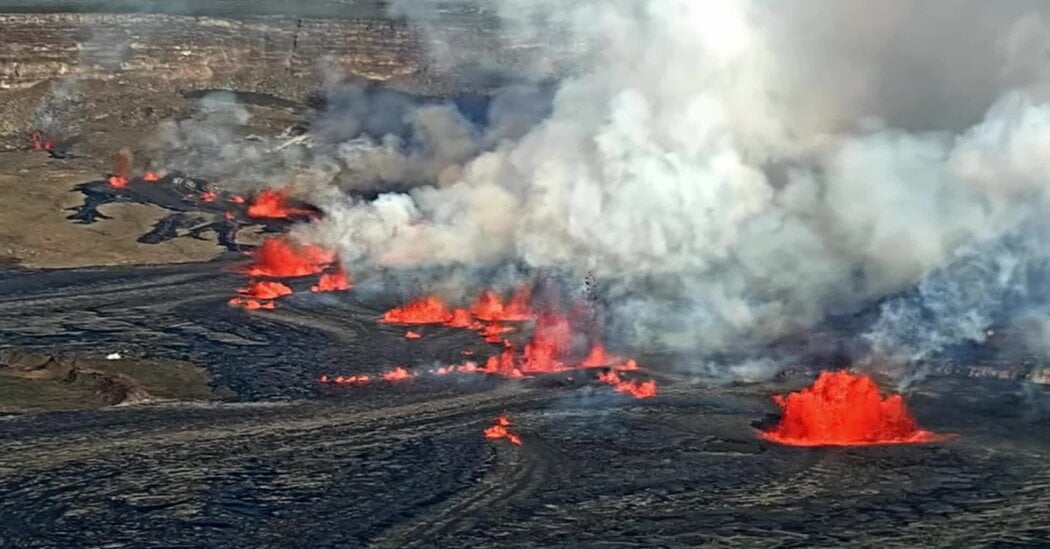
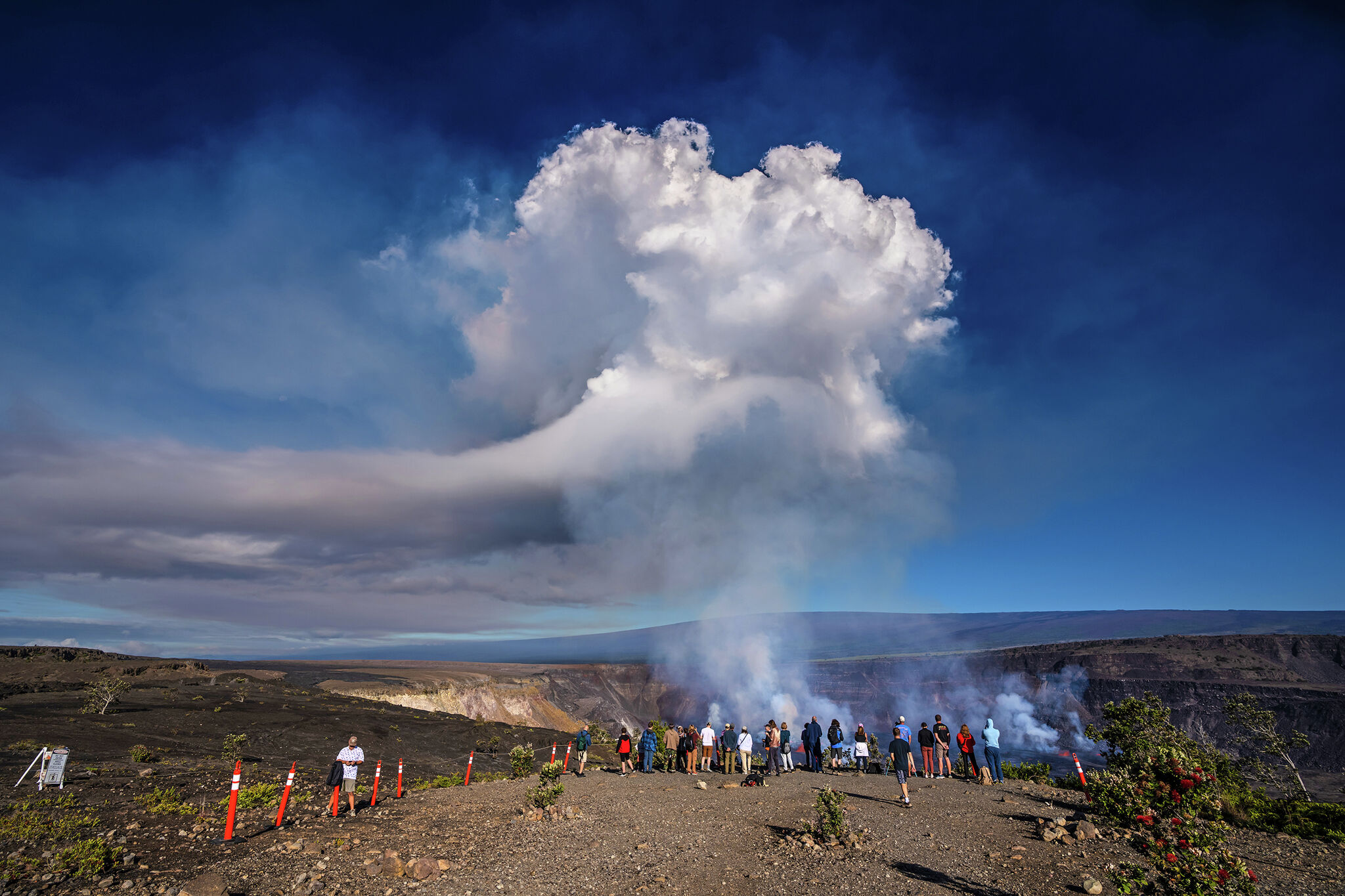
Kilauea volcano's fiery eruption captivates tourists and photographers.

Hawaii's Kilauea volcano erupted after a three-month pause, with lava fountains shooting up 200 feet from the Halemaumau crater. The eruption is contained to the summit, and there is no threat to surrounding communities. The Hawaiian Volcano Observatory raised the volcano alert level to "warning" but has since lowered it to "watch." Hawaii Volcanoes National Park is open 24 hours a day, and visitors can view the spectacle from marked trails.