A large international clinical trial found that daily fish oil supplements significantly reduce serious heart and vascular complications in dialysis patients, lowering major cardiovascular events by 43%.
A new global study reveals that chronic kidney disease affects nearly 800 million people worldwide, making it one of the top 10 causes of death, with increasing prevalence linked to aging populations and lifestyle factors, highlighting the urgent need for early detection and treatment.
Ike Turner Jr., son of Tina and Ike Turner, died at 67 due to kidney failure, with a history of health issues, and was involved in the music industry as a musician and sound engineer.
Ike Turner Jr., son of Tina and Ike Turner, died at 67 from kidney failure in Los Angeles, just a day after his birthday, amid a history of health issues including heart problems and a recent stroke. His death follows the passing of Tina Turner in May 2023 and other family tragedies.
Ike Turner Jr., the son of Tina and Ike Turner, has died at age 67 in Los Angeles due to kidney failure, after battling severe health issues including a stroke and heart problems. He was adopted by Tina Turner early in life and briefly worked as her sound engineer, remaining connected to his parents' musical legacy.
A 2-year-old girl from Oklahoma is critically ill after contracting three strains of E. coli from swimming in Keystone Lake, leading to severe complications including kidney failure and ongoing dialysis, with her condition still uncertain and her family urging vigilance and early medical attention after lake visits.
A 31-year-old woman on dialysis in the UK developed pica, eating foam from her chair to try and absorb excess fluid due to kidney failure, highlighting an unusual and under-diagnosed behavior in renal patients. Her condition was managed through education, family involvement, and laxatives, with no evidence of nutritional deficiencies or psychosocial triggers.
A man from St. George is the latest in his family to suffer from kidney failure caused by a rare genetic condition, highlighting a hereditary health issue affecting multiple family members.
Former NBA player Nate Robinson, a three-time slam dunk champion, has been battling kidney failure for years and is in urgent need of a transplant. Despite his fame and resources, Robinson has struggled to navigate the complex healthcare system and has been undergoing dialysis multiple times a week. His story highlights the challenges faced by many Americans, particularly Black Americans, in accessing timely and effective medical care. Robinson's journey has inspired many to offer help, and he remains hopeful for a transplant while raising awareness about kidney disease.
Former NBA player Nate Robinson revealed that he is in urgent need of a new kidney, stating that he doesn't have long to live without one. Robinson has been undergoing dialysis treatment for renal kidney failure and emphasized the seriousness of his condition, expressing gratitude for the treatment that is helping him stay alive. Despite the challenges, he is striving to maintain a sense of normalcy and enjoy time with his family while also pursuing healthier habits.
Former NBA player Nate Robinson, who has been battling kidney failure for six years, revealed that he is in urgent need of a kidney transplant and fears he doesn't have long to live if he doesn't receive one. Robinson, 39, undergoes dialysis three times a week for four hours a day and experiences painful side effects, including vomiting. His kidney issues stem from high blood pressure during his NBA career, and he now advocates for greater awareness of kidney health. Despite his health struggles, Robinson remains grateful for each day and the opportunity to spend time with his family.
Former NBA star Nate Robinson, who has been battling renal kidney failure for the past four years, revealed that he "doesn't have long to live" if he can't find a replacement kidney. He currently relies on dialysis to survive and has made significant dietary changes to improve his health. Despite the challenges, Robinson remains positive and grateful for each day, emphasizing the importance of staying humble and cherishing every opportunity.
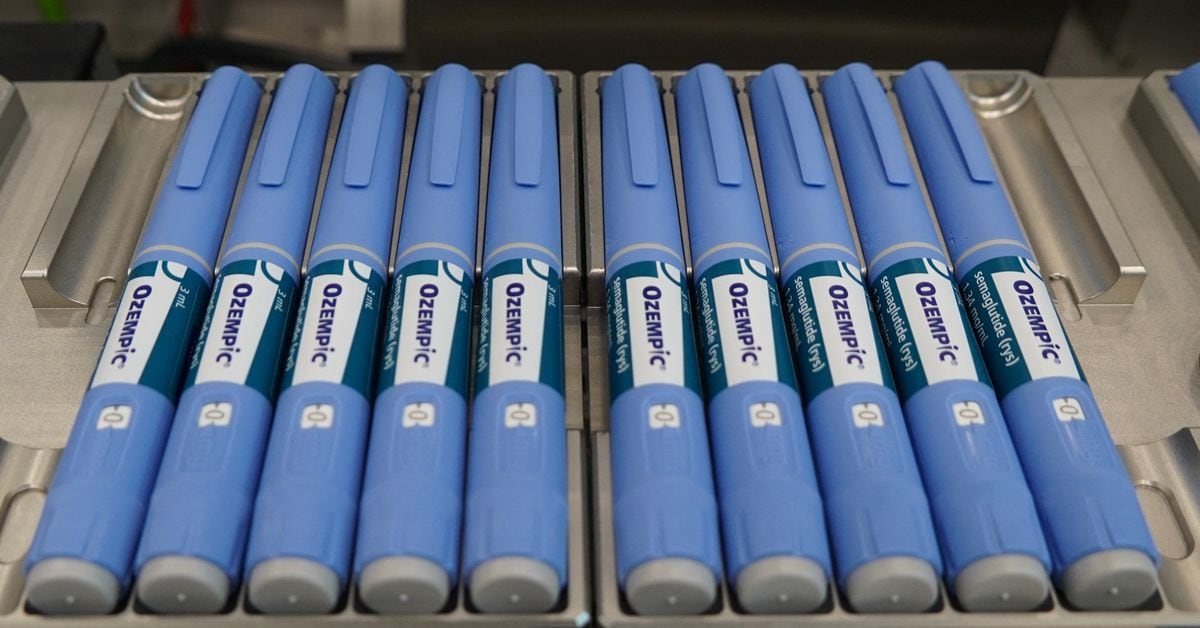
Novo Nordisk's diabetes drug Ozempic has shown early effectiveness in treating kidney failure, according to an interim analysis of a study. The positive results have caused shares of major dialysis providers, including Fresenius Medical Care, Baxter International, and DaVita, to plummet. Ozempic, along with its sister drug Wegovy, has the potential to impact fields beyond diabetes and obesity, as recent studies have shown their effectiveness in reducing the risk of heart attacks and strokes. The trial's early termination suggests a faster effect than anticipated, and analysts believe that drugs like Ozempic could help reduce the number of kidney disease patients over time.
Novo Nordisk has announced that it will end a clinical trial studying its diabetes drug, Ozempic, for the treatment of kidney failure in diabetes patients ahead of schedule. An interim analysis showed clear signs of success, prompting the independent data monitoring board overseeing the study to recommend stopping the trial early. The trial aimed to determine if Ozempic, which contains the active ingredient semaglutide, could delay the progression of chronic kidney disease and reduce the risk of kidney and heart-related deaths. Novo Nordisk's decision reflects the growing recognition of the therapeutic benefits of GLP-1 receptor agonists like Ozempic. The company's success with semaglutide-based drugs has propelled its market value and contributed to an economic boom in Denmark.
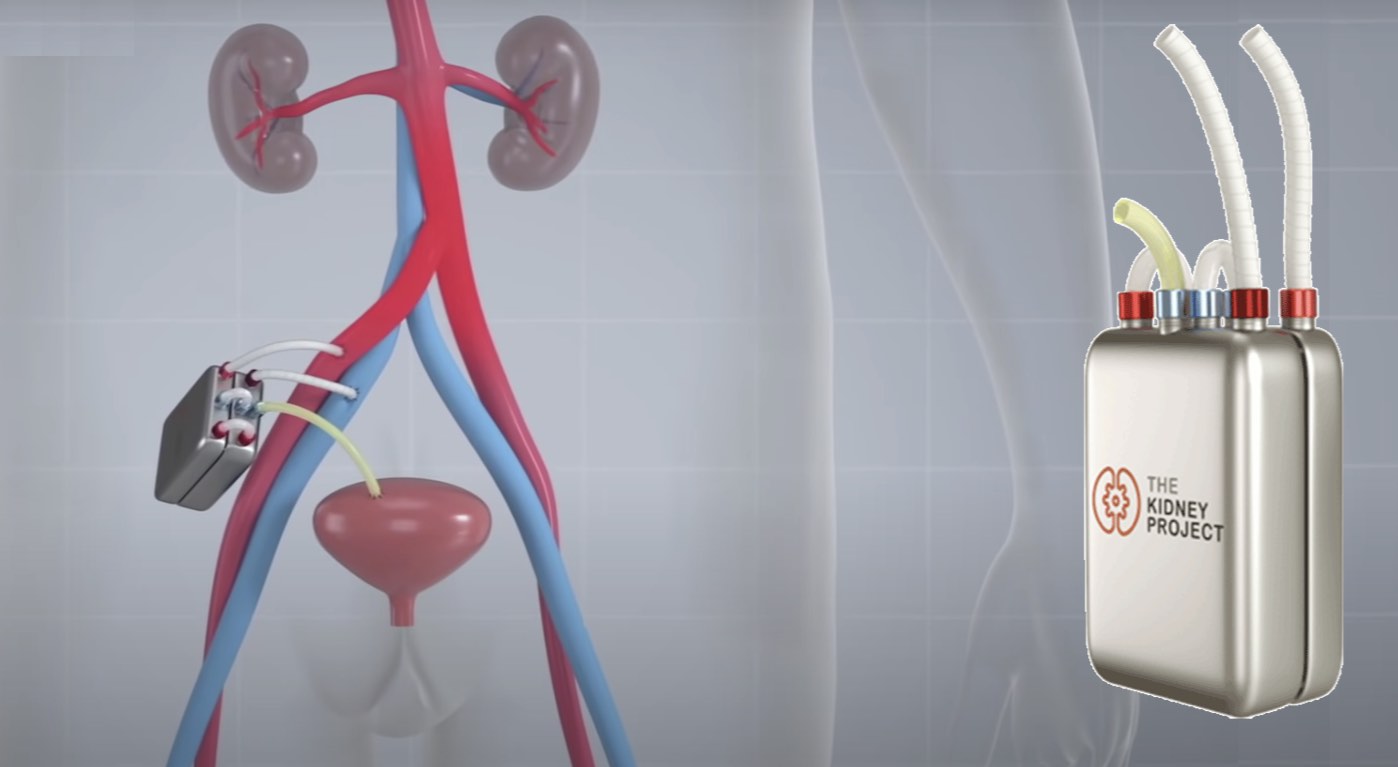
The University of California in San Francisco has developed an implantable device called a bioreactor that mimics the daily functions of a kidney, offering hope to patients with kidney failure. In a successful clinical trial, kidney cells housed within the bioreactor were shown to function without triggering the recipient's immune system, eliminating the need for harsh immunity-suppressing drugs. With over 500,000 people in the US requiring dialysis and a shortage of kidney donors, an implantable artificial kidney could revolutionize treatment for kidney disease. The next step is a month-long trial in animals and then humans.