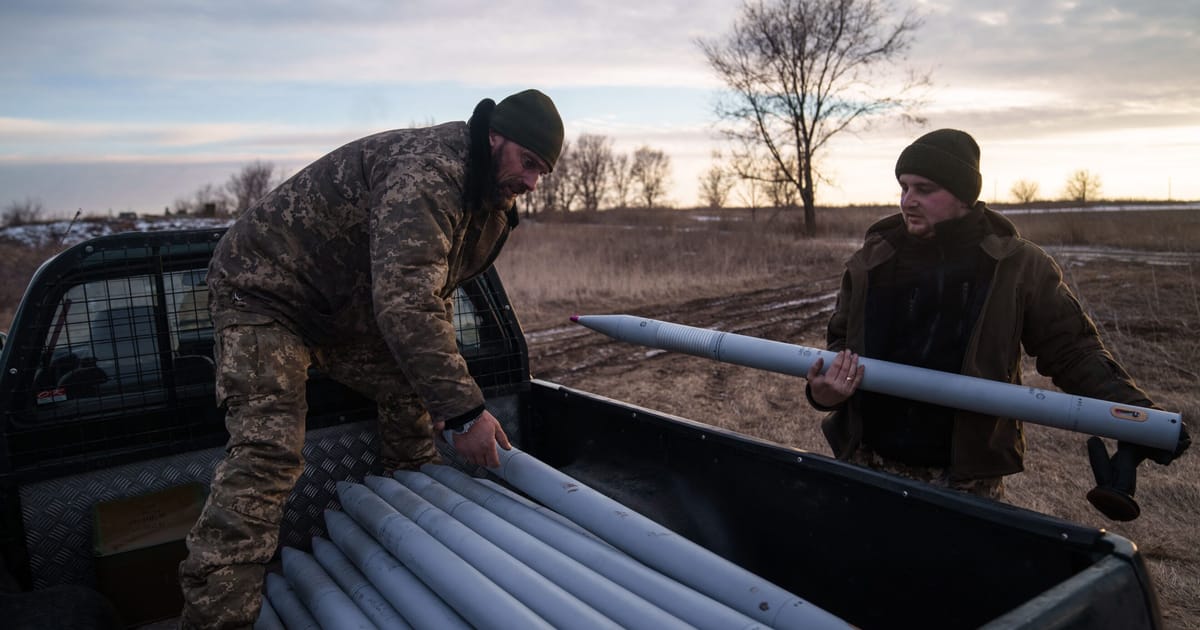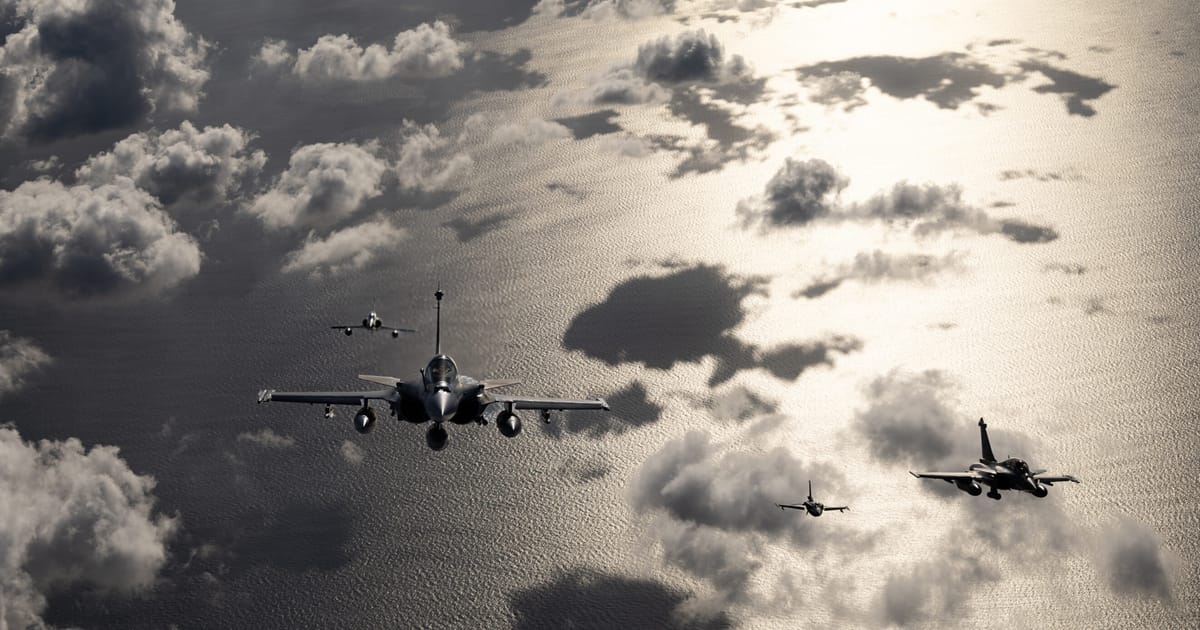
The EU is developing a comprehensive military plan called the Defence Readiness Roadmap 2030, aiming to strengthen its defense capabilities, increase joint procurement, and prepare for potential conflicts with Russia by 2030, with a focus on filling capability gaps and enhancing cooperation among member states.
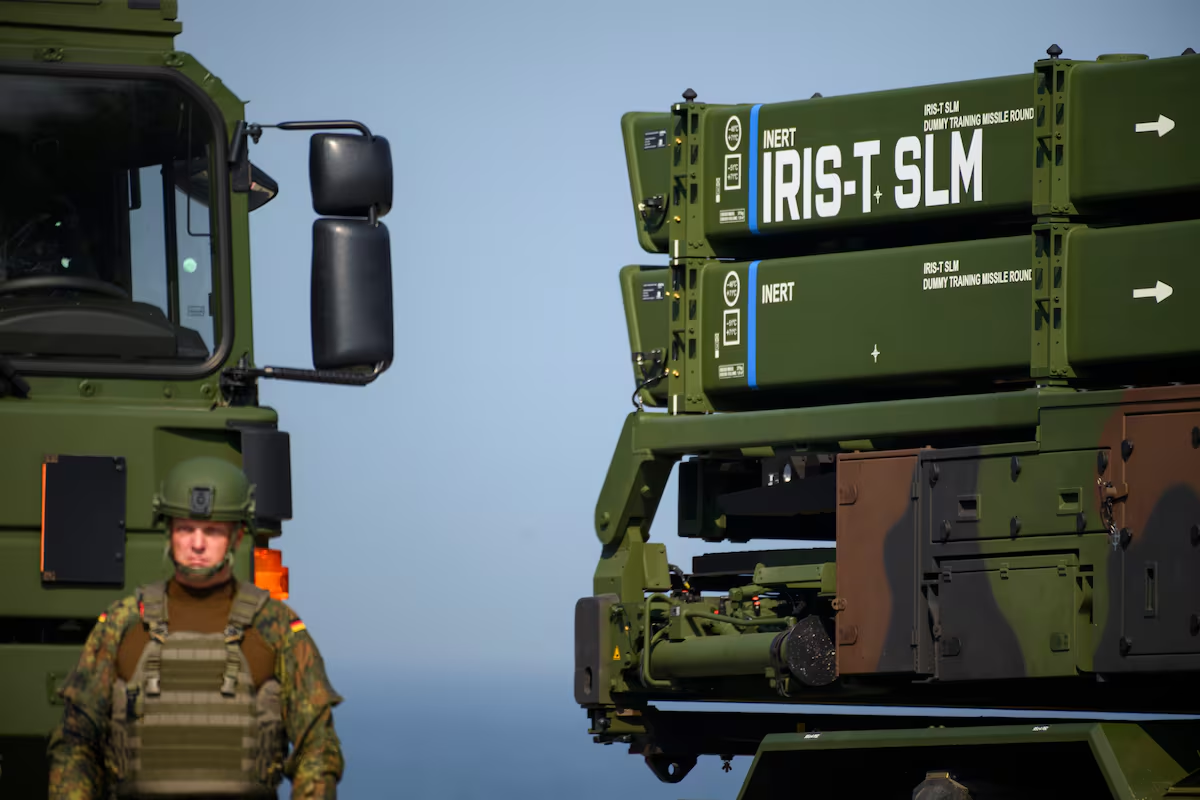
The European Union has approved €300 million in funding for five joint defense-procurement projects, marking the first time the EU uses its budget for common defense purchases. This initiative aims to enhance the bloc's defense capabilities in response to Russia's invasion of Ukraine and reduce reliance on the U.S. for security. The funding will support projects including air defense systems and armored vehicles, with the goal of improving interoperability and strengthening the European defense industry. The EU aims for member states to procure at least 40% of their defense equipment together by 2030.
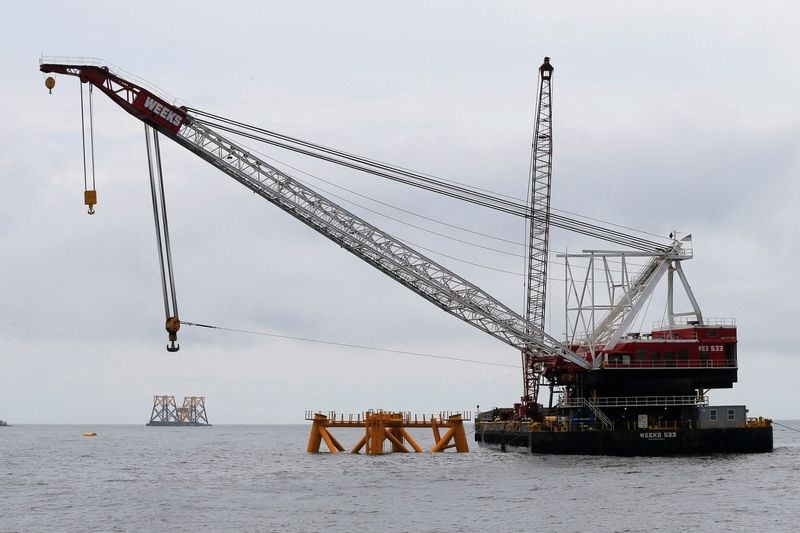
Massachusetts, Rhode Island, and Connecticut have agreed to jointly procure offshore wind power in an effort to counter the challenges facing the US offshore wind industry, including rising costs and canceled contracts. The three states will seek multi-state offshore wind proposals for up to 6,000 megawatts of power, with any two or three states able to select a multi-state proposal and split the power from a single project. This collaboration aims to support the decarbonization of the power sector and boost domestic manufacturing.
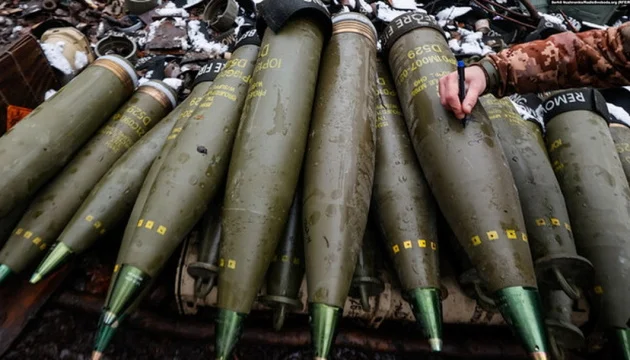
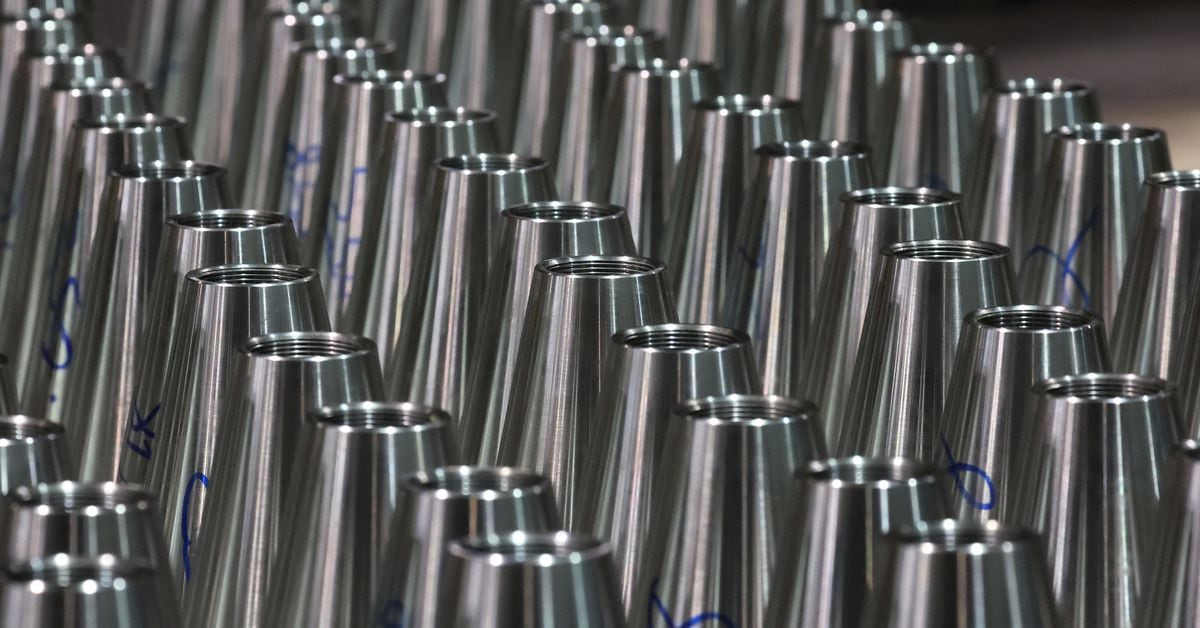
The European Council has approved a €1 billion assistance measure under the European Peace Facility (EPF) for the procurement of ammunition and missiles for Ukraine. The measure will finance the provision of 155-mm-calibre artillery rounds and missiles to the Ukrainian Armed Forces, which will be jointly procured by EU member states from the European defence industry. The procurement contracts or purchase orders will need to be concluded before 30 September 2023 in the context of an existing European Defence Agency (EDA) project or through complementary joint acquisition projects led by a member state.
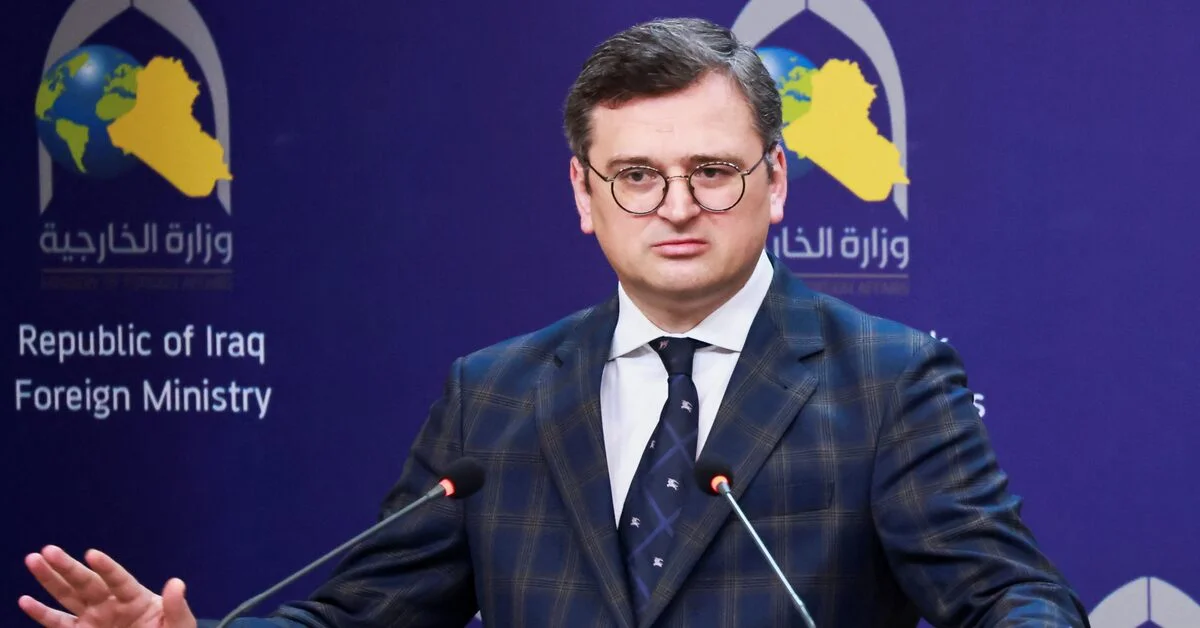
EU foreign policy chief Josep Borrell expressed confidence that the bloc would finalize a plan within days to buy ammunition for Ukraine after Kyiv expressed frustration at wrangling among EU member states. The joint procurement plan is part of a multi-track EU deal to get 1 million artillery shells or missiles to Ukraine within 12 months and ramp up European munitions production, approved by foreign ministers last month.
Several EU countries will sign an agreement to jointly procure 155mm artillery shells for Ukraine to fight against Russia's invasion. The pact will be signed on the sidelines of a meeting of EU foreign and defence ministers in Brussels on Monday. The initiative is part of a plan presented by EU foreign policy chief Josep Borrell to earmark 1 billion euros ($1.07 billion) to reimburse EU countries for sending shells from their own stocks to Ukraine and a further 1 billion euros for joint procurement.
The EU is finalizing a €2 billion deal to restock Ukraine's ammunition supplies, with €1 billion to partially reimburse countries that can immediately donate ammunition from their own stockpiles and €1 billion to jointly purchase new ammunition. The European Defense Agency may play a role in coordinating the joint procurement efforts, and the plan covers not just EU countries but Norway as well. The EU is tapping the European Peace Facility to cover the losses of countries dipping into their stockpiles and funding new ammunition buys.