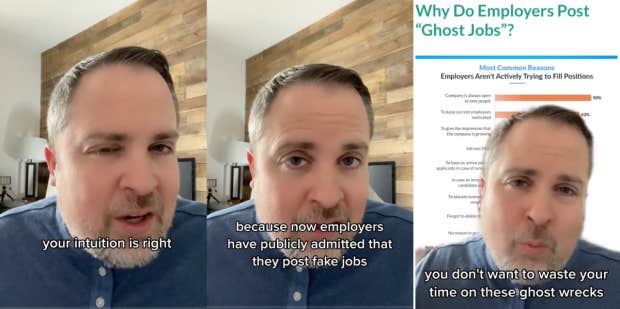
A job seeker shares their experience of being ghosted after a promising interview and receiving a job offer, highlighting the unprofessionalism of the employer and advising to move on and focus on new opportunities.
Amid a challenging job market with rising unemployment and longer job searches, applicants are increasingly spending money on paid tools like resume software, career coaching, and premium job platforms to improve their chances, although success is not guaranteed and the costs can be significant.
Jacob Woodward, a former VP of product and father of six, has been job hunting since July 2024, applying to over 1,500 roles without success, experiencing emotional highs and lows, and highlighting the struggles and resilience of job seekers in a tough market.
Stefanie Fackrell, a seasoned recruiter for tech giants like Google and Apple, advises job seekers to keep their resumes classic and straightforward, avoiding colors, charts, and gimmicks. She emphasizes the importance of showcasing achievements and impactful projects rather than daily tasks, and recommends keeping resumes concise and no longer than two pages.
Companies are posting fake 'ghost jobs' on job search boards, according to a survey of over 1,000 hiring managers. The practice of leaving up ads for expired or filled positions is used by 50% of companies to give the illusion of growth and manipulate employee morale, while 37% do so to gather resumes for future turnover. Another 43% post fake ghost jobs to keep employees motivated or to create the impression that the company is growing. The job search process has become more challenging due to factors such as technology, the rise of AI, and staffing shortages. These practices, along with an increasingly impersonal and demoralizing hiring process, have led to a record high of 44 days for applicants to reach a decision maker. Experts recommend leveraging networking and social media platforms to navigate this difficult job market.
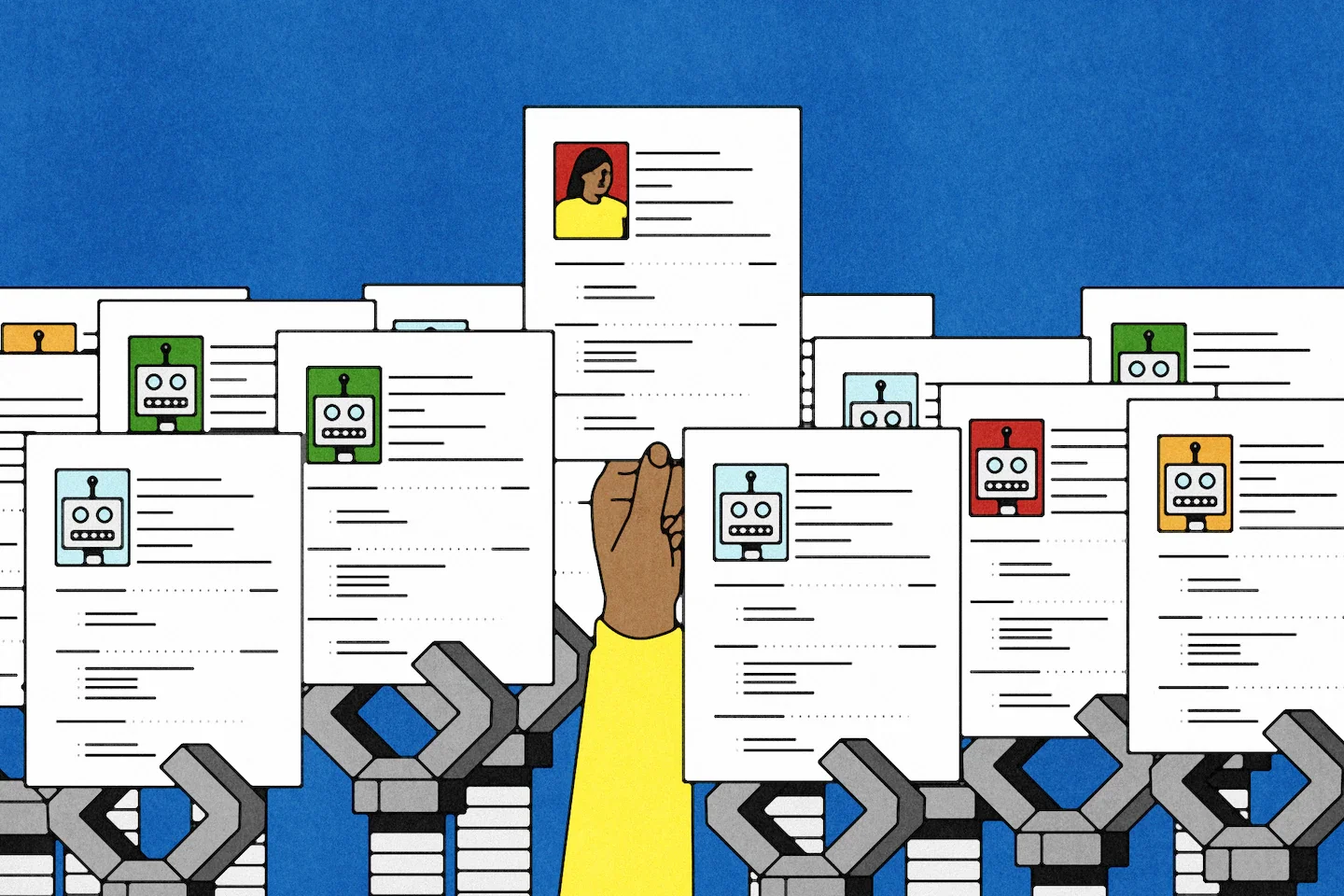
ChatGPT, an AI-powered chatbot, is gaining popularity in the job application landscape. It can help job seekers prepare for interviews, enhance resumes, match cover letters to job descriptions, and improve LinkedIn profiles. HR professionals can use it to reach out to candidates, write job descriptions, and generate interview questions. However, experts caution that AI-generated information is not always accurate and should be viewed as a "first pass" that requires human review. Additionally, firing employees via AI is not recommended.
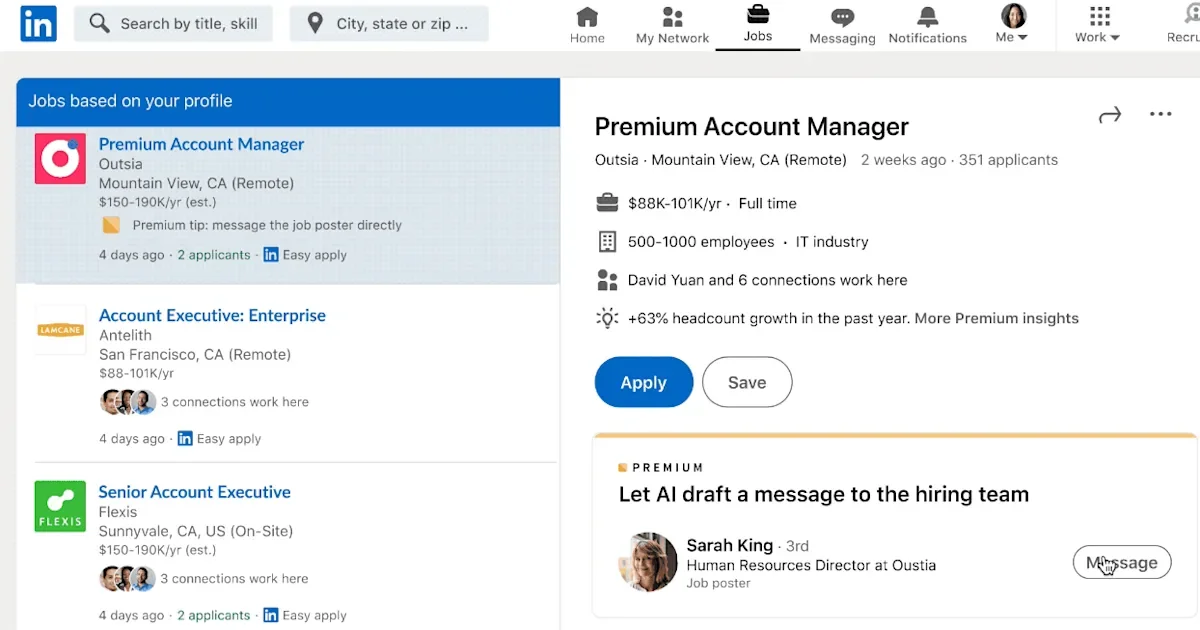
LinkedIn is testing a new AI feature that generates personalized messages for job hunters to send to hiring managers on the platform. The feature draws on information from the user's profile, the hiring manager's profile, the job description, and the company of interest to create a highly personalized message. The feature is currently available for premium subscribers and users should still double-check and edit the text before sending it.