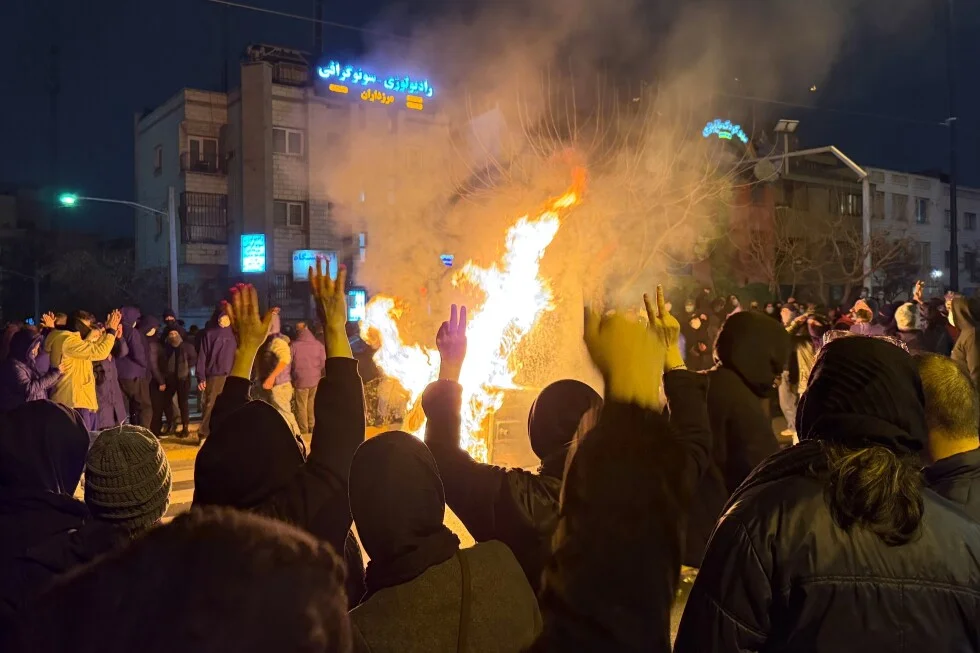
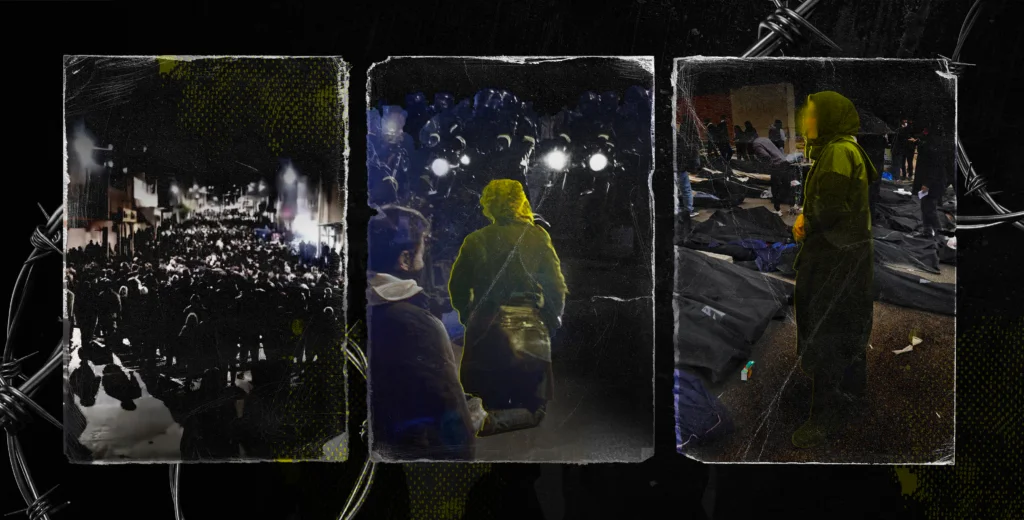
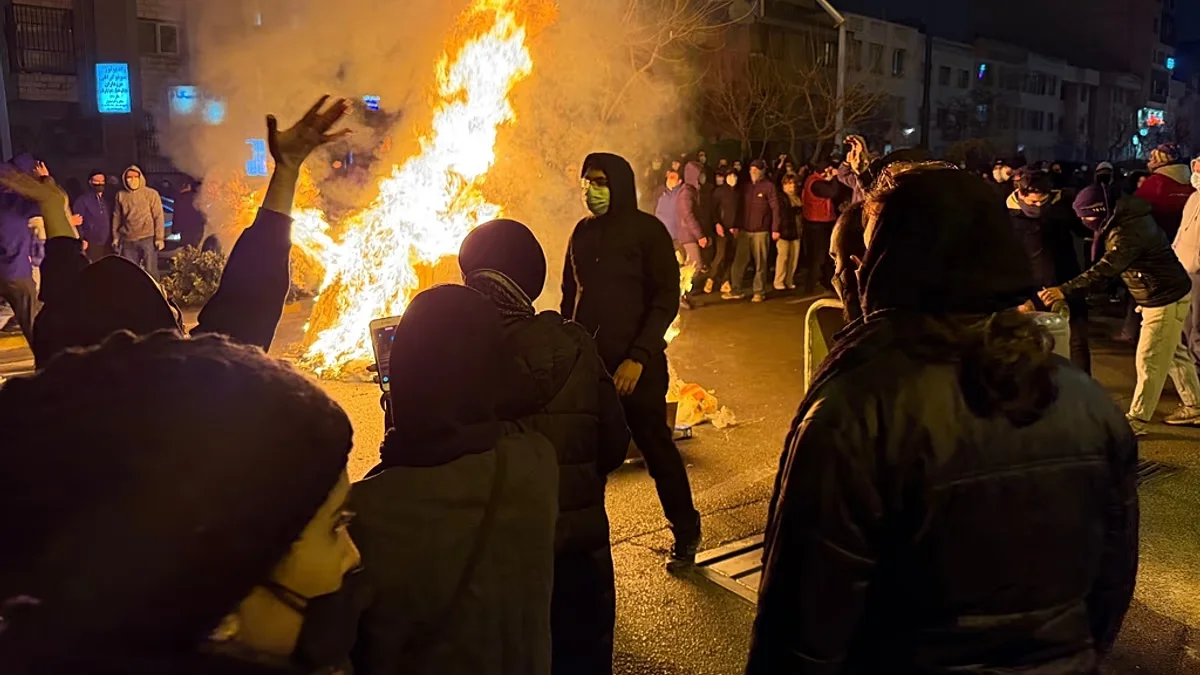
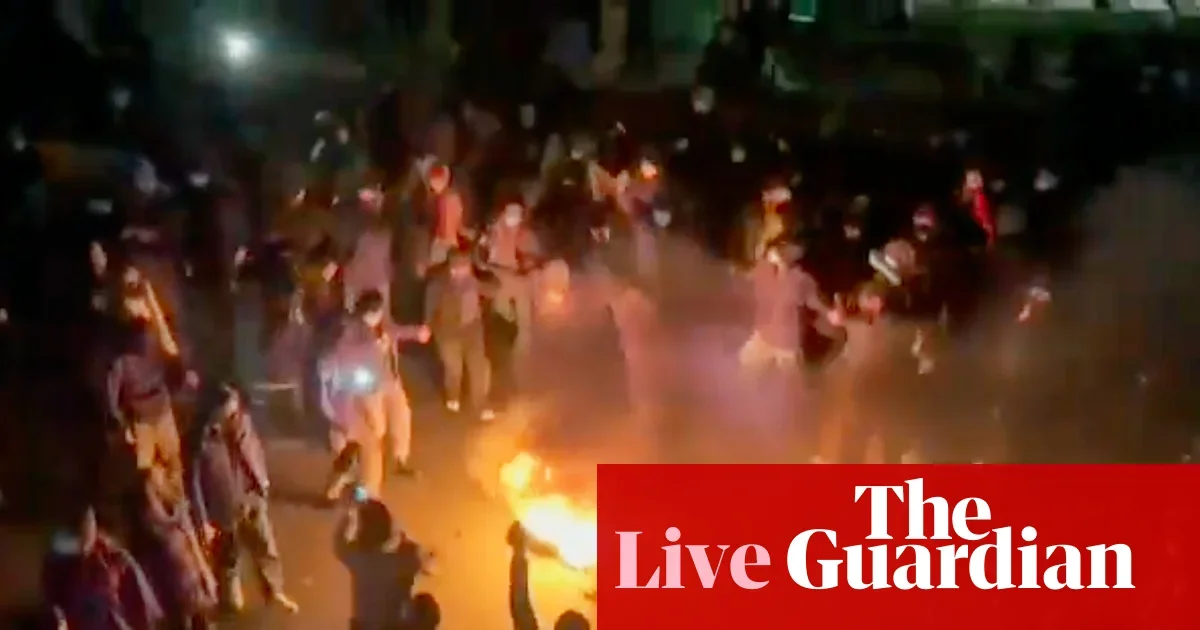
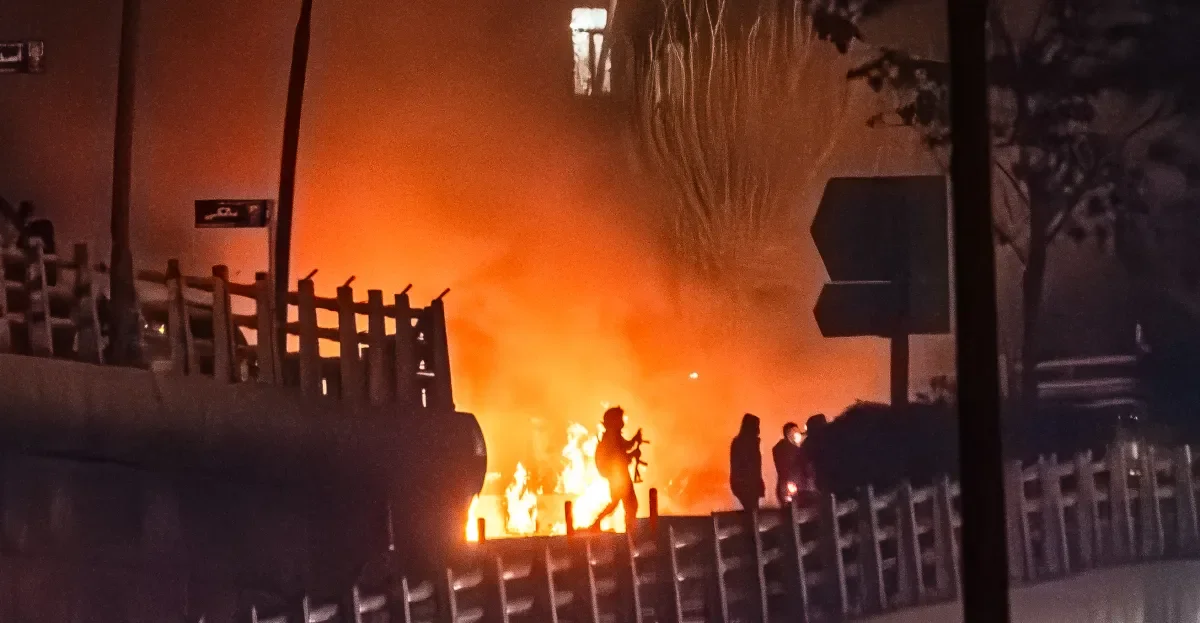
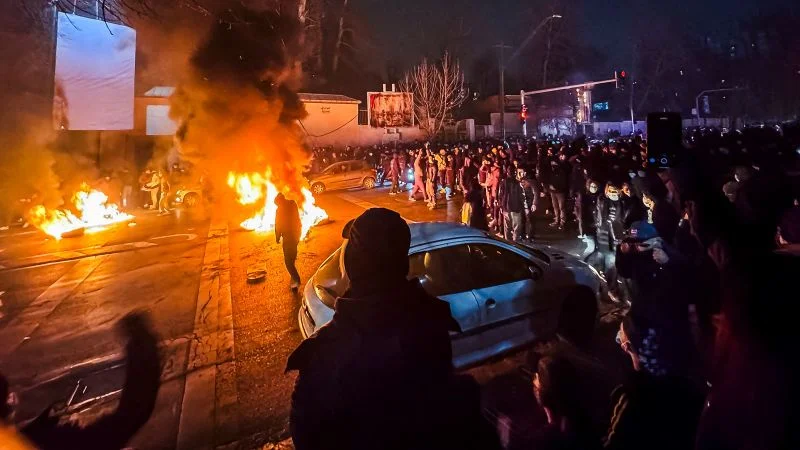
An Iranian beautician in Karaj filmed Jan. 8 protests as security forces fired tear gas and live rounds, part of a nationwide crackdown that rights groups say killed thousands; her videos document courage and fear amid a monthlong internet blackout, with many protesters hiding as the regime tightens its grip.
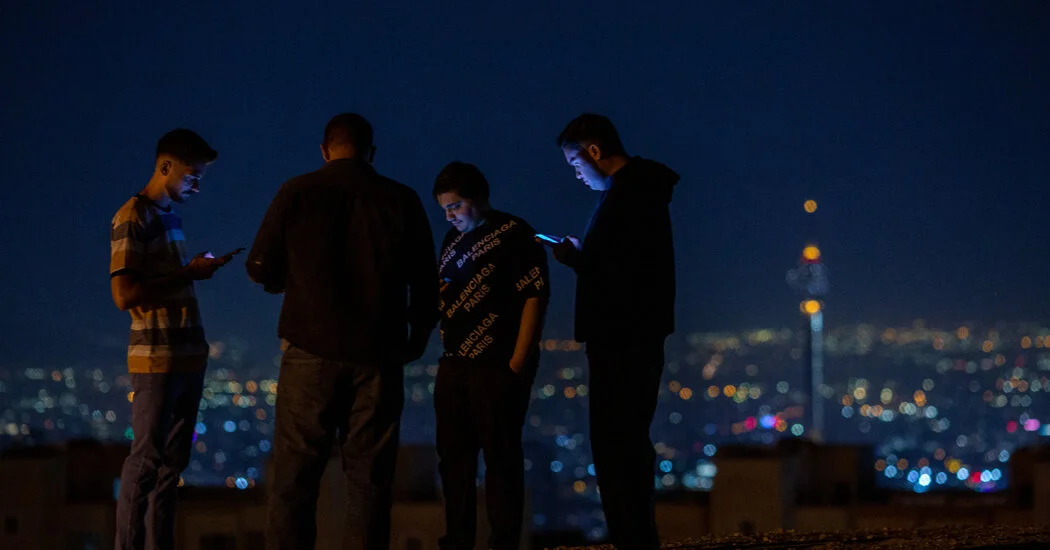
During an extended internet blackout, rare, brief connectivity allows Iranians to message loved ones and share footage abroad, offering a clearer view of the crackdown and suggesting a death toll far higher than prior estimates (verified over 5,000 with thousands more unverified) as authorities experiment with selective, whitelist-based connectivity.
Western intelligence reports hundreds of IRGC and Basij defections amid a severe internet blackout that conceals protests and allows the regime to hunt for dissent. Diplomatic officials have sought asylum in Europe, and internal officials are defecting as well, signaling potential regime fragility. Observers compare the moment to historic turning points like the Berlin Wall era, while exiled Crown Prince Reza Pahlavi urges action against the regime.
The death toll from Iran’s crackdown on nationwide protests has risen to at least 5,002, with activists noting thousands detained and the country’s two-week internet blackout hindering verification; casualties include demonstrators and civilians, as U.S.-Iran tensions intensify with American ships moving toward the region.
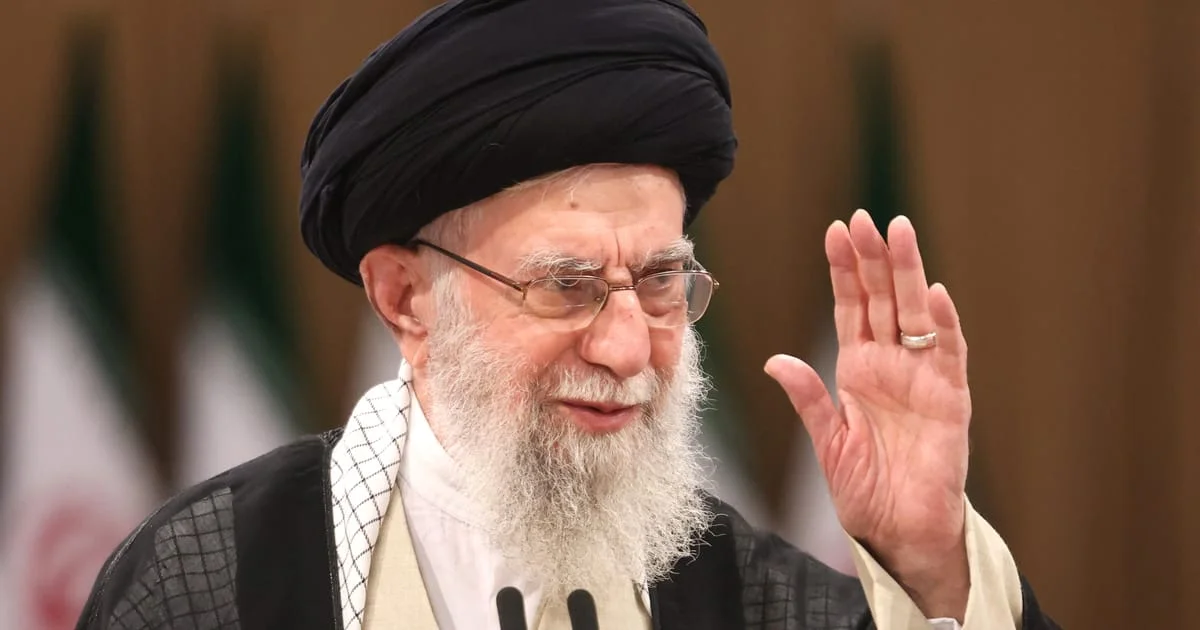
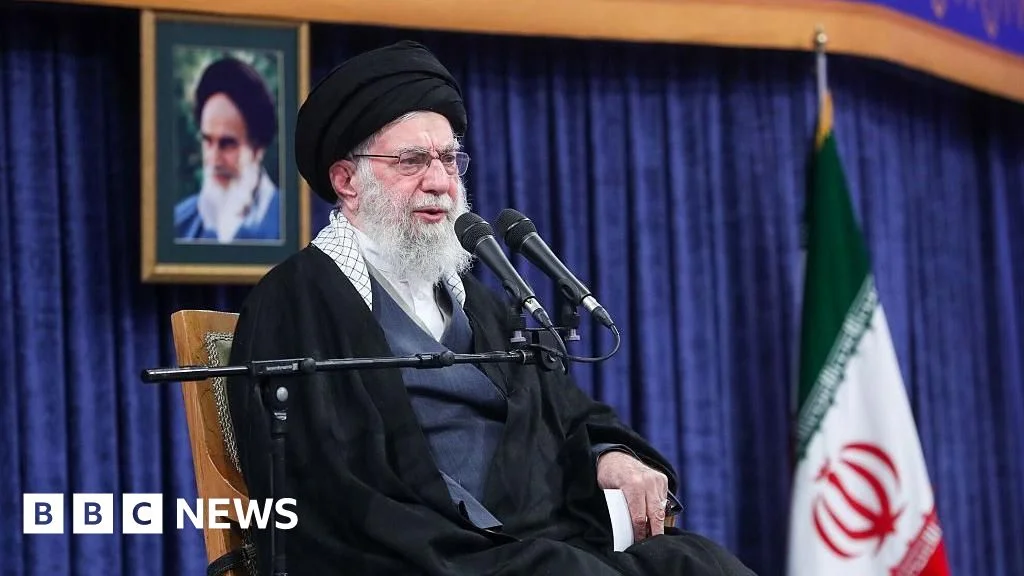
Iran's Supreme Leader Ali Khamenei blamed Donald Trump for fueling the protests sweeping Iran, acknowledged thousands of deaths, and vowed to crack down on domestic 'sedition' as the country endures an internet blackout; official counts hover around 5,000 dead while rights groups say about 3,300 have died with around 24,000 arrests as demonstrations that began over economic grievances widen and calls for Khamenei to resign grow.
Iran's supreme leader Ayatollah Ali Khamenei publicly acknowledged that thousands were killed during the protests—around 3,090 per HRANA, with higher counts cited by some groups—blaming the US as the internet blackout hampered verification and drawing international concern over the crackdown and regional tensions.
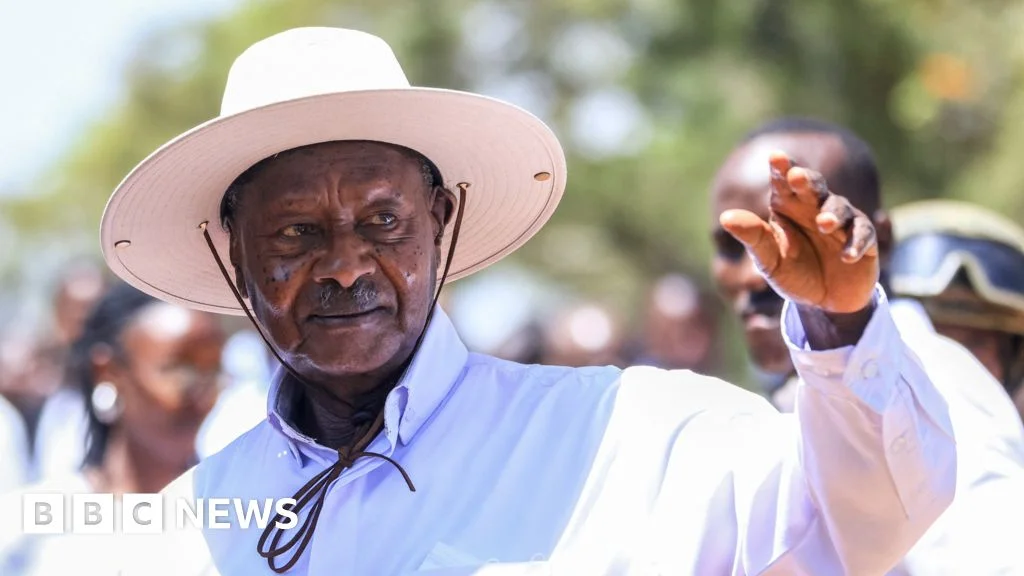
Uganda's Yoweri Museveni is declared winner of the election, extending his four-decade rule to a seventh term with about 72% of the vote; rival Bobi Wine rejects the results and calls for protests, while the country faces violence, a government-imposed internet blackout, and a turnout of around 52.5%.
Iran remains under a state‑imposed internet and SMS blackout amid deadly nationwide protests against the clerical leadership, with authorities restoring an intranet but keeping global connectivity down; casualty figures are disputed, with HRANA reporting about 2,600 dead while Tehran calls the numbers exaggerated. The UN and other actors urge restraint while Tehran blames foreign elements for the unrest, vows “no mercy” for rioters, and the government rolls out subsidized coupons to ease inflation as protests continue.
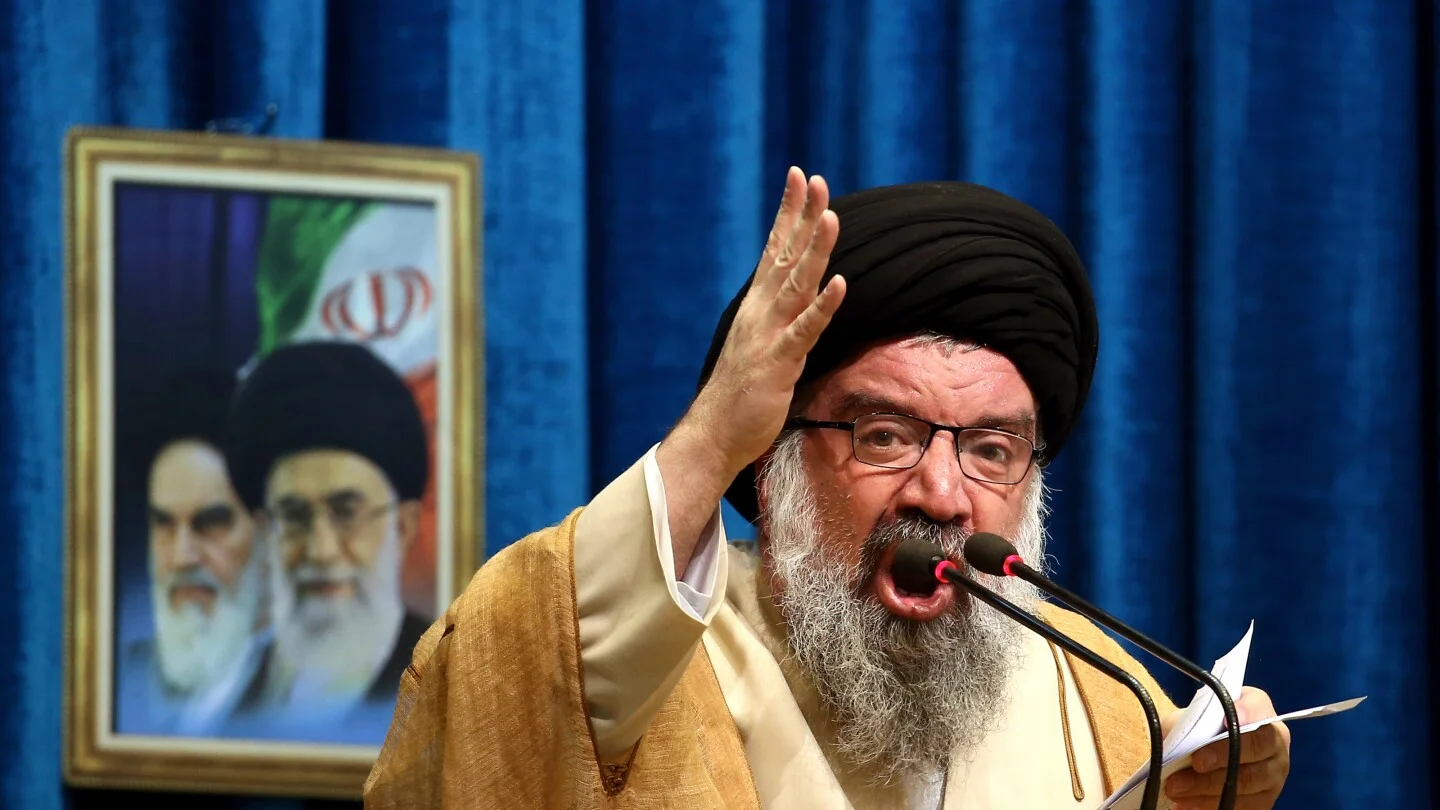
Amid Iran’s crackdown on December protests, senior hard-line cleric Ayatollah Ahmad Khatami called for the death penalty for detained demonstrators and directly threatened U.S. President Donald Trump, underscoring hard‑line resolve as authorities claim to have quelled unrest. The toll cited by HRANA reached 2,797, and Iran has enforced a nationwide internet blackout as protests have waned. Exiled Iranians and international actors remain engaged, with U.S.-Iran tensions and calls for intervention continuing to shape the response, even as digital access and dissent fade inside the country.
Iranian security forces have violently cracked down on largely peaceful protests since December 28, 2025, killing and injuring demonstrators while cutting internet access from January 8 to conceal abuses; with arrests, disappearances, and threats of torture or death sentences, rights groups are calling for urgent UN action (including UNHRC/UNSC sessions) and a referral to the International Criminal Court, and activists urge international pressure via a petition.
An Iranian online activist told Euronews that amid ongoing protests the regime is using RF detectors to locate Starlink satellite devices and suppress information, with Iran reportedly experiencing a prolonged internet blackout (over 112 hours). He alleges at least 15,000 people have died, including cases of severe eye injuries, as security forces engage in aggressive repression and residents rely on Starlink for connectivity.
Protests across Iran continue with the death toll rising to about 2,571, as authorities vow fast, public trials and possible executions; detainee Erfan Soltani reportedly faces imminent death amid a sweeping crackdown that includes an internet blackout, while the US and other governments weigh in and rights groups warn against swift, opaque justice.
In Iran, anti-government protests that began over economic woes have intensified into a nationwide challenge to the regime. With an almost total internet blackout hindering reporting, verified counts vary widely—from CBS News’ report of 12,000–20,000 dead to other estimates around 2,000–3,000—raising the prospect of a scale not seen in the region in decades. Security forces have used deadly force, including snipers and machine-gunning, complicating efforts to document events. The regime’s grip appears at risk, and while some experts see conditions for potential regime change, a collapse is far from assured. The crisis has drawn international attention and even a public comment from Donald Trump, who urged Iranians to keep protesting and hinted at potential U.S. involvement.
Iran has accelerated the suppression of nationwide protests by adopting war-time tools—drones, signal jammers, a rapid propaganda apparatus, and a sweeping internet blackout—alongside heavy police and Basij deployments. Protests are now framed as foreign-backed, with state media pushing fear and claims of collateral violence, and experts say the regime is willing to use deadly force to quell dissent, marking a shift from traditional policing to militarized repression.
Uganda’s communications regulator ordered a temporary internet shutdown ahead of Thursday’s presidential election, saying the move is meant to prevent misinformation, electoral fraud and violence; data access will be suspended from 18:00 local time while voice calls and SMS remain functional, a measure critics say risks censorship as incumbent Museveni faces challenger Bobi Wine.