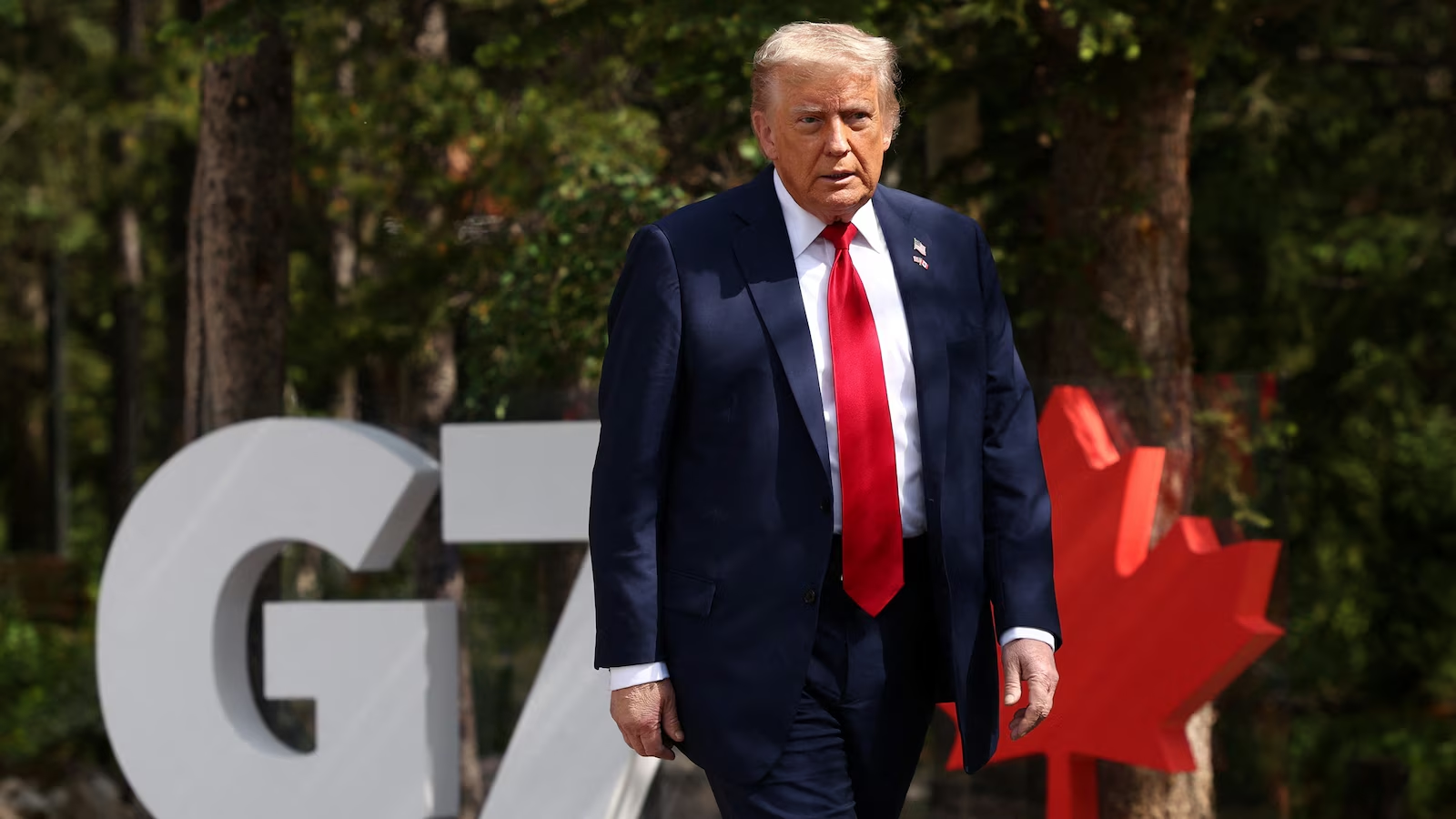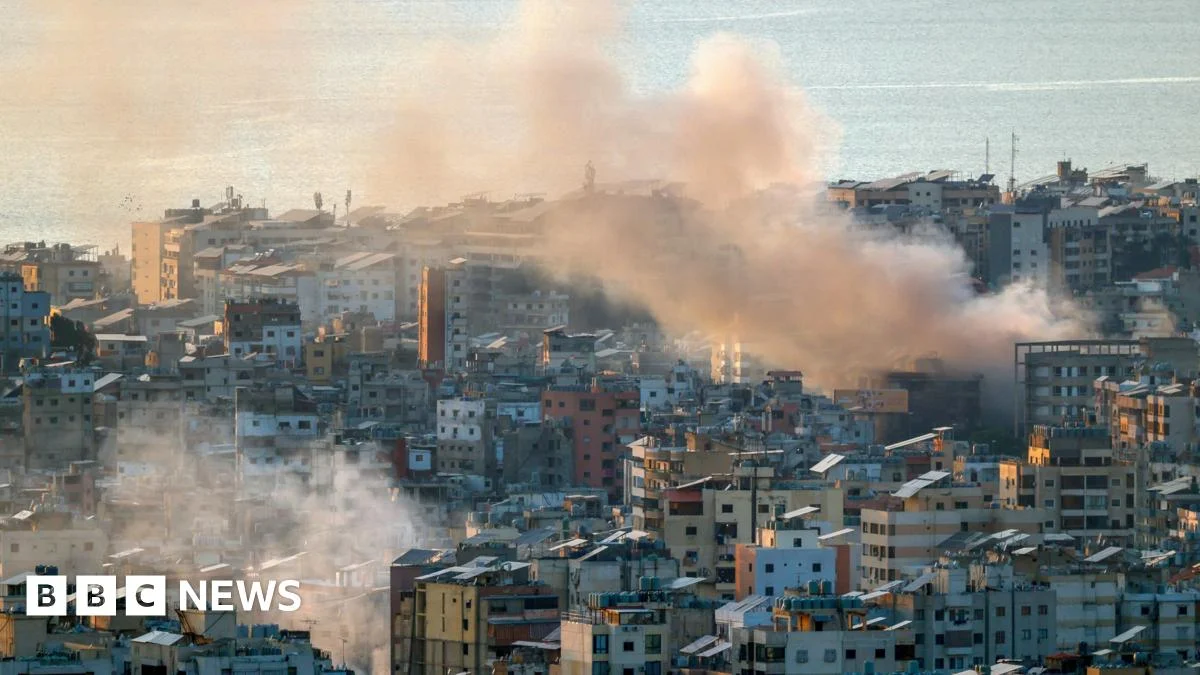
President Trump is leaving the G7 summit early to address urgent Middle East issues, notably the Iran-Israel conflict, and will not participate in some planned meetings or a joint statement on de-escalation, amid ongoing tensions and military actions in the region.
The US has deployed refueling aircraft and the aircraft carrier Nimitz to Europe and the Middle East to bolster military options amid escalating Iran-Israel conflict, with the US emphasizing defensive preparations and strategic readiness.
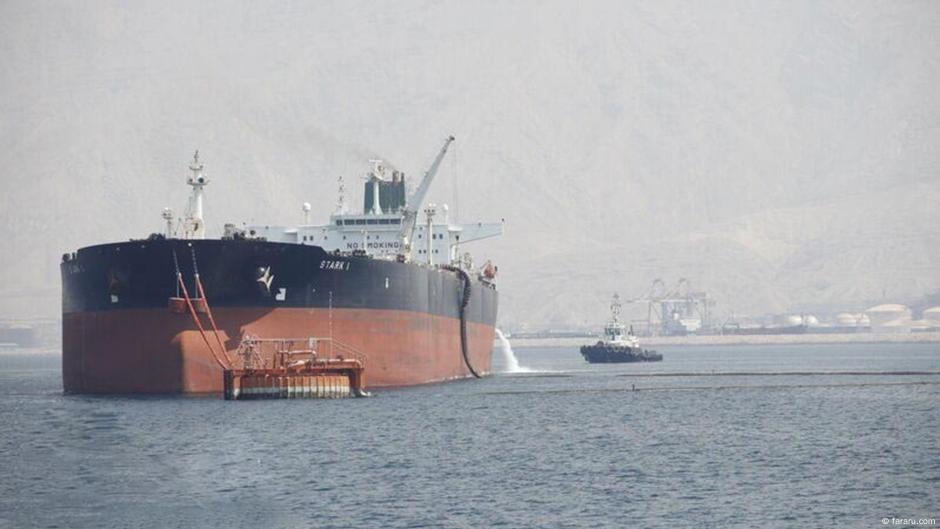
Oil prices surged over 10% following Israel's attack on Iran's facilities, triggering market fears of escalation and regional conflict, which could disrupt global energy supplies, increase shipping costs, and threaten economic stability worldwide.
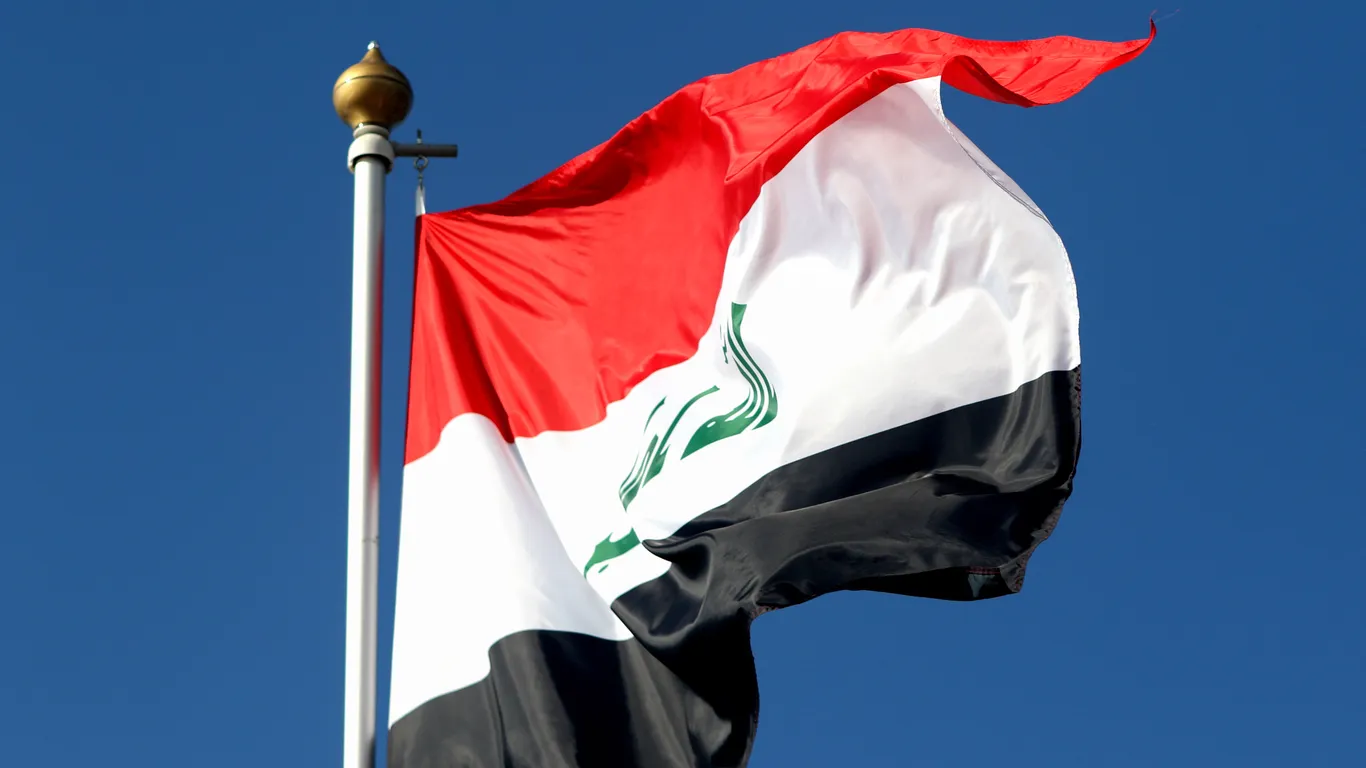
The Biden administration has warned Iraq that it could face Israeli retaliation if it allows Iran to launch attacks on Israel from its territory. This warning comes amid intelligence reports suggesting Iran is planning a significant attack against Israel from Iraqi soil, in response to an Israeli strike in Iran. U.S. officials, including National Security Adviser Jake Sullivan and Secretary of State Antony Blinken, have urged Iraq's Prime Minister Mohammed Shia al-Sudani to prevent such attacks and control Shia militias targeting U.S. and Israeli interests. The Iraqi government is reportedly struggling to restrain pro-Iranian factions within its borders.
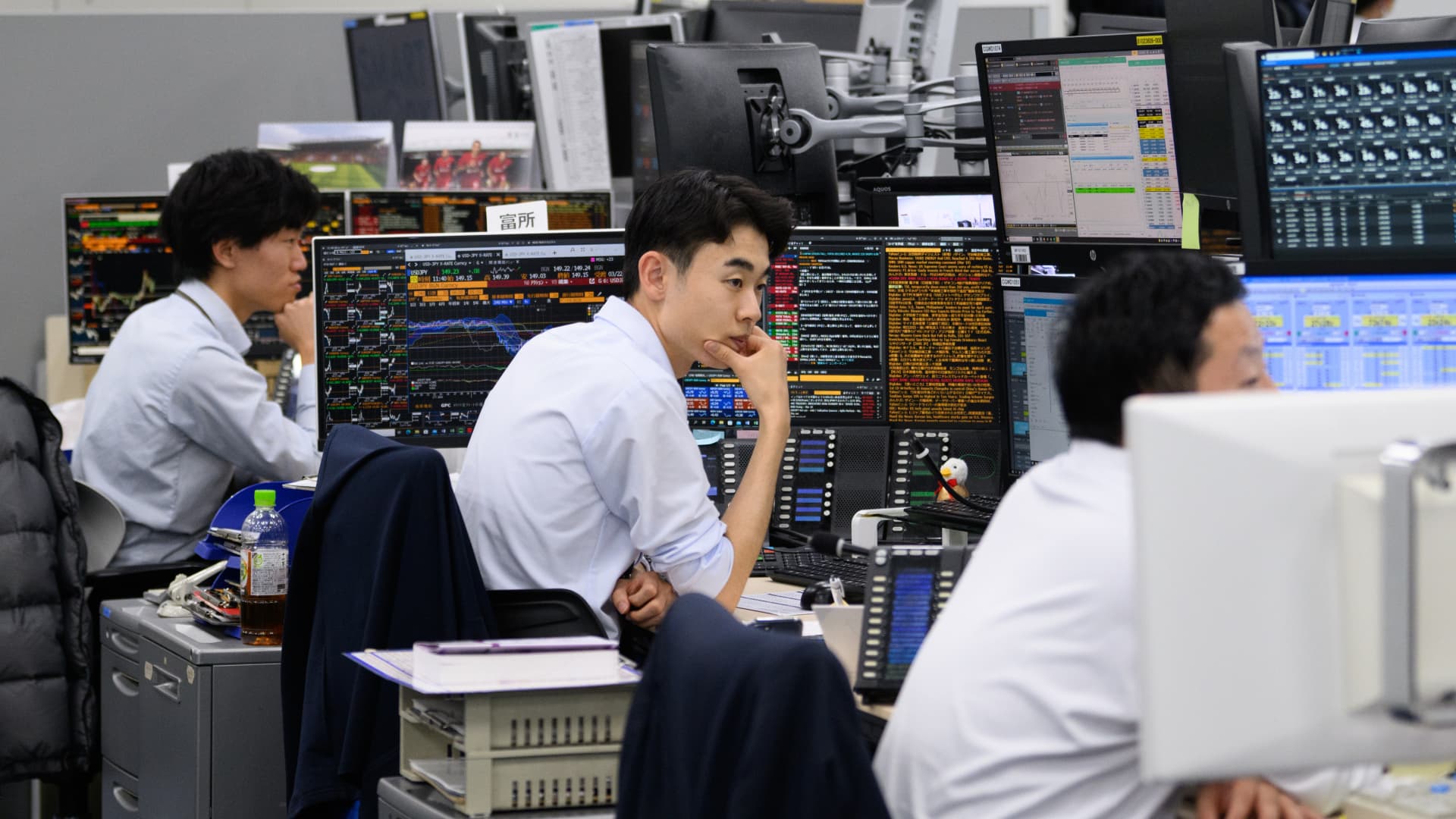
Asia-Pacific markets sold off amid Iran-Israel tensions, with China's GDP beating expectations at 5.3% growth in the first quarter. India's banking sector is seen as a significant driver of growth, while China's industrial output and retail sales data missed expectations. The Japanese yen fell to its weakest level since June 1990, and oil prices shrugged off Iran's attack on Israel. The Nasdaq Composite slid below its 50-day moving average for the first time since November, and a British investment bank predicts $100 oil and a potential 10% stock market correction due to Middle East turmoil. Retail sales data in the US came in above economists' forecast, indicating continued consumption despite higher prices.
Asia-Pacific markets fell as tensions between Iran and Israel escalated, with Iran launching a massive drone and missile attack on Israel over the weekend. Oil prices remained relatively stable, while gold prices climbed as investors sought safe-haven assets. Chinese real estate firm China Vanke faces operational difficulties and short-term liquidity pressures, and Japan's core machinery orders surpassed expectations in February. Additionally, cryptocurrencies experienced a heavy sell-off following the increased tensions in the Middle East.
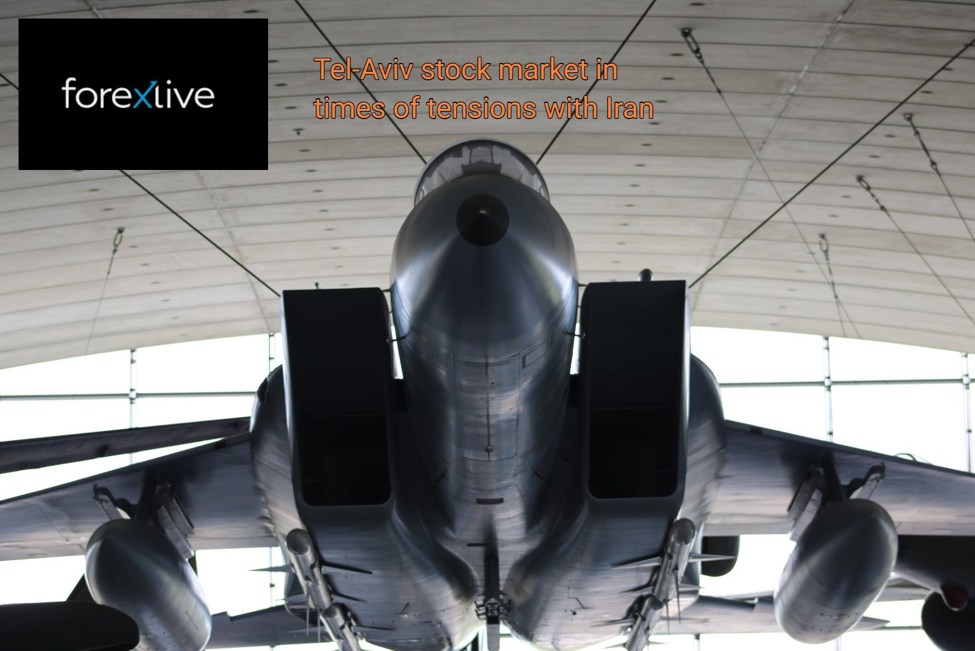
Amid escalating tensions between Israel and Iran, investors are closely monitoring the TA-35 Index, which tracks the 35 largest companies on the Tel Aviv Stock Exchange, as a barometer of Israel's economic pulse. Technical analysis suggests a potential 5-6% decline before a reversal area, with sectors like defense, energy, and technology under scrutiny. Historical examples illustrate the impact of Middle Eastern geopolitical tensions on global oil prices and economic stability, emphasizing the need for a comprehensive understanding of current events alongside technical analysis for informed investment decisions.