Investors are increasingly viewing large corporations like Microsoft and Airbus as safer investments than governments due to rising sovereign debt, fiscal backsliding, and erosion of the perceived rule of law, leading to a shift in bond market dynamics where corporate bonds often offer lower yields than government bonds.

Despite a government shutdown, U.S. stock markets remain near record highs due to strong earnings forecasts, low volatility, and expectations of further Federal Reserve rate cuts, with investors largely ignoring short-term political risks.
UnitedHealth Group's stock rose after the company announced it is performing as expected and that its Medicare Advantage quality ratings are in line with expectations, alleviating investor concerns despite its year-long decline and past management issues.
Despite a major data leak involving sensitive documents and personal data, Google's parent company Alphabet's stock remained stable as investors appeared to downplay the incident, reflecting ongoing confidence in the company's core businesses despite increasing cybersecurity concerns and calls for stricter data protection standards.
China's $11 trillion stock market struggles with poor returns and structural issues, leading to high savings rates and limited consumer spending. Despite recent reforms and efforts to improve transparency and investor protections, the market remains underperforming, with government policies prioritizing corporate financing for technological advancement over investor interests, which hampers household confidence and economic growth.
Palantir Technologies' stock has surged to become the most expensive in the S&P 500, reflecting strong investor confidence in its growth prospects despite high valuation levels.
UnitedHealth, once a dominant force in healthcare, has faced significant setbacks including cyberattacks, investigations, leadership changes, and public distrust, leading to a decline in investor confidence and challenges in maintaining its long-term growth and reputation.
Investors have largely ignored Trump's tariff threats as the August 1 deadline approaches, due to beliefs that these threats are strategic negotiations, expectations of court blocks, and strong economic data supporting market resilience, leading to a muted market response despite initial fears.
Bumble is cutting nearly a third of its staff to address financial struggles and industry challenges, aiming to reduce costs and focus on growth and innovation, amid declining investor confidence and a tough dating app market.
Stocks surged to near record highs despite geopolitical tensions, tariffs, and recession fears, driven by easing Middle East tensions, strong corporate earnings, and investor trust in economic data, with major indices like the S&P 500, Dow, and Nasdaq reaching multi-month highs.
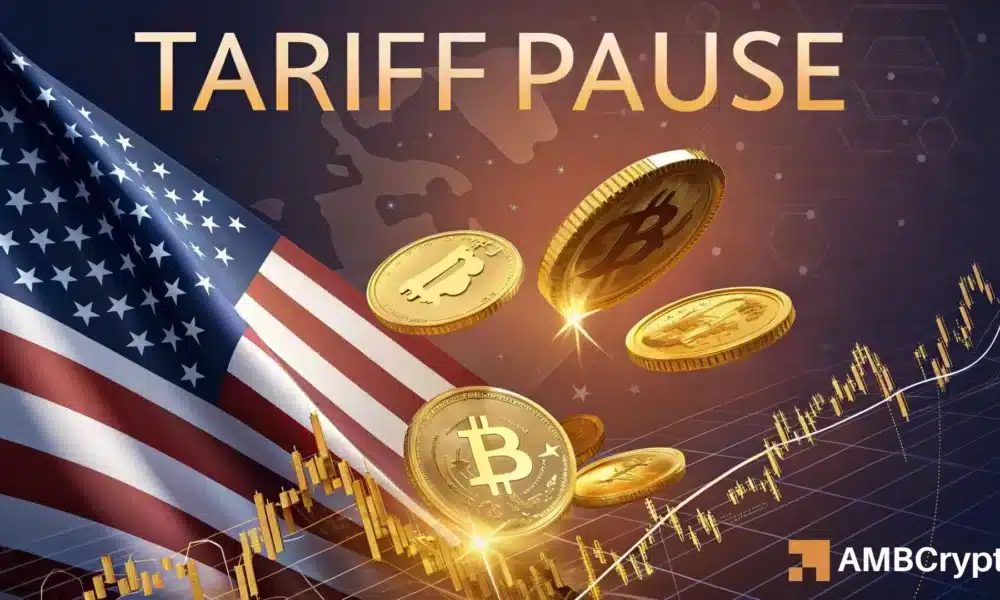
Bitcoin's price is highly sensitive to geopolitical tensions, especially U.S. tariff threats, with recent movements mirroring gold as a safe-haven asset. Market reactions have been volatile, with sharp declines during threats and rebounds when tensions ease, highlighting Bitcoin's entanglement with global economic sentiment. The increasing correlation with gold suggests Bitcoin may be evolving into a safe-haven asset amid macroeconomic uncertainty.
Kohl's shares plummeted over 20% following the abrupt resignation of CEO Tom Kingsbury just before Black Friday, amid declining sales and a reduced annual forecast. The retailer reported its 11th consecutive quarterly same-store sales decline, with a 9.3% drop. The unexpected leadership change has further shaken investor confidence as Kohl's struggles to compete with discount chains like Walmart, especially as inflation impacts consumer spending. Ashley Buchanan, former Michaels CEO, will take over in January.
Patrick Orlando, former CEO of the SPAC that took Trump Media public, has sold nearly all his shares, reducing his stake from 5.4% to less than 0.01%, according to SEC filings. This follows a legal ruling granting him additional shares just before the lockup period ended. The sale raises concerns about investor confidence, although Trump Media's stock has surged since the lockup expiration. Other early investors, Andrew Litinsky and Wes Moss, also sold significant shares after legal disputes with the company.
Experts believe that the predicted return of the BJP-led NDA to power will provide stability and continuity in policy-making, which is expected to calm investor nerves and benefit the Indian economy. This political stability is anticipated to support risk assets, macro stability, and the Indian rupee, while also positively impacting equity markets and long bond positioning. The focus will shift to the upcoming budget, with expectations of continued economic consolidation and improved growth potential.
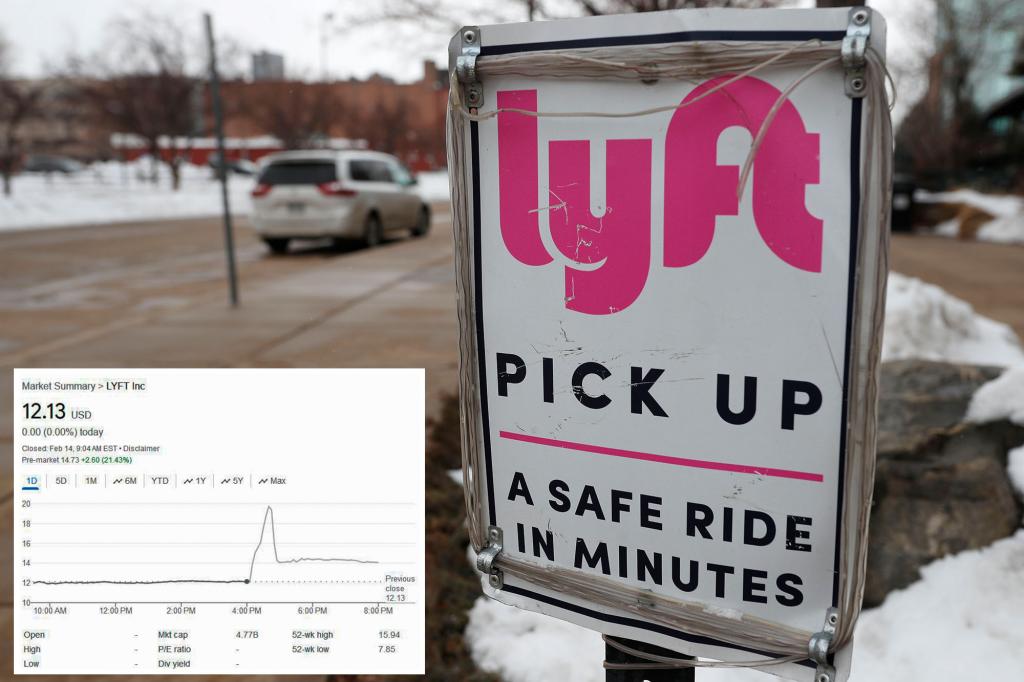
A typo in Lyft's earnings report caused its stock to surge 67% in after-hours trading before plummeting when the error was corrected, leading to criticism from analysts and potential lawsuits from investors. Despite the blunder, Lyft beat profit estimates and announced plans to achieve positive free cash flow in 2024 by cutting costs and increasing competitiveness with Uber.